Plizio Visual Lab
Hamadan
ℹ️Practical info — Hamadan
▾
🌤 Weather — 5 days
📍 Nearby
Sights nearby
💡 Tips
- The city sits at a high altitude; pack warm clothing for cool evenings, even during the summer.
- Use the 'Snapp' app (the Iranian equivalent of Uber) to easily and cheaply navigate to different sites.
- Visit the Ganjnameh rock inscriptions early in the morning to beat the large crowds of domestic tourists.
- Traffic around the central Imam Khomeini Square can be heavily congested; plan extra time to cross it.
🍽 Food
A traditional lamb stew served in small clay pots; crushing the ingredients yourself is part of the experience.
Try this local sweet bread filled with dates and walnuts, easily found in local bakeries.
Hamadan is famous for producing some of the best walnuts in Iran, sold fresh at the markets.
🛍 Shopping · 🧘 Quiet spots
The excellent place to shop for Persian rugs, copperware, and traditional leather goods.
Lalejin, nearby, is the pottery capital of Iran; many shops in Hamadan sell their spirited ceramics.
A forested hill complex featuring an artificial lake, handy for a quiet evening stroll.
Relax in the manicured gardens surrounding the monument to this famous mystic poet.
Just outside the city, the lower mountain slopes offer fresh air and solitude away from the traffic.
Water temperature…
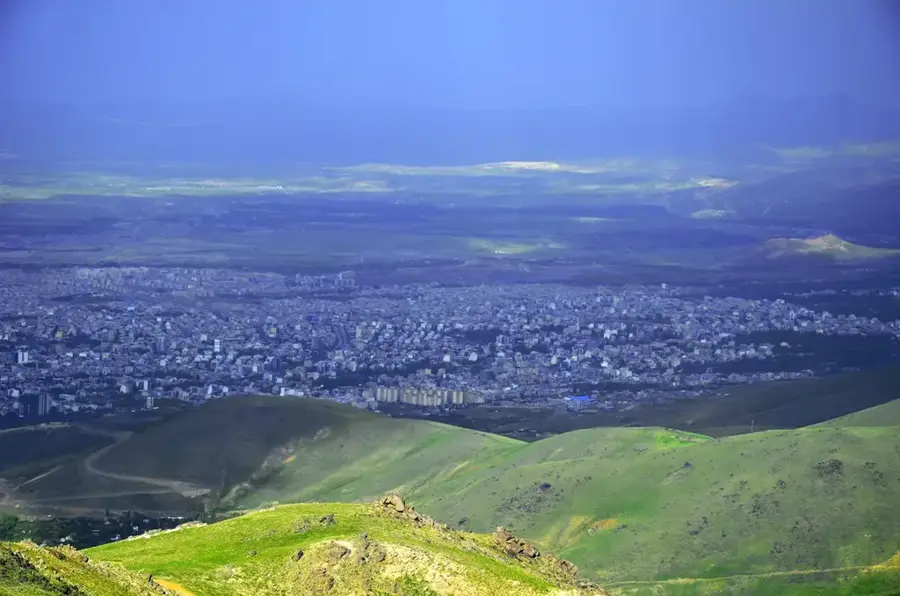
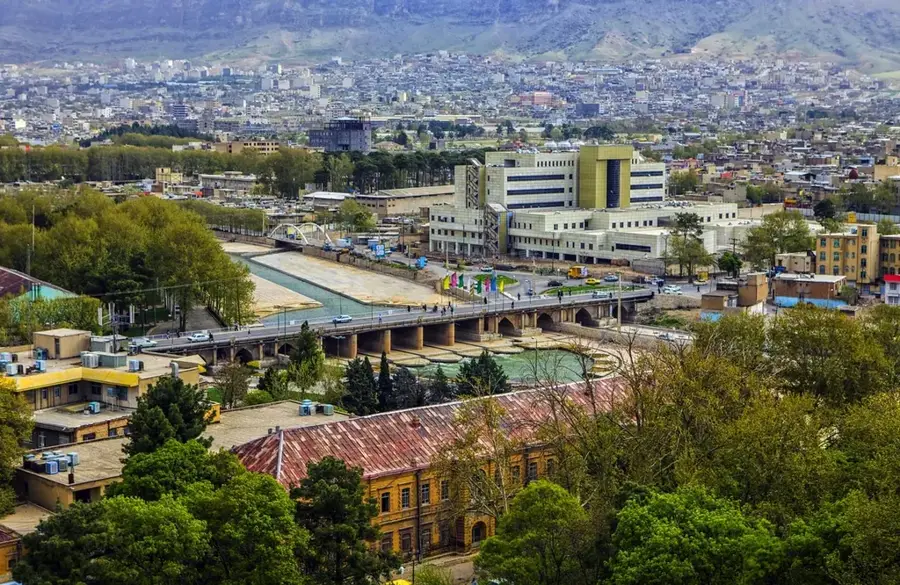
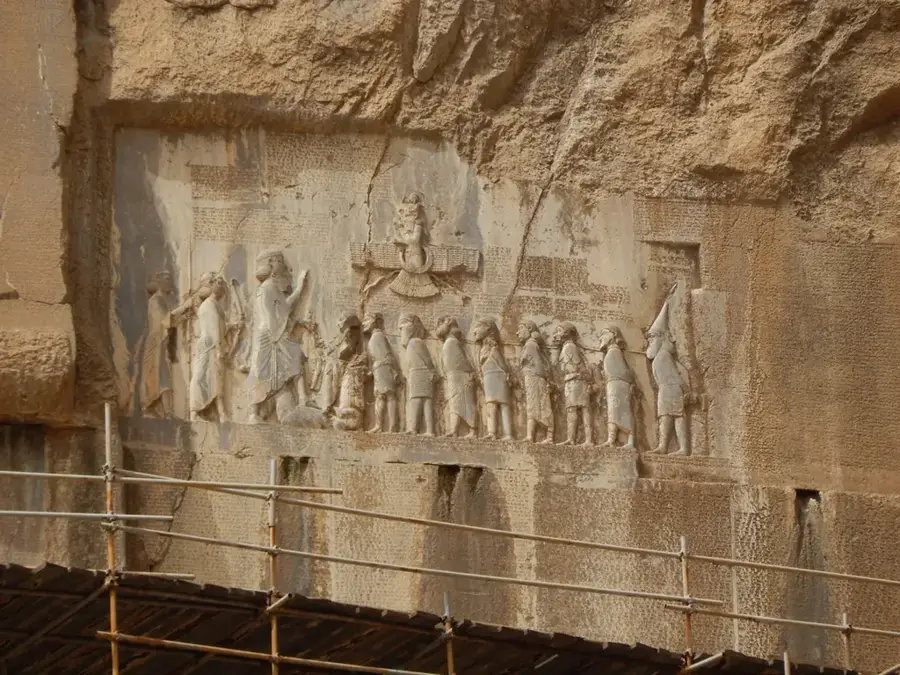
Hamadan, cradled in the shadows of the Alvand Mountains, is a living chronicle of human civilization and one of the oldest cities in history. Anciently known as Ecbatana, it served as the capital of the Median Empire as early as the 7th century BC and later became a prestigious summer retreat for the Achaemenid Persian kings. The city’s antiquity is anchored by the Hegmataneh Hill, a massive archaeological site that spans over 30 hectares in the heart of the city, revealing layers of ancient fortifications and gold artifacts. Beyond its imperial past, Hamadan is celebrated as a sanctuary of knowledge, most notably through the Tomb of Avicenna (Ibn Sina), whose contributions to medicine and philosophy influenced the world for centuries. The city also hosts the Tomb of Esther and Mordechai, the most significant Jewish pilgrimage site in Iran, highlighting its long-standing multicultural heritage. Geographically, Hamadan is situated at a high altitude of 1,850 meters, resulting in a mountain climate with severe winters and mild summers, excellent for those seeking to escape the desert heat. Just outside the urban sprawl lie the Ganjnameh inscriptions, two large rock panels carved in cuneiform script during the reigns of Darius I and Xerxes I, located next to a refreshing waterfall. The urban layout of modern Hamadan is distinctive for its large circular central square and six radiating avenues, a project designed by German architects in the early 20th century. Economically, the region is a major agricultural producer of wheat, potatoes, and garlic, and the nearby town of Lalejin is famous for its intricate pottery. Hamadan is also a major educational hub, home to the Bu-Ali Sina University, attracting students from across the region. With its combination of ancient ruins, scholarly monuments, and mountainous landscapes, Hamadan has a profound look into the roots of Iranian identity. It remains an animated city of over half a million people, seamlessly blending its millennia-old legacy with modern Iranian life.
- Location: Iran
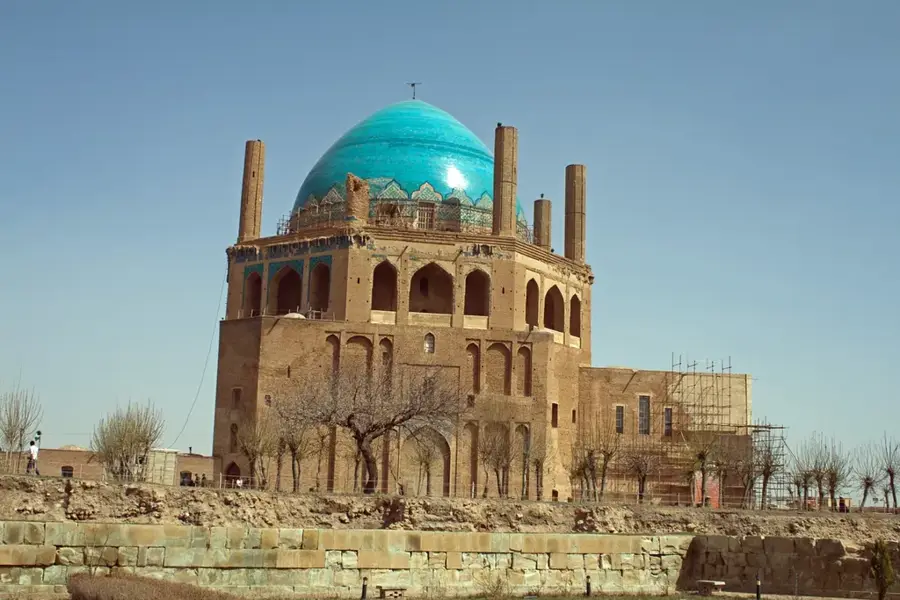
- Top sights: Alaviyan dome · Mary's Church · Ancient Site of Hegmataneh
- Population: ~528.256 (2024)
Best time to visit & climate
The most pleasant time to visit is Jun, Aug, Sep.
| Jan | Feb | Mar | Apr | May | Jun | Jul | Aug | Sep | Oct | Nov | Dec | |
|---|---|---|---|---|---|---|---|---|---|---|---|---|
| Avg °C | -1 | 0 | 5 | 10 | 16 | 22 | 26 | 25 | 20 | 14 | 5 | 0 |
| Rain mm | 29 | 33 | 43 | 48 | 21 | 6 | 3 | 1 | 2 | 24 | 41 | 34 |
Geography
Facts
- Hamadan is located approximately 360 km southwest of Tehran.
- The city’s Stone Lion (Sang-Shir) is over 2,000 years old.
- Avicenna's 'The Canon of Medicine' was the standard medical text in Europe for centuries.
- The city experiences temperatures as low as -20°C in winter.
- Hamadan was the summer capital of the Parthian and Sassanid empires.
- The city is famous for its handmade leather products and rugs.
- The Hegmataneh Museum houses treasures from the Median and Achaemenid eras.
- Hamadan is surrounded by fertile valleys producing high-quality walnuts.
Explore nearby
Notable places around
Route planner — Car & Motorhome
Where do you start? We build the route here, with stops and country notes along the way.
© OpenStreetMap contributors · OpenRouteService
Sights in the town Hamadan (16)
Frequently asked questions
Is Hamadan considered one of the oldest cities?
Which monument is the most famous in Hamadan?
What are the Ganjnameh inscriptions?
Is it very cold in Hamadan during winter?
What can you visit near Hamadan?
Hamadan: where is it located?
Hamadan: what is there to see?
Hamadan: when is the best time to visit?
Hamadan: why is it worth visiting?
