Plizio Visual Lab
Ilam
ℹ️Practical info — Ilam
▾
🌤 Weather — 5 days
📍 Nearby
Sights nearby
💡 Tips
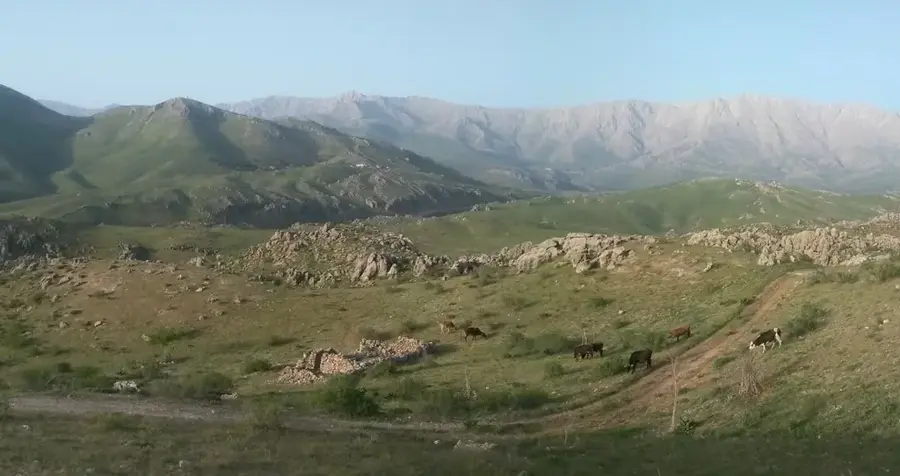
- Spring (April-May) is the best time to visit when the surrounding Zagros mountains are incredibly green.
- The region is predominantly Kurdish; knowing a simple Kurdish greeting can open many doors.
- Public transport outside the city is limited; hiring a private taxi (savari) is the most efficient way to see nearby valleys.
- Modest dress is required by law; ensure headscarves (for women) and long trousers (for men) are worn in public.
🍽 Food
A savory local dish made from sheep's liver and lungs fried with onions and spices, found in traditional eateries.
A delicious traditional local pastry often served with tea in local cafes.
Refreshing yogurt drink, especially good in this region with local mountain herbs added.
🛍 Shopping · 🧘 Quiet spots
The region is famous for embossed kilims (Gelim e Barjasteh); check local handicraft shops for authentic pieces.
High-quality, natural honey sourced from the Zagros mountains, available at the bazaar.
Traditional lightweight woven shoes, well-suited for summer, sold by local artisans in the market.
An impressive valley full of Judas trees (purple blossoms in spring) just outside the city for a peaceful hike.
A large pine forest on the edge of town, excellent for a quiet afternoon walk or picnic.
Water temperature…
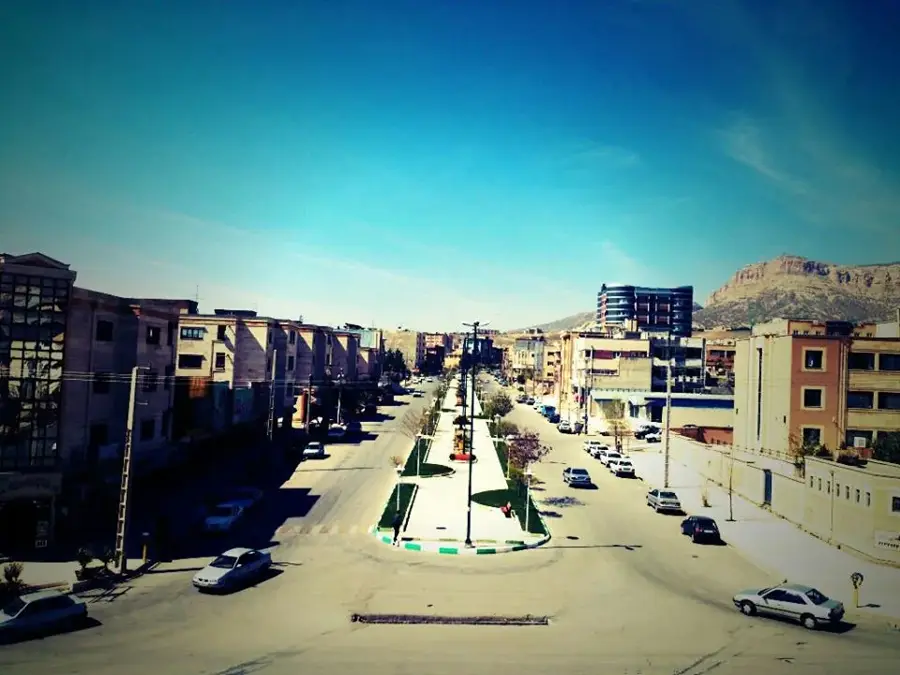
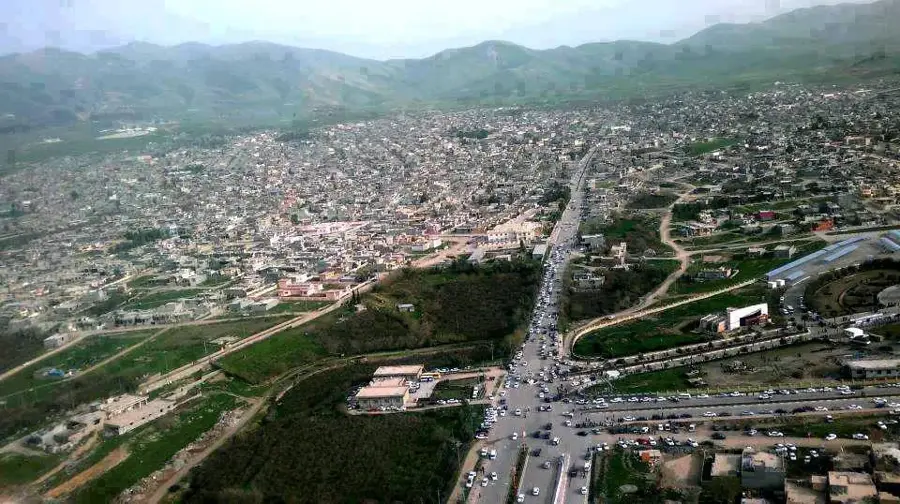
Ilam, the capital of Ilam Province in western Iran, is strategically positioned near the border with Iraq, set within the scenic valleys of the Zagros Mountain range. Situated at an elevation of approximately 1,319 meters, the city enjoys a Mediterranean-like climate, characterized by oak-forested mountains that provide a refreshing contrast to the arid central plateau of Iran. Historically, the area was part of the ancient Elamite Empire, an influential civilization that predated the Persian Empire, though the modern city landscape primarily reflects 20th-century urban planning. The population is predominantly Kurdish, and the local culture is bustling with traditional music, dance, and colorful attire that are showcased during festivals like Nowruz. Economically, Ilam is a powerhouse for Iran's energy sector, housing some of the country's largest natural gas reserves and significant oil fields, which drive local industrial growth. Agriculture also remains a vital part of the economy, with the region producing high-quality wheat, barley, and various mountain herbs. The city's landmarks include the Vali Castle, built during the Qajar era, which now functions as an anthropology museum highlighting the nomadic lifestyle of the region's tribes. Another notable site is the Siah-Gav Twin Lakes, located a drive away, which are unique natural phenomena in the province. The city underwent extensive reconstruction following the Iran-Iraq War, leading to improved infrastructure and the establishment of several higher education institutions, such as Ilam University. The social life in Ilam revolves around its bustling squares and parks, which become lively gathering spots in the evenings. The local cuisine features unique dishes like 'Bereshteh' and various meat-based stews that utilize locally sourced ingredients. As a gateway to the western borders, Ilam plays a crucial role in trade and transit, making it a key administrative and economic hub in western Iran.
- Location: Iran
- Top sights: Vali Castle · Manesht and Ghelarang Protected Area
- Population: ~140.940 (2017)
Best time to visit & climate
The most pleasant time to visit is Apr, May, Oct.
| Jan | Feb | Mar | Apr | May | Jun | Jul | Aug | Sep | Oct | Nov | Dec | |
|---|---|---|---|---|---|---|---|---|---|---|---|---|
| Avg °C | 6 | 7 | 12 | 17 | 23 | 29 | 32 | 32 | 28 | 22 | 13 | 8 |
| Rain mm | 65 | 60 | 60 | 50 | 15 | 0 | 2 | 1 | 2 | 28 | 56 | 49 |
Geography
Facts
- Ilam is located at an altitude of 1,319 meters in the Zagros range.
- The city is the capital of Ilam Province, bordering Iraq to the west.
- It is home to Ilam University, a major regional educational center.
- The Vali Castle was constructed in 1908 by the order of Gholam Reza Khan.
- Approximately 11% of Iran's natural gas reserves are located in this province.
- The city is surrounded by mountains like Manisht and Sivan.
- The majority of the inhabitants are Kurds who speak the Feyli dialect.
- The historical site of 'Tappe Kalak' dates back to the Iron Age.
Explore nearby
Notable places around
Route planner — Car & Motorhome
Where do you start? We build the route here, with stops and country notes along the way.
© OpenStreetMap contributors · OpenRouteService
Sights in the town Ilam (2)
Frequently asked questions
When is the best time to visit Ilam?
How many days should you plan for Ilam?
What local dish should you try in Ilam?
Is Ilam a family-friendly destination?
What is the best way to get to Ilam?
Ilam: where is it located?
Ilam: what is there to see?
Ilam: when is the best time to visit?
Ilam: why is it worth visiting?
