Plizio Visual Lab

Tchogha Zanbil
Plizio editorial teamData Sources
ruin
—°5
Tchogha Zanbil (Iran)

Weather…

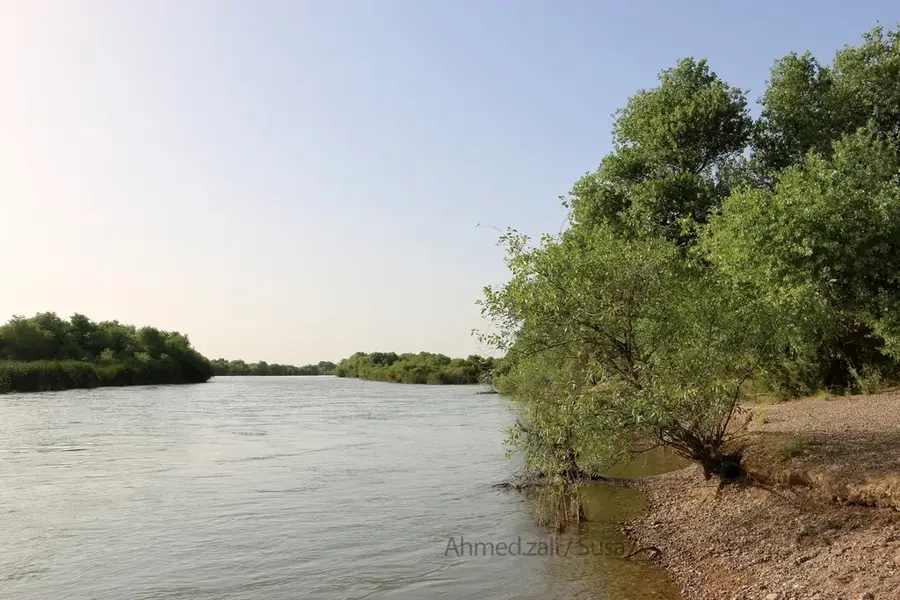
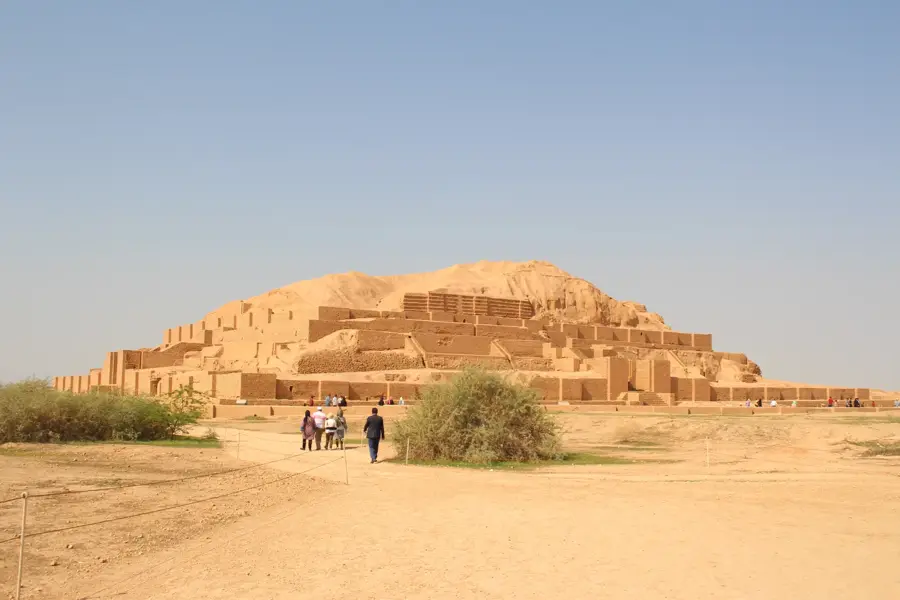
Tchogha Zanbil is an extraordinary remnant of the Elamite Empire and is widely considered the best-preserved ziggurat in the world. Built around 1250 BC by King Untash-Napirisha near the ancient city of Susa, it was originally intended as a grand religious center dedicated to the god Inshushinak. The massive brick structure once consisted of five tiers reaching a height of over 50 meters, though only about 25 meters remain standing today across two and a half levels. What makes it unique are the thousands of baked bricks inscribed with Elamite cuneiform, detailing the king's construction efforts and religious devotions. The surrounding city was protected by three concentric walls and featured a pioneering water management system that transported fresh water from the Karkheh River 45 kilometers away. Despite its partial destruction by the Assyrians in 640 BC, the core structure has endured for millennia. In 1979, Tchogha Zanbil was the first site in Iran to be designated a UNESCO World Heritage site.

Best time to visit & climate

The most pleasant time to visit is Mar, Apr, Nov.

JanFebMarAprMayJunJulAugSepOctNovDec
Avg °C121419253237393935292014
Rain mm4125292796501134250

📋 Practical info

🚪
Visiting
Visitors can explore the extensive archaeological ruins of this ancient Elamite ziggurat, walking around the monumental tiered structure. The interior of the monument is not typically accessible to preserve the fragile historical brickwork.
🕒
Typical hours
The historical site is usually open to tourists during regular daytime hours, from early morning until late afternoon. It is advisable to visit earlier in the day to avoid the intense midday heat of the surrounding Iranian province.
📷
Photography
Photography of the impressive exterior ruins and the surrounding desert landscape is generally permitted and highly recommended. Using a wide-angle lens can help capture the massive scale of the surviving ziggurat brick layers.
⏱️
Time needed
Most visitors typically spend between two and three hours exploring the main ziggurat complex and the nearby archaeological ancient remnants. A thorough walk around the outer walls and related temples requires a reasonably unhurried pace.
Combine with
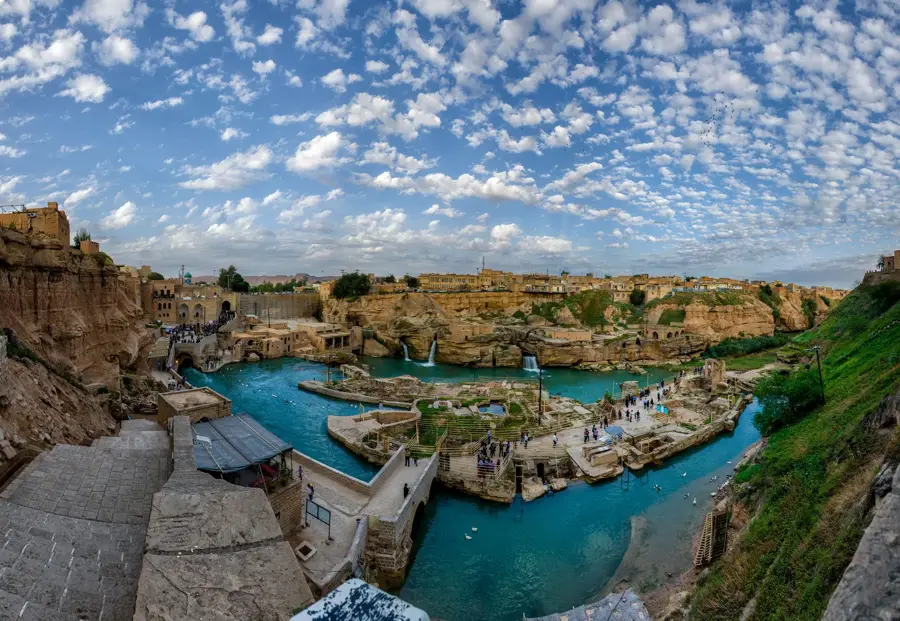
A trip here is frequently combined with a visit to the nearby historical city of Susa and the ancient water system of Shushtar. These combined regional destinations provide a comprehensive overview of the area's deep historical significance.
🧭
Getting there
The ruin complex is most easily reached by hiring a private taxi or joining an organized tour departing from Ahvaz, Shushtar, or Dezful. Public transportation directly to the archaeological site is virtually non-existent, making a dedicated vehicle essential.
💡
Insider tip
Ensure you bring an adequate supply of drinking water, a wide-brimmed hat, and strong sun protection, as the site features extremely limited shade. Wearing sturdy walking shoes is also crucial for navigating the dusty and uneven terrain surrounding the ziggurat.

Geography

Coordinates
32.01080, 48.52170

Facts

  • The base of the ziggurat is a square measuring 105 meters on each side.
  • Every tenth row of bricks contains an inscription in the Elamite language.
  • The structure's core is made of sun-dried mud bricks, while the exterior is baked brick.
  • A 45-km long canal was built to bring water to the site from the Karkheh River.
  • Ashurbanipal of Assyria sacked the city and the ziggurat in 640 BC.
  • Tchogha Zanbil was inscribed as a UNESCO World Heritage site in 1979.

Explore nearby

Notable places around
Route planner — Car & Motorhome

Where do you start? We build the route here, with stops and country notes along the way.

Vehicle
Only stops with (optional):

© OpenStreetMap contributors · OpenRouteService

Sights in the town Tchogha Zanbil (5)

Temple of Nusku🏺 historical

The remains of this Elamite temple in Chogha Zanbil were dedicated to the Mesopotamian god of light, Nusku.

Royal Gateway🏺 historical

This monumental ancient gate served as the main ceremonial entrance to the sacred precinct of Chogha Zanbil.

Palace III🏺 historical

The ruins of this 13th-century BC Elamite palace are located near the great ziggurat.

Chogha Zanbil📍 landmark

This UNESCO World Heritage site features a massive five-tiered ziggurat dating from the 13th century BC.

Dez National Park🌿 nature

This nature reserve along the Dez River protects the last remaining subtropical forests in the Khuzestan region.

Sights nearby

Frequently asked questions

What is Tchogha Zanbil?
It is one of the best-preserved ziggurats (stepped temples) in the world, built by the Elamite Empire.
Where is the site located?
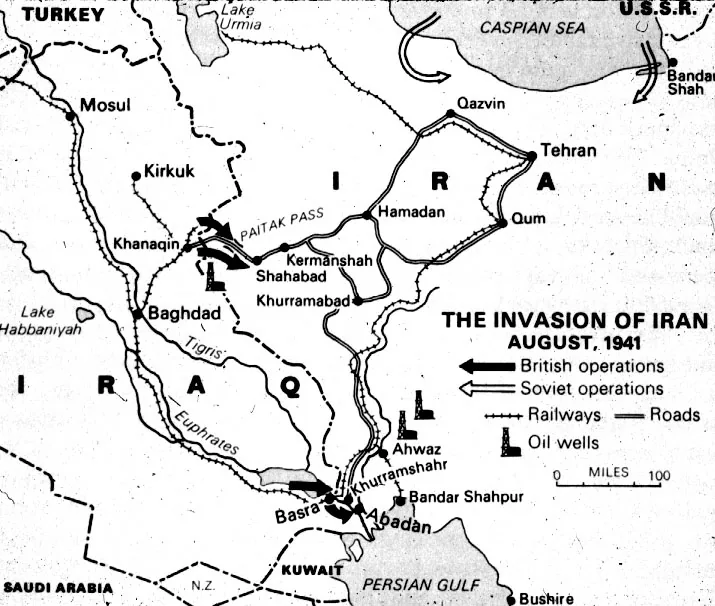
In Khuzestan province, about 40 km southeast of Susa; best reached by taxi or guided tour.
Are you allowed to climb the ziggurat?
No, climbing the structure is strictly forbidden to protect the ancient bricks.
Are there sanitary facilities?
There are simple toilets at the entrance, but no restaurants; bring sufficient provisions.
When should you visit Tchogha Zanbil?
In winter or early spring; the region is one of the hottest in Iran with extreme summer temperatures.
Tchogha Zanbil: where is it located?
Tchogha Zanbil is located in Iran.
Tchogha Zanbil: what is there to see?
Highlights include Temple of Nusku, Royal Gateway, Palace III.
Tchogha Zanbil: when is the best time to visit?
The most pleasant time to visit is Mar, Apr, Nov.
Tchogha Zanbil: why is it worth visiting?

Tchogha Zanbil is an extraordinary remnant of the Elamite Empire and is widely considered the best-preserved ziggurat in the world.
View on map → The Top 50 Attractions → OpenStreetMap →
Asia
Explore with Plizio Discover more places in Asia
More places in Iran →

More places