Plizio Visual Lab
Kermanshah
ℹ️Practical info — Kermanshah
▾
🌤 Weather — 5 days
📍 Nearby
Sights nearby
💡 Tips
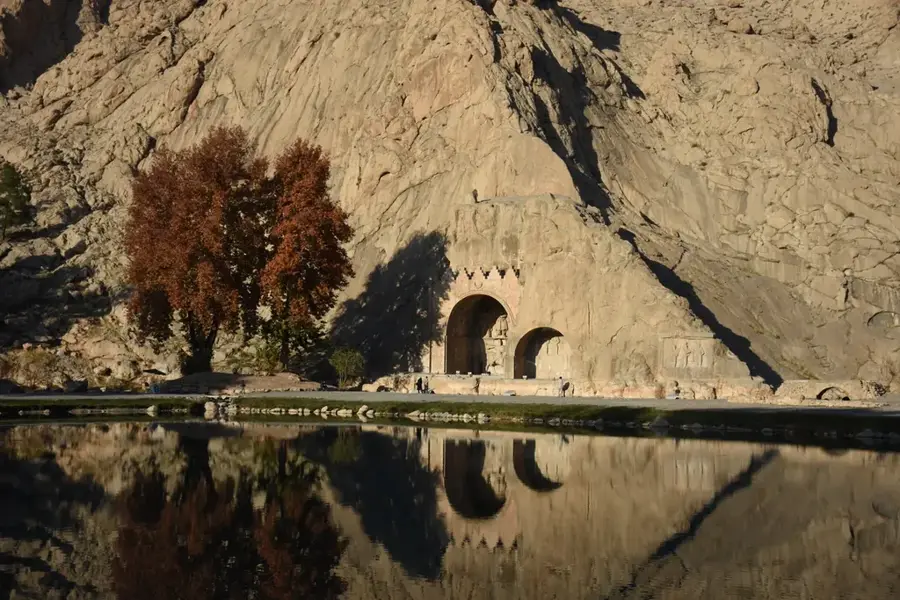
- The Taq-e Bostan rock reliefs are beautifully illuminated at night, making evening the best time to visit.
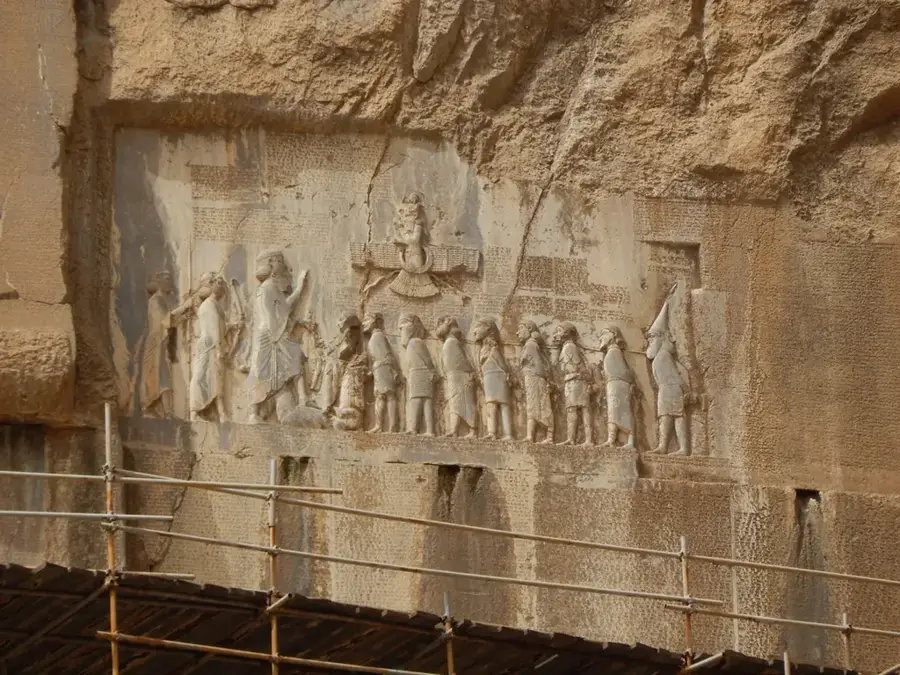
- Be prepared for a hike if visiting the Bisotun inscription; bring water and sun protection.
- Shared taxis (savari) are the most common way to travel between main squares.
- Try to learn a few words of Kurdish, as the local culture is predominantly Kurdish.
🍽 Food
Kermanshah-style rib kebab, best enjoyed at restaurants near Taq-e Bostan.
Almond and meat stew, served in traditional eateries in the city center.
Sweet rice cookies, widely available in specialized pastry shops.
🛍 Shopping · 🧘 Quiet spots
Explore this traditional market for Kurdish textiles, spices, and copperware.
Look for these handmade traditional cotton shoes in the old bazaar.
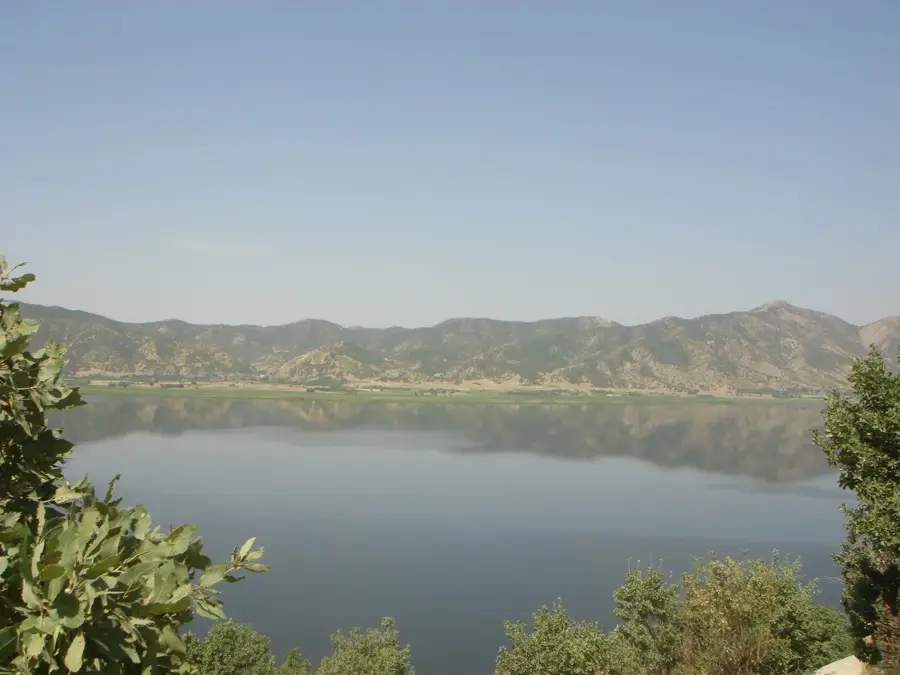
A peaceful lake filled with lotus flowers, located just outside the city.
Gives a calm environment and great views over the city of Kermanshah.
Water temperature…
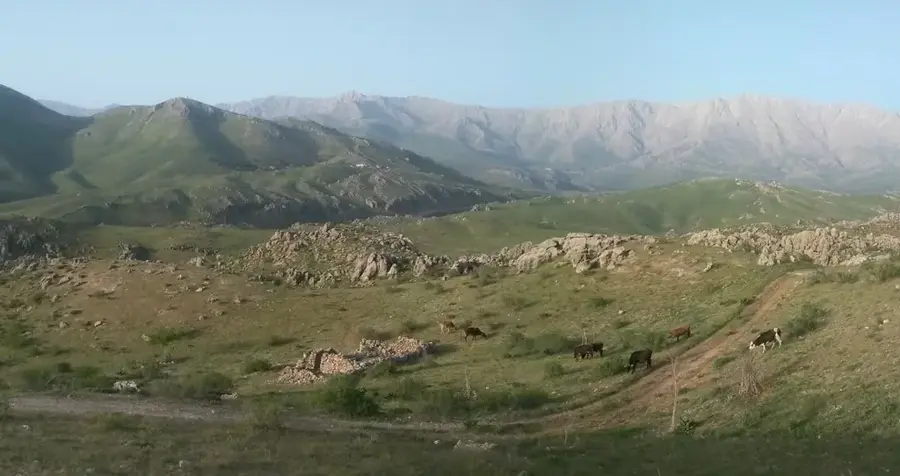
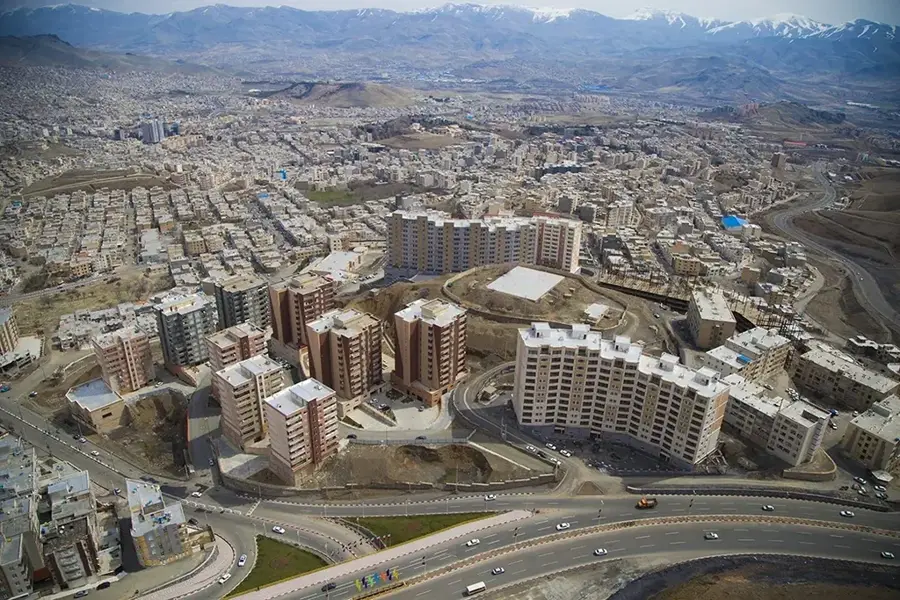
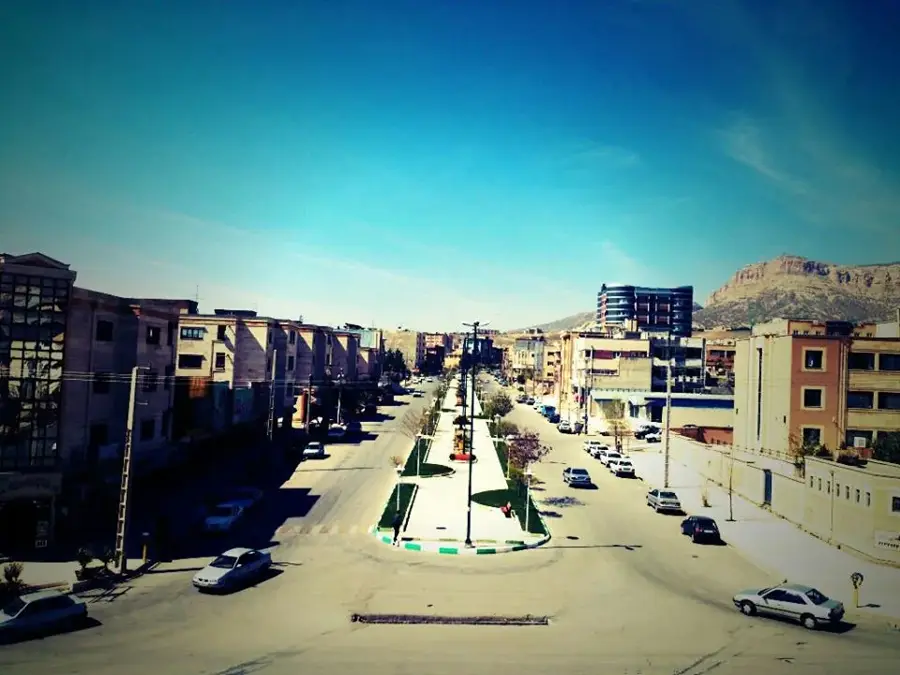
Kermanshah is a major metropolitan center in western Iran, acting as a historical and cultural bridge between the Iranian highlands and the Mesopotamian lowlands. Located along the ancient Silk Road, the city has been a vital trade hub for millennia, witnessing the rise and fall of empires from the Medes to the Safavids. The most significant historical site near Kermanshah is the Bisotun (Behistun) Inscription, a UNESCO World Heritage site featuring a massive rock relief commissioned by Darius the Great in 521 BC. In the northern part of the city lies Taq-e Bostan, an extraordinary site of Sassanid rock carvings situated next to a natural spring and a popular park. Kermanshah is the cultural heartland of Iran's Kurdish population, and the local identity is defined by lively music, traditional dances, and a rich linguistic heritage. The city's economy is highly diversified, supported by one of Iran's oldest oil refineries, a thriving petrochemical sector, and extensive agricultural processing of wheat and sugar beets. Kermanshah's climate is semi-arid with a Mediterranean influence, characterized by rainy winters and hot, dry summers. The local cuisine is a major draw, with 'Dandeh Kebab' being a national favorite, along with 'Khoresht-e Khalal', a unique almond and meat stew. The city is also a major educational hub, home to several prominent institutions such as Razi University and Kermanshah University of Medical Sciences. Following the devastation of the Iran-Iraq War, Kermanshah underwent significant redevelopment, resulting in modern urban infrastructure and a strategic railway link to the national network. The bustling Grand Bazaar remains a central part of city life, where artisans continue to produce traditional 'Giveh' shoes and fine pastries. As a gateway to the western borders, Kermanshah continues to play a pivotal role in regional trade and cultural exchange.
- Location: Iran
- Top sights: Zagros Paleolithic Museum · nojumi cemetery · Tekkiye Moaven-ol-Molk
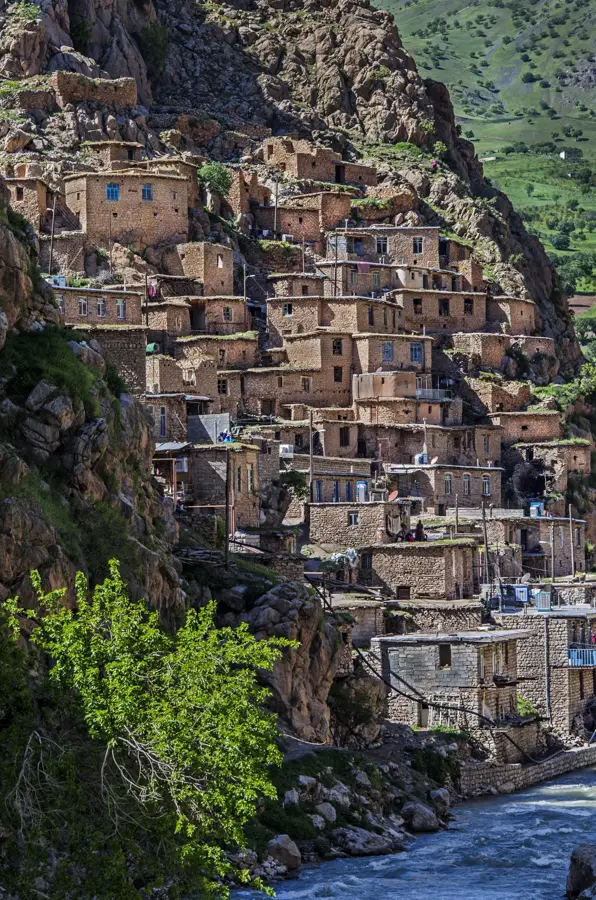
- Nearby: Palangan (76 km)
- Population: ~621.100 (2024)
Best time to visit & climate
The most pleasant time to visit is May, Jun, Sep.
| Jan | Feb | Mar | Apr | May | Jun | Jul | Aug | Sep | Oct | Nov | Dec | |
|---|---|---|---|---|---|---|---|---|---|---|---|---|
| Avg °C | 1 | 2 | 7 | 12 | 18 | 24 | 28 | 27 | 22 | 16 | 7 | 3 |
| Rain mm | 47 | 48 | 55 | 52 | 20 | 1 | 1 | 1 | 2 | 29 | 51 | 42 |
Geography
Facts
- Kermanshah was the capital of a vassal state during the Parthian era.
- The Bisotun mountain rises 1,200 meters above the surrounding plain.
- The city is a major center for Kurdish literature and publication in Iran.
- Dandeh Kebab, or rib kebab, is the city's signature culinary specialty.
- Kermanshah has an average of 300 sunny days per year.
- The city's historical bazaar was built during the Zand and Qajar periods.
- Razi University was founded in 1972 and is a top-tier science school.
- The Ghar-e-Doo-Ashkaft cave near the city shows signs of Neanderthal habitation.
Explore nearby
Notable places around
Route planner — Car & Motorhome
Where do you start? We build the route here, with stops and country notes along the way.
© OpenStreetMap contributors · OpenRouteService
Sights in the town Kermanshah (10)
Frequently asked questions
What is worth seeing in Kermanshah?
How long do you need there?
Is the climate pleasant?
What is the local food?
Are there guided tours?
Kermanshah: where is it located?
Kermanshah: what is there to see?
Kermanshah: when is the best time to visit?
Kermanshah: why is it worth visiting?

Nearby cities
More places