Plizio Visual Lab

Susa
Plizio editorial teamData Sources
ruin
—°5
Susa (Iran)

Weather…

Susa is one of the world's oldest continuously inhabited cities, representing an archaeological goldmine in Iran's Khuzestan province. Its history dates back to the 5th millennium BC, and it served as a vital center for the Elamite, Achaemenid, and Parthian empires. Under Darius the Great, Susa was transformed into a magnificent winter capital of the Achaemenid Empire, highlighted by the massive Apadana palace complex. The site gained global fame following the discovery of the Code of Hammurabi by French archaeologists in 1901, along with thousands of other significant artifacts. The archaeological zone consists of several distinct mounds, including the Acropolis and the Royal City, which preserve layers of human civilization spanning over six millennia. Susa is also historically significant in religious contexts, mentioned as Shushan in the biblical Book of Esther. In 2015, UNESCO recognized Susa as a World Heritage site for its profound contribution to understanding the development of early urban societies.

Best time to visit & climate

The most pleasant time to visit is Mar, Apr, Nov.

JanFebMarAprMayJunJulAugSepOctNovDec
Avg °C121419253237393935292014
Rain mm4125292796501134250

📋 Practical info

🚪
Visiting
Visitors can freely navigate the extensive archaeological mounds and explore the remains of different historical periods. The site includes the excavated foundations of ancient palaces, an imposing French-built archaeological castle, and a fascinating local museum.
🕒
Typical hours
The archaeological site and its accompanying museum generally observe standard daytime operating hours, opening in the morning and closing well before dusk. It is wise to avoid visiting during the peak midday heat, which can be particularly intense in this southern region.
📷
Photography
Photography is openly allowed across the outdoor excavation sites and around the exterior of the Shush Castle without any major restrictions. However, using flash or taking photos inside the on-site museum might be limited to perfectly preserve the delicate ancient artifacts.
⏱️
Time needed
A comprehensive tour of the ancient archaeological mounds, the prominent Shush Castle, and the on-site museum typically takes around two to three hours. Those with a deep interest in ancient Mesopotamian and Elamite history might want to allocate even more time.
Combine with
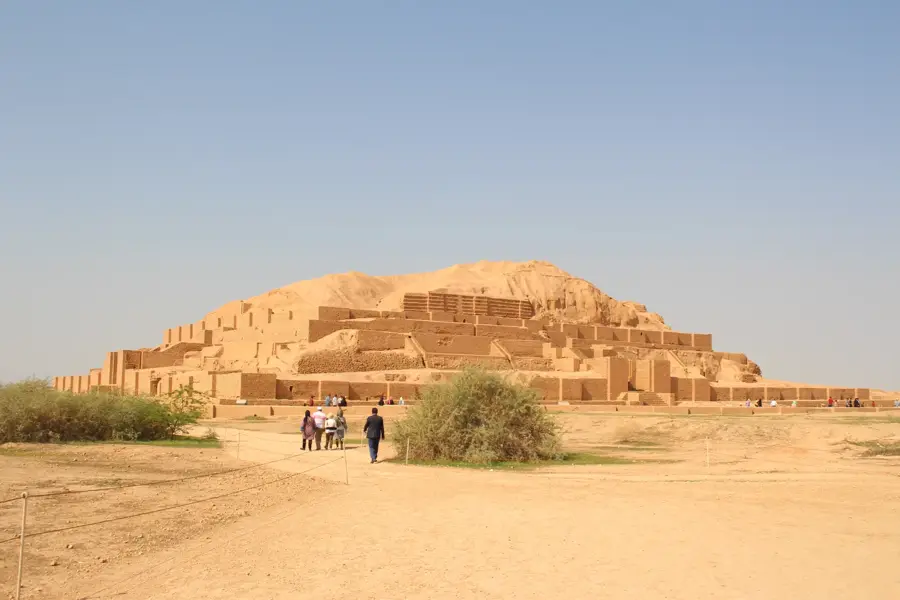
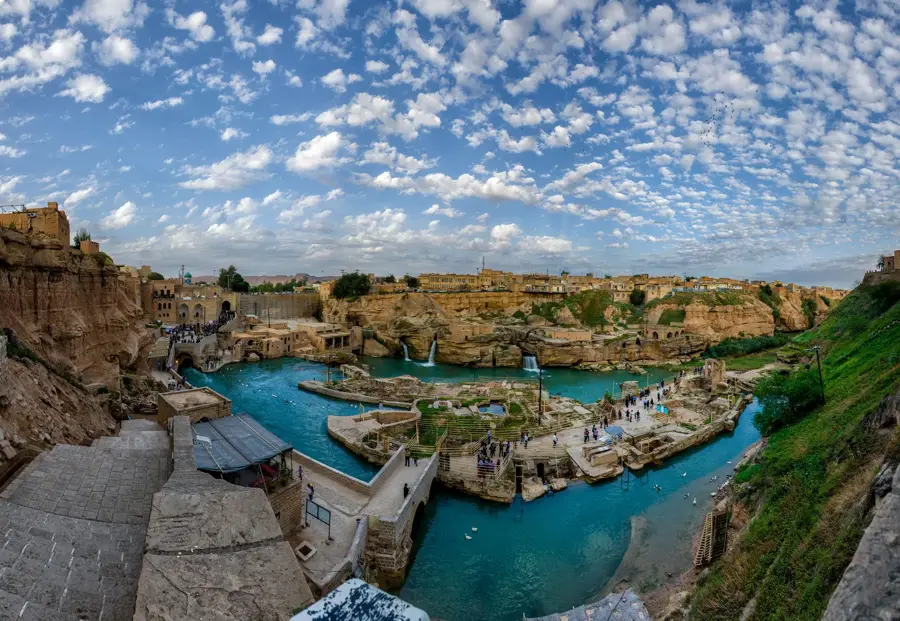
Susa is most frequently combined with a visit to the extraordinary ziggurat of Chogha Zanbil, located less than an hour's drive away. The fascinating historical hydraulic system of Shushtar is another remarkable nearby attraction that fits well into any regional itinerary.
🧭
Getting there
The ancient site is situated squarely within the modern city of Shush in the Khuzestan province, making it relatively easy to find. Most visitors arrive by car or bus from Ahvaz, the provincial capital, which is about a two-hour drive to the south of the ruins.
💡
Insider tip
This region is widely known for its extreme summer temperatures, so visiting during the cooler months from November to March is highly recommended. Hiring a knowledgeable local guide can immensely enrich the experience, as many ruins are currently little more than foundations.

Geography

Coordinates
32.18970, 48.25670

Facts

  • Susa was established as an organized urban center around 4200 BC.
  • Darius the Great's palace at Susa served as a blueprint for Persepolis.
  • The Code of Hammurabi was found here, having been moved as loot from Babylon.
  • The city is linked to the biblical figures of Daniel, Nehemiah, and Esther.
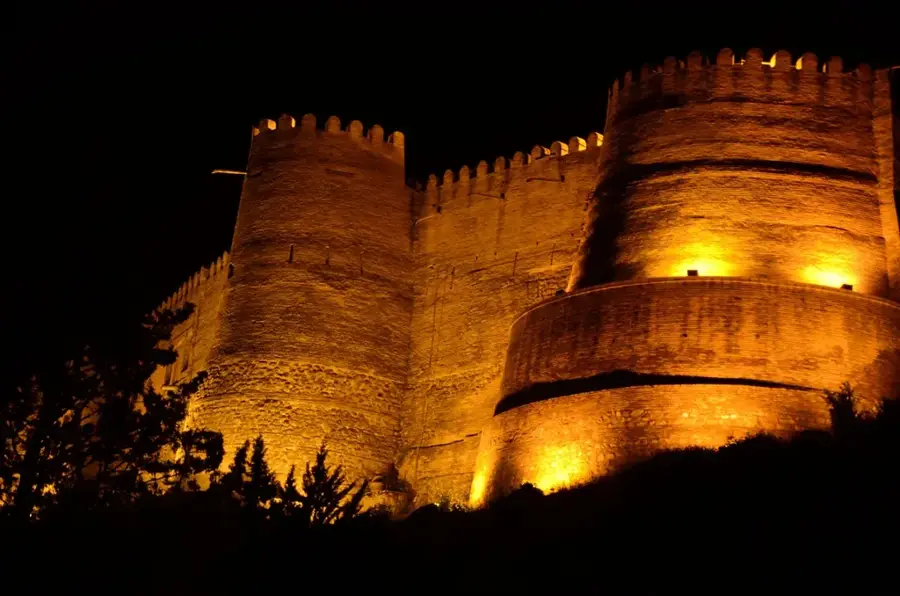
  • French archaeologists built a fortress on the site in the late 19th century.
  • UNESCO inscribed Susa as a World Heritage site on July 4, 2015.

Explore nearby

Notable places around
Route planner — Car & Motorhome

Where do you start? We build the route here, with stops and country notes along the way.

Vehicle
Only stops with (optional):

© OpenStreetMap contributors · OpenRouteService

Sights in the town Susa (5)

Fathol Mobin Area🏛 museum

This museum area commemorates the Fathol Mobin operation during the Iran-Iraq war.

Royal City🏺 historical

This UNESCO-protected area encompasses the ancient residential quarters of Elamite and Achaemenid royalty.

Shavar Palace (Ardashir II)📍 landmark

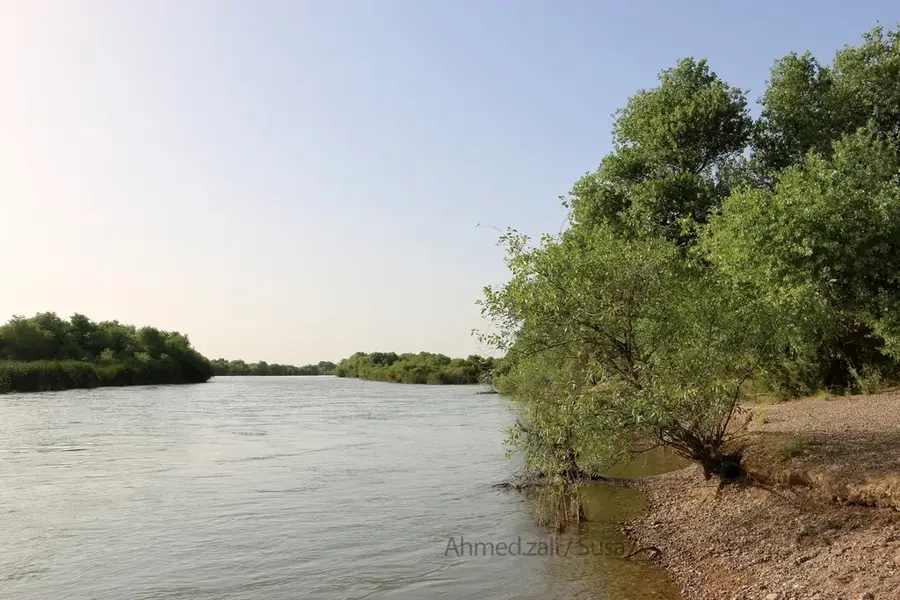
The ruins of this palace were built by the Achaemenid king Artaxerxes II on the banks of the Shavar River.

Susa Museum🏛 museum

This museum displays significant archaeological finds from the millennia-old history of the city of Susa.

Emam Hassan Mosque📍 landmark

A mosque in Susa named after Imam Hassan, serving as an important religious center.

Sights nearby

Frequently asked questions

What are the most important ruins in Susa?
The Apadana Palace of Darius the Great and the nearby Susa Castle.
When is the Susa Museum open?
Daily from 8:00 AM to 5:00 PM (until 7:00 PM in summer); it displays important finds from the region.
Where is the Tomb of the Prophet Daniel?
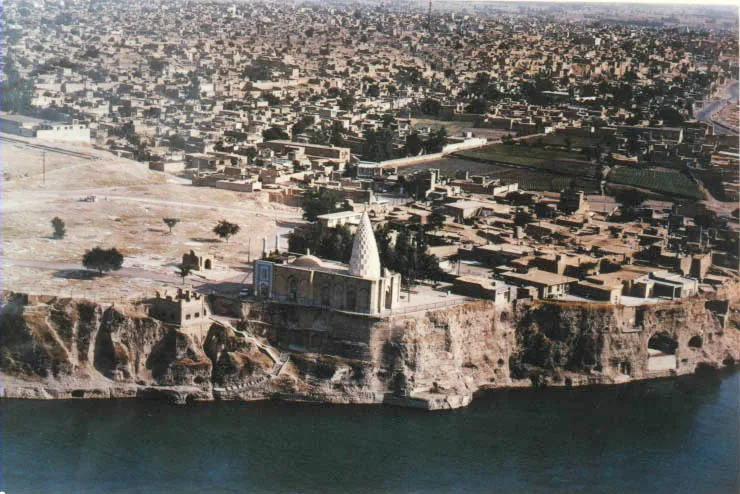
Very close to the ruins, known for its distinctive cone-shaped dome.
What is the Susa Castle?
A fortress built in the late 19th century by French archaeologists using ancient bricks.
What is the weather like in Susa?
Extremely hot in summer; visits should definitely be scheduled for the cooler months between October and April.
Susa: where is it located?
Susa is located in Iran.
Susa: what is there to see?
Highlights include Fathol Mobin Area, Royal City, Shavar Palace (Ardashir II).
Susa: when is the best time to visit?
The most pleasant time to visit is Mar, Apr, Nov.
Susa: why is it worth visiting?
Susa is one of the world's oldest continuously inhabited cities, representing an archaeological goldmine in Iran's Khuzestan province.
View on map → The Top 50 Attractions → OpenStreetMap →
Asia
Explore with Plizio Discover more places in Asia
More places in Iran →

More places