ACT Theatre Institute🎭 culture
A cultural center in Ahvaz dedicated to theatrical training and public performances.
🌐 instagram.com🕒 Sa-Fr 10:00-23:00
Plizio Visual Lab
Try this spicy southern Iranian fish stew in traditional restaurants along the river.
Head to the Lashkarabad neighborhood in the evening, famous for its bustling falafel stands.
Buy sweet, locally grown dates at the central markets for a great energy snack.
Explore this traditional market, the first-rate place to buy spices, nuts, and local handicrafts.
Visit this more modern district for clothing boutiques and air-conditioned shopping experiences.
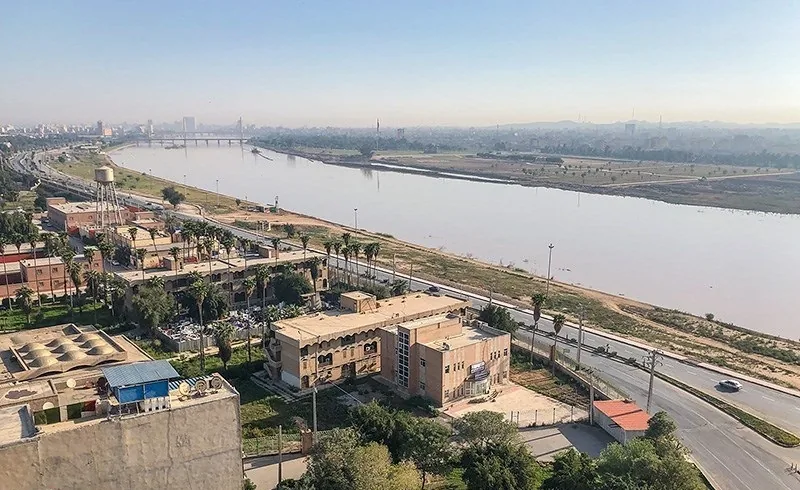
Take a peaceful walk along the longest and most voluminous river in Iran.
Seek out this green oasis in the heart of the city to rest in the shade of large trees.
Water temperature…
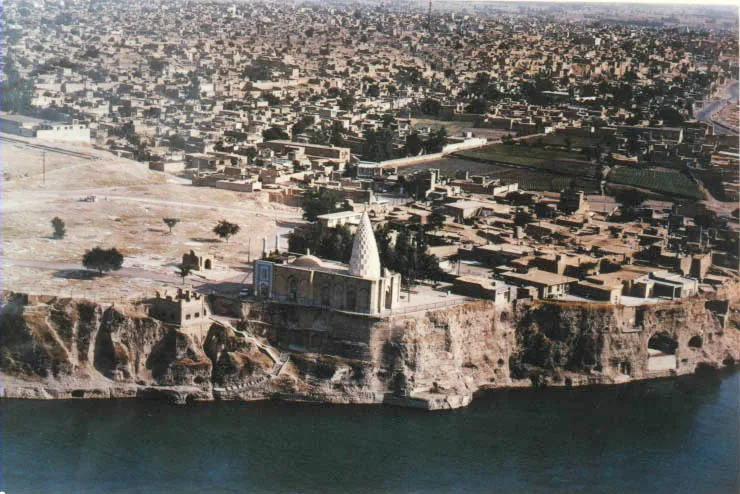
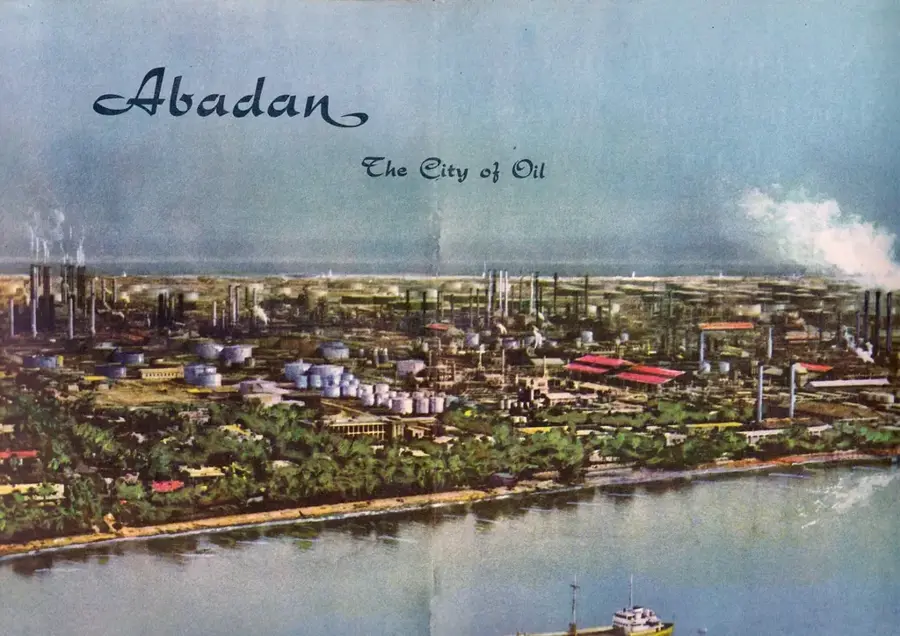
Ahvaz, the capital of Iran's Khuzestan Province, is a major industrial city situated on the banks of the Karun River in the southwestern part of the country. Known as the 'City of Bridges,' it features nine spans across the Karun, with the historic White Bridge (Pol-e Sefid) standing as its most enduring landmark. Ahvaz has deep historical roots dating back to the Elamite and Sassanid periods, although much of its modern growth is tied to the discovery of oil in the early 20th century. Today, it serves as the administrative and logistics hub for the National Iranian South Oil Company, making it vital to the nation's economy. The city's geography is defined by the flat Khuzestan plain, which experiences some of the highest temperatures on Earth during the summer months, often exceeding 50°C (122°F). Despite the harsh climate, Ahvaz is a melting pot of cultures, home to large populations of Persians, ethnic Arabs (Ahvazi Arabs), Lurs, and Bakhtiaris, creating a unique social tapestry reflected in the local markets and cuisine. The Shahid Chamran University of Ahvaz is a cornerstone of the city's intellectual life, particularly renowned for its engineering and petroleum science faculties. In recent years, Ahvaz has struggled with significant environmental issues, including severe air pollution and dust storms, which have prompted national and international concern. The city remains a critical node in Iran's transport network, with its international airport and railway connecting the industrial south to the capital, Tehran. Culturally, the riverfront is the heart of the city, where residents gather at dusk to escape the heat, showcasing the resilient and lively spirit of one of Iran's most diverse urban centers.
The most pleasant time to visit is Mar, Apr, Nov.
| Jan | Feb | Mar | Apr | May | Jun | Jul | Aug | Sep | Oct | Nov | Dec | |
|---|---|---|---|---|---|---|---|---|---|---|---|---|
| Avg °C | 12 | 15 | 20 | 26 | 33 | 38 | 40 | 39 | 35 | 29 | 20 | 14 |
| Rain mm | 36 | 19 | 21 | 17 | 6 | 7 | 5 | 0 | 0 | 10 | 35 | 42 |
Notable places around
Where do you start? We build the route here, with stops and country notes along the way.
© OpenStreetMap contributors · OpenRouteService
A cultural center in Ahvaz dedicated to theatrical training and public performances.