Plizio Visual Lab

Abadan Refinery
Plizio editorial teamData Sources
energy
—°4
Abadan Refinery (Iran)

Weather…

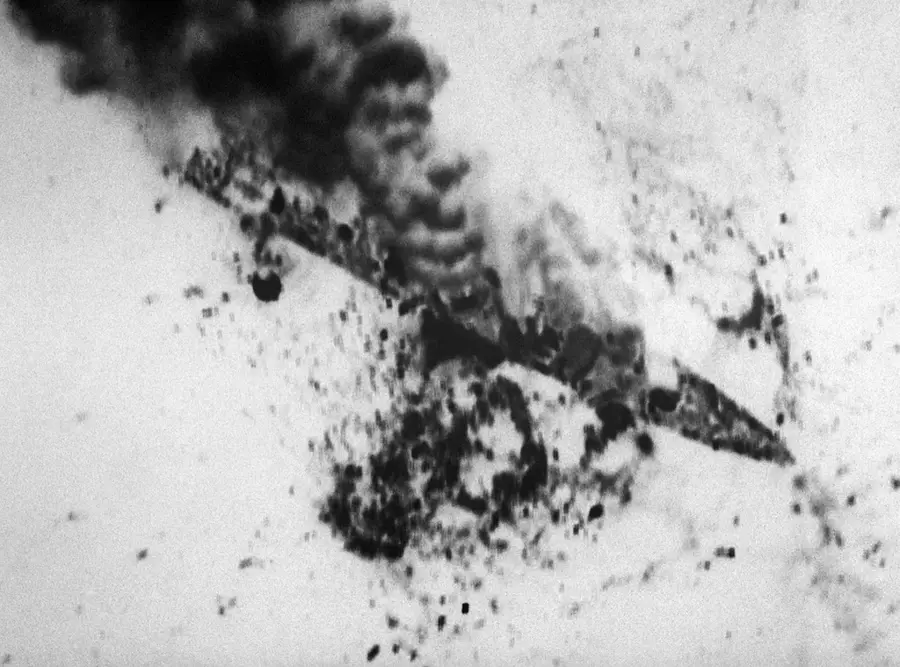
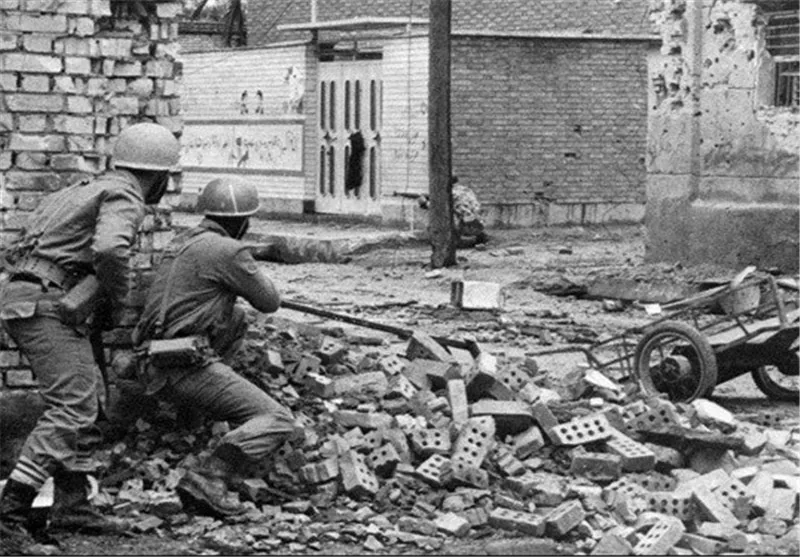
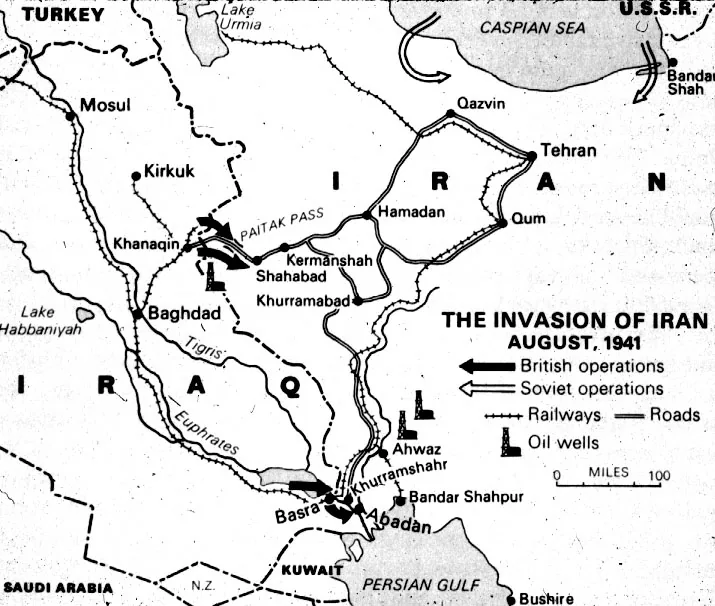
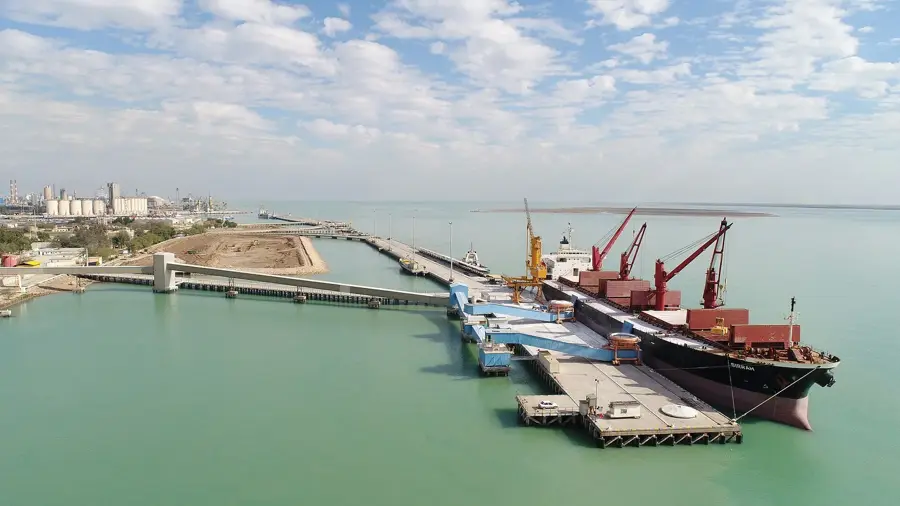
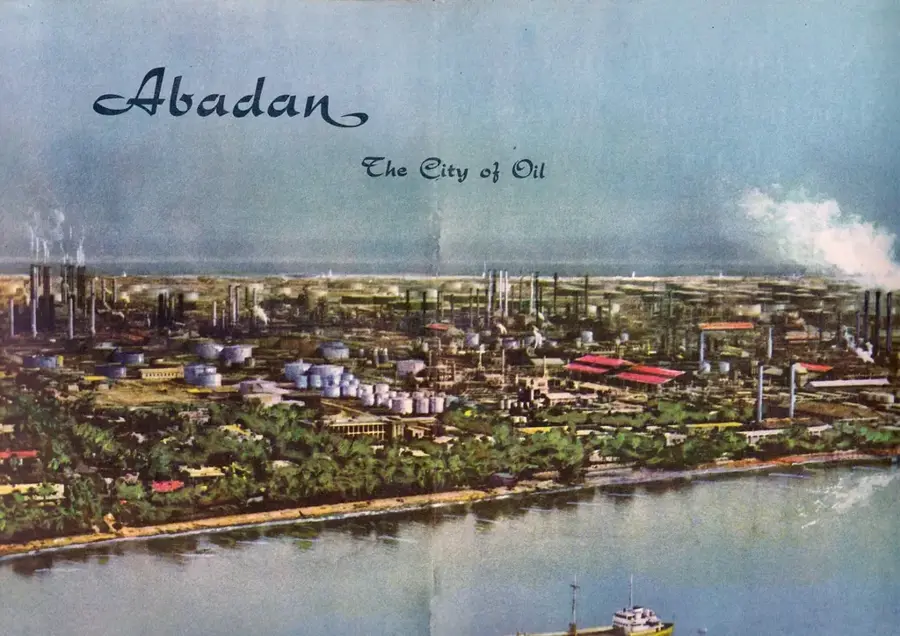
The Abadan Refinery, located in Khuzestan province, is one of the oldest and historically most significant industrial facilities in the Middle East. Completed in 1912 by the Anglo-Persian Oil Company, it was for a time in the 1950s the largest oil refinery in the world. The plant played a central role in the nationalization of the Iranian oil industry in 1951, a turning point in the country's modern political history. During the Iran-Iraq War (1980-1988), the refinery suffered extremely severe damage due to its direct location on the border and had to cease operations almost entirely. Following the war, it was rebuilt and modernized in several phases to meet the increasing domestic demand for fuels. Today, it produces a wide range of products, including gasoline, diesel, and kerosene, remaining an indispensable component of Iran's energy supply. The refinery is not only an economic factor but also a symbol of Iran's industrial heritage and national sovereignty.

Best time to visit & climate

The most pleasant time to visit is Mar, Apr, Nov.

JanFebMarAprMayJunJulAugSepOctNovDec
Avg °C131521263338393935292015
Rain mm281112113431062526

📋 Practical info

🏭
What is this place?
The Abadan Refinery stands as a monumental pillar of Iranian industrial history, having formerly held the title of the world's largest oil processing facility. It remains a crucial component of the national energy infrastructure and a symbol of modern industrialization.
🚪
Visiting
Due to strict national security protocols surrounding critical energy infrastructure, public tours of the active operational zones are strictly prohibited. Travelers can only witness the imposing flare stacks and vast piping networks from completely outside the perimeter.
👀
Where to view it
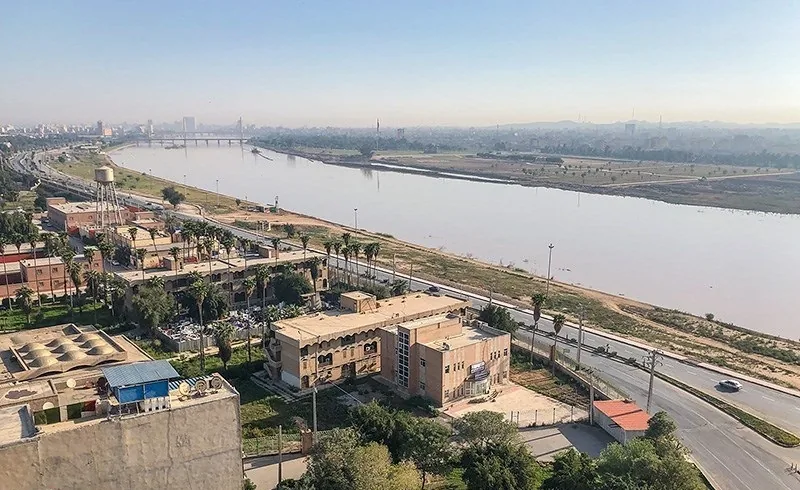
The most striking views of the massive industrial complex are available along the Arvand River banks or from adjacent urban avenues in Abadan. The towering metallic structures are especially dramatic during the evening hours when safety flares vividly illuminate the sky.
🧺
Local products
While the refinery itself does not sell retail goods, the surrounding bazaars in Abadan offer a wealth of regional dates, fresh seafood from the Persian Gulf, and traditional crafts. Local markets heavily reflect the diverse cultural influences of the port city.
📆
Active season
Industrial operations continue relentlessly throughout the year, but the surrounding urban areas are most pleasant to explore during the milder winter and early spring months. Summer daytime temperatures in Khuzestan can reach extreme, uncomfortable levels.
Nearby
Exploring the refinery's exterior pairs perfectly with visits to the Abadan Museum or boat trips along the strategic Shatt al-Arab waterway. Many tourists also include the ancient historical sites of nearby Ahvaz and Susa to round out a comprehensive regional tour.

Geography

Coordinates
30.34000, 48.29000

Facts

  • The refinery was originally built to process oil from Masjed Soleyman.
  • In the 1950s, it had a capacity of approximately 400,000 barrels per day.
  • The facility was the site of fierce fighting during the Siege of Abadan (1980).
  • Abadan was the first major oil refinery in the Middle East.
  • The plant has its own network of pipelines to the oil fields of Khuzestan.
  • Today, the refinery is being expanded with new units to increase gasoline quality.

Explore nearby

Notable places around

Route planner — Car & Motorhome

Where do you start? We build the route here, with stops and country notes along the way.

Vehicle
Only stops with (optional):

© OpenStreetMap contributors · OpenRouteService

Sights in the town Abadan Refinery (4)

Abadan Museum🏛 museum

The Abadan Museum displays a collection of regional archaeological artifacts and historical items documenting the city's rich past.

Abadan gasoline House Museum🏛 museum

Housed in Iran's very first gas station, this unique museum chronicles the extensive history of the local oil refining industry.

Musa ibn Jafar Mosque📍 landmark

The Musa ibn Jafar Mosque is a prominent Islamic worship center serving the bustling neighborhoods of the local refinery city.

Grand mosque of Abadan📍 landmark

The Grand Mosque of Abadan is a significant Islamic place of worship serving the religious community in the oil refinery city.

Sights nearby

Frequently asked questions

What is the historical significance of the Abadan refinery?
It was completed in 1912 and was at one time the largest oil refinery in the world.
Can you visit the Abadan refinery?
Direct visits to the facilities are not allowed, but there is an oil industry museum in Abadan.
How has the refinery shaped the city of Abadan?
Abadan developed into a modern city with Western influences and a strong industrial culture.
When is the best time to visit Abadan?
Winter and early spring are convenient, as summers are extremely hot.
Are there attractions nearby?
The Arvand riverfront promenade and local markets are very popular with visitors.
Abadan Refinery: where is it located?
Abadan Refinery is located in Iran.
Abadan Refinery: what is there to see?
Highlights include Abadan Museum, Abadan gasoline House Museum, Musa ibn Jafar Mosque.
Abadan Refinery: when is the best time to visit?
The most pleasant time to visit is Mar, Apr, Nov.
Abadan Refinery: why is it worth visiting?

The Abadan Refinery, located in Khuzestan province, is one of the oldest and historically most significant industrial facilities in the Middle East.
View on map → The Top 50 Attractions → OpenStreetMap →
Asia
Explore with Plizio Discover more places in Asia
More places in Iran →

Nearby cities

More places