Plizio Visual Lab
Thjorsarver Wetlands

Weather…
Water temperature…
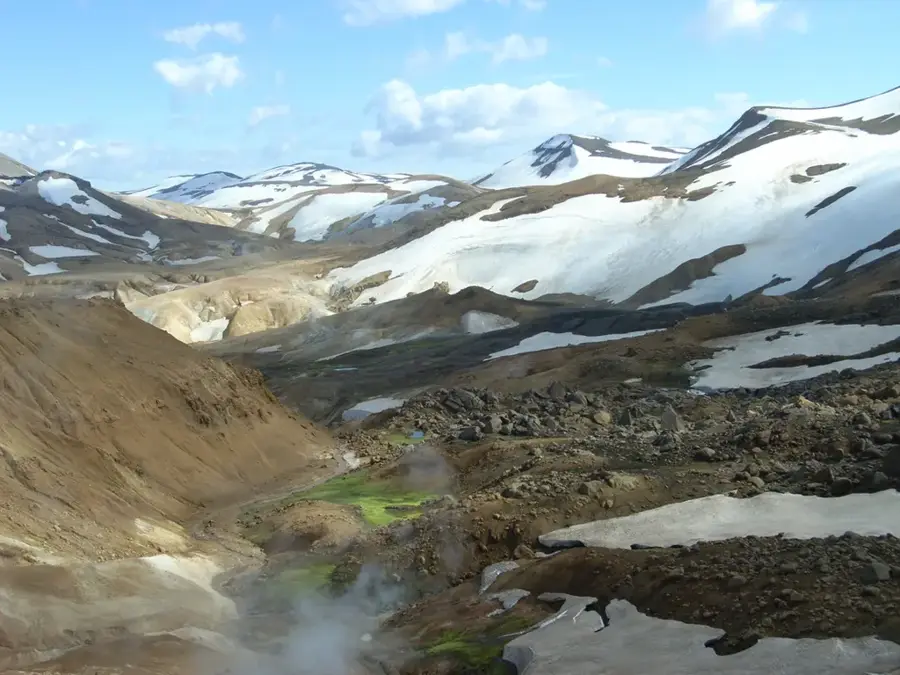
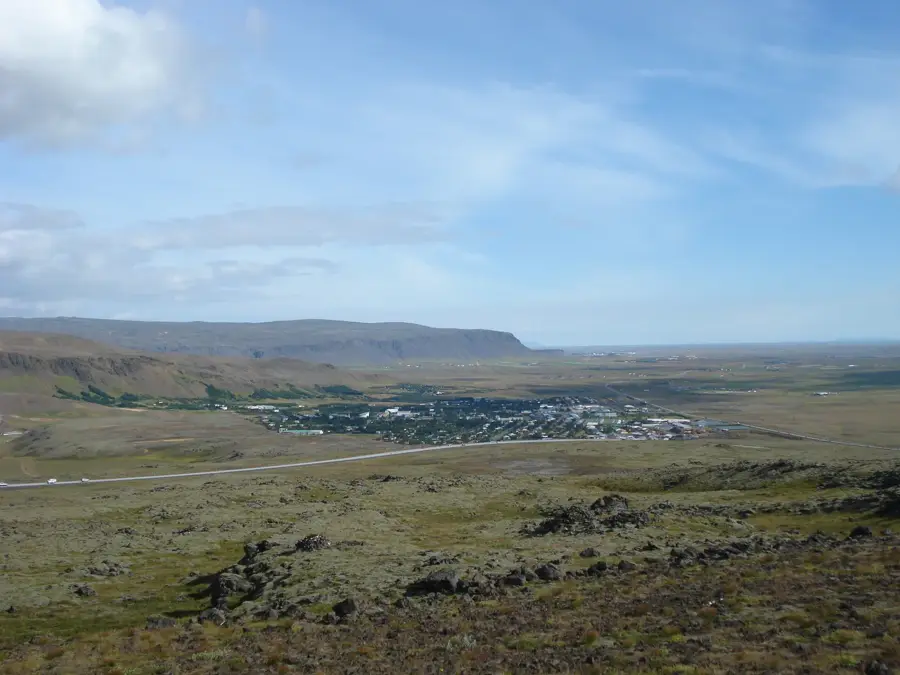
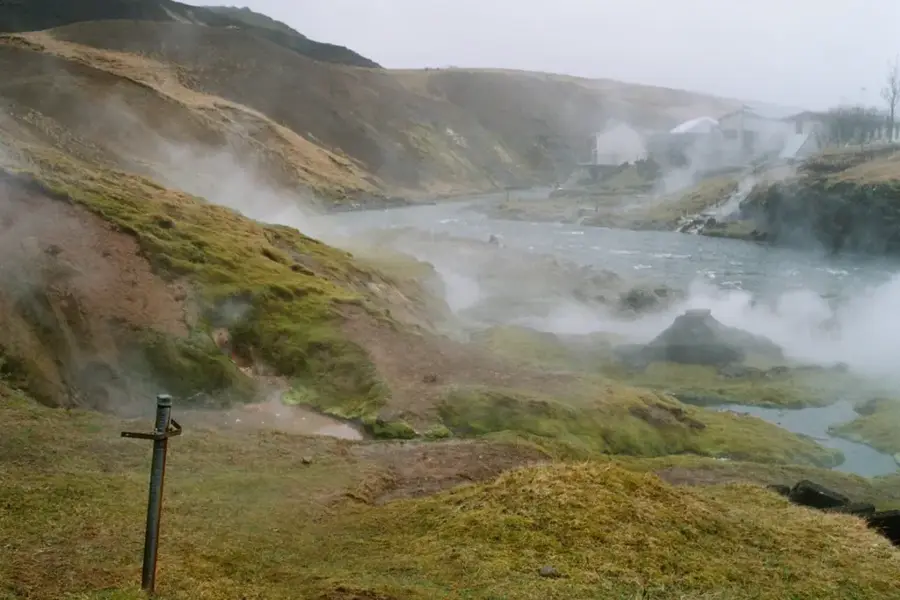
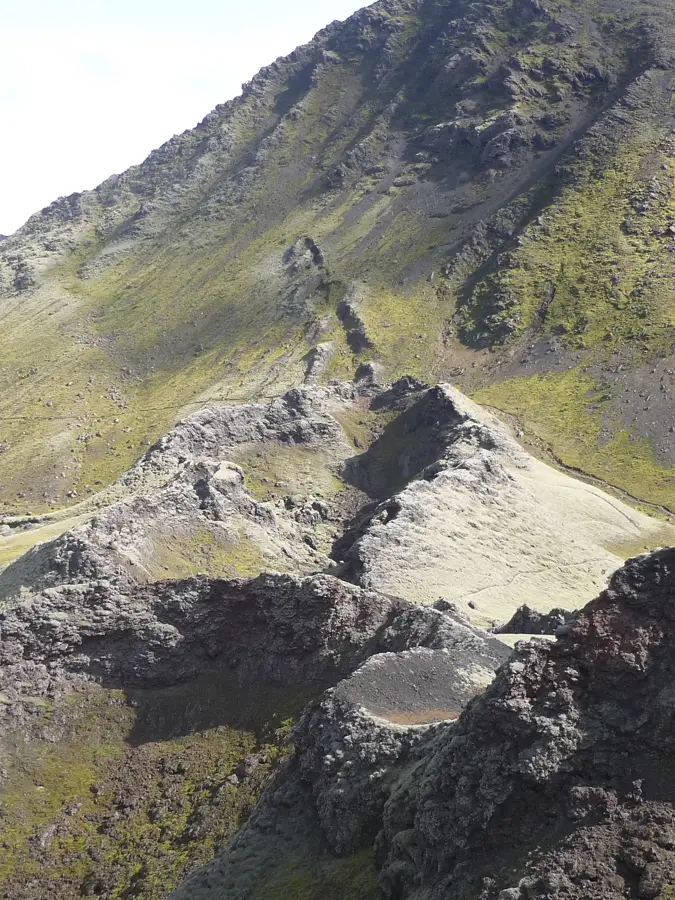
The Thjorsarver Wetlands, located in the central highlands of Iceland just south of the Hofsjökull glacier, represent one of the most significant ecological areas in the country. Spanning approximately 120 square kilometers, this vast tundra oasis is characterized by its unique permafrost mounds known as palsas and extensive river systems. It serves as the primary nesting ground for the pink-footed goose, hosting nearly 25% of the global population during the summer months. In 1990, the area was designated as a Ramsar site of international importance due to its fragile ecosystem and biodiversity. The region is strictly protected to preserve the delicate balance between the glacial runoff and the lush vegetation that supports various bird species. Scientific research continues to monitor the impact of climate change on the permafrost layers within the wetlands, which are crucial for maintaining the hydrological stability of the area.
- Location: Iceland
- Nearby: Landmannalaugar (69 km)
📋 Practical info
Geography
Facts
- Covers an area of approximately 120 square kilometers.
- Designated as a Ramsar site of international importance in 1990.
- Nesting site for 25% of the world's pink-footed geese.
- Features rare permafrost landforms known as palsas.
- Located at an average elevation of 600 meters above sea level.
- Fed primarily by glacial meltwater from the Hofsjökull glacier.
Explore nearby
Notable places around

Route planner — Car & Motorhome
Where do you start? We build the route here, with stops and country notes along the way.
© OpenStreetMap contributors · OpenRouteService
Sights nearby
Frequently asked questions
What makes Þjórsárver special?
Where is this area located?
Is a special car required?
When is the best time to visit?
Is there accommodation?
Thjorsarver Wetlands: where is it located?
Thjorsarver Wetlands: why is it worth visiting?

Nearby cities
History & landmarks
Nature
More places