Plizio Visual Lab
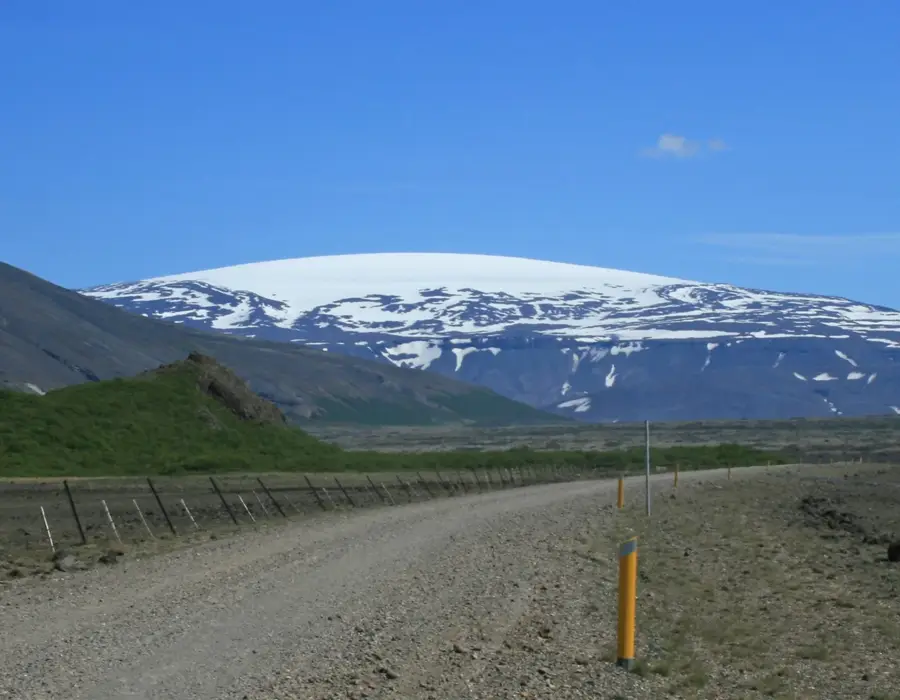
Hofsjökull
Weather…
Water temperature…
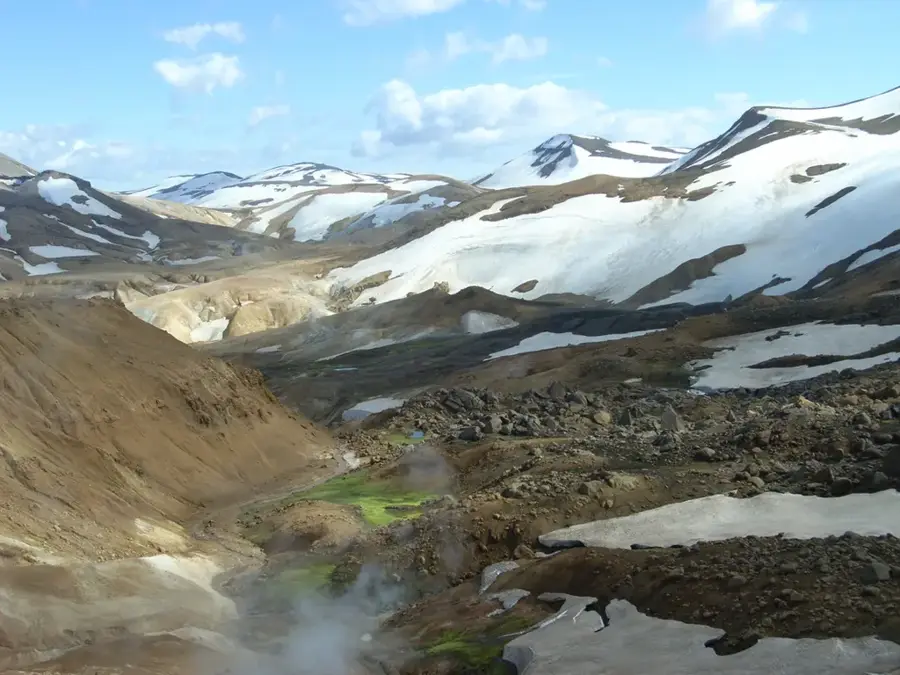
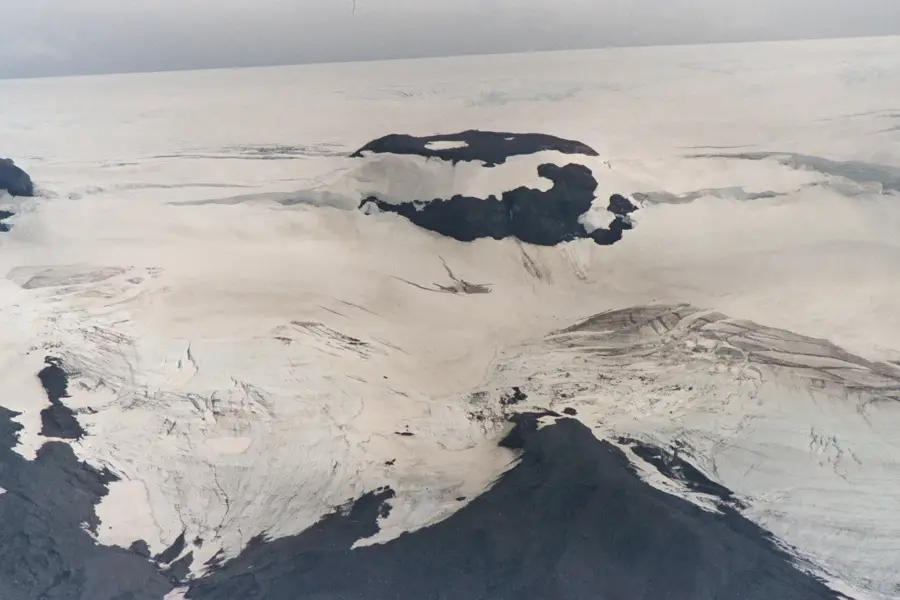
Hofsjökull is the third largest glacier in Iceland, located in the geographical center of the country within the uninhabited highlands. It covers an area of approximately 925 square kilometers and reaches a maximum elevation of 1,765 meters above sea level at its highest point. Geologically, a massive active shield volcano is concealed beneath the ice sheet, featuring a circular collapse caldera with a diameter of nearly 11 kilometers. The glacier serves as a critical freshwater reservoir and is the source for several major rivers, including the Þjórsá to the southeast and the Blanda to the north, highlighting its immense hydrological significance. Due to extreme weather conditions and the absence of infrastructure, the area is largely deserted and accessible only during the brief summer months via unpaved highland tracks such as Kjalvegur. Glaciologists monitor Hofsjökull intensively as it responds sensitively to climatic fluctuations, having recorded a steady loss of mass since the 1990s. Researching the interactions between subglacial volcanic forces and cryospheric dynamics provides valuable insights into the geological development of the entire North Atlantic island region.
Best time to visit & climate
The most pleasant time to visit is Jun–Aug.
| Jan | Feb | Mar | Apr | May | Jun | Jul | Aug | Sep | Oct | Nov | Dec | |
|---|---|---|---|---|---|---|---|---|---|---|---|---|
| Avg °C | -7 | -7 | -7 | -4 | -1 | 3 | 4 | 4 | 1 | -3 | -6 | -7 |
| Rain mm | 93 | 84 | 87 | 75 | 66 | 58 | 81 | 78 | 105 | 96 | 92 | 98 |
📋 Practical info
Geography
Facts
- Covers about 925 km², making it Iceland's third largest glacier.
- Peak elevation reaches 1,765 meters above sea level.
- Contains a subglacial shield volcano with an 11 km caldera.
- Primary source of the Þjórsá, Iceland's longest river.
- Accessible only in summer via the Kjalvegur highland route.
- Documented steady mass loss since the beginning of the 1990s.
Explore nearby
Notable places around

Route planner — Car & Motorhome
Where do you start? We build the route here, with stops and country notes along the way.
© OpenStreetMap contributors · OpenRouteService
Sights nearby
Frequently asked questions
What is Hofsjökull?
How can you reach Hofsjökull?
What is its natural significance?
Is there tourist infrastructure there?
Can you go hiking there?
Hofsjökull: where is it located?
Hofsjökull: when is the best time to visit?
Hofsjökull: why is it worth visiting?

Nearby cities
History & landmarks
Nature
More places