Plizio Visual Lab

Langjökull
Plizio editorial teamData Sources
Mountain
—°
Langjökull (Iceland)

Weather…

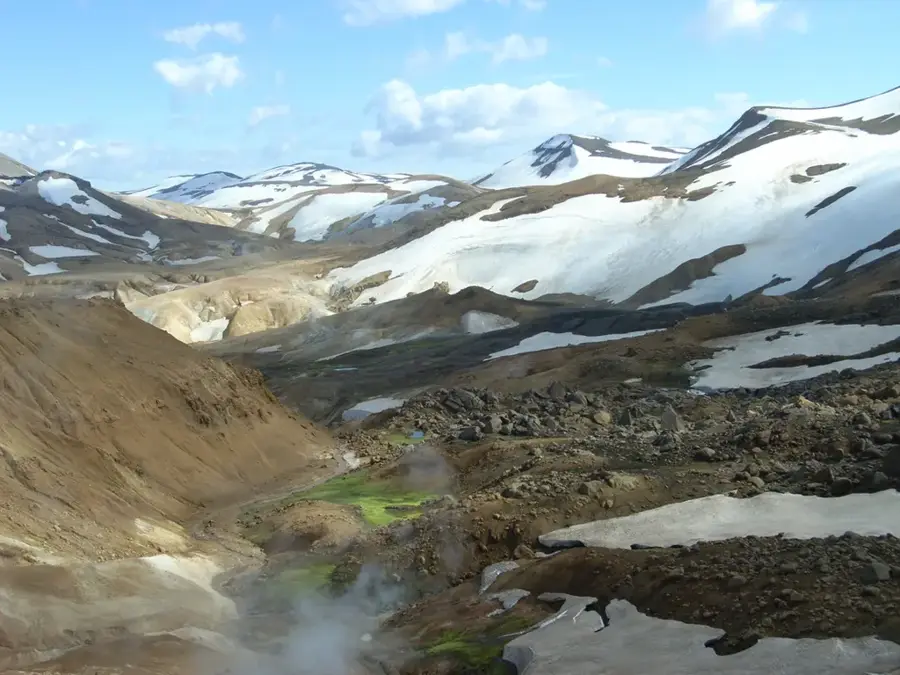
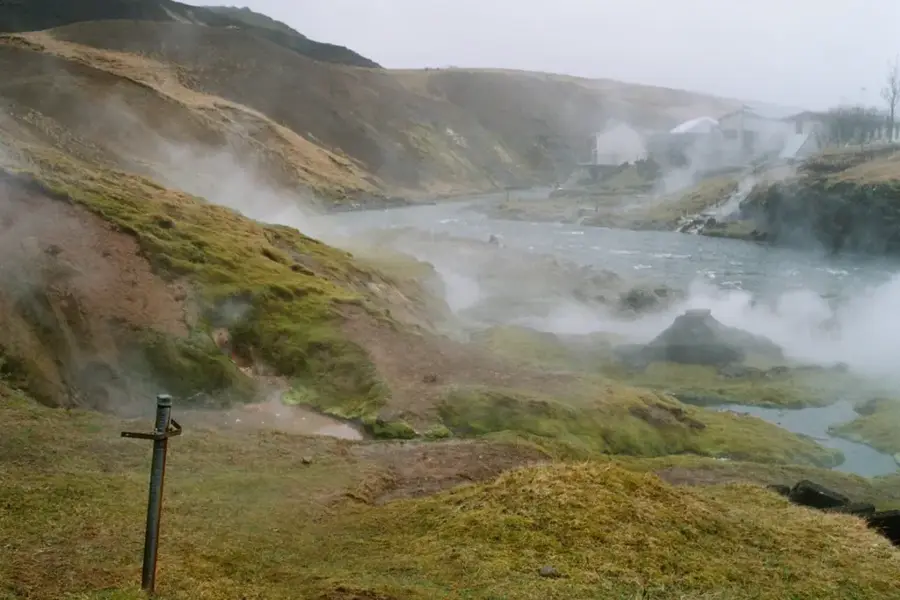
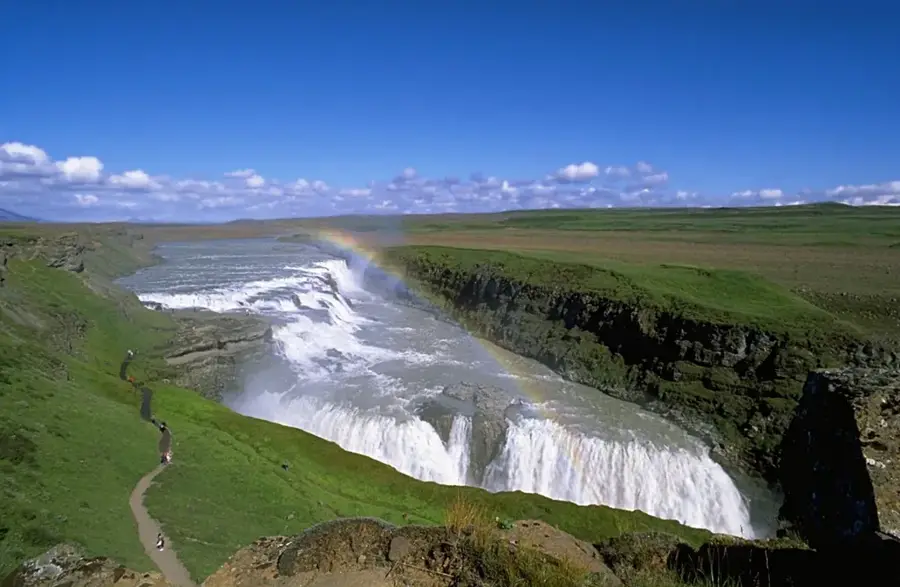
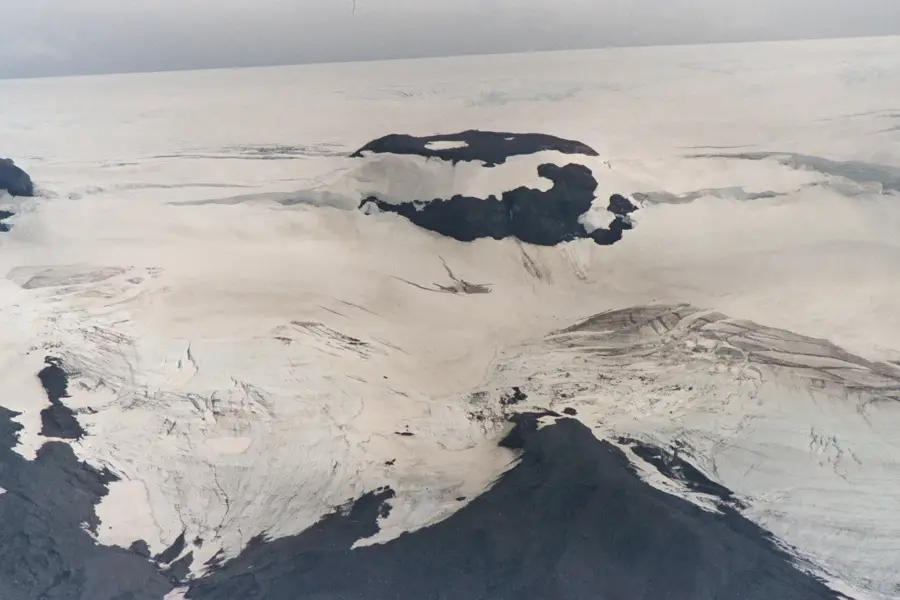
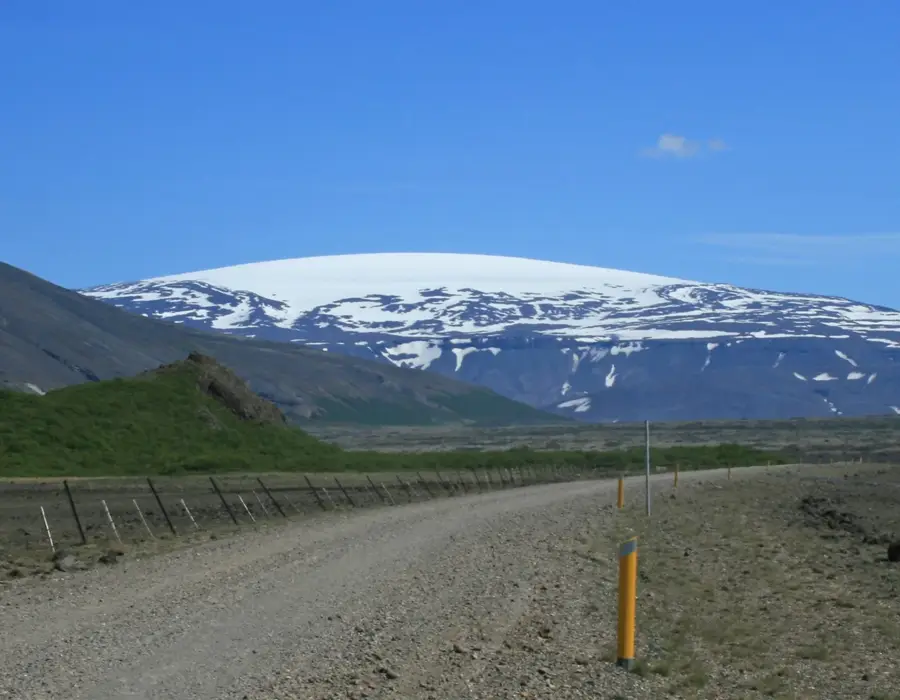
Langjökull is the second largest glacier in Iceland, spanning an area of approximately 950 square kilometers in the western part of the central highlands. Its name translates to 'long glacier', reflecting its elongated shape of about 50 kilometers in length and up to 20 kilometers in width. Beneath the ice cover, there are at least two active volcanic systems, with the Hveravellir area to the east being famous for its geothermal activity. The glacier's highest elevation is around 1,450 meters above sea level at the Péturshorn peak. Langjökull is a significant destination for tourism, particularly known for its man-made ice tunnels that allow visitors to see the interior of the glacier. Meltwaters from the glacier feed important rivers such as the Hvítá, which creates the world-famous Gullfoss waterfall. Scientific studies warn that Langjökull could completely disappear within the next 150 years due to global warming. Monitoring its mass balance is therefore a key component of Icelandic climate research.

Best time to visit & climate

The most pleasant time to visit is Jun–Aug.

JanFebMarAprMayJunJulAugSepOctNovDec
Avg °C-6-6-5-215863-1-5-6
Rain mm12911811710281739897138121118133

📋 Practical info

🧭
Getting there
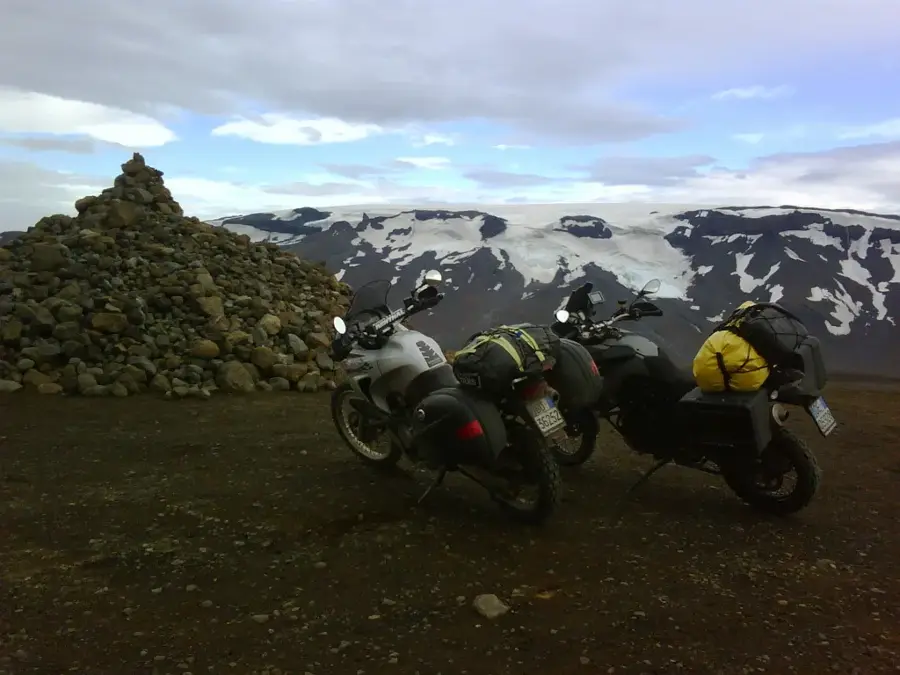
The massive glacier can be approached from several directions, typically via highland tracks branching off the Golden Circle or from the west. Driving onto the ice itself is strictly prohibited for standard rentals and requires a guided super-jeep tour.
📅
Best season
Snowmobile tours and modified vehicle excursions onto the ice cap operate year-round, adapting to the shifting weather patterns. The surrounding gravel access roads are generally clear of snow during the summer months for independent arrival at basecamps.
⛰️
Terrain & paths
The environment is defined by an immense, seemingly endless expanse of solid ice and hard-packed snow covering a mountainous base. Deep, extremely dangerous crevasses form across the glacier surface, particularly near the edges where the ice is actively moving.
🎒
What to bring
Tour operators will universally provide heavy snowsuits, insulated gloves, and helmets for any snowmobile or ice cave excursions. Underneath, visitors should wear thick thermal layers, sturdy winter boots, and protective sunglasses to combat snow blindness.
🅿️
Parking
Independent travelers generally park at designated gravel staging areas located at the very edge of the glacier or near the highland F-roads. From these specific meeting points, visitors are transferred to massive specialized vehicles for the slow ascent.
⚠️
Safety
Venturing onto a live glacier without expert local knowledge is exceptionally dangerous due to deeply hidden crevasses bridged by fragile snow. Always remain strictly within the designated tracks and closely follow the instructions of your professional guides.
⏱️
Time needed
A typical guided excursion, whether exploring a carved ice cave or snowmobiling across the vast white expanse, lasts around three to four hours. Factor in additional driving time from Reykjavík or nearby western towns, which often turns this into a full-day event.

Geography

Coordinates
64.75000, -20.00000

Facts

  • Covers about 950 km², second only to Vatnajökull in size.
  • Measures roughly 50 km long and up to 20 km wide.
  • Associated with the active Hveravellir geothermal area.
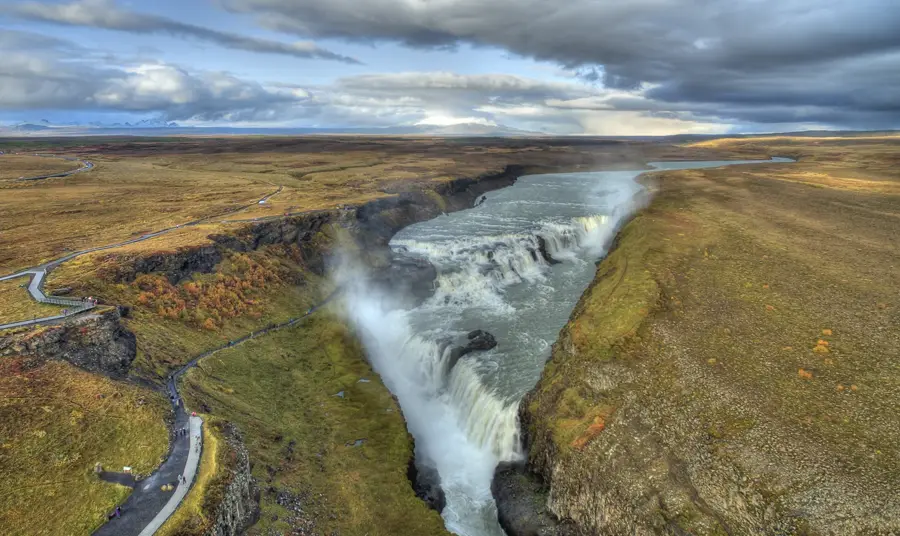
  • Feeds the Hvítá river, which flows into Gullfoss waterfall.
  • Home to man-made ice tunnels for tourism and research.
  • Predicted to disappear entirely within the next 150 years.

Explore nearby

Notable places around
Route planner — Car & Motorhome

Where do you start? We build the route here, with stops and country notes along the way.

Vehicle
Only stops with (optional):

© OpenStreetMap contributors · OpenRouteService

Sights nearby

Frequently asked questions

Why is Langjökull so popular?
It is the second largest glacier and the most easily accessible from Reykjavík.
What is the 'Into the Glacier' project?
A man-made ice tunnel that allows visitors to explore the inside of the glacier.
What kind of tours start here?
Snowmobile tours and excursions in massive 8x8 glacier trucks are very popular here.
What does the name mean?
'Langjökull' translates to 'Long Glacier' in English.
Can you ski there?
There are no ski lifts, but ski touring is possible for professionals.
Langjökull: where is it located?
Langjökull is located in Iceland.
Langjökull: when is the best time to visit?
The most pleasant time to visit is Jun, Aug.
Langjökull: why is it worth visiting?
Langjökull is the second largest glacier in Iceland, spanning an area of approximately 950 square kilometers in the western part of the central highlands.
View on map → The Top 50 Attractions → OpenStreetMap →
Europe
Explore with Plizio Discover more places in Europe
More places in Iceland →

Nearby cities

History & landmarks
Nature

More places