Plizio Visual Lab

Zala River
Plizio editorial teamData Sources
River
—°2
Zala River (Hungary)

Weather…

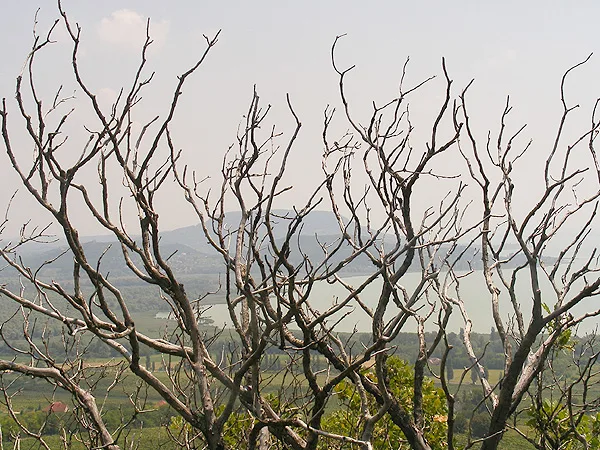
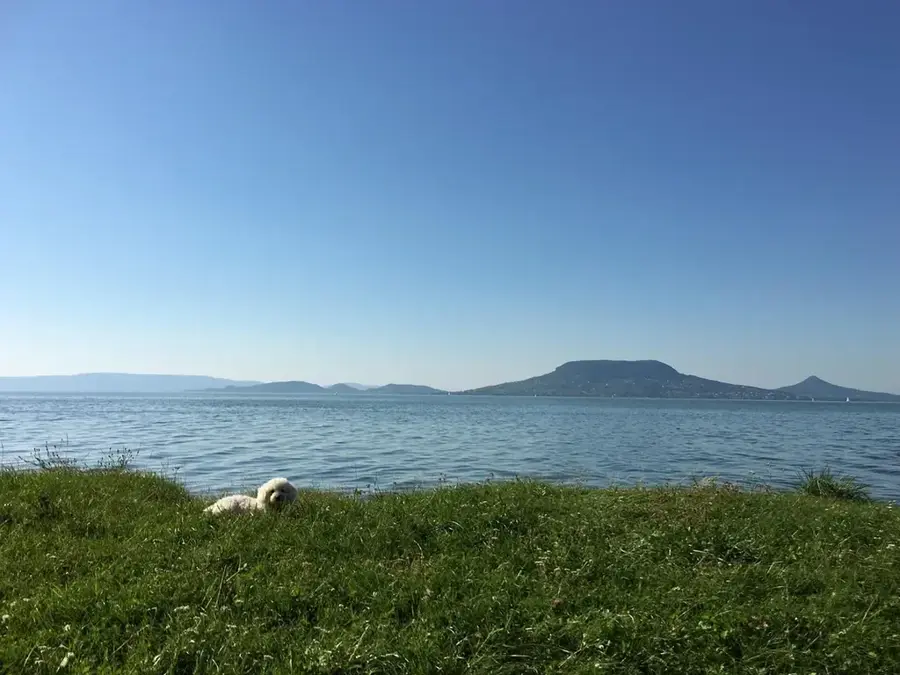
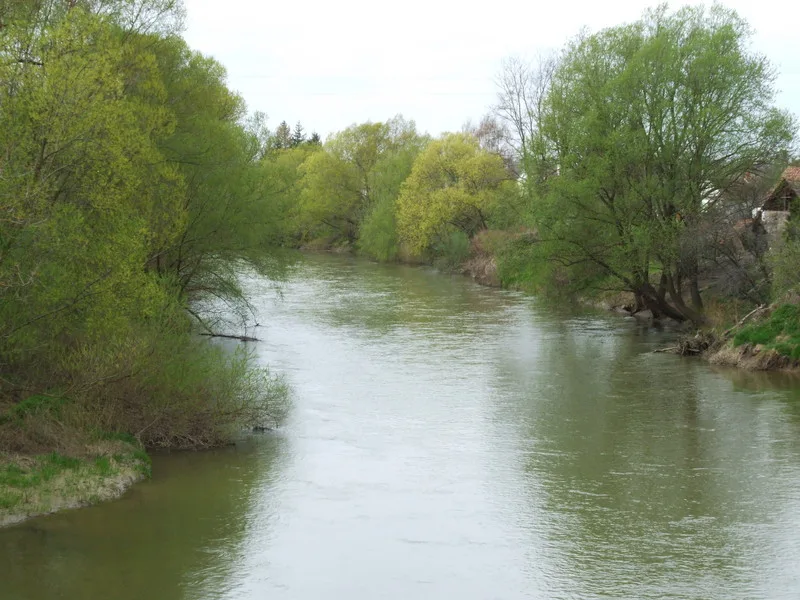
The Zala River is one of the most significant watercourses in Western Hungary, stretching 126 kilometers from its source to its mouth. It originates in the hills of the Őrség region, near the Austrian border, and flows eastward across Zala County, passing through major settlements like Zalaegerszeg. Its drainage basin covers approximately 2,622 square kilometers, making it the primary inflow for Lake Balaton. The river's most vital ecological function occurs at its mouth, where it passes through the Kis-Balaton (Little Balaton) wetland system. This area serves as a natural bio-filter, trapping sediments and excess nutrients before they can enter the main lake, thus ensuring the water quality of Central Europe's largest freshwater reservoir. The average discharge at the confluence with the lake is 6 cubic meters per second, fluctuating with seasonal rainfall.

Best time to visit & climate

The most pleasant time to visit is Jun–Aug.

JanFebMarAprMayJunJulAugSepOctNovDec
Avg °C-1151116212322171150
Rain mm344141397177717274564942

📋 Practical info

🧭
Getting there
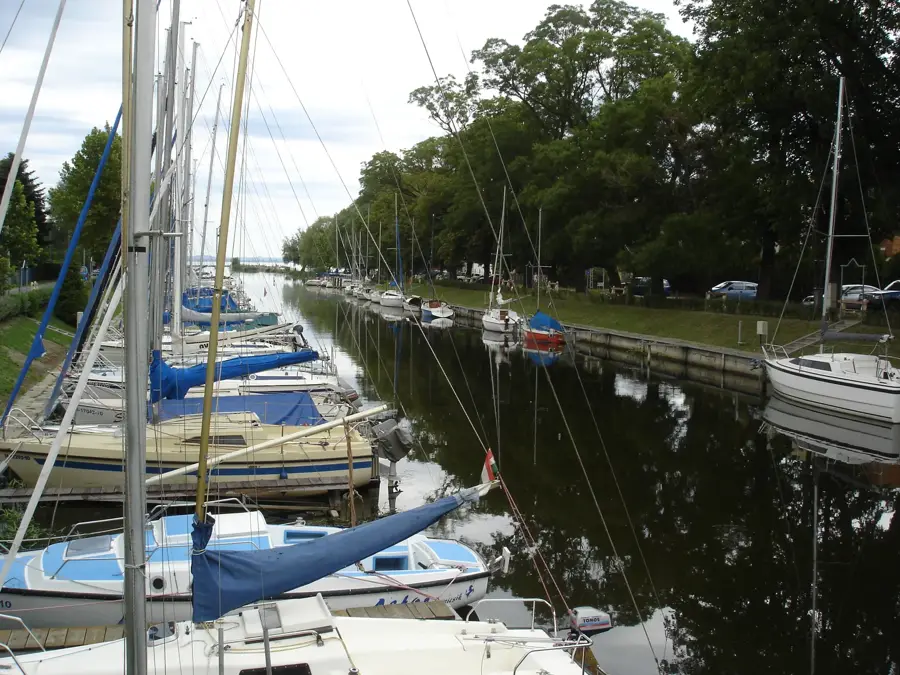
The Zala River crosses western Hungary and eventually flows directly into the Kis-Balaton. Access is genuinely easiest in rural villages and at designated nature trails near Lake Balaton, often reachable via unpaved country roads.
📅
Best season
For birdwatching in the estuary region, the spring is good, while the summer features consistently warm temperatures for cycling along the river. In late autumn and winter, the entire area can easily become very damp and foggy.
⛰️
Terrain & paths
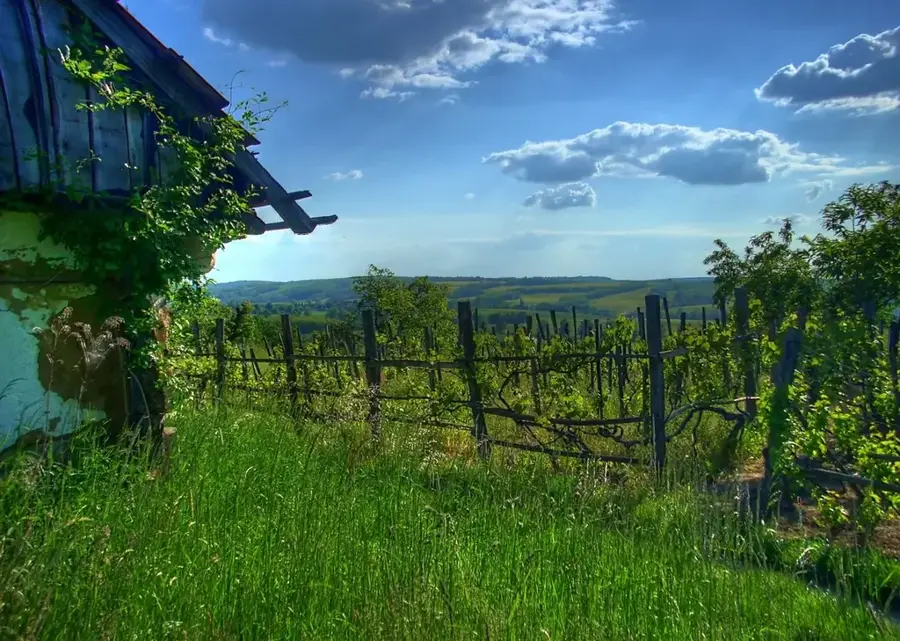
The river generally winds through a mostly flat and gently hilly agricultural landscape before finally emptying into the vast, reed-covered swamp area of the Kis-Balaton. The paths are quite often left entirely natural and earthy.
🎒
What to bring
Anyone wishing to explore the highly natural banks of the Zala should wear sturdy, closed footwear. During the warmer seasons, a reliable mosquito repellent is absolutely essential for all visitors traversing the rich wetlands.
🅿️
Parking
There are well-signposted parking spaces clearly available in the surrounding villages or at the Kis-Balaton National Park visitor centers. Directly on the riverbank, however, parking options are often limited to simple shoulders.
⚠️
Safety
The area is generally quite rural and entirely safe. However, it is fundamentally important to respect nature reserves, remain strictly on marked trails, and not underestimate the riverbank terrain, which can be muddy and unpredictable.
⏱️
Time needed
Visits range from very short photo stops at bridges to extensive half-day excursions on the edge of the Kis-Balaton. Nature enthusiasts gladly spend 2 to 3 hours intently observing the rich birdlife residing in the protected wetlands.

Geography

Coordinates
46.80000, 17.00000

Facts

  • The total length of the river is exactly 126 kilometers.
  • The drainage basin of the Zala covers an area of 2,622 km².
  • The source is located in the Őrség hills near Felsőszölnök.
  • The average water discharge at the mouth is 6 cubic meters per second.
  • The Zala provides nearly 50% of the total water inflow of Lake Balaton.
  • The river passes directly through the city of Zalaegerszeg.

Explore nearby

Notable places around

Route planner — Car & Motorhome

Where do you start? We build the route here, with stops and country notes along the way.

Vehicle
Only stops with (optional):

© OpenStreetMap contributors · OpenRouteService

Sights in the town Zala River (2)

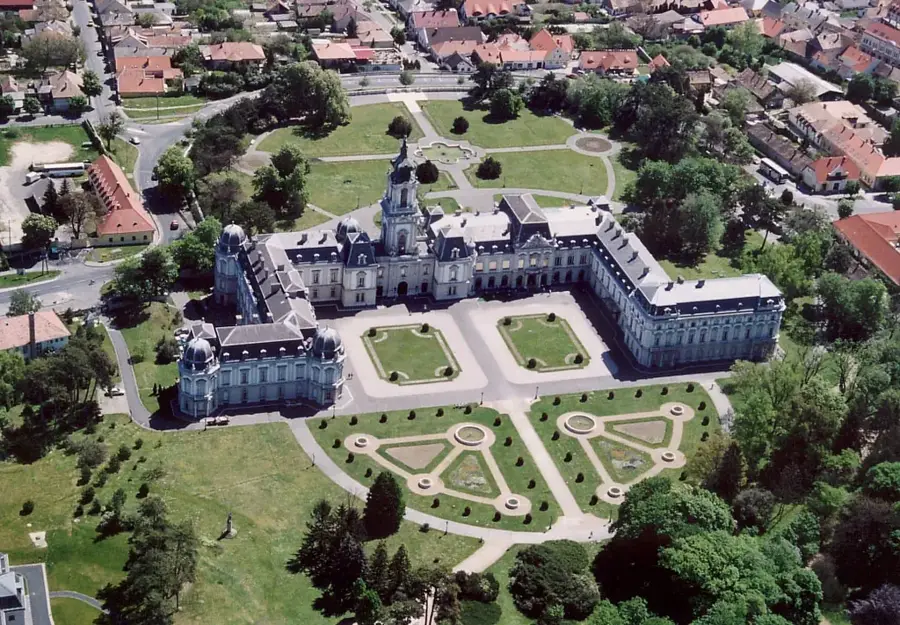
Fábiánics-kastély🏰 castle

Castle in the Zala region, former noble residence, set in a park.

Fokozottan védett terület

Strictly protected nature reserve along the Zala River, habitat for rare plant and animal species.

Sights nearby

Frequently asked questions

Where does the Zala river originate?
It originates in the Őrség region, near the Austrian border, around Szalafő.
Does the Zala flow into Lake Balaton?
Yes, it is the most important water supply for Lake Balaton, flowing into the lake at Fenékpuszta.
What is Zala's role at Kis-Balaton?
The Zala flows through the Kis-Balaton water protection system, which filters sediment before it reaches Balaton.
Can you go paddling on the Zala river?
Most of the Zala is too narrow or weedy for paddling; tours are mainly common in the sections near the mouth.
Are there cycle paths along the river?
Yes, in Zalaegerszeg and the Kis-Balaton area, cycle paths have been built along several sections near the bank.
Zala River: where is it located?
Zala River is located in Hungary.
Zala River: what is there to see?
Highlights include Fábiánics-kastély, Fokozottan védett terület.
Zala River: when is the best time to visit?
The most pleasant time to visit is Jun, Aug.
Zala River: why is it worth visiting?
The Zala River is one of the most significant watercourses in Western Hungary, stretching 126 kilometers from its source to its mouth.
View on map → The Top 50 Attractions → OpenStreetMap →
Europe
Explore with Plizio Discover more places in Europe
More places in Hungary →

Nearby cities

History & landmarks
Nature
More places