Plizio Visual Lab

Rupununi Savanna
Plizio editorial teamData Sources
Relief
—°1
Rupununi Savanna (Guyana)

Weather…

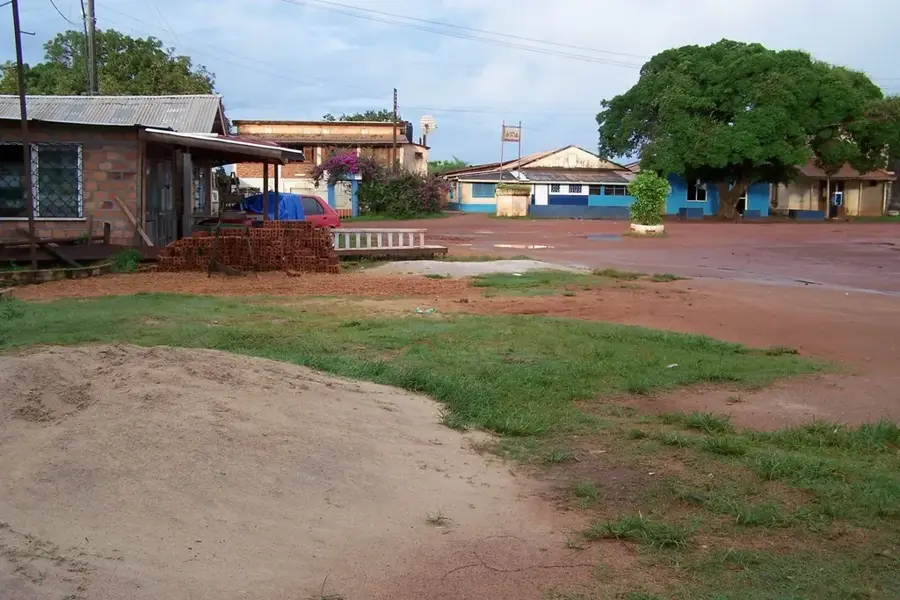
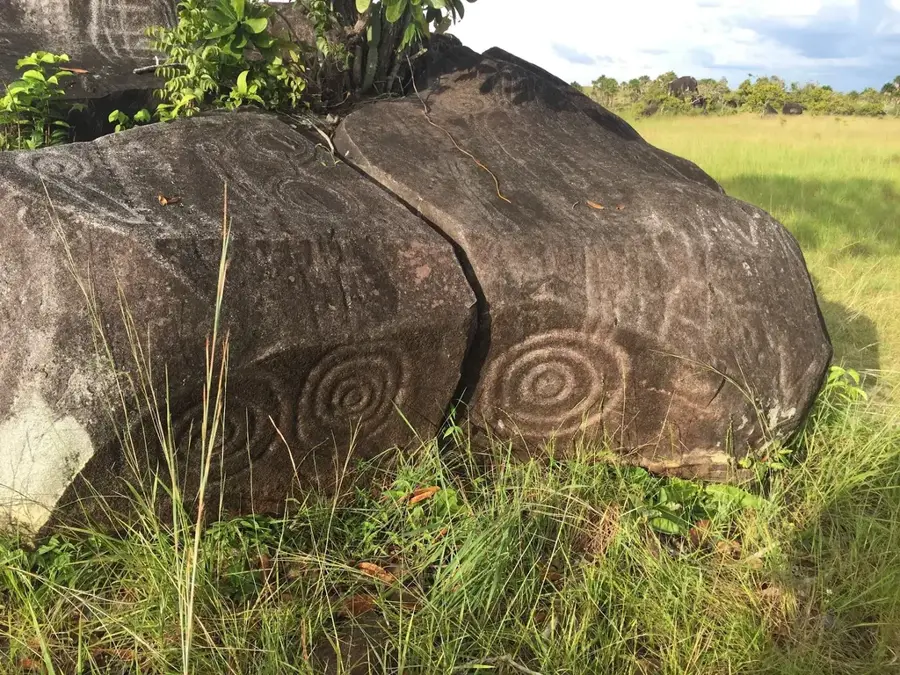
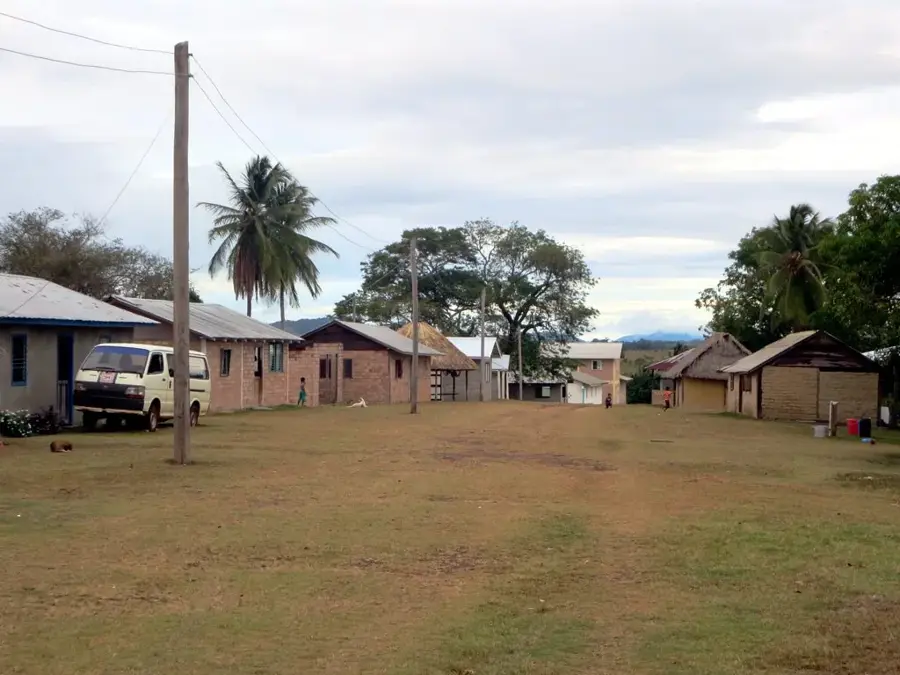
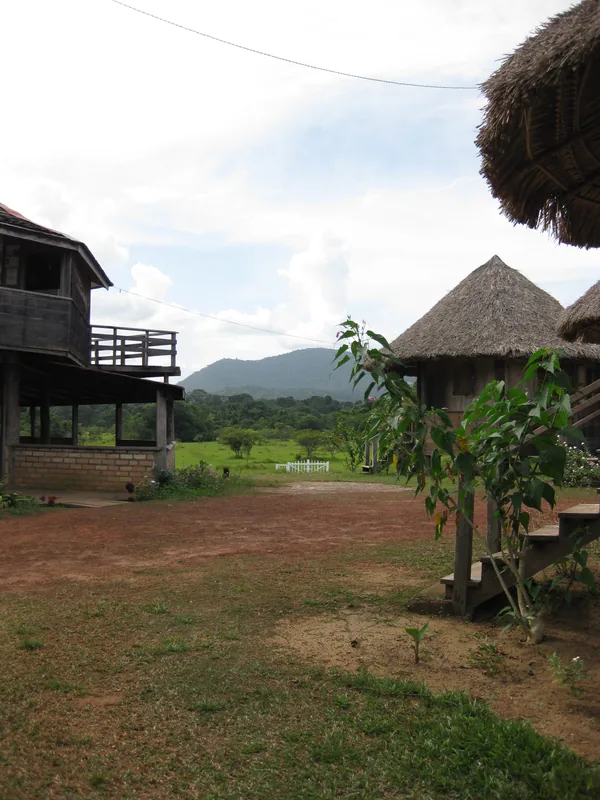
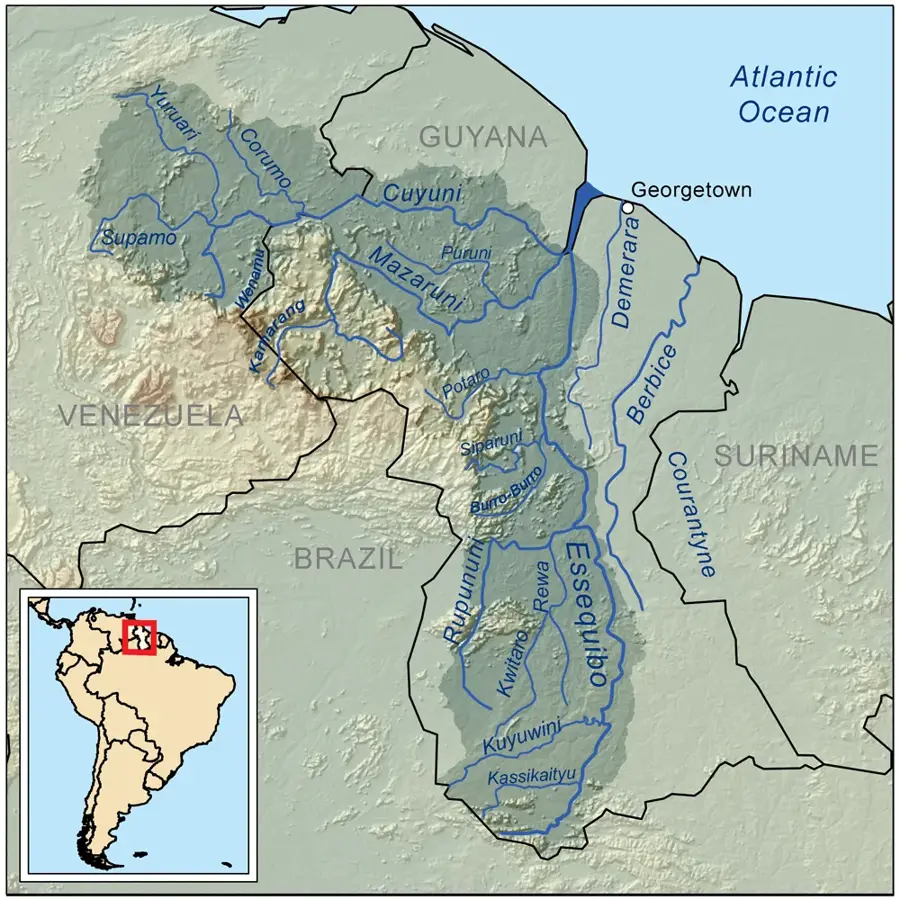
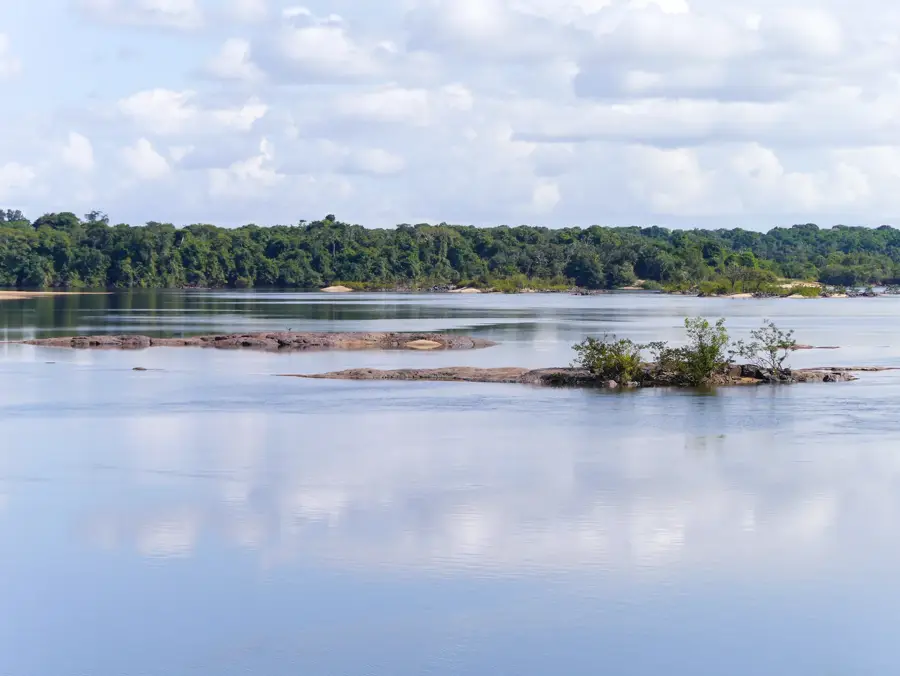
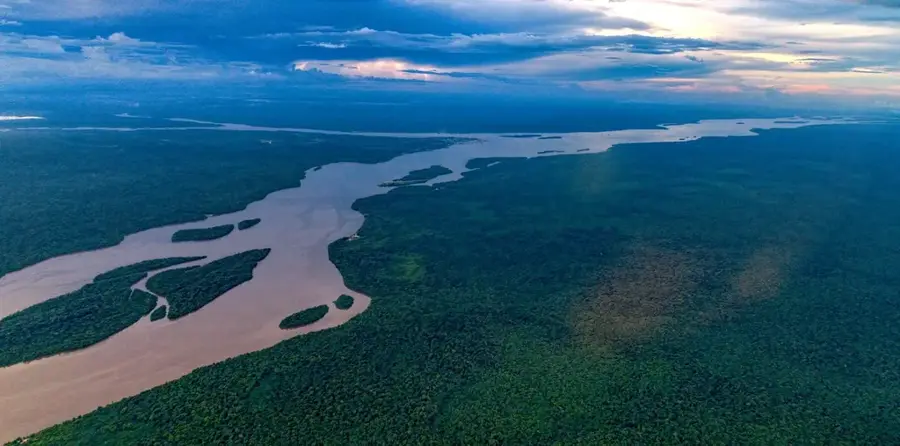
The Rupununi Savanna in southern Guyana covers an area of approximately 13,000 square kilometers, extending to the border with Brazil. This ecologically diverse region is divided into northern and southern sections by the Kanuku Mountains and is renowned for its exceptional biodiversity. Endangered species such as the giant otter, giant anteater, and harpy eagle live here in their natural habitat. The savanna is also home to the Wapishana and Macushi indigenous peoples, who have practiced sustainable cattle ranching and farming for generations. During the rainy season from May to August, the area often transforms into a vast wetland as the Rupununi and Takutu rivers overflow their banks. These seasonal floods are crucial for the ecosystem, enabling fish migration between the Amazon and Essequibo river basins. In recent history, the importance of controlled ecotourism has grown as a means to balance nature conservation with local economic development.

Best time to visit & climate

The most pleasant time to visit is Jan, Feb, Dec.

JanFebMarAprMayJunJulAugSepOctNovDec
Avg °C272828272625252526272727
Rain mm24273511027528125217680595046

📋 Practical info

🧭
Getting there
This incredibly vast, wild region is mostly reached via a very bumpy and adventurous off-road drive on a dusty, endless trail from Lethem, or alternatively by taking a tiny chartered flight to one of the minuscule regional dirt airstrips.
📅
Best season
The extended dry season from September to April is absolutely by far the best for long overland travel, whereas the extreme wet season turns the flat landscape into a massive, deep wetland accessible almost exclusively only by small boats.
⛰️
Terrain & paths
The unpredictable terrain dramatically shifts depending on the season from incredibly vast, extremely sun-baked golden grasslands heavily dotted with giant termite mounds, to very deeply flooded and highly difficult-to-pass wet savannas.
🎒
What to bring
Be absolutely sure to bring extremely versatile, light-colored clothing for completely unbearable heat, the strongest insect protection, an enormously wide-brimmed hat, specialized waterproof bags, and very solid outdoor shoes for the constantly and abruptly changing environment.
🅿️
Parking
Free parking in this absolute wilderness is extremely informal and mostly restricted completely to the protected grounds of a few specialized eco-lodges or active, tough working ranches that provide only very basic but safe accommodation for adventurous travelers.
⚠️
Safety
Longer trips deep into this extremely remote and unforgiving wilderness demand almost pedantically careful logistical planning; fiercely respect the harsh, merciless climate, always carry unlimited drinking water, and absolutely utilize the irreplaceable knowledge of local guides.
⏱️
Time needed
Due to the truly extreme, fatiguing distances and the highly challenging travel logistics, interested visitors should imperatively plan to spend a minimum of four to seven full days to completely and safely immerse themselves in the magical world of the endless savanna.

Geography

Coordinates
3.00000, -59.50000

Facts

  • The savanna covers a total area of approximately 13,000 km².
  • The Kanuku Mountains geographically divide the region into two halves.
  • Over 1,500 species of plants have been documented in this ecosystem.
  • The rainy season typically lasts from May through August.
  • The area hosts one of the world's largest populations of giant otters.
  • Cattle ranching was introduced in the 19th century by European settlers.

Explore nearby

Notable places around

Route planner — Car & Motorhome

Where do you start? We build the route here, with stops and country notes along the way.

Vehicle
Only stops with (optional):

© OpenStreetMap contributors · OpenRouteService

Sights in the town Rupununi Savanna (1)

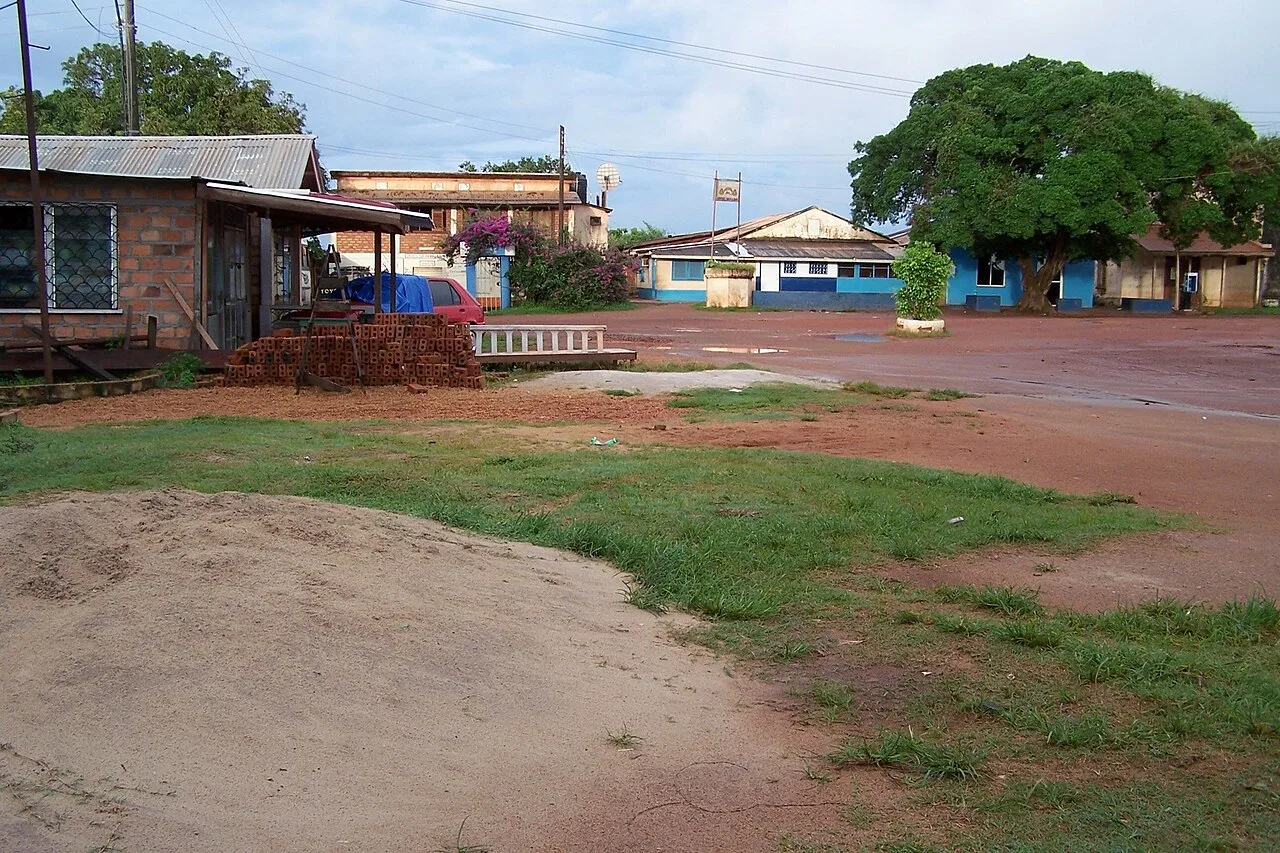
Sand Creek, Guyana📍 landmark

Settlement in the Rupununi savanna, known for its wide grasslands and proximity to Sand Creek.

Sights nearby

Frequently asked questions

When is the best time to visit the Rupununi Savanna?
The dry season (October to April) is well-suited for wildlife sightings and off-road driving.
What animals can be seen in the savanna?
Giant anteaters, jaguars, and the rare Arapaima fish live in this region.
Is a 4WD vehicle required?
Yes, a robust 4WD vehicle is essential for the unpaved tracks of the savanna.
Is medical care available there?
Only basic clinics in Lethem; evacuation is required for emergencies.
Is the savanna inhabited?
Yes, it is home to many indigenous peoples such as the Makushi and Wapishana.
Rupununi Savanna: where is it located?
Rupununi Savanna is located in Guyana.
Rupununi Savanna: when is the best time to visit?
The most pleasant time to visit is Jan, Feb, Dec.
Rupununi Savanna: why is it worth visiting?

The Rupununi Savanna in southern Guyana covers an area of approximately 13,000 square kilometers, extending to the border with Brazil.
View on map → The Top 50 Attractions → OpenStreetMap →
South America
Explore with Plizio Discover more places in South America
More places in Guyana →

Nearby cities

History & landmarks
Nature
More places