Plizio Visual Lab

Dalaba Plateau
Plizio editorial teamData Sources
Relief
—°4
Dalaba Plateau (Guinea)

Weather…

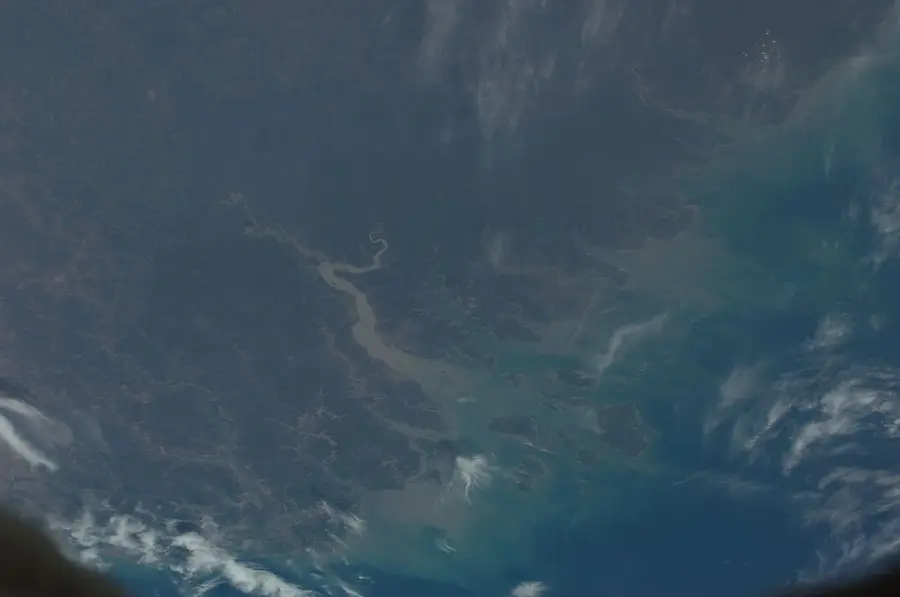
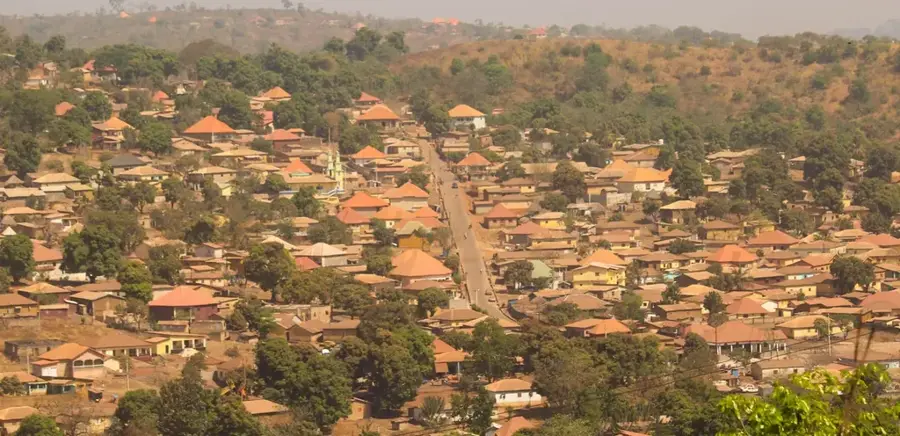
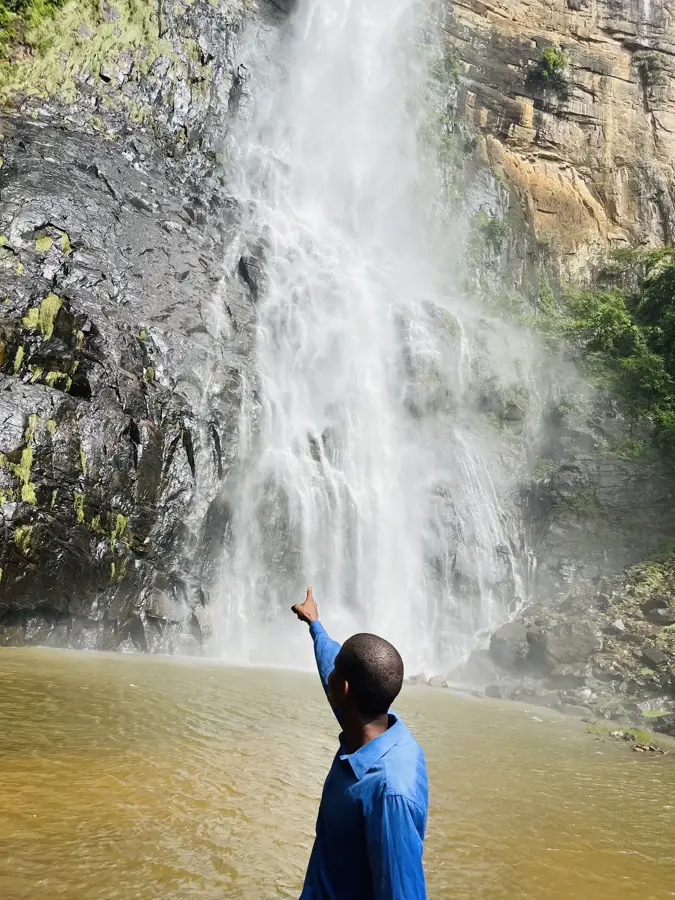
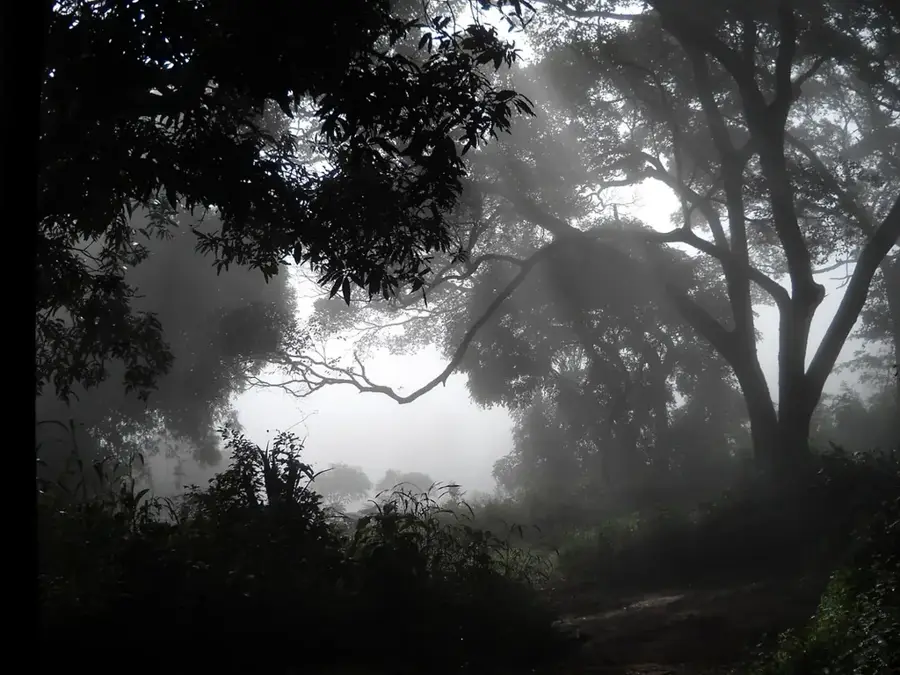
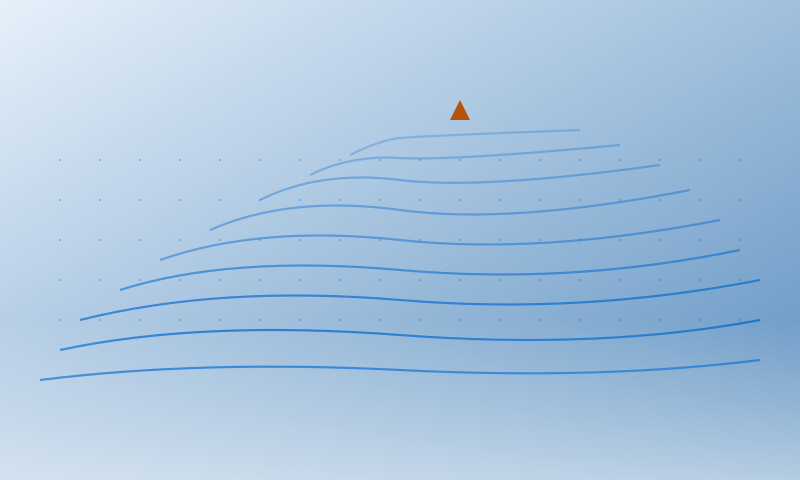
The Dalaba Plateau is one of Guinea's most distinctive and climatically pleasant highland regions, located in the central Fouta Djallon massif. Geographically, this sandstone plateau sits at an average elevation of 1,000 to 1,200 meters above sea level. It is characterized by a rolling topography, broken by deep canyons, sheer cliffs, and gentle valleys. The climate on the plateau is exceptionally mild by West African standards and frequently misty, earning it the nickname 'Switzerland of Africa.' Historically, the plateau was used by the French colonial administration as a retreat and sanatorium, which significantly influenced the architecture of the town of Dalaba. Economically, the region is a hub for market gardening, specifically the cultivation of strawberries, apples, and vegetables, as well as livestock rearing by Peul pastoralists. Ecologically, the Dalaba Plateau serves as a vital water catchment area feeding numerous rivers and hosts specialized flora, including introduced pine forests and indigenous montane grasses. For visitors, the plateau's relief features spectacular viewpoints such as 'Pont de Dieu' and numerous waterfalls that showcase the region's geological dynamism. It is a place of great natural harmony and strategic importance for highland biodiversity.

Best time to visit & climate

The most pleasant time to visit is Jan, Nov, Dec.

JanFebMarAprMayJunJulAugSepOctNovDec
Avg °C242729292725232223232323
Rain mm34434149289490586371133261

📋 Practical info

🧭
Getting there
The Dalaba Plateau is accessed via the national highway from Conakry, which winds up into the mountainous Fouta Djallon region. While the main roads are paved, they can be heavily potholed, meaning travel by a sturdy SUV or regional taxi is highly recommended.
📅
Best season
The best time to visit this temperate region is during the dry season, from November to April, when the weather is pleasantly cool and the trails are dry. During the rainy season, the roads can become treacherous and many dirt tracks turn into deep mud.
⛰️
Terrain & paths
The plateau features rolling hills, impressive pine forests, and dramatic waterfalls cascading over rocky cliffs. Hiking involves traversing uneven dirt paths, crossing small streams, and sometimes climbing steep, rocky steps, requiring a moderate level of fitness.
🎒
What to bring
Good quality hiking shoes with deep treads are essential for the varying terrain and potentially slippery areas near waterfalls. Due to the higher altitude, visitors should pack warm layers for the chilly evenings, alongside a light raincoat and insect repellent.
🅿️
Parking
Parking is usually straightforward within the town of Dalaba or at the trailheads leading to major waterfalls and viewpoints. Accommodations often provide secure parking, which is the safest option before heading out on foot or hiring a local motorcycle taxi.
⚠️
Safety
Trails are rarely marked, so hiring a local guide is highly recommended to avoid getting lost in the dense forests or on the plateau. Use caution around the edges of waterfalls, as rocks can be extremely slick, and ensure you have basic medical supplies on hand.
⏱️
Time needed
A basic overview of the immediate Dalaba area takes a full day, but discovering the broader plateau's waterfalls and villages warrants two to three days. The region is a premier destination for multi-day trekking for those looking to immerse themselves in nature.

Geography

Coordinates
10.65000, -12.25000

Facts

  • The plateau stands at an average elevation of 1,200 meters, unique in West Africa.
  • It features the 'Pont de Dieu', a massive natural arch carved in sandstone.
  • Dalaba records the lowest average annual temperatures in the Republic of Guinea.
  • The terrain is composed of ancient Paleozoic sedimentary rock layers.
  • The plateau is a leading regional producer of high-altitude specialized crops.
  • It acts as a strategic moisture trap, receiving high levels of orographic rainfall.

Explore nearby

Notable places around

Route planner — Car & Motorhome

Where do you start? We build the route here, with stops and country notes along the way.

Vehicle
Only stops with (optional):

© OpenStreetMap contributors · OpenRouteService

Sights in the town Dalaba Plateau (4)

Terrasse de l'hôtel du Fouta🌿 nature

Terrasse de l'hôtel du Fouta is an elevated open-air viewing platform providing scenic vistas across the sweeping valleys of the Dalaba plateau.

Musée Africain American🏛 museum

The Musée Africain American is a cultural institution preserving historical exhibits related to the shared history of Africa and the Americas on the Dalaba plateau.

🕒 24/7

Case des palabres🏺 historical

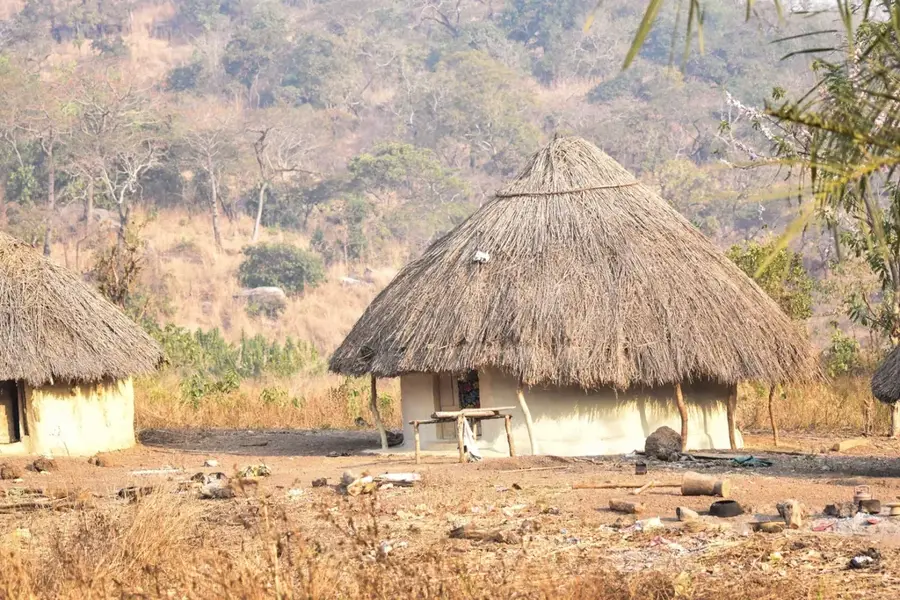
Case des palabres is a traditional round meeting hut featuring a characteristic thatched roof, historically used for discussing community affairs.

Case Myriam Makeba📍 landmark

Case Myriam Makeba is the preserved traditional round hut once inhabited by the renowned South African singer during her exile in Guinea.

Sights nearby

Frequently asked questions

What makes Dalaba Plateau special?
The pleasant cool climate makes it a popular retreat.
Are there hiking trails there?
Yes, there are numerous paths through the forests and villages.
Can one stay overnight there?
Yes, there are some simple accommodations in the village of Dalaba.
What is the best season?
The dry season gives the best visibility and weather.
Is it suitable for families?
Yes, the moderate trails are well-suited for family excursions.
Dalaba Plateau: where is it located?
Dalaba Plateau is located in Guinea.
Dalaba Plateau: what is there to see?
Highlights include Terrasse de l'hôtel du Fouta, Musée Africain American, Case des palabres.
Dalaba Plateau: when is the best time to visit?
The most pleasant time to visit is Jan, Nov, Dec.
Dalaba Plateau: why is it worth visiting?

The Dalaba Plateau is one of Guinea's most distinctive and climatically pleasant highland regions, located in the central Fouta Djallon massif.
View on map → The Top 50 Attractions → OpenStreetMap →
Africa
Explore with Plizio Discover more places in Africa
More places in Guinea →

Nearby cities

Nature

More places