Plizio Visual Lab
Mamou
ℹ️Practical info — Mamou
▾
🌤 Weather — 5 days
📍 Nearby
Sights nearby
💡 Tips
- Mamou is an essential transit point; expect transport hubs to be chaotic, so book your onward journey in advance if possible.
- It is the gateway to Fouta Djallon; the weather is significantly cooler than the coast, so a light jacket is recommended for evenings.
- Take time to negotiate prices for transport to Dalaba or Labé, as rates can vary wildly for foreigners.
- The local market is a great place to stock up on provisions before heading deeper into the mountainous region.
🍽 Food
Taste the famous locally harvested mountain honey, sold in various types at the market.
A nutritious local grain often served with a savory sauce, available at traditional eateries.
The market is packed with fresh bananas, oranges, and avocados due to the favorable climate.
🛍 Shopping · 🧘 Quiet spots
Look for pure beeswax and bottles of fresh honey at roadside stalls.
Excellent for picking up roasted nuts or dried fruits before a long bus ride.
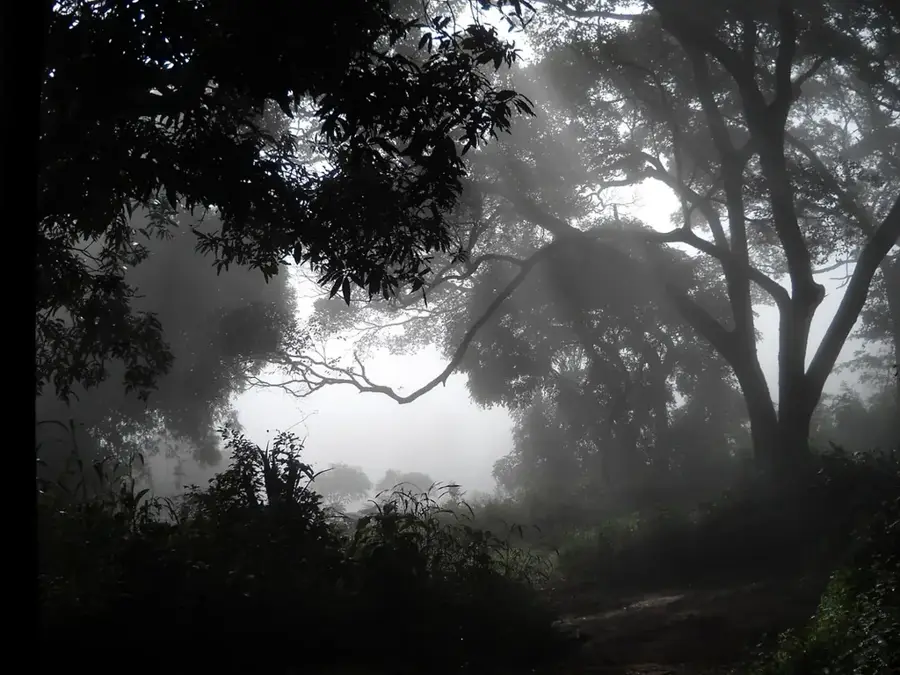
Walk towards the first hills of the Fouta Djallon for fresh air and quiet.
Tucked in the backstreets, the areas around small mosques often provide peaceful retreats.
Water temperature…
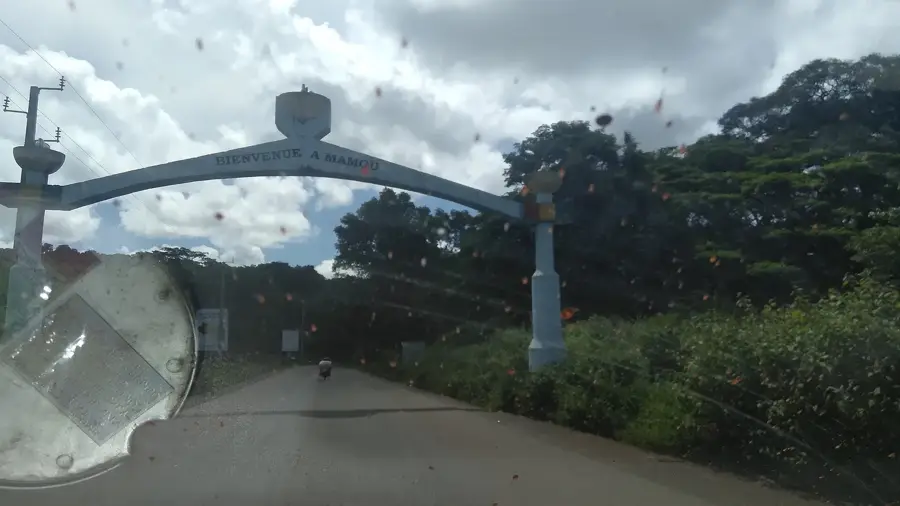
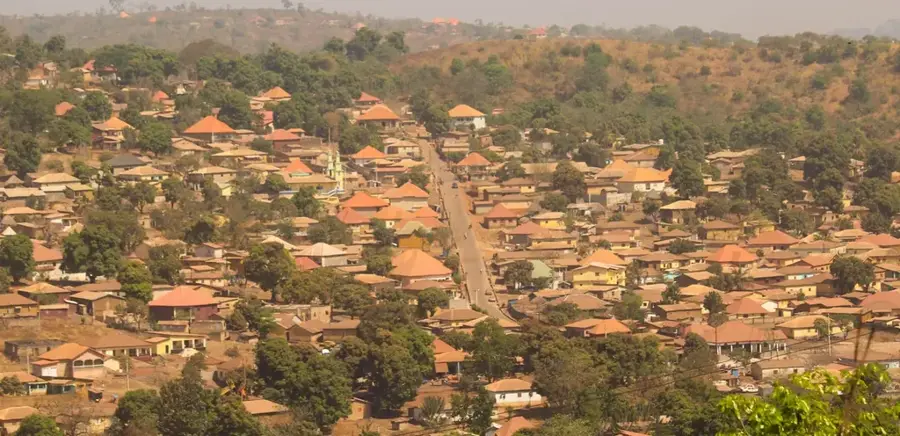
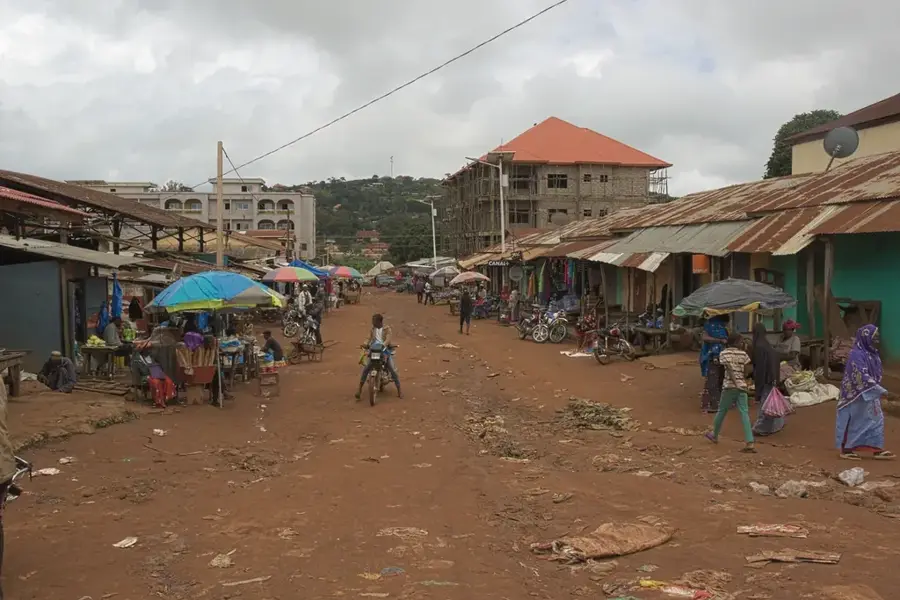
Mamou is a strategically vital city in Guinea, frequently referred to as the 'Gateway to the Fouta Djallon.' Located at a central junction where the primary roads to Conakry, Kankan, and Labé intersect, the city serves as the logistical backbone of the country. Mamou was officially founded in 1908 to coincide with the arrival of the Conakry-Kankan railway, which catalyzed its rapid transformation into a major commercial hub. At an elevation of about 700 meters, it gives a milder climate than the coastal plains and marks the geographical transition to the highlands. The city's economy is heavily focused on livestock trade and meat processing, acting as a primary supplier for the national market. The majority of the population belongs to the Fula ethnic group, making Mamou a significant center for Islamic education and Fula culture. As an administrative capital of its region, it also hosts important governmental and educational facilities. The surrounding landscape is characterized by rolling hills and serves as a vital watershed for several regional rivers.
- Location: Guinea
- Top sights: Mamou Prefecture · Institut supérieur de technologie de Mamou
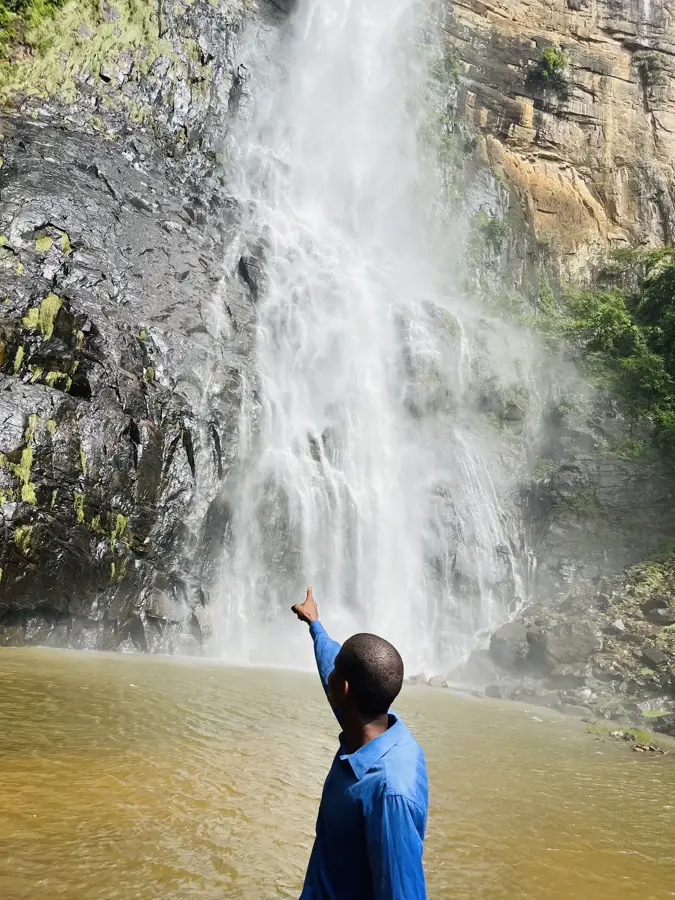
- Nearby: Ditinn Falls (49 km)
- Population: ~79.109 (2023)
Best time to visit & climate
The most pleasant time to visit is Jan, Nov, Dec.
| Jan | Feb | Mar | Apr | May | Jun | Jul | Aug | Sep | Oct | Nov | Dec | |
|---|---|---|---|---|---|---|---|---|---|---|---|---|
| Avg °C | 24 | 27 | 29 | 29 | 27 | 25 | 23 | 22 | 23 | 23 | 23 | 23 |
| Rain mm | 3 | 4 | 4 | 34 | 149 | 289 | 490 | 586 | 371 | 133 | 26 | 1 |
Geography
Facts
- Mamou is located roughly 250 kilometers northeast of Conakry.
- The city was officially established on June 13, 1908.
- It sits at an average altitude of 710 meters above sea level.
- Mamou is the junction point for Guinea's three main geographic regions.
- The city is a major collection point for cattle from the Fouta Djallon.
- The Conakry-Kankan railway station in Mamou was a key historical site.
Explore nearby
Notable places around


Route planner — Car & Motorhome
Where do you start? We build the route here, with stops and country notes along the way.
© OpenStreetMap contributors · OpenRouteService
Sights in the town Mamou (2)
Frequently asked questions
Why is Mamou called the 'city of the crossroads'?
Is it worth stopping in Mamou for tourists?
What is the climate like in Mamou?
What is the most famous product of the region?
Are there hotels in Mamou?
Mamou: where is it located?
Mamou: what is there to see?
Mamou: when is the best time to visit?
Mamou: why is it worth visiting?

Nearby cities
Nature
More places