Plizio Visual Lab
Quinhámel
ℹ️Practical info — Quinhámel
▾
🌤 Weather — 5 days
📍 Nearby
Sights nearby
💡 Tips
- Visit the traditional Papel communities to learn about their unique animist shrines and customs.
- The town is famous for 'Pano de Pinti', a traditional woven cloth; ask locals where to watch the weavers.
- Boats to the nearby islands can be arranged informally at the water's edge, but negotiate firmly.
- Bring mosquito repellent, as the coastal and mangrove areas can get buggy in the late afternoon.
🍽 Food
Harvested from the nearby mangroves, locals usually roast them over open fires.
A traditional palm oil stew with fish or meat, often served with rice.
Try the locally distilled sugarcane spirit, a specialty of the Biombo region.
🛍 Shopping · 🧘 Quiet spots
Buy the intricately woven traditional cloth directly from the artisans in town.
During the season, the local market overflows with some of the sweetest mangos in the country.
Take a peaceful walk along the estuaries, looking for wading birds at low tide.
Rent a bicycle to explore the quiet dirt tracks weaving through cashew orchards.
Water temperature…
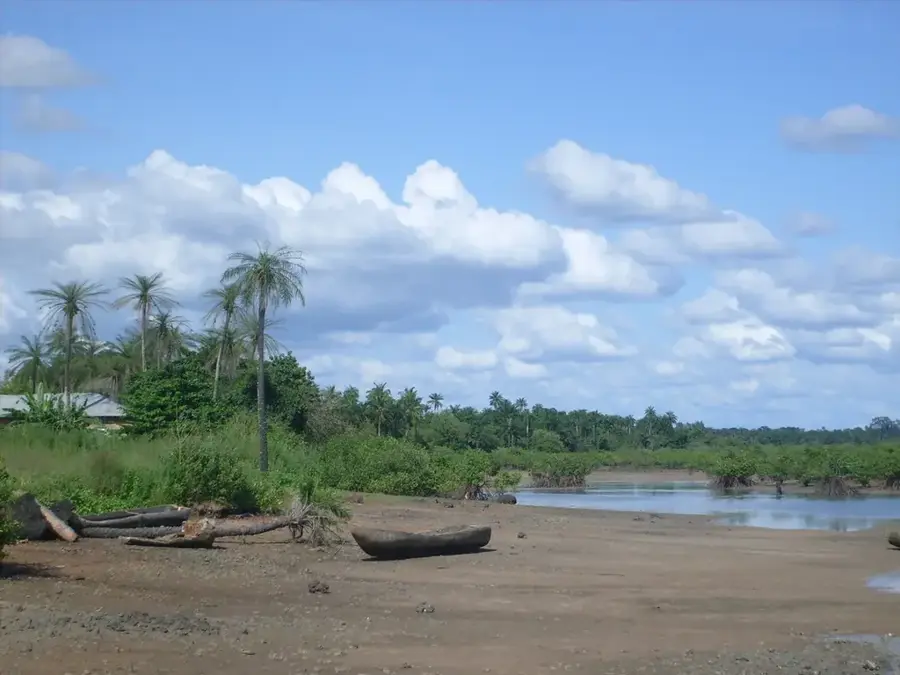
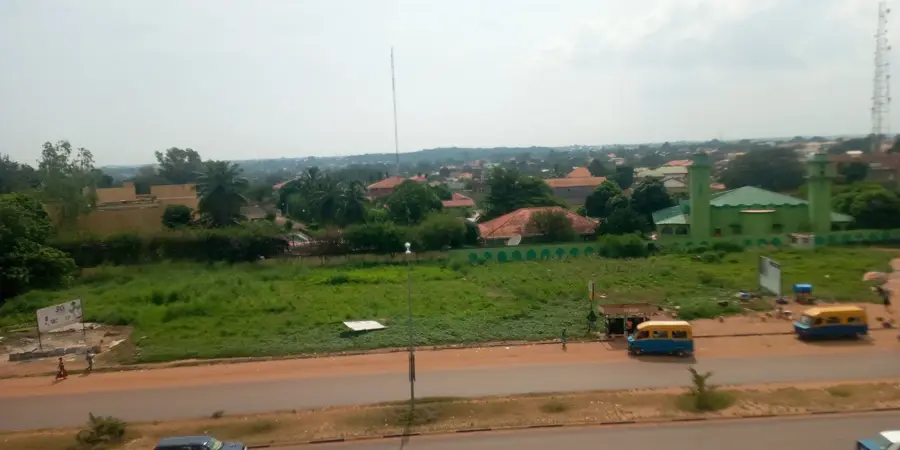
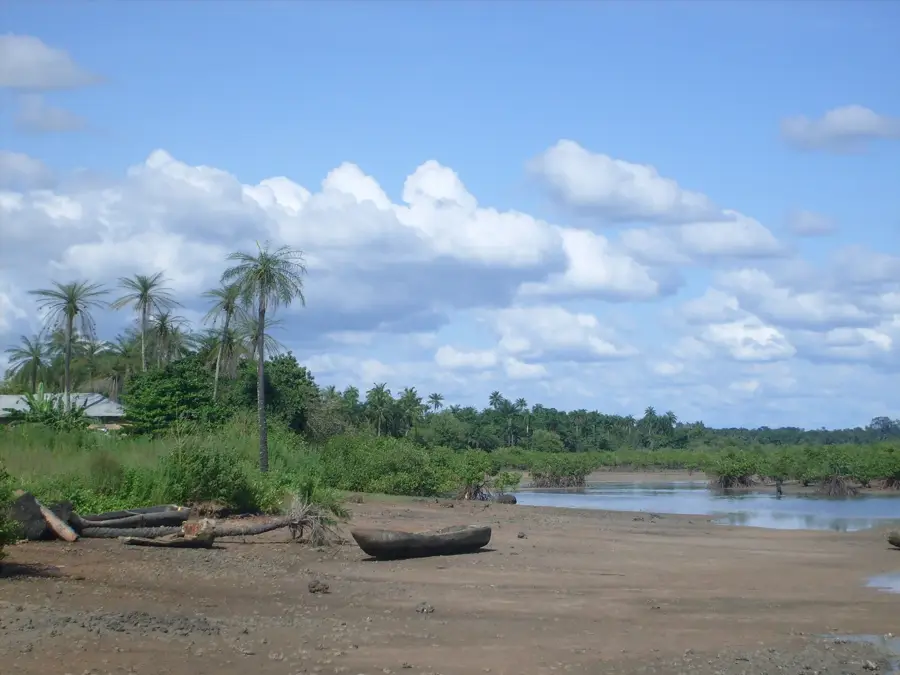
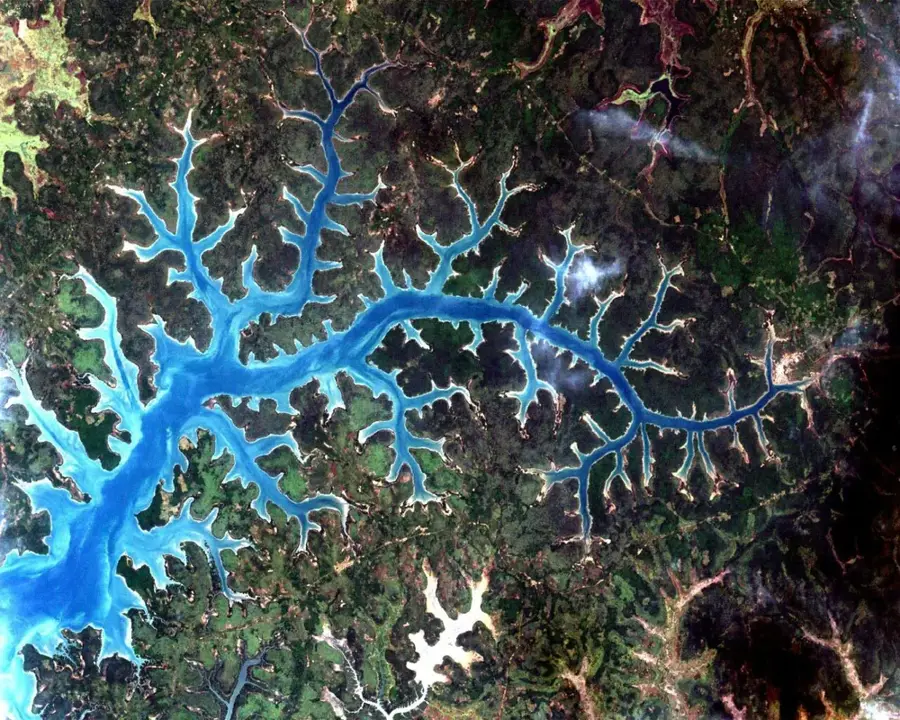
Quinhámel is the capital of the Biombo Region, located approximately 30 kilometers west of the national capital, Bissau. The town serves as the cultural heartland of the Papel people, an ethnic group renowned for preserving their traditional rites and artisanal techniques. Quinhámel is particularly famous for the production of 'Pano de Pente,' a hand-woven fabric that plays a central role in ceremonial events throughout Guinea-Bissau. Geographically, the town is situated in a coastal zone characterized by sea inlets and mangrove landscapes, making it a popular getaway destination for residents of the capital. In addition to craftsmanship, fishing is a fundamental part of the local economy, with products typically sold in the markets of Bissau. Tourism projects have begun to emerge in the surrounding area, aiming to showcase the natural beauty of the coastline and the region's rich cultural heritage to visitors.
- Location: Guinea-Bissau
- Nearby: Biombo (11 km)
- Population: ~6.602 (2023)
Best time to visit & climate
The most pleasant time to visit is Jan, Feb, Dec.
| Jan | Feb | Mar | Apr | May | Jun | Jul | Aug | Sep | Oct | Nov | Dec | |
|---|---|---|---|---|---|---|---|---|---|---|---|---|
| Avg °C | 24 | 26 | 27 | 27 | 28 | 28 | 27 | 27 | 27 | 28 | 27 | 25 |
| Rain mm | 1 | 0 | 7 | 1 | 10 | 111 | 369 | 494 | 353 | 175 | 11 | 0 |
Geography
Facts
- Capital city of the Biombo Region in the west
- Cultural center of the Papel ethnic group
- Famous for the weaving of 'Pano de Pente' cloth
- Located about 30 kilometers west of Bissau
- Important site for artisanal and craft traditions
- Fishing is a main pillar of the local economy
Explore nearby
Notable places around


Route planner — Car & Motorhome
Where do you start? We build the route here, with stops and country notes along the way.
© OpenStreetMap contributors · OpenRouteService
Sights in the town Quinhámel (1)
Frequently asked questions
Why is Quinhámel popular?
How long for a visit?
What is the main product?
Can you eat there?
Transportation?
Quinhámel: where is it located?
Quinhámel: when is the best time to visit?
Quinhámel: why is it worth visiting?

Nearby cities



History & landmarks

Nature
More places