Plizio Visual Lab
Biombo Coastal Swamp
Weather…
Water temperature…
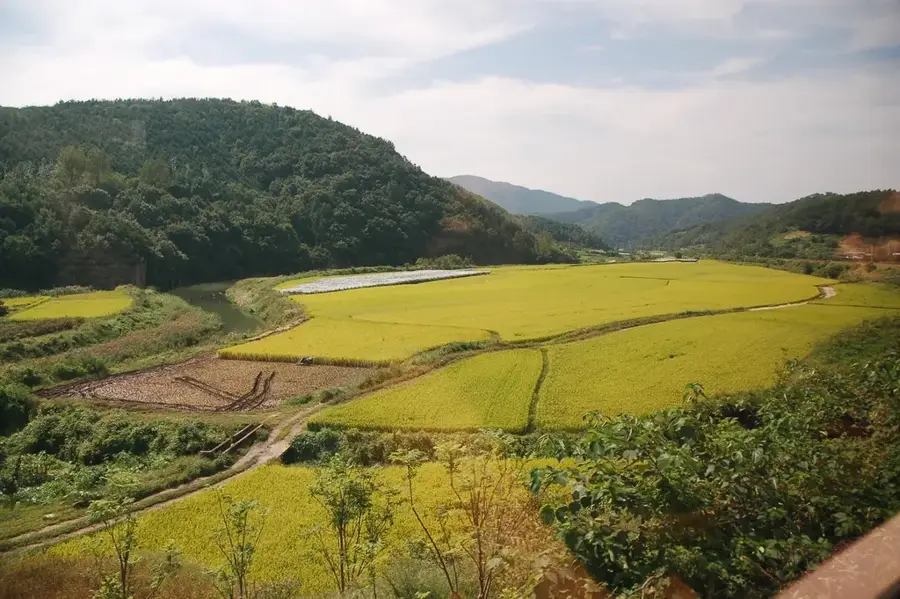
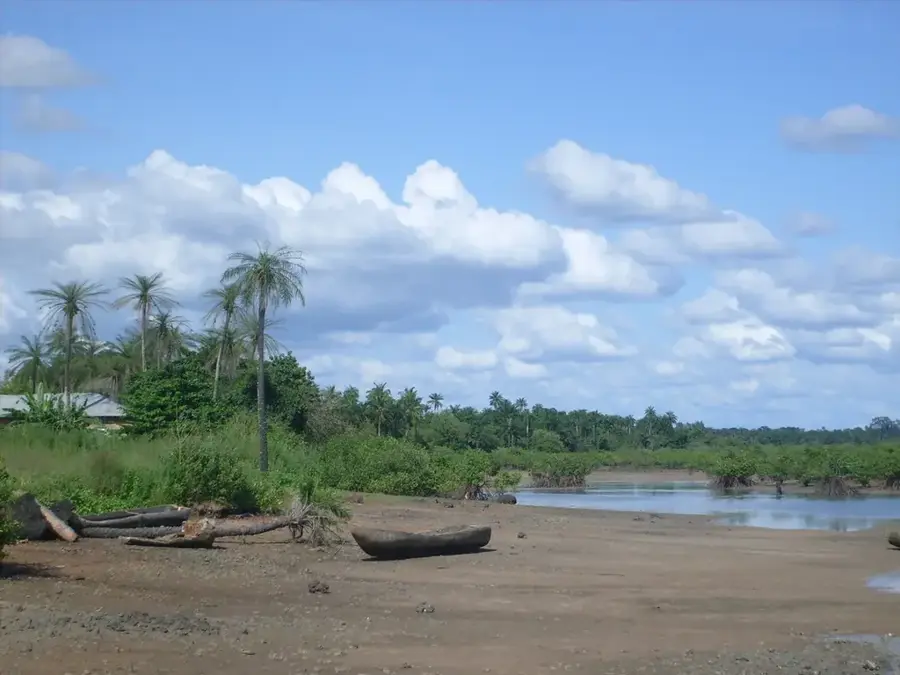
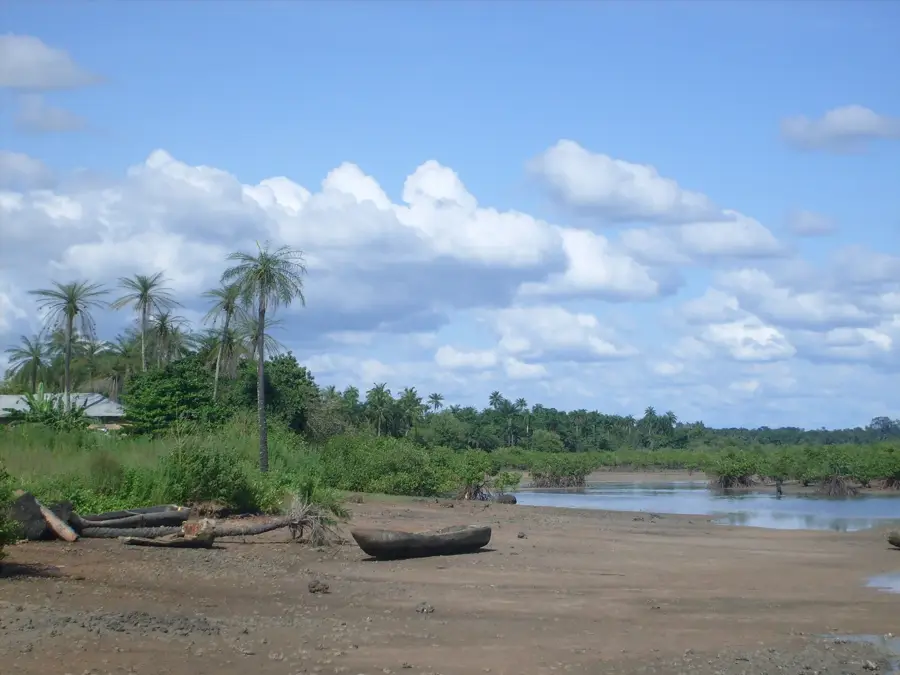
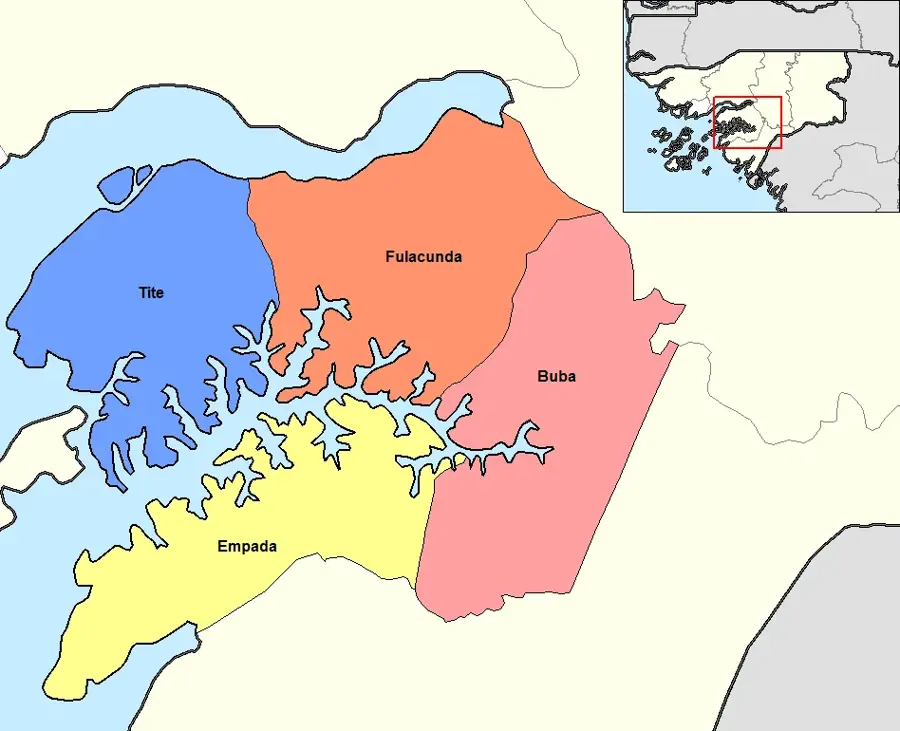
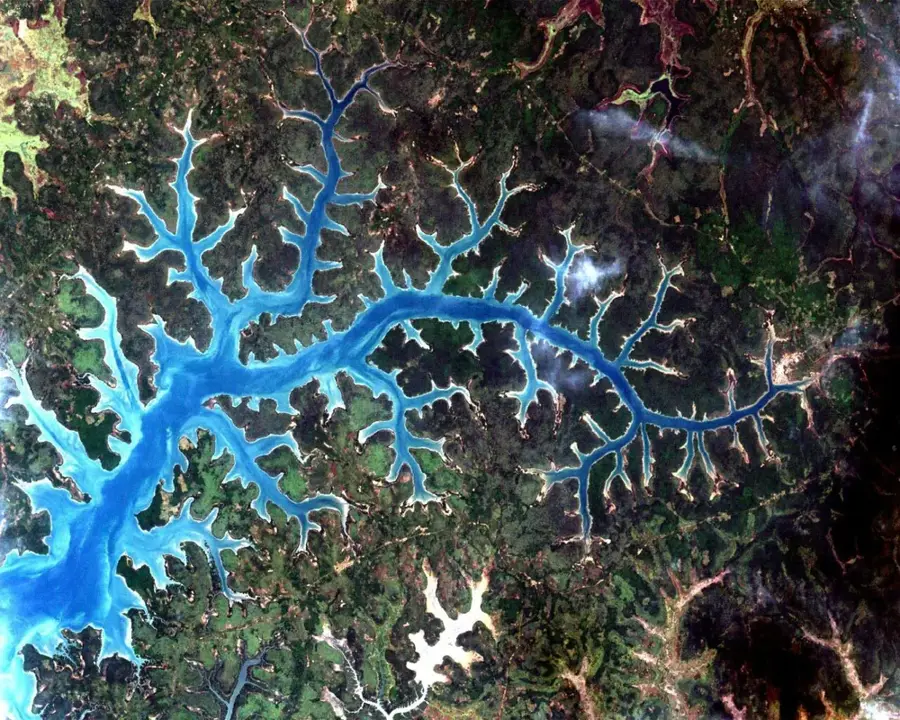
The coastal swamp relief of Biombo in western Guinea-Bissau is a complex, amphibious ecosystem at the confluence of the Mansoa and Geba rivers. This relief is characterized by an extremely flat topography that is almost entirely subject to the rhythm of the tides. It consists of a labyrinth of tidal channels, mudflats, and flat islands stabilized by dense mangrove forests. Geomorphologically, it is a dynamic accumulation area where fine marine sediments and river silts meet, forming new land masses. The relief acts as a natural sponge and buffer zone, protecting the hinterland from storm surges and salinization. In the drier zones of the swamp relief, local communities have reclaimed fertile farmland for rice cultivation through a sophisticated system of dikes and canals. The soil composition is characterized by anaerobic, organically rich silts that produce a highly specialized flora. Biombo is a prime example of the interaction between marine erosion and biological land formation in the tropics of West Africa.
- Location: Guinea-Bissau
- Nearby: Prabis (6 km)
Best time to visit & climate
The most pleasant time to visit is Jan, Feb, Dec.
| Jan | Feb | Mar | Apr | May | Jun | Jul | Aug | Sep | Oct | Nov | Dec | |
|---|---|---|---|---|---|---|---|---|---|---|---|---|
| Avg °C | 24 | 26 | 27 | 27 | 28 | 28 | 27 | 27 | 27 | 28 | 27 | 25 |
| Rain mm | 1 | 0 | 7 | 1 | 10 | 111 | 369 | 494 | 353 | 175 | 11 | 0 |
📋 Practical info
Geography
Facts
- The relief is completely reshaped twice daily by the tides.
- Biombo hosts some of the most productive mangrove forests in the nation.
- The terrain averages less than one meter above sea level.
- Sedimentation causes a steady westward shift of the coastline.
- The relief is segmented by a network of man-made rice dikes (bolanhas).
- Specialized amphibious fish (mudskippers) inhabit the mud of this relief.
Explore nearby
Notable places around

Route planner — Car & Motorhome
Where do you start? We build the route here, with stops and country notes along the way.
© OpenStreetMap contributors · OpenRouteService
Sights nearby
Frequently asked questions
What is the Biombo Coastal Swamp?
Can the swamp be traversed by car?
What animals live in the Biombo swamp?
Is the area safe for tourists?
Is rice grown in Biombo?
Biombo Coastal Swamp: where is it located?
Biombo Coastal Swamp: when is the best time to visit?
Biombo Coastal Swamp: why is it worth visiting?

Nearby cities




History & landmarks
Nature
More places