Plizio Visual Lab
Bafatá
ℹ️Practical info — Bafatá
▾
🌤 Weather — 5 days
📍 Nearby
Sights nearby
💡 Tips
- Visit the Amílcar Cabral monument and his well-preserved childhood home in the colonial town center.
- The dry season (November to May) is the most comfortable time to visit.
- Transport relies heavily on "toca-tocas" (shared minibuses) which run when full.
- Portuguese and Kriol are the main languages; keeping a translation app offline is handy.
🍽 Food
Spicy grilled chicken marinated in lemon and onions, served at local restaurants near the river.
A rich peanut stew with meat or fish.
Snack on these during the harvest season in early spring.
🛍 Shopping · 🧘 Quiet spots
Bafatá is heavily involved in the cashew trade; buy them freshly roasted in the market.
Look for animated fabrics in the main town market.
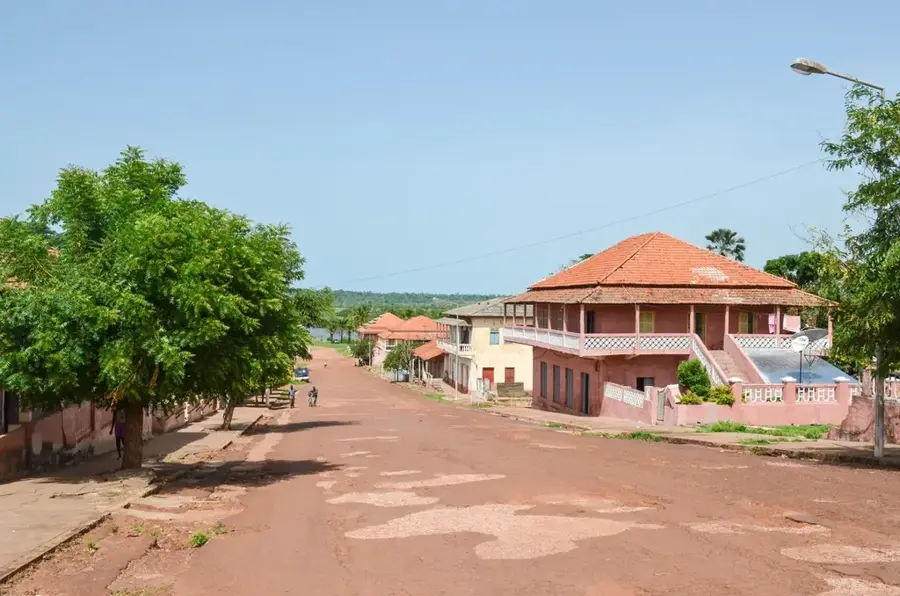
Stroll past the crumbling colonial architecture near the waterfront.
Wander the relatively quiet streets admiring the faded Portuguese colonial facades.
Water temperature…
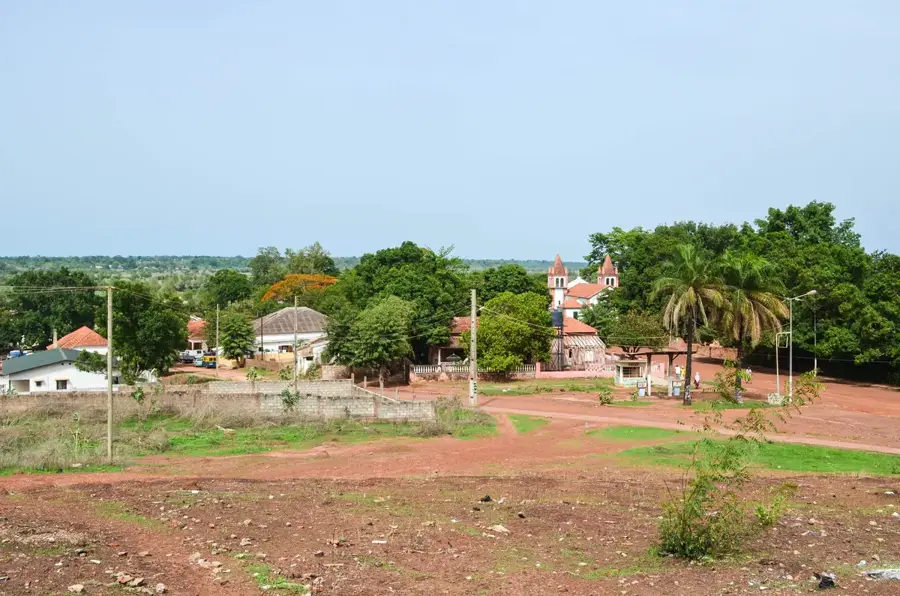
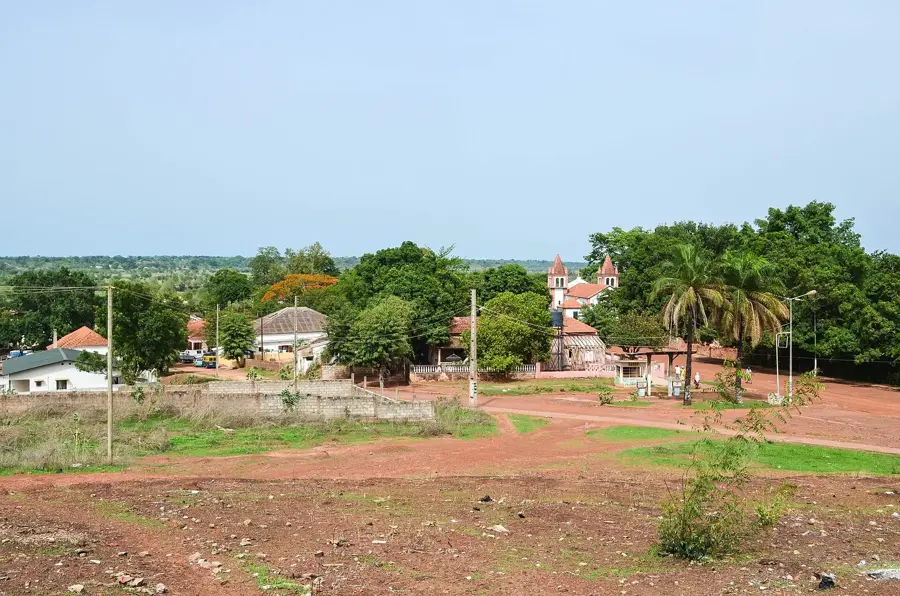
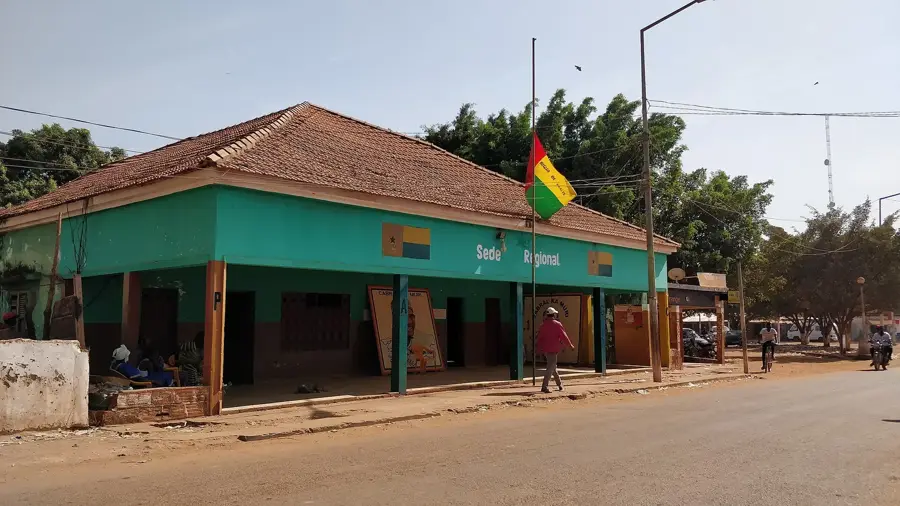
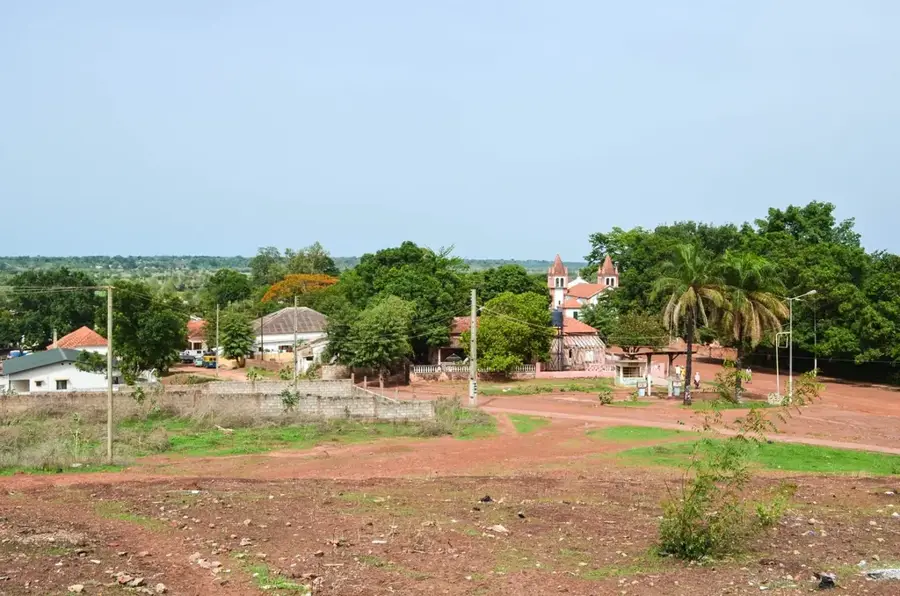
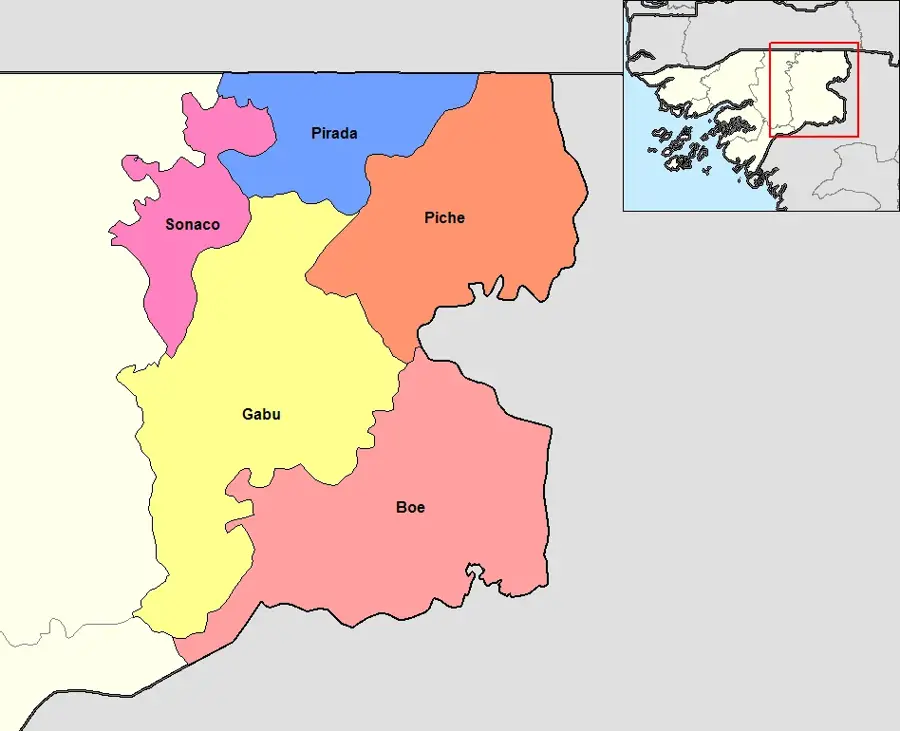
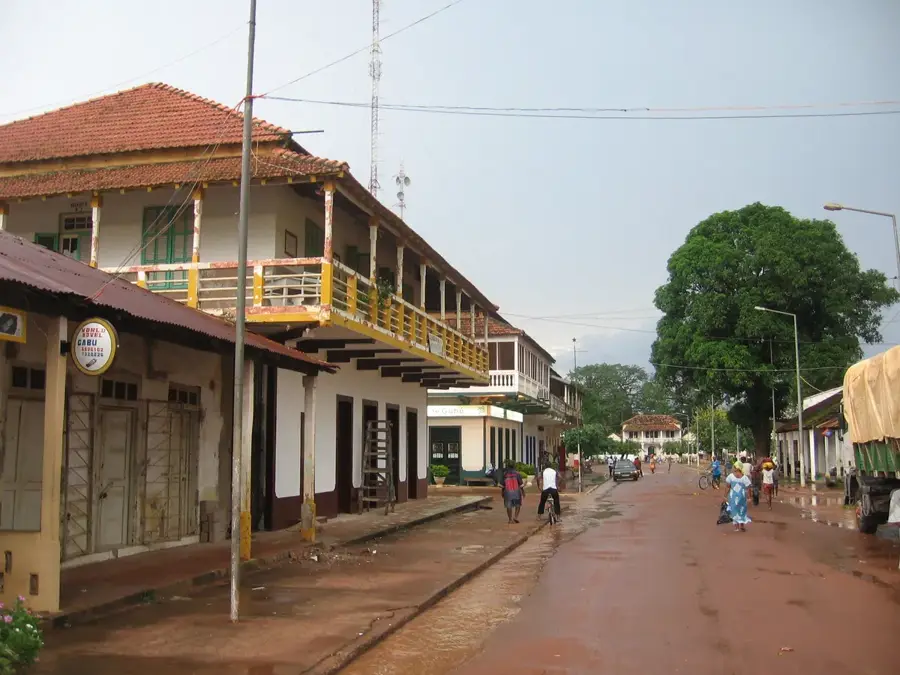
Bafatá is a historically significant town located in the heart of Guinea-Bissau, situated on the banks of the Geba River. It is globally recognized as the birthplace of Amílcar Cabral, the charismatic leader of the independence movement against Portuguese colonial rule. The town features a well-preserved colonial center with pastel-colored buildings that recall its former status as a key administrative and commercial hub. Geographically, Bafatá lies in a fertile plain, which is crucial for the cultivation of peanuts, rice, and cotton, as well as for livestock farming. Its position on the Geba River historically facilitated trade between the Atlantic coast and the interior of the continent. Bafatá serves as the capital of its namesake region and is a cultural crossroads for various ethnic groups, including the Fula and Mandinka. The town's quiet, provincial atmosphere belies its revolutionary heritage, making it a vital site for the national consciousness of Guinea-Bissau.
- Location: Guinea-Bissau
- Top sights: Diocese of Bafatá · Our Lady of Grace Cathedral, Bafatá
- Nearby: Sonaco (20 km)
- Population: ~33.502 (2023)
Best time to visit & climate
The most pleasant time to visit is Jan, Nov, Dec.
| Jan | Feb | Mar | Apr | May | Jun | Jul | Aug | Sep | Oct | Nov | Dec | |
|---|---|---|---|---|---|---|---|---|---|---|---|---|
| Avg °C | 25 | 28 | 31 | 32 | 32 | 29 | 26 | 26 | 26 | 27 | 26 | 24 |
| Rain mm | 1 | 0 | 1 | 1 | 30 | 156 | 370 | 468 | 323 | 151 | 14 | 0 |
Geography
Facts
- Amílcar Cabral was born in Bafatá on September 12, 1924.
- Bafatá is officially the second largest city in Guinea-Bissau.
- The town is located approximately 150 kilometers east of Bissau.
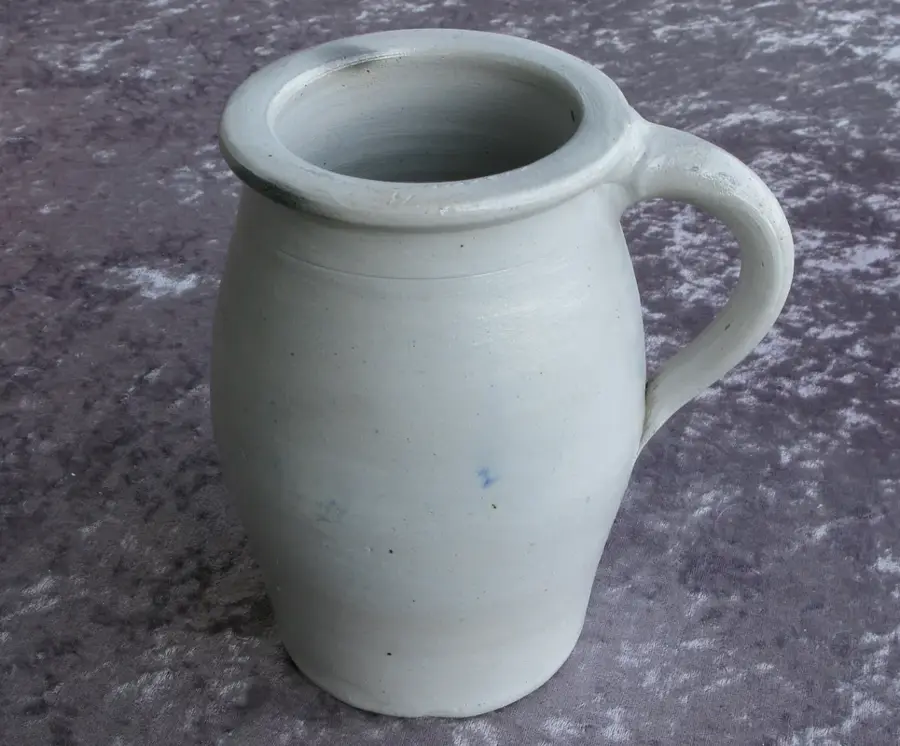
- It is a known center for traditional brick and pottery production.
- The Bafatá region is a major contributor to the national peanut production.
- The town features a notable cathedral dating back to the Portuguese era.
Explore nearby
Notable places around


Route planner — Car & Motorhome
Where do you start? We build the route here, with stops and country notes along the way.
© OpenStreetMap contributors · OpenRouteService
Sights in the town Bafatá (2)
Frequently asked questions
How many days for Bafatá?
Best time to visit?
How to get there?
Local specialty?
Is it family friendly?
Bafatá: where is it located?
Bafatá: what is there to see?
Bafatá: when is the best time to visit?
Bafatá: why is it worth visiting?

Nearby cities
History & landmarks
Nature
More places