Plizio Visual Lab
Madina do Boe
ℹ️Practical info — Madina do Boe
▾
🌤 Weather — 5 days
📍 Nearby
Sights nearby
💡 Tips
- A 4x4 vehicle is essential for the rugged roads leading to this historic town.
- Visit the independence monument early in the day to avoid the intense afternoon heat.
- Travel with a local guide who can explain the area's rich history.
- Cash is king here; ensure you bring enough West African CFA francs from Bissau.
🍽 Food
Try this traditional peanut stew with chicken at a local village eatery.
Look for roadside grills serving freshly roasted chicken.
Enjoy sweet, strong tea served in small glasses by local vendors.
🛍 Shopping · 🧘 Quiet spots
Buy basic supplies and local agricultural produce directly from farmers.
Look for handmade wooden items sometimes sold around the main settlement.
A peaceful spot for birdwatching and enjoying nature.
Take a quiet walk in the surrounding hills for expansive views.
Water temperature…
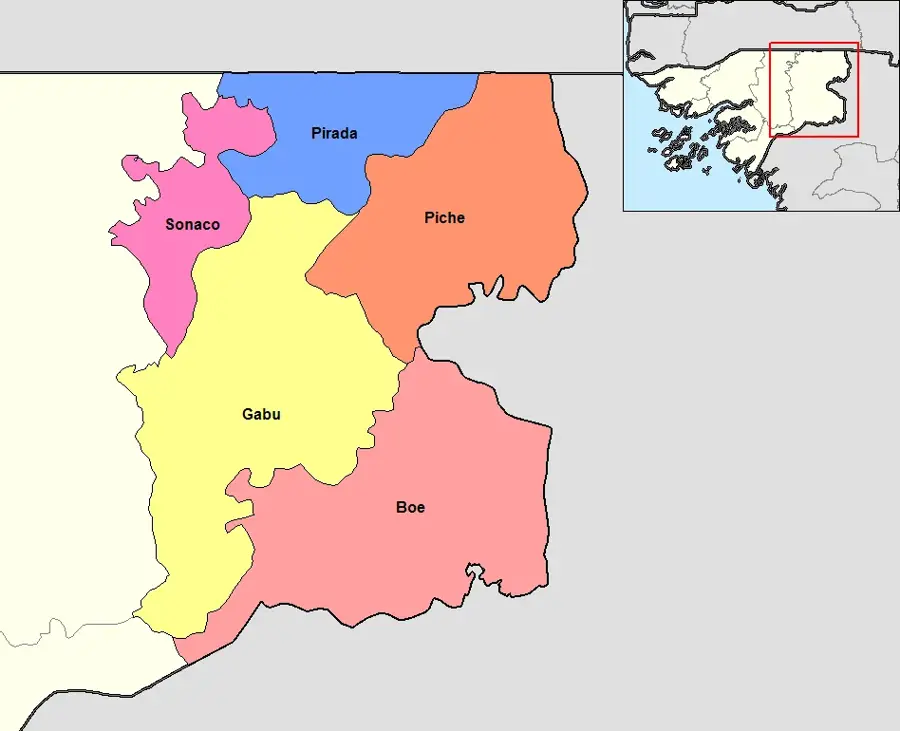
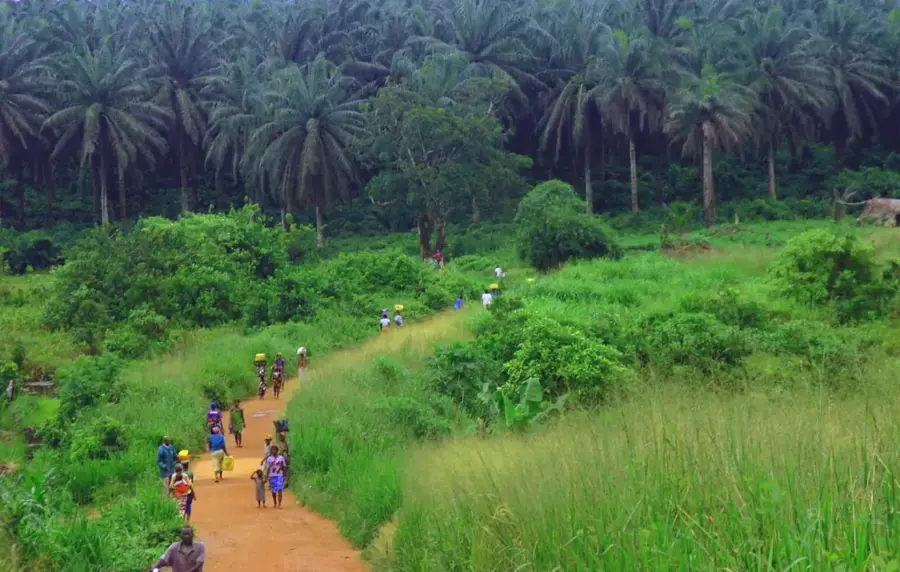
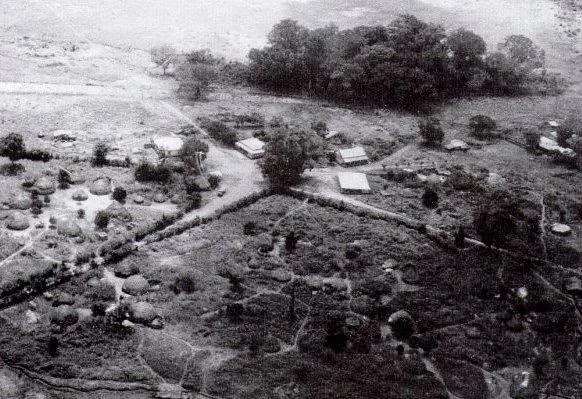
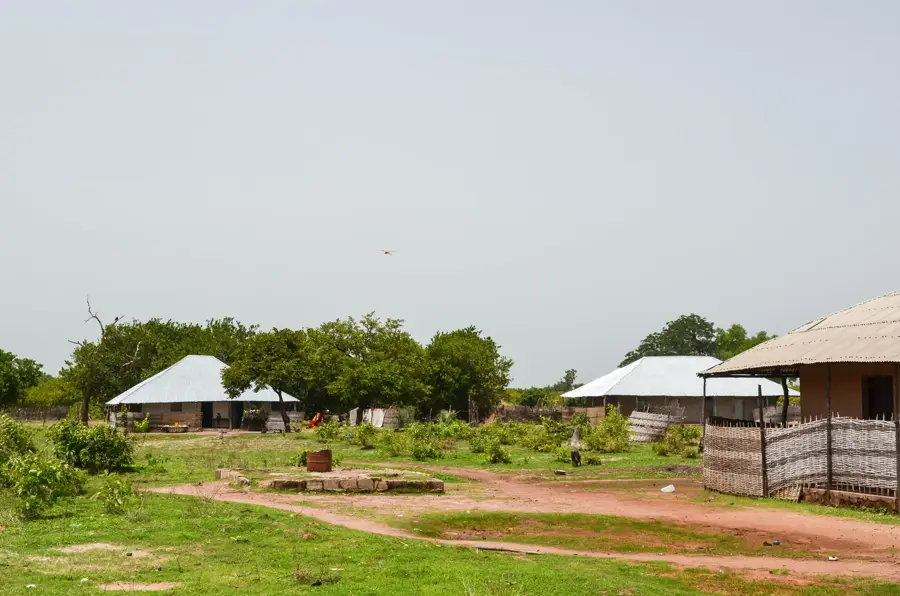
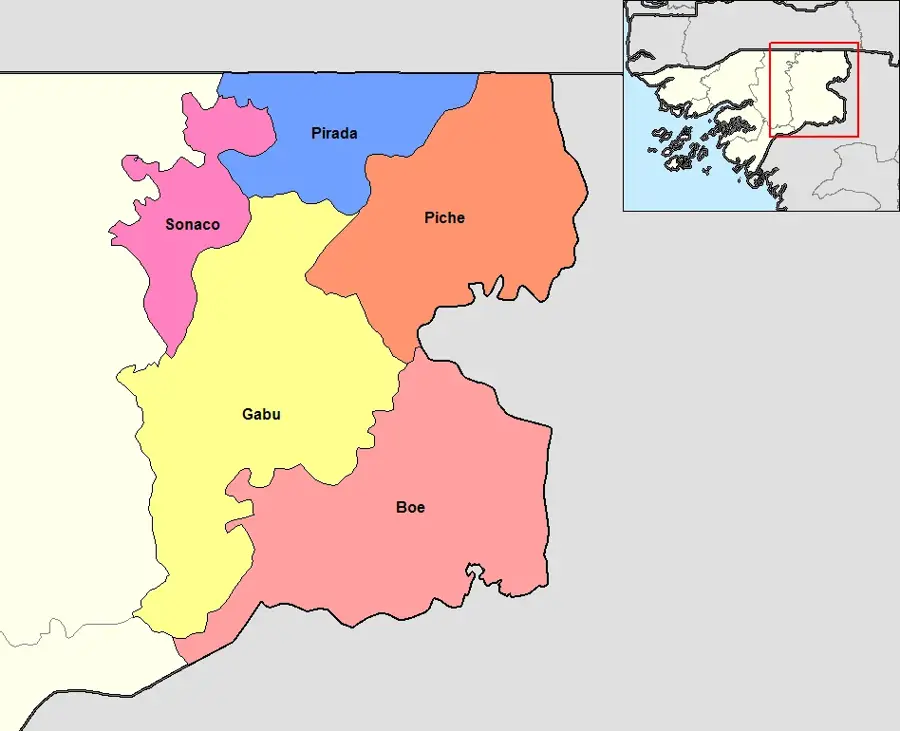
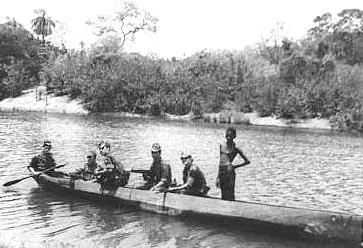
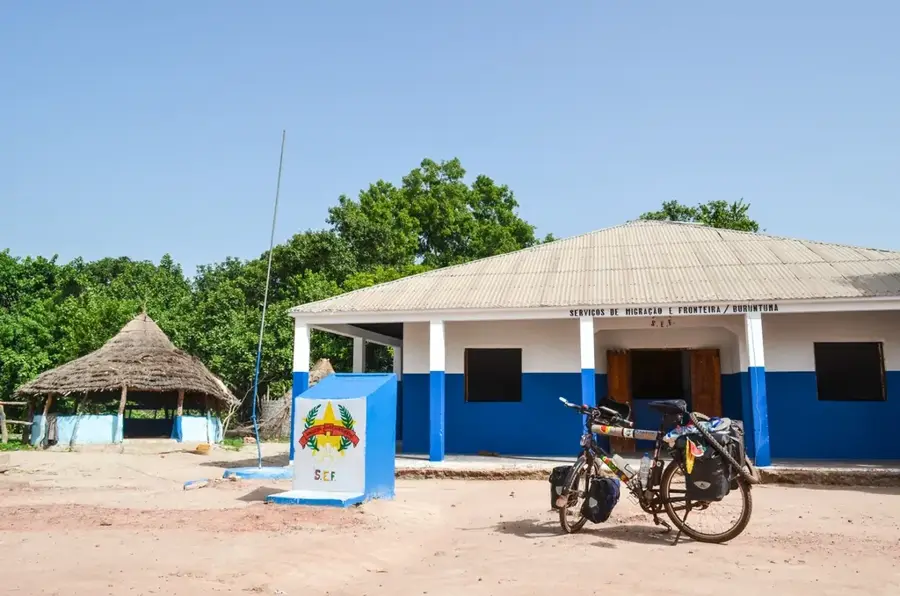
Madina do Boé is a site of paramount historical and symbolic importance for Guinea-Bissau, located in the hills of the Gabú region in the southeastern part of the country. On September 24, 1973, the country's independence from Portuguese colonial rule was unilaterally declared here, even before the war had officially concluded. This proclamation marked a turning point in West African history and established Madina do Boé as the 'cradle of the nation.' The region's geography is characterized by the Boé hills, a rugged landscape with laterite soils and plateaus that provided convenient cover for PAIGC fighters during the liberation war. Today, the town serves as a focal point for national commemorations, although modern infrastructure remains minimally developed. The local population relies primarily on subsistence farming, with grain cultivation and beekeeping being notable activities. Despite its relative isolation, Madina do Boé remains a powerful monument to resistance and the pride of the Bissau-Guinean people in their hard-won freedom.
- Location: Guinea-Bissau
- Nearby: Galomaro (49 km)
- Population: ~11.750 (2024)
Best time to visit & climate
The most pleasant time to visit is Jan, Nov, Dec.
| Jan | Feb | Mar | Apr | May | Jun | Jul | Aug | Sep | Oct | Nov | Dec | |
|---|---|---|---|---|---|---|---|---|---|---|---|---|
| Avg °C | 27 | 29 | 31 | 33 | 32 | 29 | 26 | 26 | 26 | 26 | 25 | 25 |
| Rain mm | 1 | 1 | 1 | 2 | 38 | 165 | 365 | 464 | 314 | 145 | 16 | 0 |
Geography
Facts
- Site of the declaration of independence on Sept 24, 1973
- Located in the hilly Gabú region of the southeast
- Historically considered the first capital of the free state
- Geographically defined by the rugged Boé plateau
- Home to monuments commemorating the liberation struggle
- The population survives mainly through traditional farming
Explore nearby
Notable places around


Route planner — Car & Motorhome
Where do you start? We build the route here, with stops and country notes along the way.
© OpenStreetMap contributors · OpenRouteService
Sights in the town Madina do Boe (1)
Frequently asked questions
Why is Madina do Boe historically important?
Are there natural beauties there?
What is the infrastructure like?
When should you visit the waterfalls?
Is a guide needed?
Madina do Boe: where is it located?
Madina do Boe: when is the best time to visit?
Madina do Boe: why is it worth visiting?

Nearby cities

History & landmarks
Nature
More places