Farsala Halva Festival
Annual festival held every September honoring the local halva farsalon, with communal feasting, traditional Thessalian music and folk dances.
PlizioGo
The city's signature almond-based sweet. Buy it from the traditional sweet shops surrounding the main square (Platia).
Thessalian cuisine is famous for excellent meat dishes. Try a traditional taverna in the town center.
A great savory snack on the go, freshly baked in small local bakeries along the main streets.
The best place to stock up on Halvas Farsalon as a gift or for immediate enjoyment.
Find fresh Thessalian fruits, vegetables, and local cheeses. Ask a local which day of the week it is held.
A cool, shaded spot right in the city, first-rate for a quiet waterside stroll.
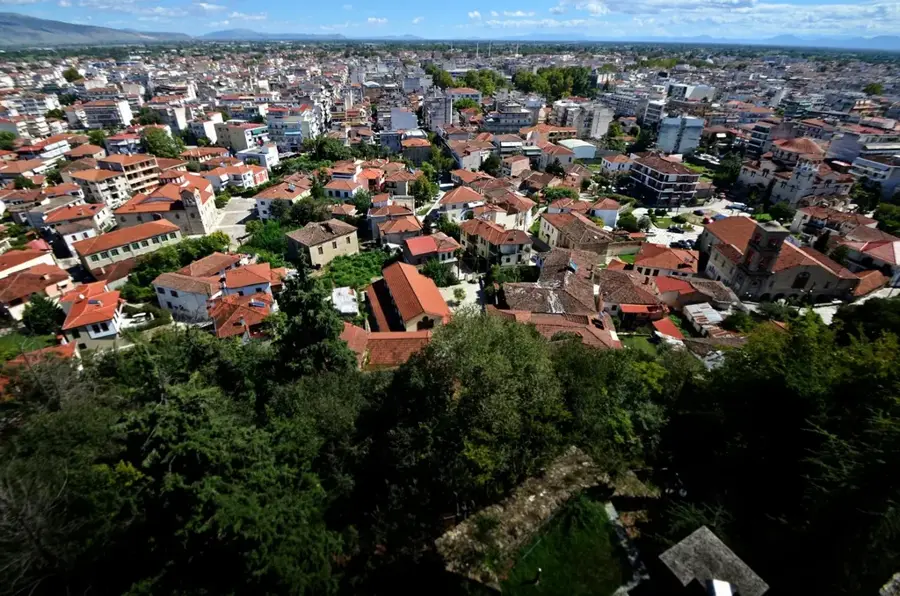
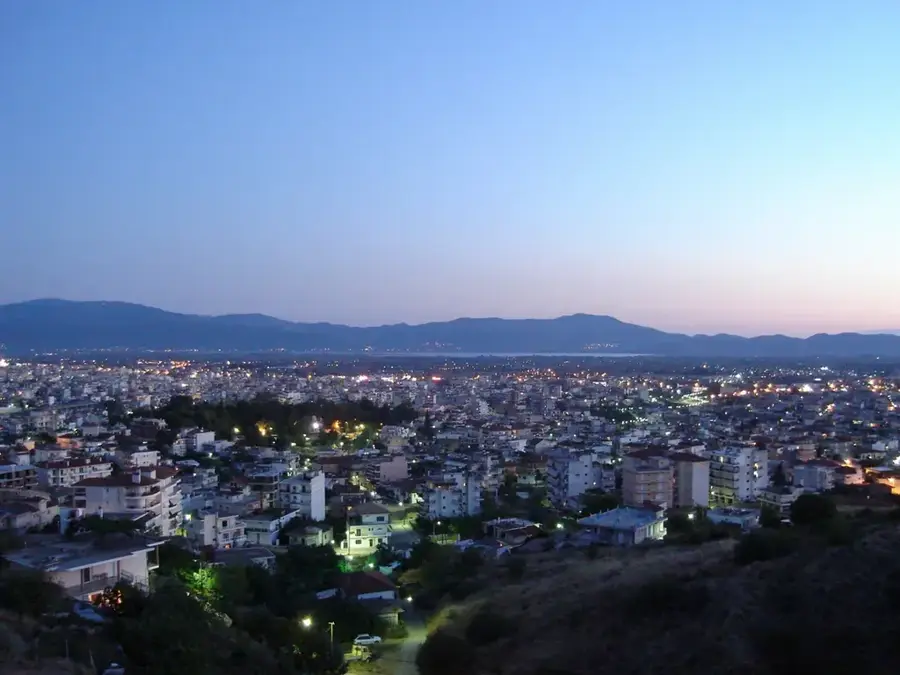
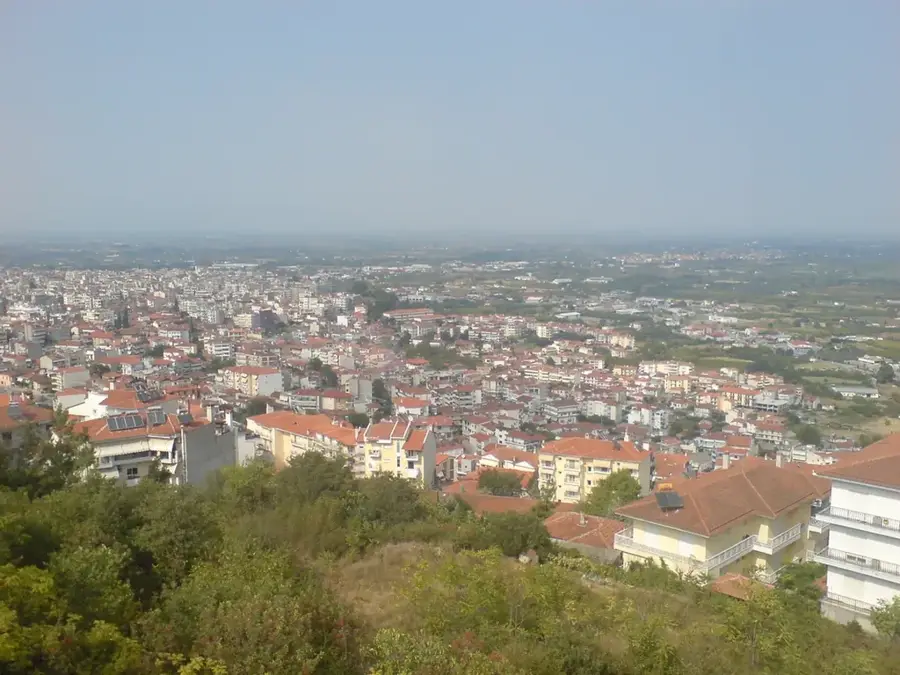
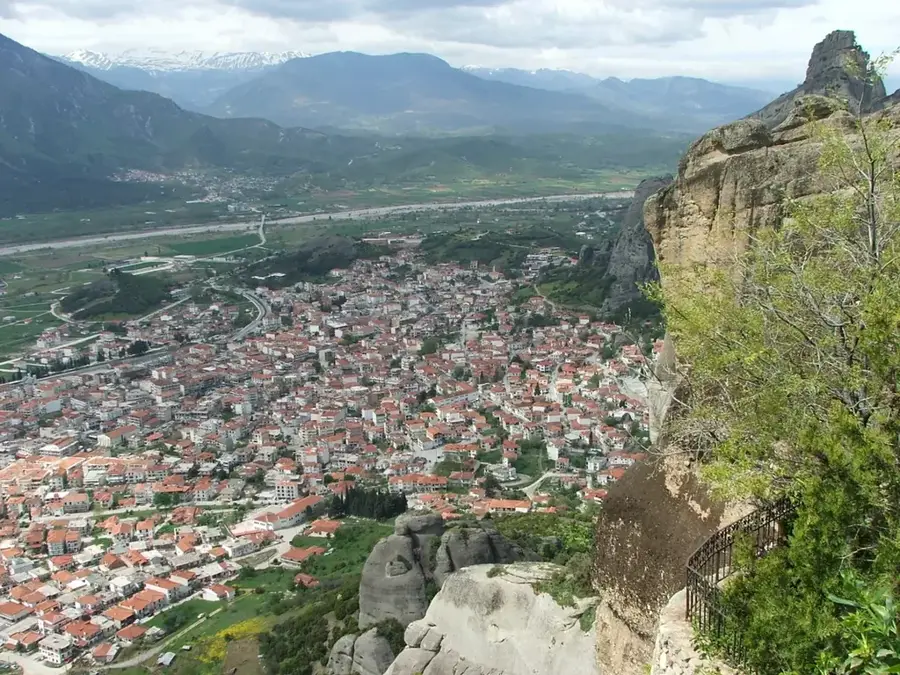
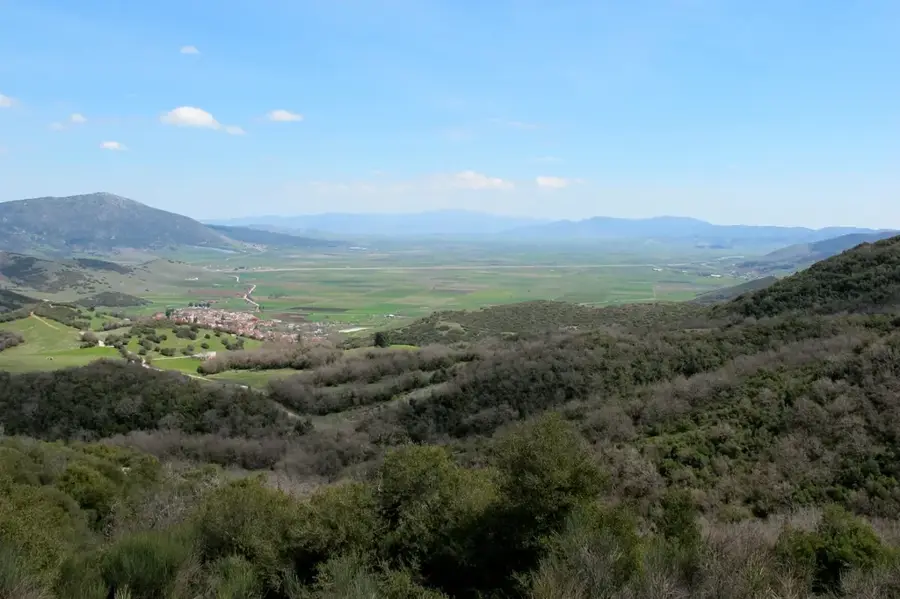
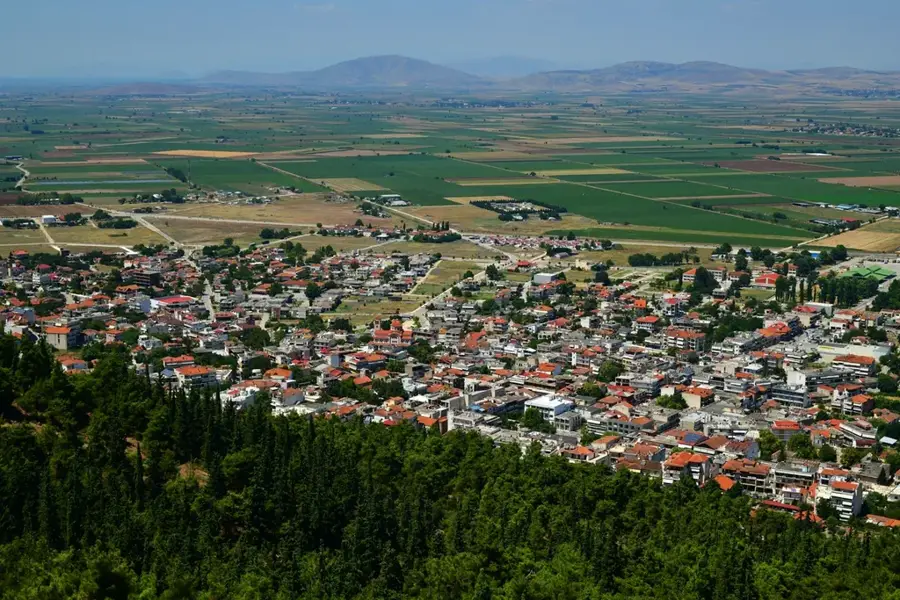
If you want to escape the bustle, take a short walk uphill for a sweeping view over the Thessalian plain.
Water temperature…
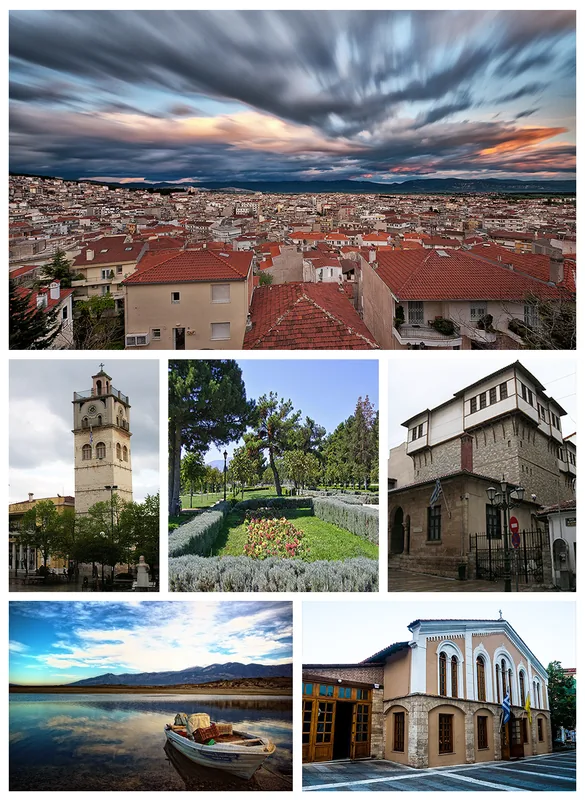
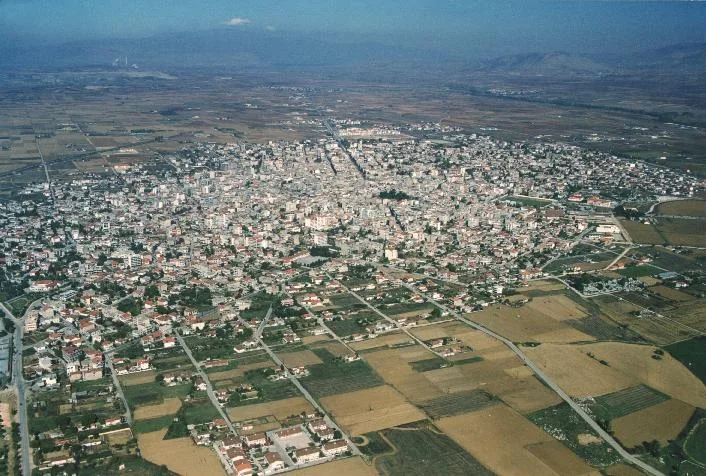
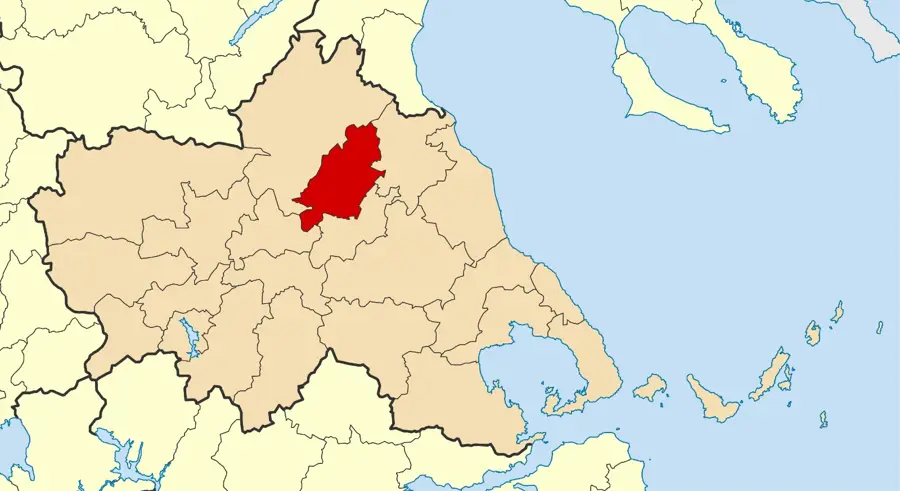
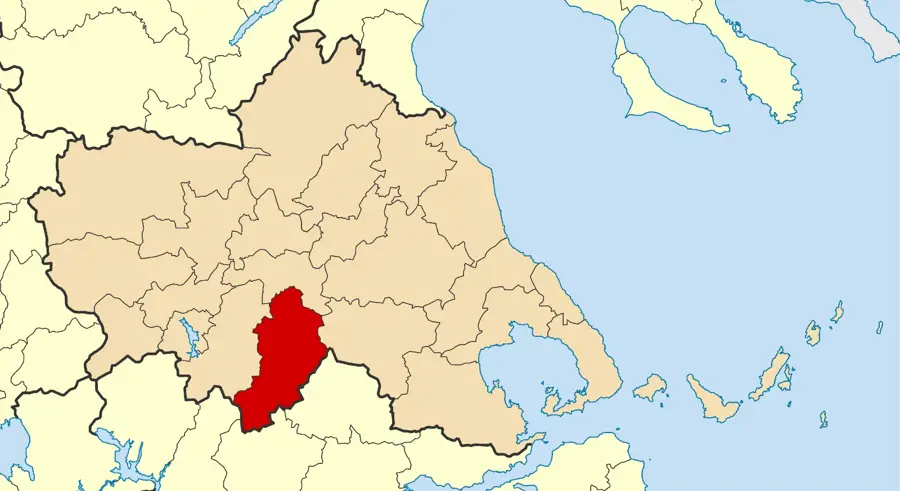
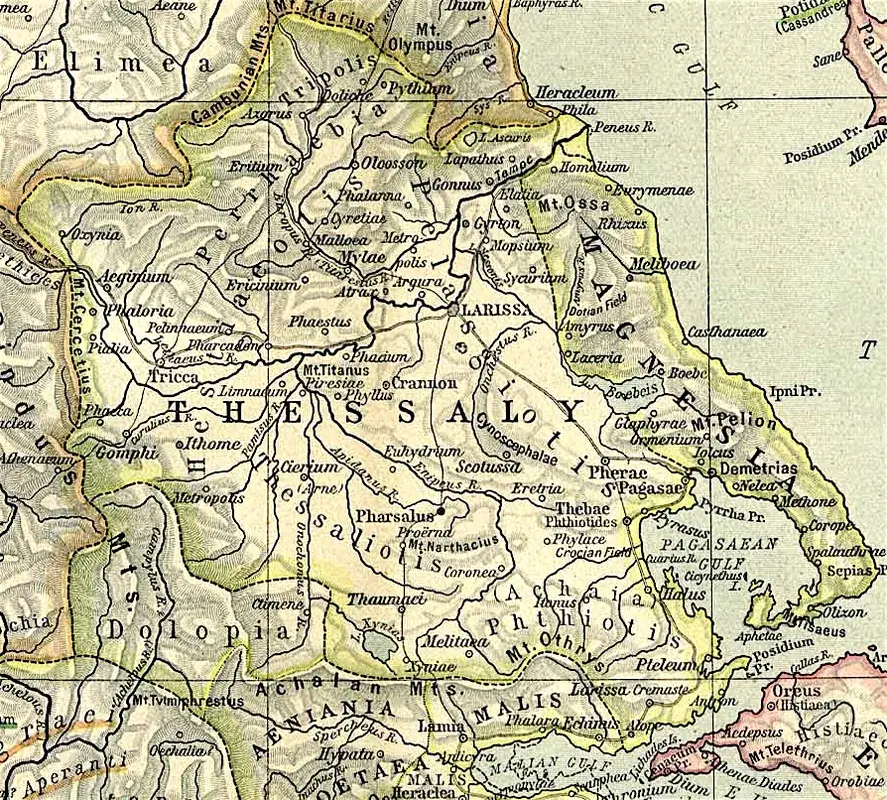
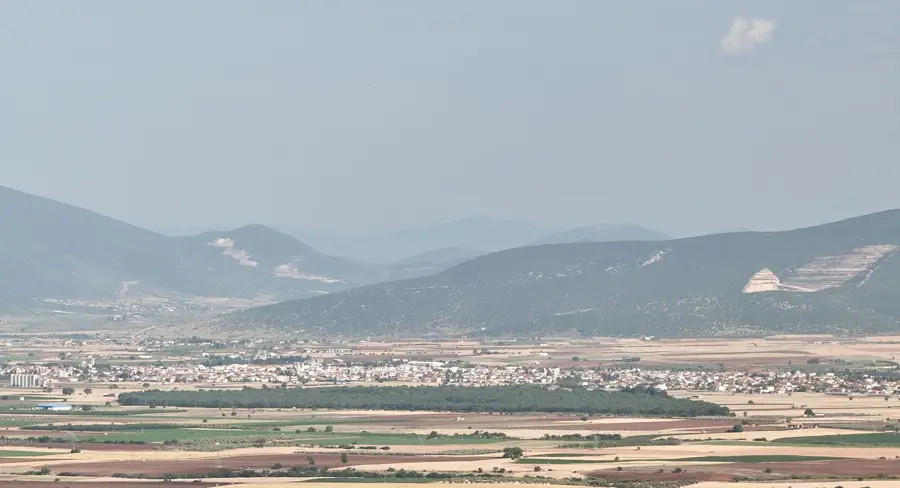
Farsala is a historic town in southern Thessaly, situated at the foot of Mount Narthaki. It gained worldwide fame as the site of the Battle of Pharsalus in 48 BC, where Julius Caesar achieved a decisive victory over Pompey the Great, effectively ending the Roman Republic. Ancient Pharsalus was a major city of the Thessalian League, and significant remnants of its polygonal walls and acropolis still overlook the modern town. In modern times, Farsala is equally renowned for its culinary heritage, specifically 'Halva Farsalon,' a unique caramelized sweet with a distinct gelatinous texture. The town serves as a strategic crossroads between central and northern Greece. Its surrounding plains are among the most productive in the country, specializing in high-quality cotton and grain production. Despite suffering damage from multiple earthquakes during the 20th century, Farsala remains a bustling market town that carefully preserves both its monumental ancient past and its celebrated local flavors.
The most pleasant time to visit is May, Jun, Sep.
| Jan | Feb | Mar | Apr | May | Jun | Jul | Aug | Sep | Oct | Nov | Dec | |
|---|---|---|---|---|---|---|---|---|---|---|---|---|
| Avg °C | 6 | 7 | 10 | 14 | 20 | 25 | 28 | 28 | 23 | 17 | 12 | 7 |
| Rain mm | 49 | 43 | 50 | 33 | 36 | 29 | 29 | 22 | 48 | 54 | 48 | 60 |
Notable places around
Where do you start? We build the route here, with stops and country notes along the way.
© OpenStreetMap contributors · OpenRouteService
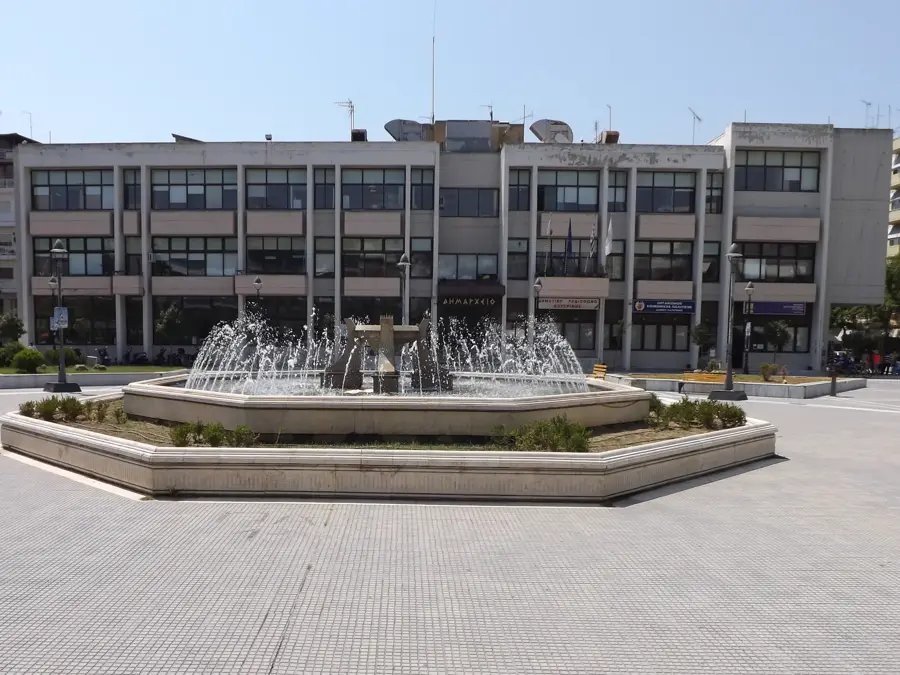
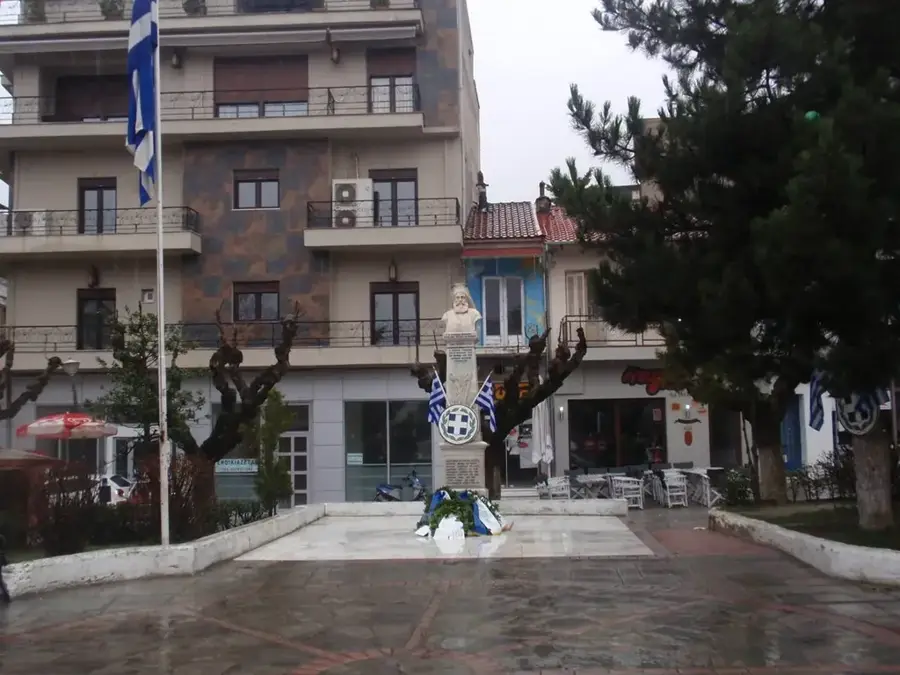
We start the day in the traditional town center, where the heart of Farsala beats. A short walk leads to the Achilles Statue, followed by historical discoveries at the museum. Before lunch, we visit the quiet Agios Antonios Church. We then stroll to the refreshing Enipeas Springs on the outskirts. The highlight is the climb to the ancient Acropolis, rewarding us with sweeping views across the Thessalian plain.
Morning rain finds you seeking shelter in the town center's cafes. Achilles' statue glimmers when wet, but watch out for puddles. By noon, the Archaeological Collection provides a dry sanctuary. Afternoon visits to the church and springs require waterproof boots as paths get muddy. The evening ends back in the core, where local dishes warm you up while the rain patters on the windows.
The winter morning starts crisp in the center with a strong Greek coffee. Achilles stands lonely in the cool wind. By noon, the museum exhibits warm both mind and body. In the afternoon, the light at the springs and acropolis is low and sharp, perfect for photos before the early sunset at 17:15. The day concludes cozily in a tavern by the fireplace.
The bike tour through Farsala combines city history with rural excursions. After visiting the Achilles Statue and having coffee in the center, we cycle to the church and the fresh Enipeas Springs. This is followed by the challenging climb to the Acropolis. We finish with a relaxing ride across the plains to the monument of the historic battle between Caesar and Pompey.
The bike tour starts under drizzle at the Achilles statue. A visor protects your eyes from spray. By noon, the route leads through the center to the springs; tires have less grip on wet asphalt. The afternoon climb to the acropolis is strenuous and slippery. The day ends with a ride to the battle monument, where the wind whips the rain.
Crisp morning air greets you at the Achilles statue. Wearing gloves and thermal pants, you ride through the center to the church. At noon, the climb to the Enipeas springs provides natural warmth through movement. The highlight is the ancient acropolis, where the winter wind whistles. The tour ends at the battle monument just before the light fades at dusk.
By car, we explore Farsala in clusters. First, we park in the center, walking to the Achilles Statue, through the old town, and to the museum. We then drive towards the Enipeas Springs and leave the car to hike to the Cave of the Nymphs and the Acropolis. We conclude with a short drive into the plains to the monument of the great Battle of Pharsalus.
The drive starts dry inside the car at the Achilles statue. Through the center, you head to the Archaeological Collection, with parking near the entrance. At noon, roads toward the springs and nymphs' cave are greasy. The afternoon climb to the acropolis offers great views of the rainy plain before concluding the tour safely inside the vehicle at the battle monument.
A frosty morning begins with the car at the Achilles statue. The heater is on as you drive through the center to the collection. At noon, the drive to the springs and cave is scenic with frost covering nature. In the afternoon, the acropolis offers a clear vista over Thessaly. The tour concludes at the battle monument as darkness falls around 17:30.