Cultural Meeting in Larissa Folk Festival
In the last week of August this folk festival of dance and music draws many visitors to Larissa.
PlizioGo
Larissa is famous for its tsipouradika. Head to the streets around Frourio Hill for authentic spots serving small plates with local spirit.
Try local cheeses in traditional bakeries or tavernas in the center; the region is a major dairy producer.
Grab a warm, sweet or savory bougatsa from a bakery on the main pedestrian streets for a quick breakfast.
Kouma and Asklipiou streets form a large commercial pedestrian zone with numerous clothing boutiques and local shops.
Look for the weekly street markets (laiki) in various neighborhoods to buy fresh Thessalian produce and herbs.
A large, lush park along the Pineios river, convenient for a peaceful walk away from the city buzz.
The area around the patron saint's church on the hill features quiet moments and nice views over the park and river.
Water temperature…
In the last week of August this folk festival of dance and music draws many visitors to Larissa.
From June to August one of Greece's oldest summer festivals brings opera, concerts, theatre and exhibitions to Larissa.
In late June dance groups from around the world present traditional dances, music and costumes in Larissa.
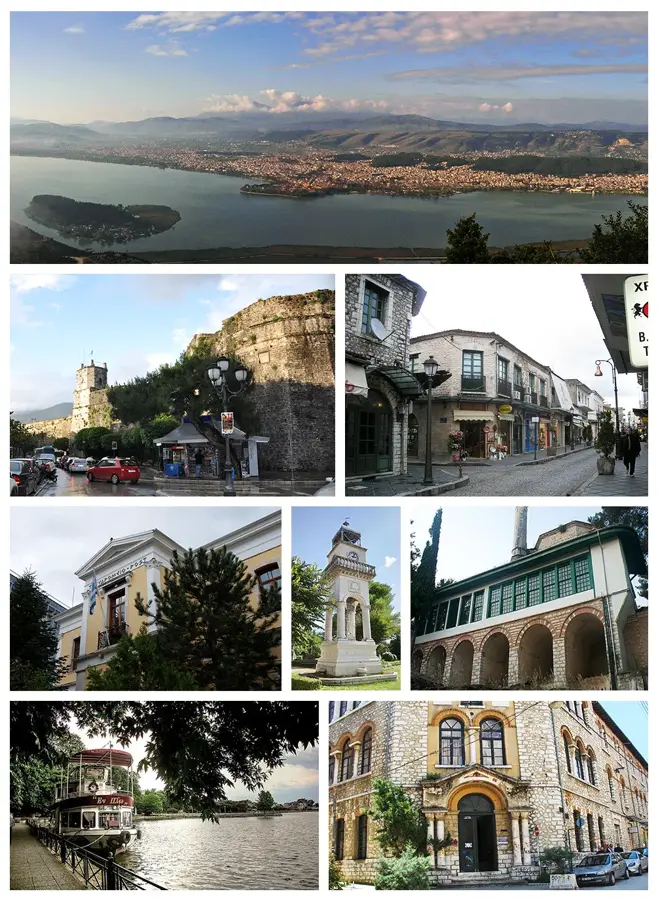
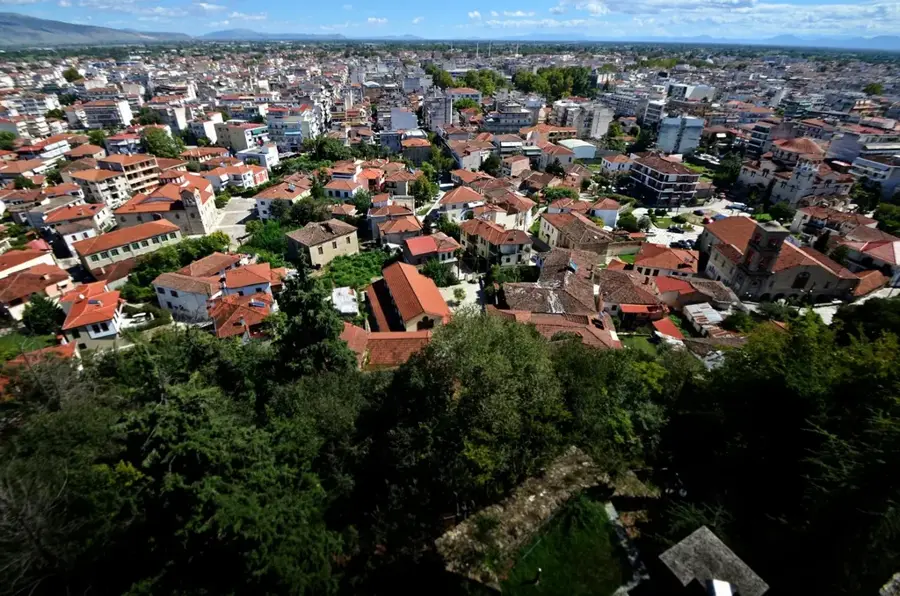
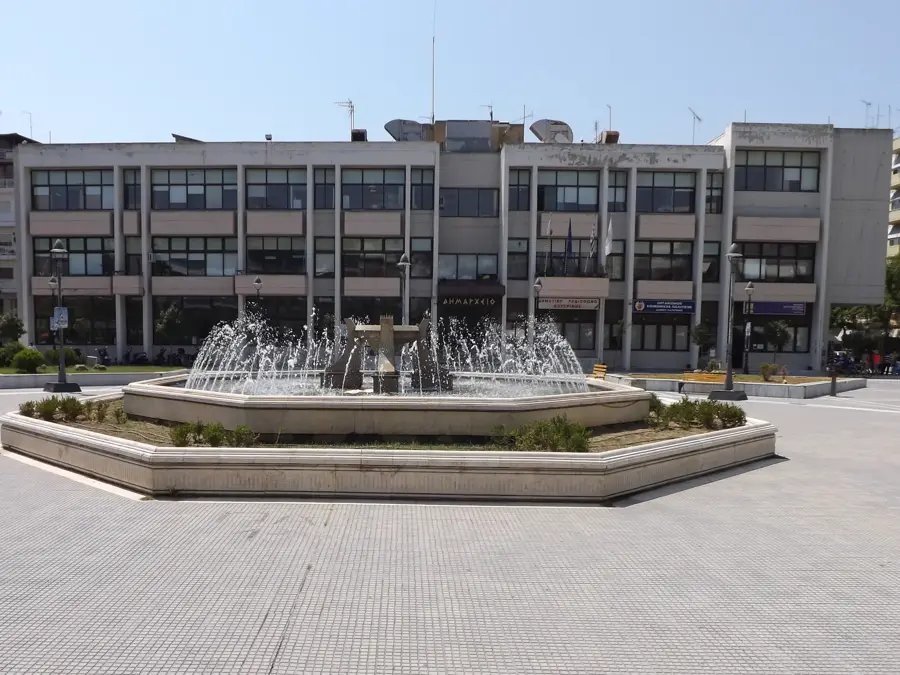
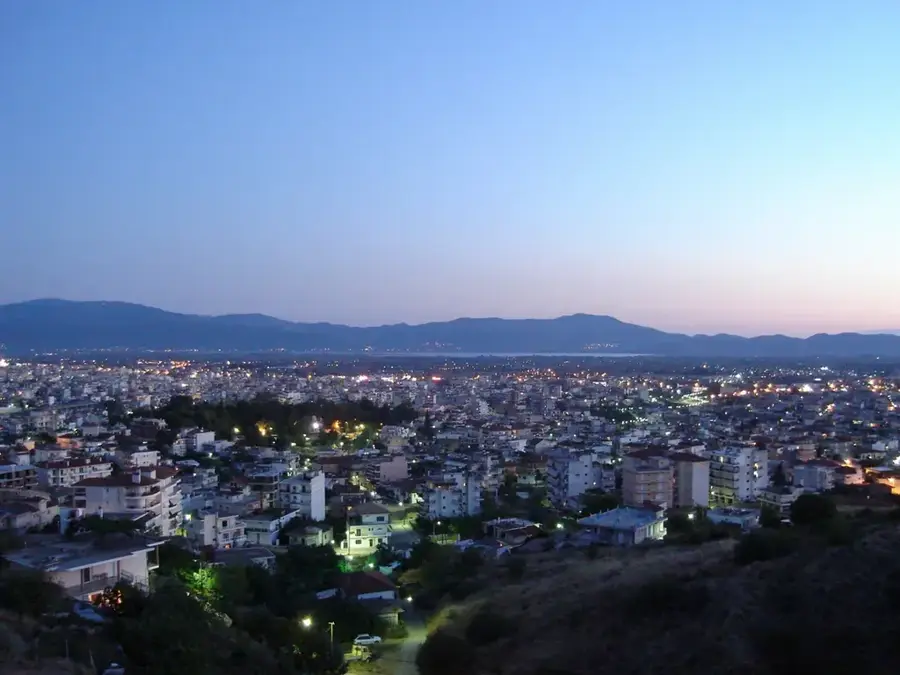
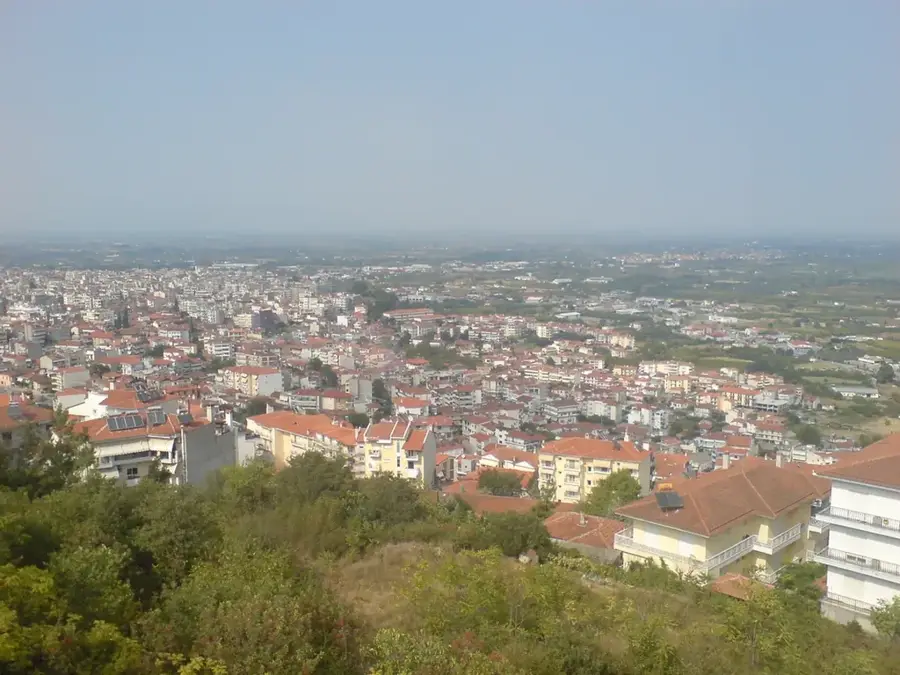
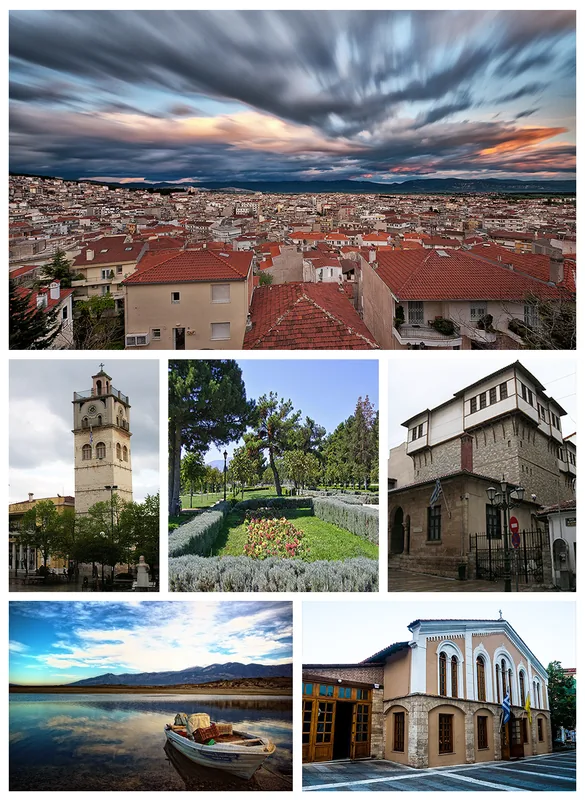
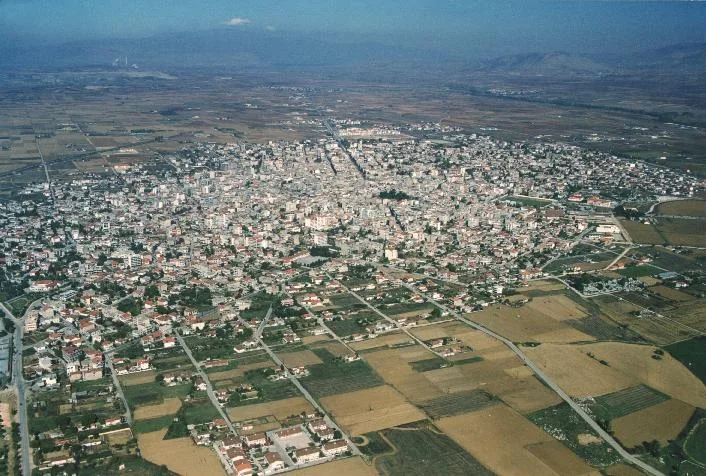
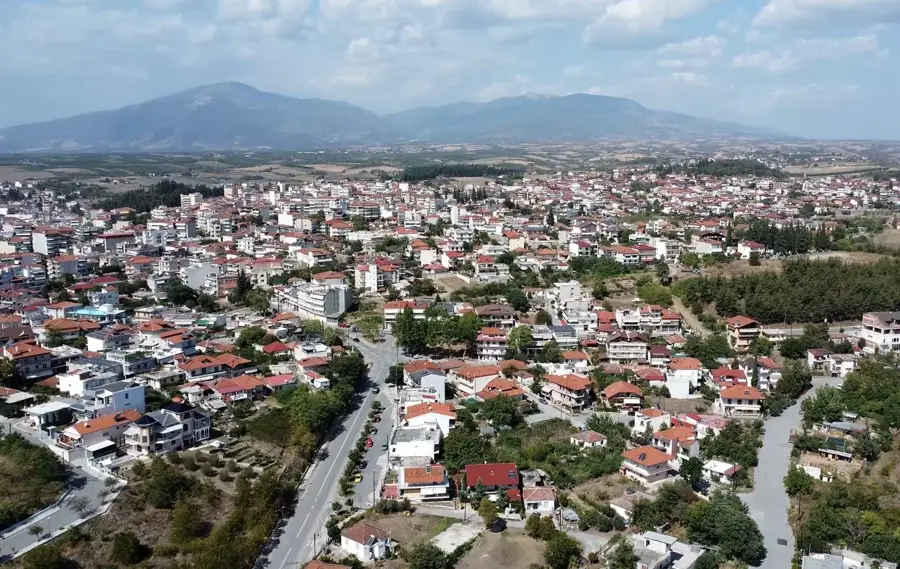
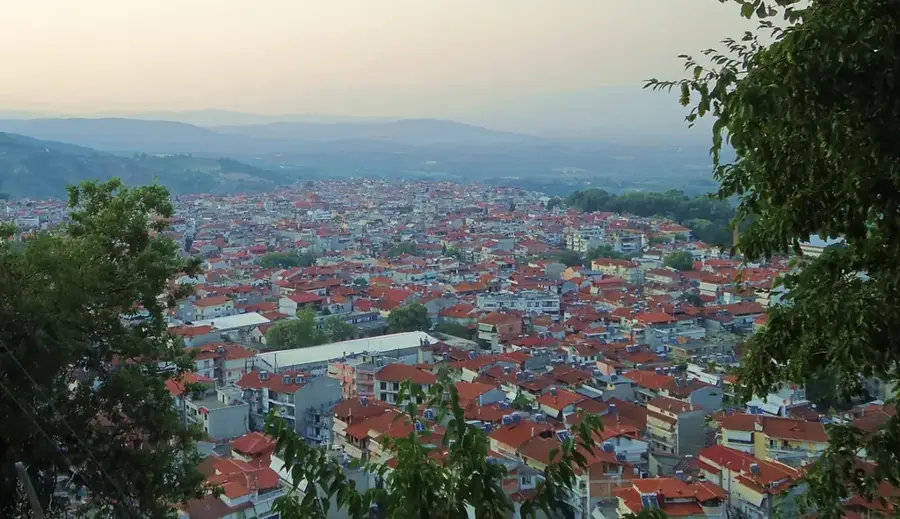
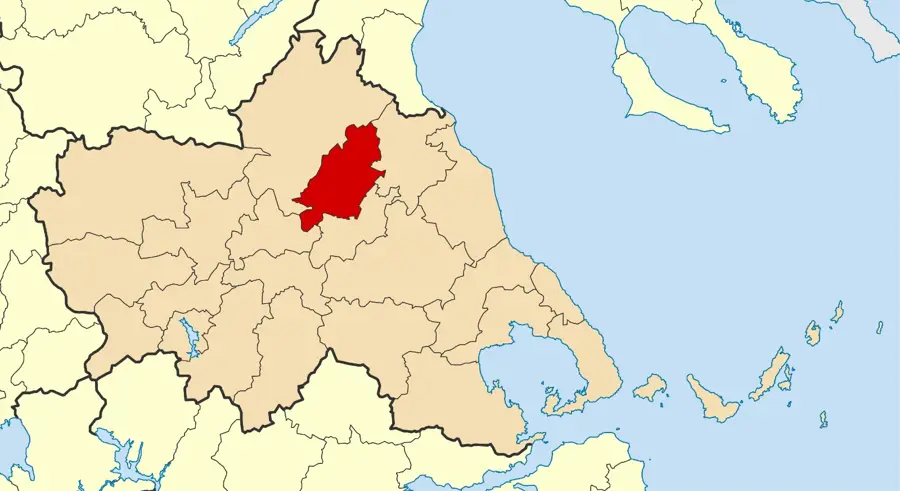
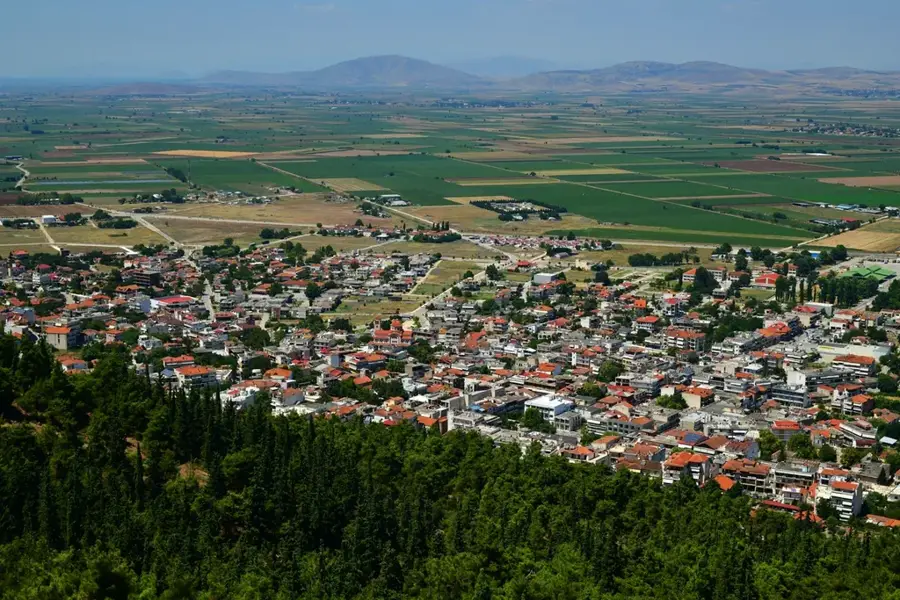
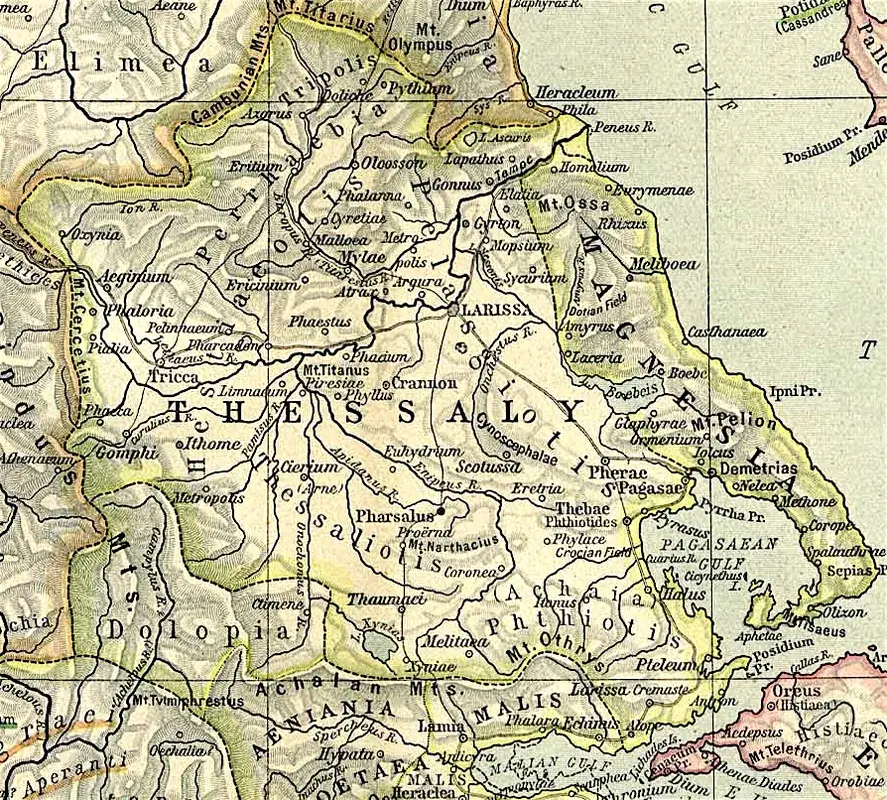
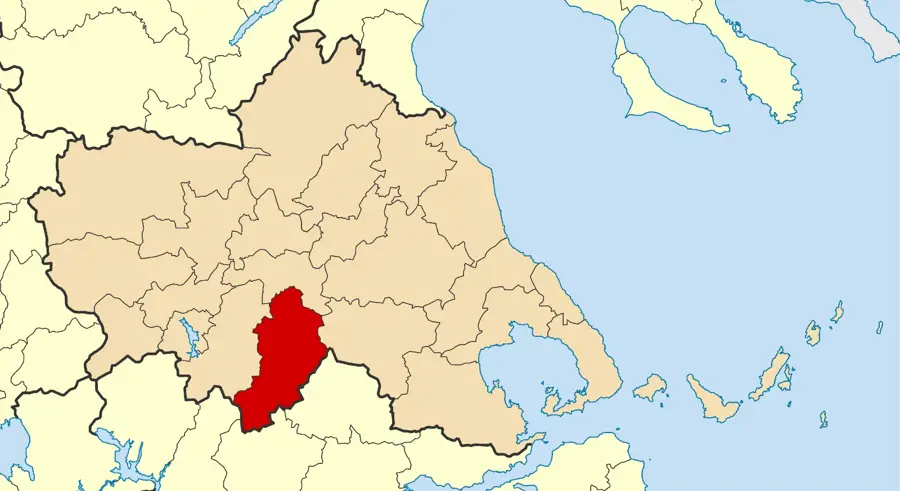
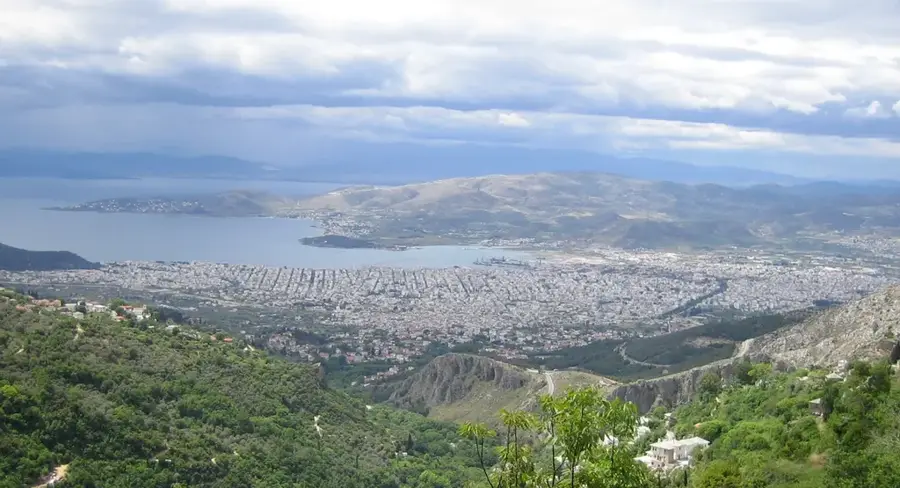
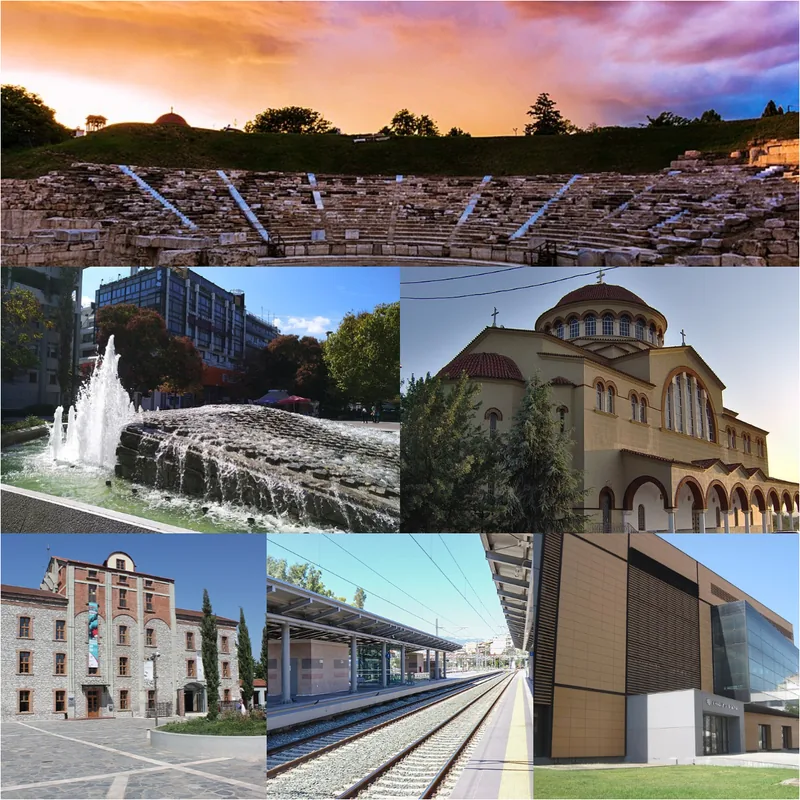
Larissa is the capital of the Thessaly region, situated in the center of the fertile Thessalian plain along the banks of the Peneios River. Boasting over 8,000 years of history, it is one of Greece's oldest continuously inhabited cities, serving as a crossroads of civilizations. Its most prominent archaeological landmark is the First Ancient Theater of Larissa, built in the 3rd century BC, which was among the largest and most significant in ancient Greece. Today, the city has developed into a major agro-industrial hub, playing a pivotal role in the country's agricultural production and food processing. The modern urban landscape is characterized by extensive pedestrian zones, numerous parks, and a spirited social scene centered around its many squares. Larissa hosts the Diachronic Museum, which chronicles the region's rich history from the Paleolithic era to the present day. Its central geographic position makes it a vital transportation node for road and rail networks between Athens and Thessaloniki. The local economy is supported by commerce, public services, and a significant military presence. Larissa successfully integrates its ancient heritage with the requirements of a modern, bustling administrative center.
The most pleasant time to visit is May, Jun, Sep.
| Jan | Feb | Mar | Apr | May | Jun | Jul | Aug | Sep | Oct | Nov | Dec | |
|---|---|---|---|---|---|---|---|---|---|---|---|---|
| Avg °C | 6 | 7 | 10 | 14 | 20 | 25 | 28 | 28 | 23 | 17 | 12 | 7 |
| Rain mm | 49 | 43 | 50 | 33 | 36 | 29 | 29 | 22 | 48 | 54 | 48 | 60 |
See what it looks like near Larissa right now.
Larissa › South-west · 2.4 km · Open webcam on Windy · Webcams provided by Windy.com
Notable places around
Where do you start? We build the route here, with stops and country notes along the way.
© OpenStreetMap contributors · OpenRouteService
Your day in Larissa begins in the heart of the city, the bustling Bezesteni Market. After a glimpse into local life, you'll travel back in time at the impressive ancient theatre. At midday, you'll explore the city's spiritual side at the Agios Achillios Church and pay tribute to Hippocrates. The afternoon is dedicated to the rich history showcased at the Diachronic Museum and the industrial past at the Mill of Pappas. The day concludes with a peaceful stroll in the green Alkazar Park, reflecting on the day's experiences.
Morning starts under the arcades of the Central Square to stay dry. By noon, the marble of the Ancient Theatre gleams dramatically in the rain. Spend the afternoon exploring the vast indoor galleries of the Diachronic Museum. The evening concludes at the Mill of Pappas, where industrial heritage and indoor culture provide a perfect rainy retreat.
Winter mornings in Larissa are often misty, giving the Central Square a mystical feel. At noon, the low sun warms the ancient stones of the theatre. Spend the afternoon in the cozy warmth of the Diachronic Museum. With sunset around 5 PM, we reach Alcazar Park just as the evening lights flicker on.
Your bike tour of Larissa starts in the green Alkazar Park, perfect for a warm-up. From there, you'll cycle to the witnesses of industrial history, the Mill of Pappas and the Diachronic Museum. After a deep dive into history, it's time for a lunch break at the lively Bezesteni Market. The afternoon takes you to the ancient wonders of the theatre and the quiet beauty of the Yeni Mosque. You'll finish your tour at the magnificent Church of Agios Achillios, a spiritual landmark of the city.
We start by the river where rain refreshes the leaves of Alcazar Park. Cycling to the Mill of Pappas requires focus on the wet paths. By noon, the Diachronic Museum provides a dry sanctuary for both bike and rider. In the afternoon, we navigate carefully back through the city center toward the historic churches.
Crisp winter air by the Pinios river wakes you up instantly in the morning. Ride through Alcazar Park to the mill as the sun glints through bare branches. At noon, the hilltop museum provides a warm refuge. The tour finishes in the late afternoon at the illuminated city center near the basilica.
Your car day begins in the museum district. Park near the Diachronic Museum and explore this cultural cluster on foot, including the Mill of Pappas and Alkazar Park. After lunch, you'll drive to the historic center. Park your car securely and immerse yourself in the ancient atmosphere of the theatre, the majestic Agios Achillios Church, and the bustling Bezesteni Market. This approach combines the convenience of the car with the joy of discovery on foot.
By car, we reach the Diachronic Museum on the hill comfortably and dry. Next, we head to the Mill of Pappas, where parking nearby is a major advantage in the rain. The afternoon takes us to Alcazar Park for a quick stroll between showers, before wrapping up the day in the bustling market district.
On a chilly winter morning, the car quickly whisks us to the Diachronic Museum, where the heating is already on. Next is the Mill of Pappas, its brickwork glowing warmly in the winter light. A brief stop at Alcazar Park offers fresh air before we seek warmth in the city center near the market.
A historical Ottoman-era covered market building in Larissa.
A significant Ottoman monument in Larissa that formerly served as a mosque.
The ruins of the second ancient theatre of Larissa, dating back to the Roman period.
A historical mill in Larissa now functioning as a cultural center.
Kipotheatro Alkazar is an open-air theatre in the Alkazar Park of Larissa, used for concerts.
The French Institute in Larissa is a cultural center in a historic building, promoting French language and arts.