Agrinio Tobacco Festival
The festival honours Agrinio's history as the city of tobacco with exhibitions, live music, folk dance and local food and wine.
PlizioGo
Agrinio is known for excellent grill houses; head to the bustling psistaries around Dimokratias Square for dinner.
Look for the specific local variety of table olives at the morning markets or specialized grocery stores.
Try a piece of freshly baked ravani at one of the classic pastry shops in the central pedestrian zone.
Walk along Papastratou Street and its side alleys for boutique clothing, shoes, and modern retail shopping.
The region produces excellent olive oil and local spirits like tsipouro; ask for local labels in wine shops.
A huge, green oasis right in the city with old trees, walking paths, and shaded benches for reading.
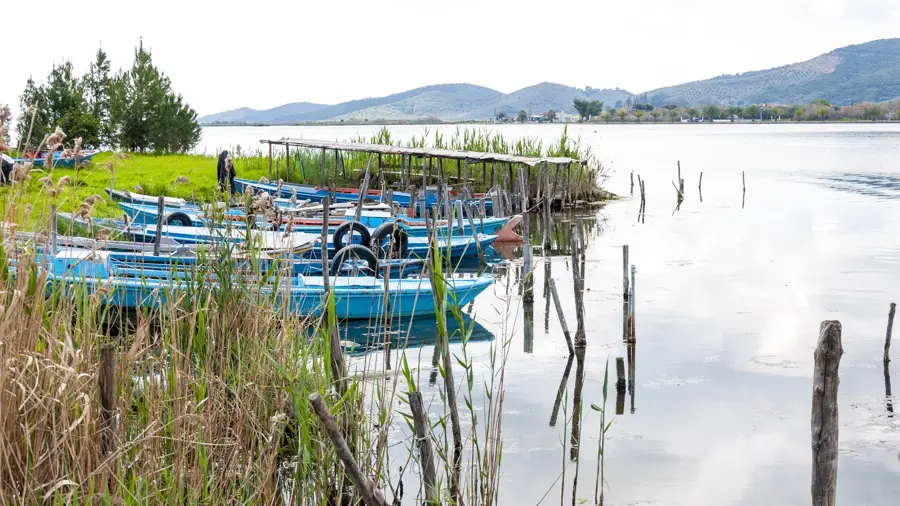
Take a drive to the lake's edges (like near the village of Myrtia) for an absolute escape into nature with tranquil waterside views.
Water temperature…
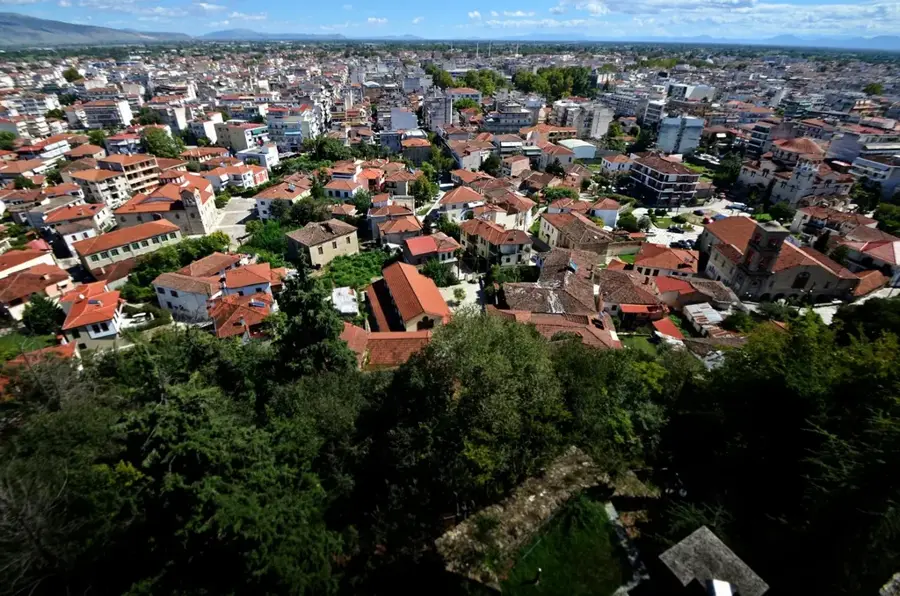
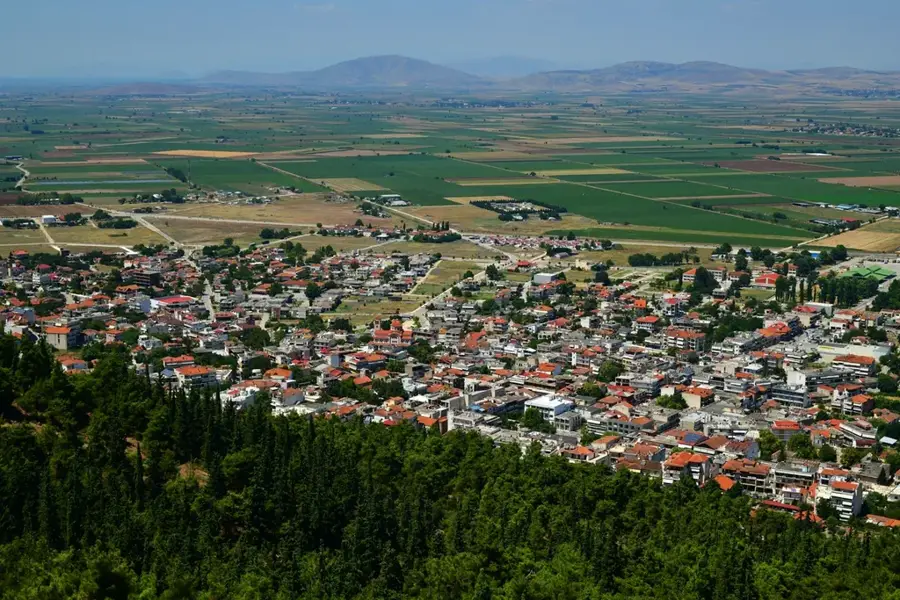
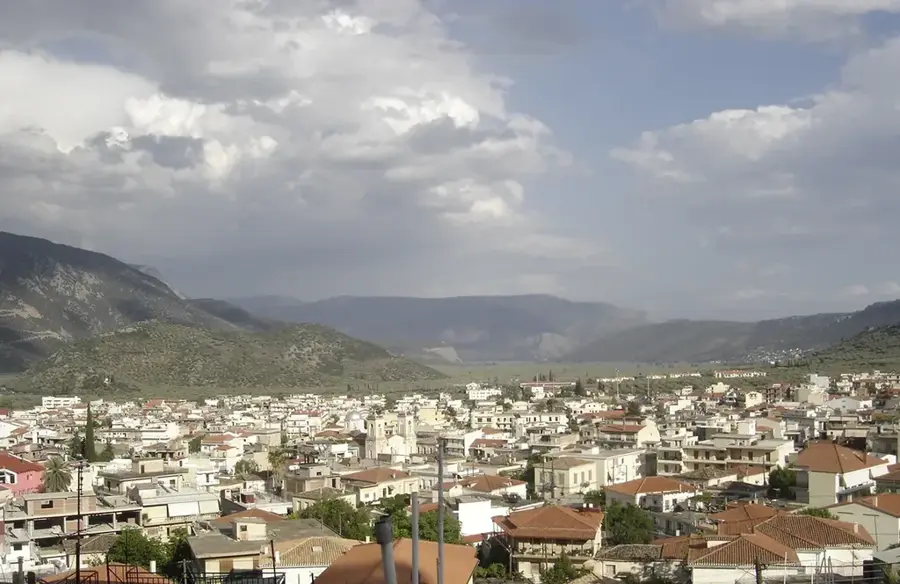
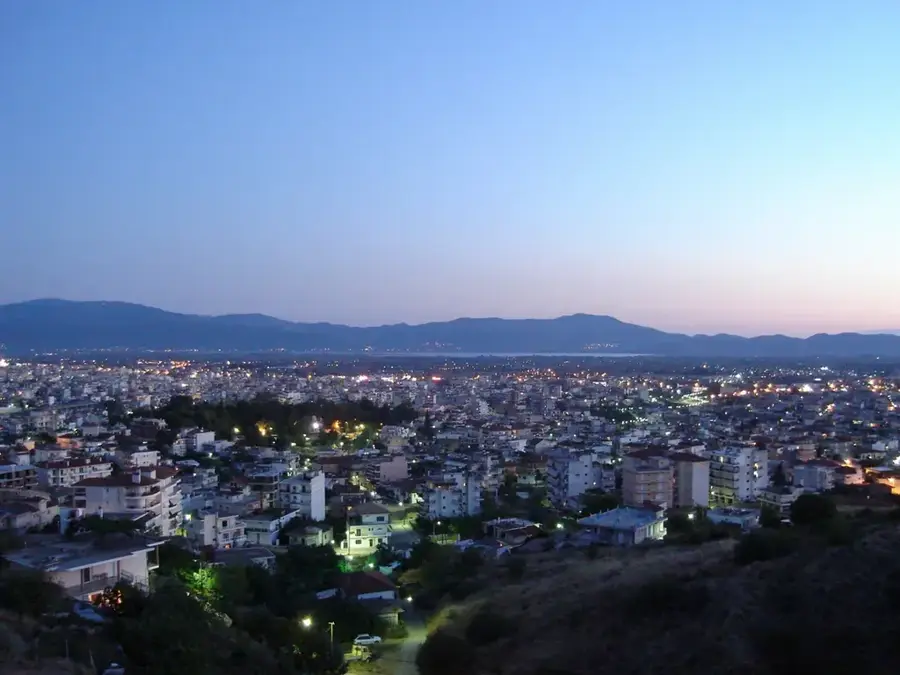
Agrinio is the largest city in the Aetolia-Acarnania regional unit of western Greece and serves as the region's primary economic and cultural hub. The city's history is inextricably linked to tobacco production, which brought significant wealth during the 19th and early 20th centuries and shaped the urban landscape with monumental tobacco warehouses. Although the ancient city of Agrinium dates back to Hellenistic times, modern Agrinio developed into a major urban center following the establishment of the modern Greek state. The city is situated in a fertile plain near Lake Trichonida, Greece's largest natural lake and a vital ecosystem for the region's biodiversity. Culturally, Agrinio gives notable institutions like the Archaeological Museum and the Folklore Museum, which document the rich history of western Greece. The architecture features a blend of modern buildings and preserved neoclassical structures that recall the golden era of the tobacco trade. Today, Agrinio remains a dynamic commercial center, benefiting from its strategic position on the national highway between Patras and Ioannina.
The most pleasant time to visit is May, Jun, Sep.
| Jan | Feb | Mar | Apr | May | Jun | Jul | Aug | Sep | Oct | Nov | Dec | |
|---|---|---|---|---|---|---|---|---|---|---|---|---|
| Avg °C | 9 | 10 | 12 | 15 | 20 | 24 | 27 | 28 | 24 | 19 | 15 | 11 |
| Rain mm | 104 | 81 | 67 | 40 | 29 | 20 | 17 | 16 | 61 | 86 | 107 | 126 |
Notable places around
Where do you start? We build the route here, with stops and country notes along the way.
© OpenStreetMap contributors · OpenRouteService
Your day in Agrinio starts at the vibrant Democracy Square. From there, you'll explore the city's historical and industrial heritage, like the old tobacco warehouses. In the afternoon, immerse yourself in local art at the Papastrateio Museum and the Christos Kapralos Gallery. The day concludes with a relaxing stroll in the green Papastratos Park, an oasis of calm in the city center.
The morning starts at the rain-slicked Democracy Square, utilizing the arcades for shelter. At noon, we explore the Church of Saint Christopher and the tobacco warehouses, which look evocative in the mist. The afternoon is spent indoors at the Papastrateio Museum and Kapralos Gallery. We finish the day with the fresh scent of rain in Papastratos Park, under the canopy of mature trees.
On a crisp winter morning, we enjoy the fresh air at Democracy Square with a hot Greek coffee. At noon, we warm up in the church and explore the cool history of the tobacco warehouses. The afternoon is reserved for heated museums before catching the early sunset at Papastratos Park. Evening falls quickly, and the city lights brighten the wintry atmosphere.
By bike, you'll explore Agrinio in a flexible way. After a start at Democracy Square, your route takes you to Papastratos Park. The afternoon is dedicated to art and history, with visits to the Christos Kapralos Gallery and the archaeological museum. In between, you'll discover the unique architecture of the tobacco warehouses and the spiritual tranquility of the Church of Saint Christopher.
Despite the rain, we start cautiously from Democracy Square. The route takes us through the green paths of Papastratos Park, where the trees offer some cover. At noon, we visit the Kapralos Gallery and the church while keeping our bikes locked safely. We spend the afternoon at the museum and tobacco warehouses, always watching out for slippery road surfaces.
The winter bike tour starts briskly at Democracy Square. We cycle through the quiet Papastratos Park, enjoying the cool breeze. At noon, we visit the Kapralos Gallery and warm up in the church. The afternoon leads us to the museum and tobacco warehouses, making the most of the daylight before it gets significantly colder in the late afternoon.
By car, you can explore the diverse surroundings of Agrinio. The morning begins with a journey into the past at Ancient Stratos. Back in the city, park your car and explore the center on foot, including the archaeological museum. The afternoon offers a contrast with a drive to the scenic Lake Trichonida, where you can enjoy nature and tranquility, far from the urban hustle.
We start our drive to Ancient Stratos in the rain, giving the ruins a mystical aura. At noon, we park conveniently in the center near Democracy Square for a quick stroll. After the museum visit, we enjoy a hearty lunch in a warm taverna. We spend the afternoon at Lake Trichonida, enjoying the views from the comfort of the car.
The winter morning takes us to Ancient Stratos, where the ruins gleam in cool light. At noon, we return to the center of Agrinio and visit the museum. A warming lunch sustains us for the drive to Lake Trichonida in the afternoon. There, we enjoy the wintry silence and the early sunset over the water before turning the car heater back up.
The regional municipal theatre of Agrinio is a key cultural venue in the city.
The archaeological museum of Agrinio displays finds from the ancient region of Aetolia.
The municipal park of Agrinio gives extensive green spaces for recreation.
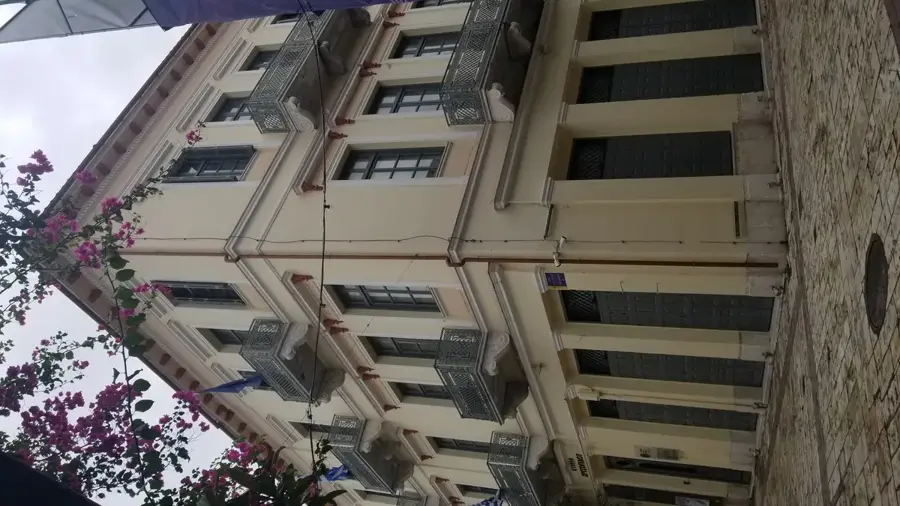
A historical manor house in Agrinio representing local architecture.