Meteora Mushroom Festival
Organized by the Natural History Museum and Mushroom Museum of Meteora every year at the end of summer, with concerts, talks, mushroom dishes and traditional dancing.
PlizioGo
A hearty, rustic dish native to the region. Order it at the traditional tavernas in the old town or the neighboring village of Kastraki.
Try the handmade savory pies filled with cheese or wild greens available at local bakeries around Kalambaka.
The local lamb is of excellent quality. Best enjoyed at a rustic meat-focused taverna.
Find authentic, hand-painted Byzantine icons at the foot of Meteora. Look for workshops where you can watch the artists work.
The surrounding forests are rich in fungi. Buy local truffle oils at deli shops or near the Natural History Museum.
A wonderful edible souvenir, often sold by small-scale producers at roadside stands near the monasteries.
Take a walk in the upper, older part of the town right under the rocks, which is noticeably less crowded with tourists.
The neighboring village features quiet paths that lead directly into the rock formations and towards small, abandoned hermitages.
Water temperature…
Organized by the Natural History Museum and Mushroom Museum of Meteora every year at the end of summer, with concerts, talks, mushroom dishes and traditional dancing.
Cultural program of the Municipality of Kalambaka from early June to late September with theatre, concerts of traditional and international music, dance performances and exhibitions.
Annual spring festival in Kastraki bringing climbers to the towering Meteora sandstone pillars, with competitions and community activities.
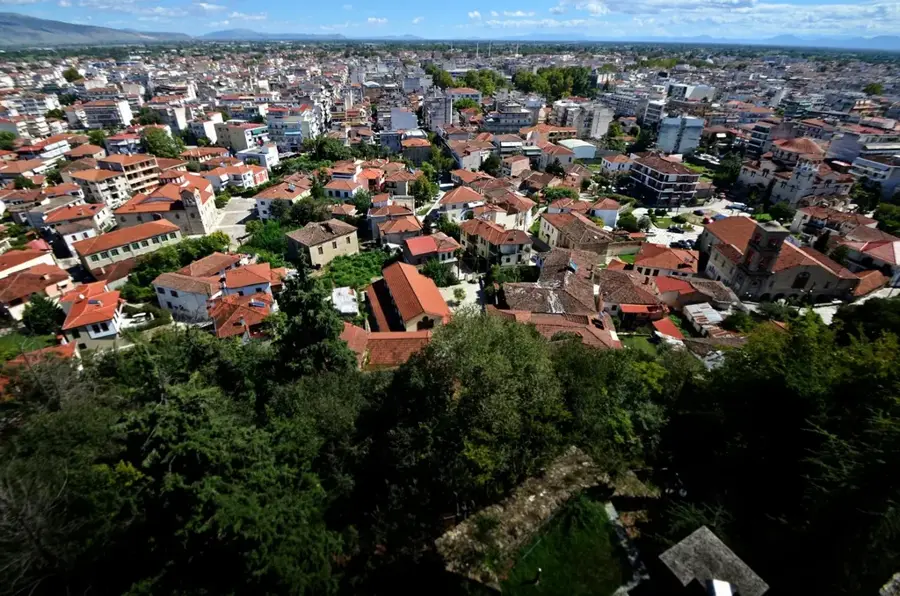
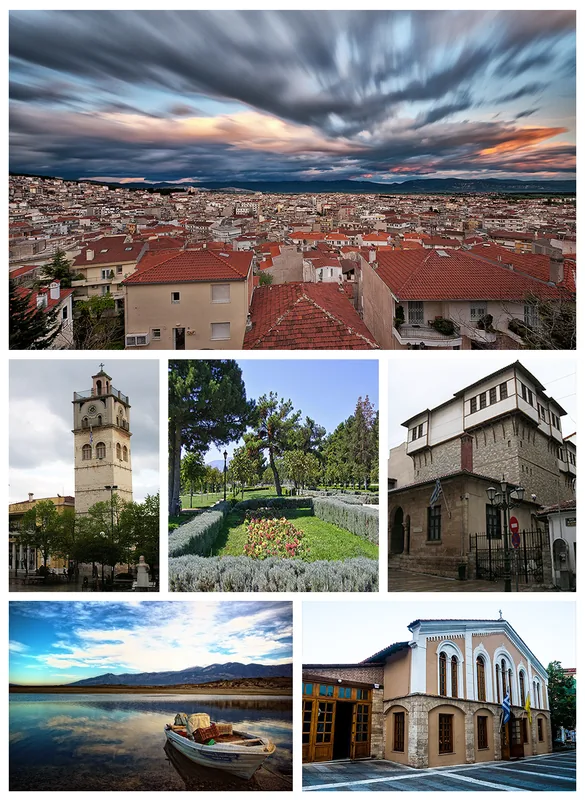
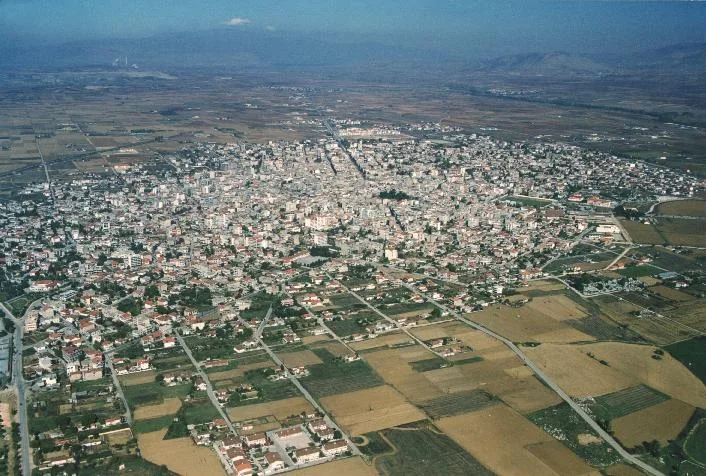
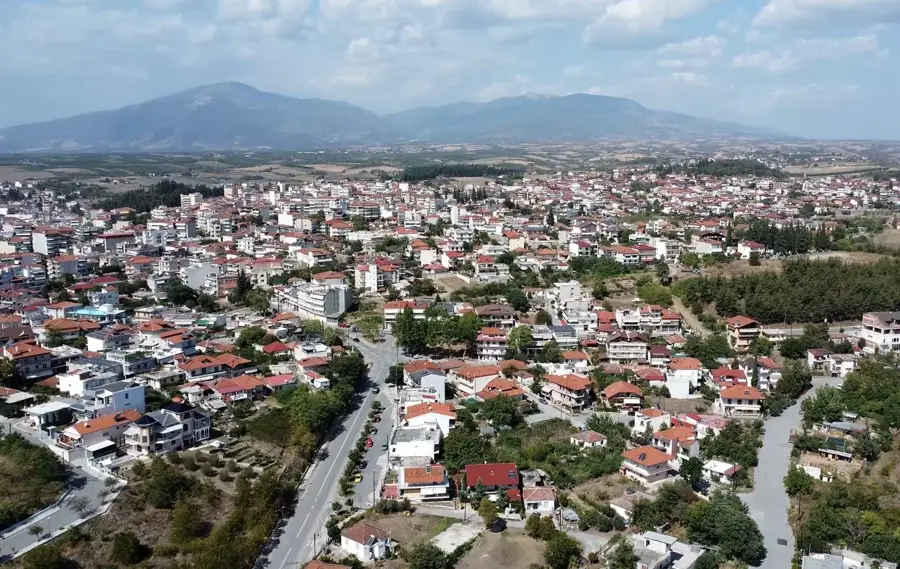
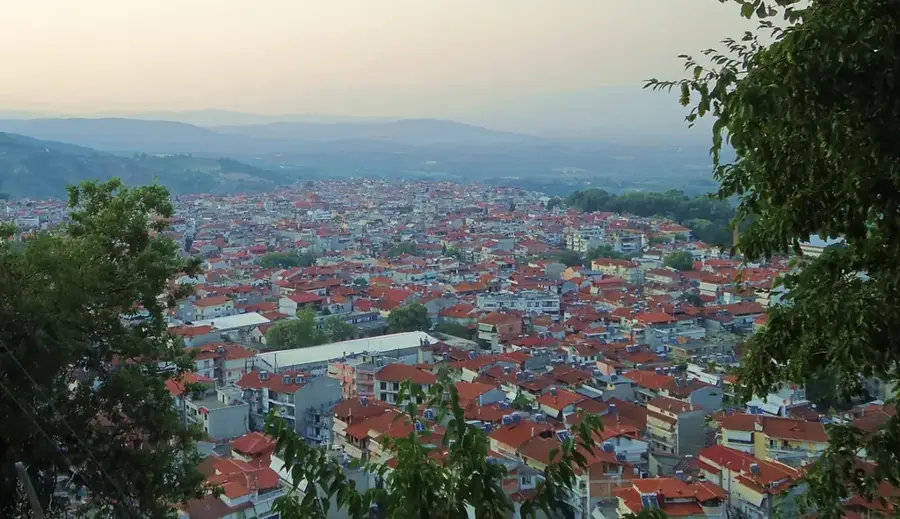
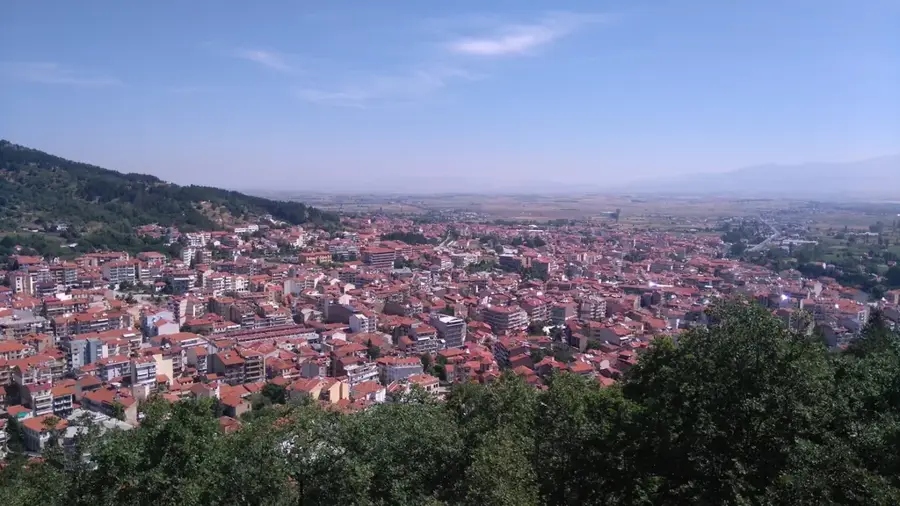
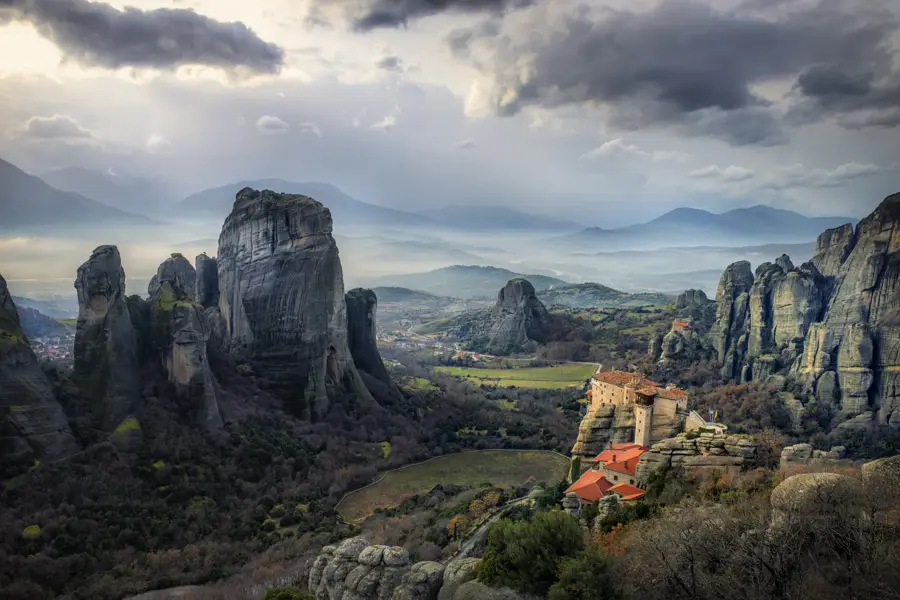
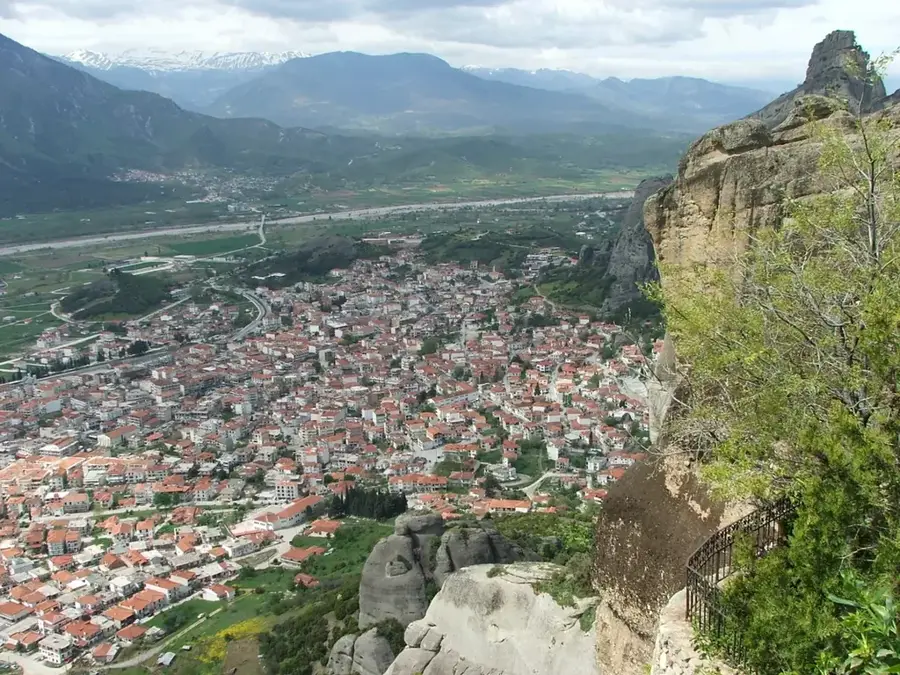
Kalambaka is a town in the Trikala regional unit of Thessaly, situated at the base of the towering Meteora rock formations. The town occupies the site of the ancient city of Aiginion, which was a strategic stronghold during the Roman conquest of Macedonia. Historically, it has faced numerous challenges, most notably in 1943 when it was almost completely destroyed by German occupying forces during World War II. Its most significant landmark is the 11th-century Church of the Dormition of the Virgin Mary, which incorporates ancient marble structures and Byzantine frescoes into its design. Today, Kalambaka serves as the primary hub for millions of visitors traveling to the UNESCO-listed Meteora monasteries. The local economy is driven by international tourism, but also maintains strong roots in agriculture and traditional crafts such as hagiography and wood carving, which have flourished in the shadow of the holy rocks for centuries.
The most pleasant time to visit is Jun–Aug.
| Jan | Feb | Mar | Apr | May | Jun | Jul | Aug | Sep | Oct | Nov | Dec | |
|---|---|---|---|---|---|---|---|---|---|---|---|---|
| Avg °C | 1 | 2 | 5 | 8 | 13 | 19 | 22 | 22 | 17 | 12 | 7 | 2 |
| Rain mm | 72 | 62 | 60 | 40 | 43 | 29 | 26 | 23 | 60 | 74 | 79 | 90 |
See what it looks like near Kalambaka right now.
Kalambaka › West: Koromilia · 5.4 km · Open webcam on Windy · Webcams provided by Windy.com
Notable places around
Where do you start? We build the route here, with stops and country notes along the way.
© OpenStreetMap contributors · OpenRouteService
Start your hiking day in the charming village of Kastraki. From there, a challenging but rewarding climb takes you to the monasteries of Rousanou, Varlaam, and the majestic Great Meteoron. Every step reveals new, breathtaking perspectives of the rocky landscape. After the spiritual morning, ascend to the Psaropetra viewpoint for the perfect panoramic photo. The afternoon leads you back to Kalambaka, where you'll dive into local natural history at the museum before ending the day at the historic Byzantine church. A day full of exercise, spirituality, and unforgettable views.
In the morning, mist envelops Kastraki, giving the Meteora rocks a mystical aura. At noon, the monasteries of Rousanou and Varlaam provide dry refuge and spiritual silence. In the afternoon, the museum is the perfect place to learn about nature while it rains outside. The evening concludes in a cozy Kalambaka tavern with local wine, far from the wet weather.
A clear winter morning in Kastraki offers sharp contrasts between stone and sky. At noon, the sun warms the monastery walls while you enjoy the view. The afternoon belongs to culture at the museum, sheltered from the cold wind. You reach the church just in time for the early sunset before the night chill descends over the valley.
This challenging bike tour is for experienced riders. After a gentle start at the museum in Kalambaka, you'll cycle towards Kastraki. From there, the intense climb to the Monastery of Rousanou begins. The reward is a breathtaking view. Continue uphill to the Psaropetra viewpoint for a well-deserved break. The longest section then takes you on a long descent to the prehistoric Theopetra Cave. The tour ends with a relaxing ride back to the center of Kalambaka, where a hearty meal awaits.
The bike tour starts at the museum, where you begin the day dry. The road to Kastraki involves wet asphalt, requiring full concentration. At noon, monastery visits provide breaks from the saddle and the rain. Despite the weather, riding through the cloud-covered Meteora is an unforgettable athletic experience that ends in central Kalambaka with a hot tea.
The winter morning is ideal for a museum visit to get your circulation going. The climb to Kastraki keeps you warm while the cool air sharpens your senses. At noon, enjoy the clear views from the monasteries. The ride to Theopetra Cave leads through the quiet winter landscape before ending the day in Kalambaka's lively center with traditional specialties.
Maximize your time with a car. Start early at the remote Theopetra Cave. Then drive up into the mountains to the first monastery cluster: park at the Great Meteoron and walk to the neighboring Varlaam and the Psaropetra viewpoint. After this spiritual morning, drive to the impressive Monastery of Rousanou. Treat yourself to a late lunch in the picturesque village of Kastraki. Finish with a final stop in Kalambaka, parking your car to explore the Natural History Museum and the historic Byzantine church on foot. Efficient and comprehensive.
Rainy days are perfect for a car tour of the Meteora monasteries. You start dry at Theopetra Cave and travel comfortably from monastery to monastery. At noon, enjoy the dramatic view from Varlaam while the wipers keep the vision clear. A relaxed lunch in Kastraki provides warmth before concluding the day cozy at the museum and the old church.
A winter day in the car allows you to explore the entire Meteora region comfortably. In the morning, Theopetra Cave is sheltered from the wind. At noon, the drive between monasteries offers dreamlike views of snow-capped peaks in the distance. A warm lunch in Kastraki strengthens you for the afternoon before visiting the museum and enjoying the sunset at the old church.
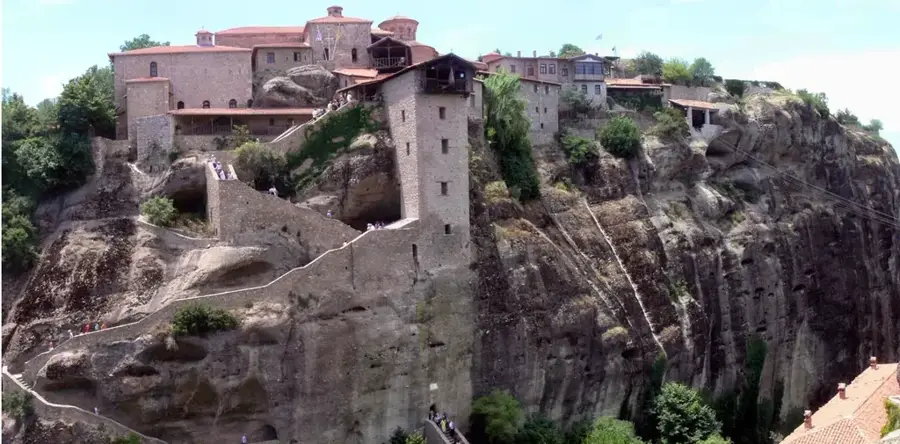
A significant Meteora monastery that is easily accessible via a bridge.