Plizio Visual Lab

Vashlovani National Park
Plizio editorial teamData Sources
national-park
—°4
Vashlovani National Park (Georgia)

Weather…

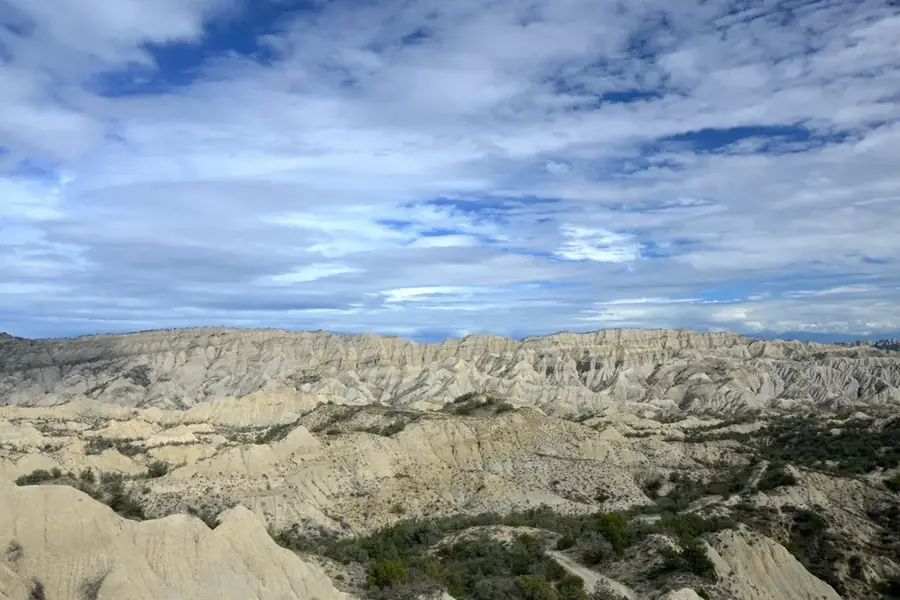
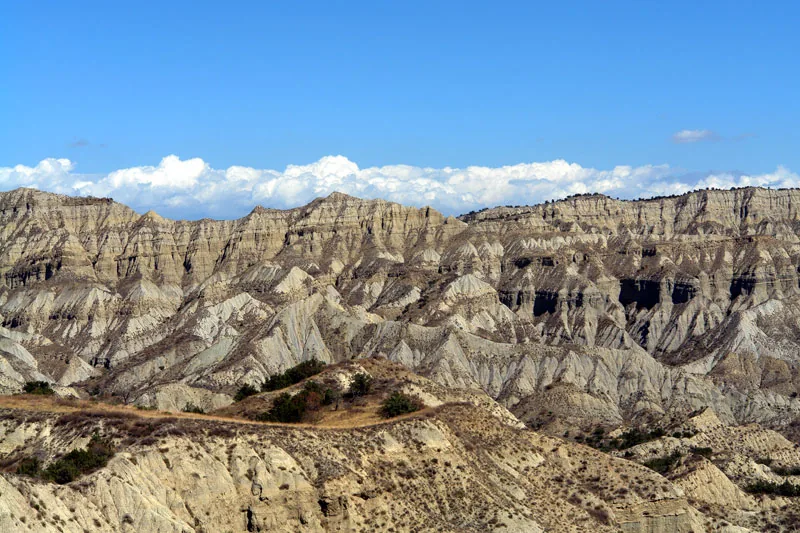
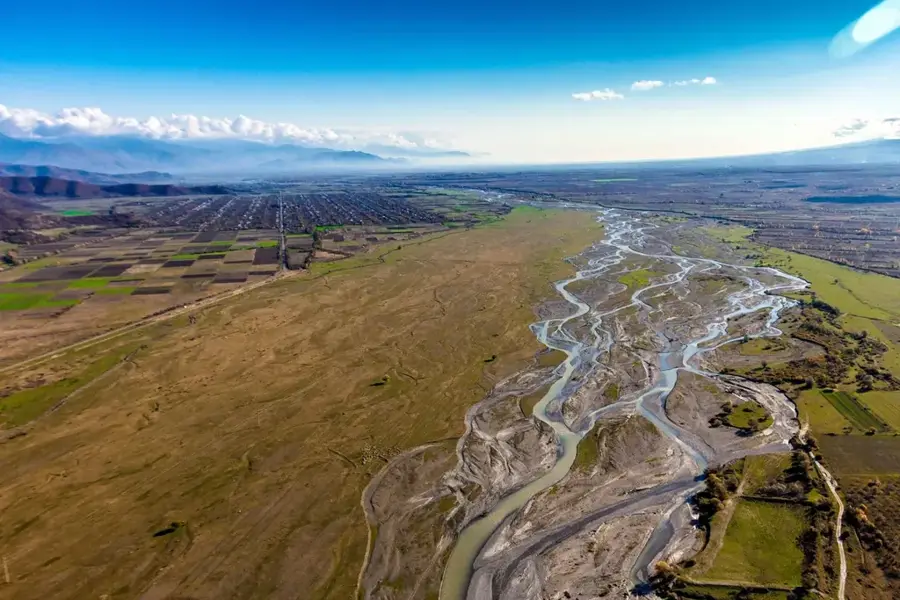
Vashlovani National Park is located in the extreme southeast of Georgia on the border with Azerbaijan, covering an area of approximately 25,114 hectares. The landscape is unique for the region, characterized by a semi-arid climate, impressive badlands, deep canyons, and steppe vegetation. Originally, the area was designated as a nature reserve as early as 1935 to protect rare pistachio forests and the Caucasian leopard. Geologically, the area is known for its fossil sites and mud volcanoes, which bear witness to the region's marine past. The Pantishara Canyon gives spectacular geological formations, often referred to as the 'city of swallows'. Despite the dry conditions, the park hosts a diverse fauna, including striped hyenas, brown bears, and a vast variety of birds of prey. In recent years, traces of the extremely rare Caucasian leopard have been repeatedly documented here. The vegetation is dominated by wild pistachio trees and juniper, which have adapted to the extreme temperature fluctuations.

Best time to visit & climate

The most pleasant time to visit is May, Jun, Sep.

JanFebMarAprMayJunJulAugSepOctNovDec
Avg °C3591420252828231694
Rain mm182033476144282533412314

📋 Practical info

🧭
Getting there
The usual gateway is the town of Dedoplistskaro, where visitors must officially register at the administration center before proceeding any further. The rugged dirt tracks inside the park strictly demand a high-clearance 4x4 vehicle.
📅
Best season
Spring (April to May) beautifully transforms the semi-desert into a lively green landscape blooming with wildflowers, while autumn features milder hiking temperatures. Mid-summer is generally extremely hot and very heavily populated with annoying insects.
⛰️
Terrain & paths
The diverse terrain includes rolling semi-desert plains, deep arid canyons, and remarkable bubbling mud volcanoes. Unpaved tracks can quickly become completely impassable after heavy rain, suddenly turning into thick, remarkably slippery mud.
🎒
What to bring
Essential items include plenty of drinking water, sturdy hiking shoes, and highly effective sun protection. Binoculars are absolutely excellent for birdwatching, and carrying your own food is necessary as there are zero shops inside the reserve.
🅿️
Parking
Parking is typically available at designated ranger shelters, basic campsites, and near major natural attractions like the Takhti-Tepa mud volcanoes. Always stick firmly to the established parking areas to help protect the very delicate, dry ecosystem.
⚠️
Safety
Be highly aware of the local wildlife, particularly potentially dangerous venomous snakes like the Levantine viper, which are very common in the warmer months. Inform the rangers of your exact route plans before venturing deep into the park territory.
⏱️
Time needed
A comprehensive, rewarding visit usually takes one to two full days, typically requiring at least one overnight stay in the park's basic cabins or designated campsites to fully experience the expansive landscape and diverse, unique wildlife.

Geography

Coordinates
41.20000, 46.46670

Facts

  • The first reserve was established as early as 1935.
  • The national park category was officially granted in the year 2003.
  • The Takhti-Tepha mud volcanoes are located within the park.
  • The area is situated at an average altitude of 300 to 600 meters.
  • Fossilized elephant bones were discovered in the Pantishara Canyon.
  • The park is home to over 600 different plant species.

Explore nearby

Notable places around
Route planner — Car & Motorhome

Where do you start? We build the route here, with stops and country notes along the way.

Vehicle
Only stops with (optional):

© OpenStreetMap contributors · OpenRouteService

Sights in the town Vashlovani National Park (4)

alesilebis xedi🌿 nature

Spectacular view of the heavily eroded, sharp-edged sandstone ridges of Vashlovani.

Pantishira Canyon📍 landmark

A deep canyon known for its bizarre rock formations and prehistoric fossil discoveries.

Bear Canyon📍 landmark

A narrow canyon with steep walls that serves as an important habitat for local wildlife.

Fossil elephant bone finding place📍 landmark

The site where prehistoric elephant bones were discovered, offering a glimpse into ancient wildlife.

Sights nearby

Frequently asked questions

What makes Vashlovani National Park unique?
Its semi-desert landscape with bizarre rock formations and mud volcanoes is more reminiscent of Africa than the Caucasus.
Do I need a permit to visit?
Yes, visitors must register at the visitor center in Dedoplistsqaro and pay a fee for entering the border zone.
Are there wild animals in the park?
The park is home to gazelles, jackals, and many rare birds; even leopard tracks have been found here.
Can you camp in the park?
Yes, there are designated campsites and simple huts, but you must bring all your food and enough water with you.
When is the best time to visit Vashlovani?
Spring and autumn are convenient, as summer temperatures can often rise above 40 degrees, making hiking very difficult.
Vashlovani National Park: where is it located?
Vashlovani National Park is located in Georgia.
Vashlovani National Park: what is there to see?
Highlights include alesilebis xedi, Pantishira Canyon, Bear Canyon.
Vashlovani National Park: when is the best time to visit?
The most pleasant time to visit is May, Jun, Sep.
Vashlovani National Park: why is it worth visiting?

Vashlovani National Park is located in the extreme southeast of Georgia on the border with Azerbaijan, covering an area of approximately 25,114 hectares.
View on map → The Top 50 Attractions → OpenStreetMap →
Asia
Explore with Plizio Discover more places in Asia
More places in Georgia →

Nearby cities

History & landmarks
Nature

More places