Plizio Visual Lab

Iori Plateau
Plizio editorial teamData Sources
plateau
—°5
Iori Plateau (Georgia)

Weather…

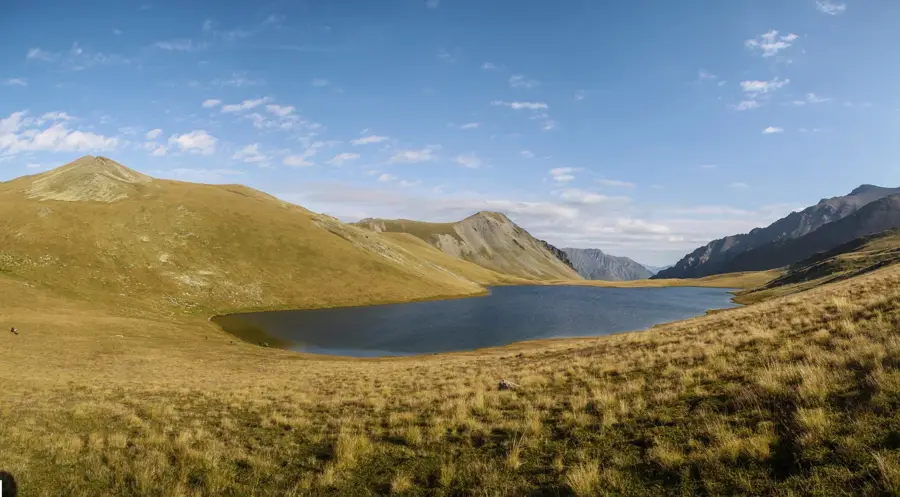
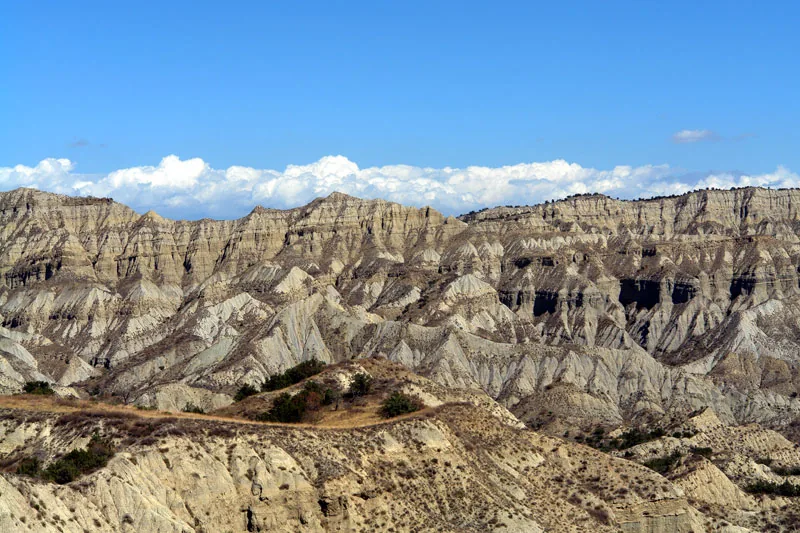
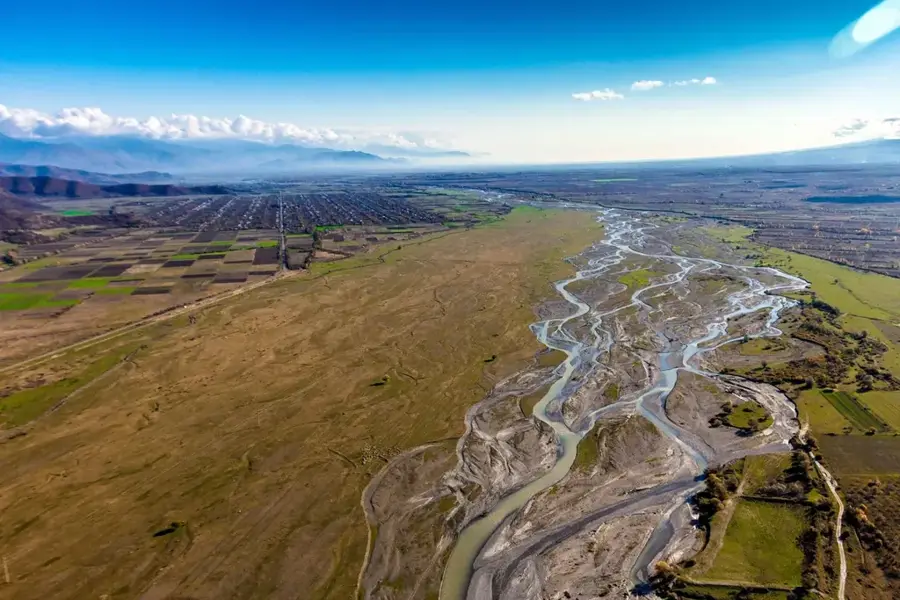
The Iori Plateau stretches across eastern Georgia, situated between the river valleys of the Iori and Alazani in the Kakheti region. This hilly upland lies at an elevation of approximately 500 to 800 meters and is defined by a dry, continental climate that has led to the formation of steppe and semi-desert landscapes. Geologically, the plateau is composed of Neogene sedimentary rocks such as sandstone, clay, and conglomerates, which erosion has often sculpted into distinct, rugged forms. Vegetation is sparse, consisting mainly of grasses and thorny shrubs, making the region an essential winter pasture for sheep flocks. During antiquity and the Middle Ages, the plateau was more densely populated, as evidenced by archaeological finds and ruins, but today it is sparsely inhabited due to water scarcity. The area encompasses several nature reserves dedicated to protecting rare plant species and birds of prey, such as the griffon vulture. The plateau's modern economic significance lies primarily in extensive pastoralism and scattered viticulture along its fringes.

Best time to visit & climate

The most pleasant time to visit is Jun, Aug, Sep.

JanFebMarAprMayJunJulAugSepOctNovDec
Avg °C2381218242726211483
Rain mm232440627852383645502918

📋 Practical info

🧭
Getting there
The area is typically explored by heading east from Tbilisi via local highways towards the Kakheti region. Unpaved, dusty side roads branch off into the sparse wilderness, usually necessitating a sturdy four-wheel-drive vehicle.
📅
Best season
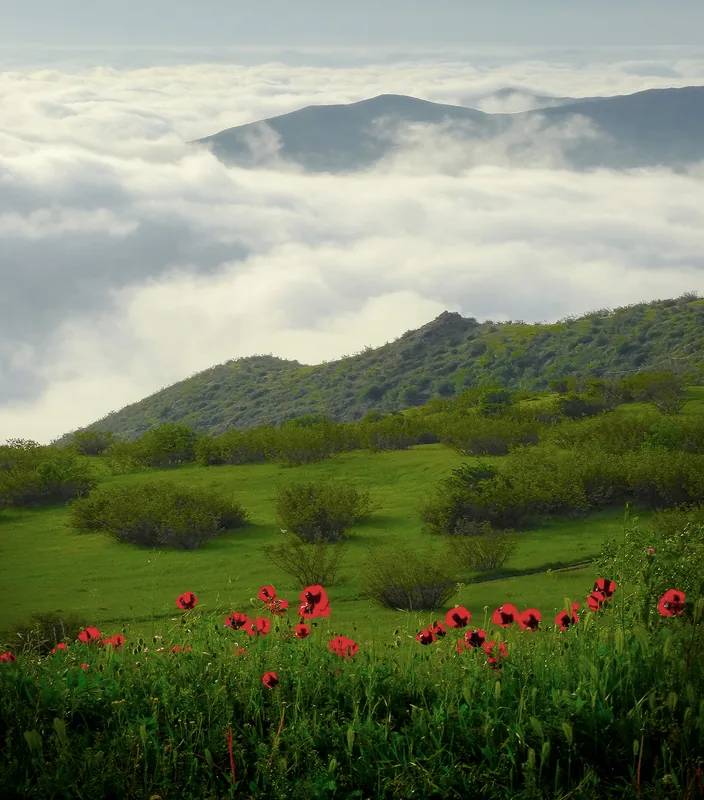
Spring is often considered the best time to visit when the normally arid steppe briefly blooms with wildflowers. Autumn is also pleasant, avoiding the scorching heat and dry conditions of the severe mid-summer months.
⛰️
Terrain & paths
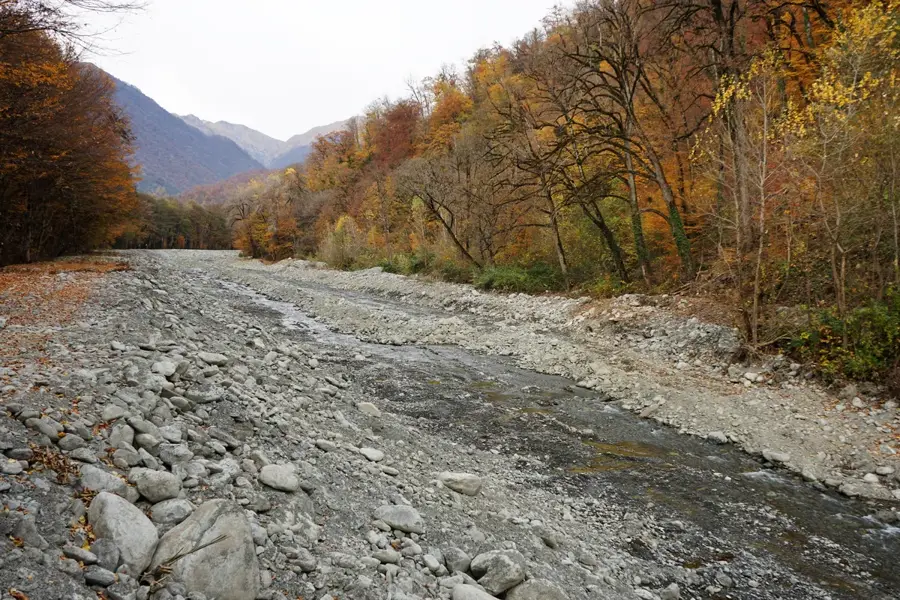
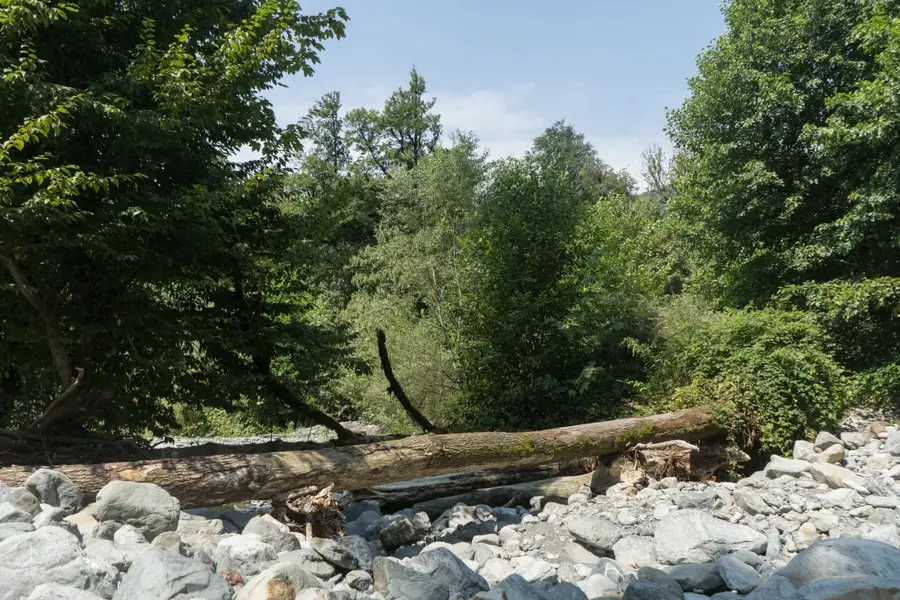
The landscape consists largely of undulating grassy steppes, dry riverbeds, and dramatic semi-desert badlands. Navigating on foot or by vehicle requires dealing with loose, arid soil and virtually no shade.
🎒
What to bring
Ample drinking water is the most critical item to carry, alongside broad-brimmed hats and strong sunblock for the harsh sun. Sturdy trail shoes and a GPS device are essential for navigating the featureless plains.
🅿️
Parking
Formal infrastructure is largely absent, so visitors typically park off-road at trailheads or alongside minor dirt tracks. Always ensure your vehicle is parked on firm, level ground to avoid getting stuck in loose dust or sand.
⚠️
Safety
The extremely remote nature of the region means self-sufficiency is vital, as phone signal and emergency services are scarce. Keep a wary eye out for venomous snakes and scorpions that inhabit the dry scrubland.
⏱️
Time needed
Exploring the edges of the plateau can be done in a half-day trip from nearby towns. However, deep exploration of the semi-desert badlands typically takes a full, well-planned day in a suitable off-road vehicle.

Geography

Coordinates
41.30000, 45.80000

Facts

  • The plateau is situated at an average elevation of 500 to 800 meters.
  • The region receives only about 300 to 600 mm of annual precipitation.
  • The geological structure consists of Miocene and Pliocene sedimentary deposits.
  • Vashlovani National Park is a key protected area within the Iori Plateau.
  • The steppe has served as a traditional winter grazing ground for centuries.
  • The plateau is one of the most significant habitats for griffon vultures in Georgia.

Explore nearby

Notable places around
Route planner — Car & Motorhome

Where do you start? We build the route here, with stops and country notes along the way.

Vehicle
Only stops with (optional):

© OpenStreetMap contributors · OpenRouteService

Sights in the town Iori Plateau (5)

p`oni md. iorze mag'ali gamavlobis avtomobilebist`vis📍 landmark

A shallow ford across the Iori River that can only be crossed by high-clearance 4WD vehicles.

p`erma📍 landmark

A remote agricultural farm set in the vast and arid landscape of the Iori Plateau.

Kilakupra Mud Volcanoes📍 landmark

Active mud volcanoes that create grey, clay-like eruptions in the barren steppe landscape.

satorges saxizari🏺 historical

Ruins of a historical refuge that once provided shelter in the rugged Iori region.

panoramuli xedi🌿 nature

A viewpoint opening up vistas over the rugged canyons and steppes of the Iori Plateau.

Sights nearby

Frequently asked questions

What characterizes the Iori Plateau?
It is characterized by steppe landscapes, dry canyons, and the Iori River in eastern Georgia.
Which nature reserves are located here?
A large part belongs to the Vashlovani National Park, known for its bizarre rock formations and gazelles.
Can you visit monasteries there?
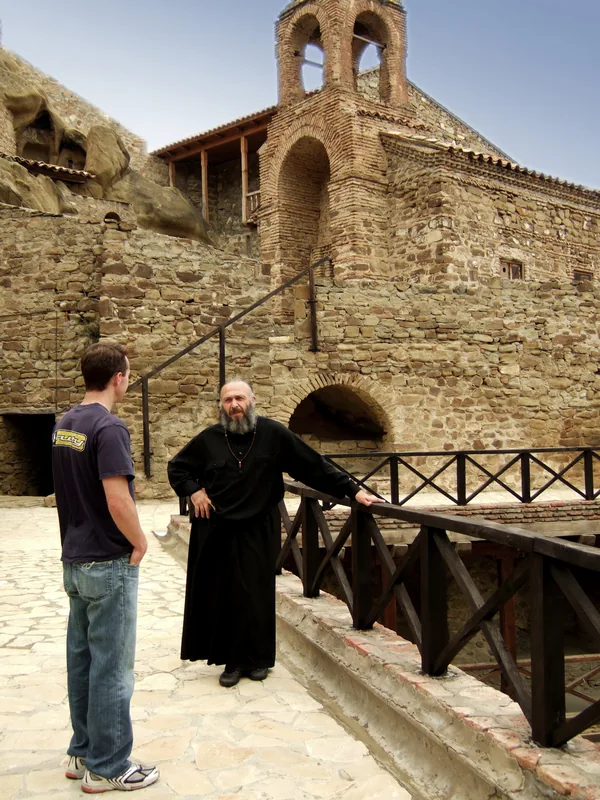
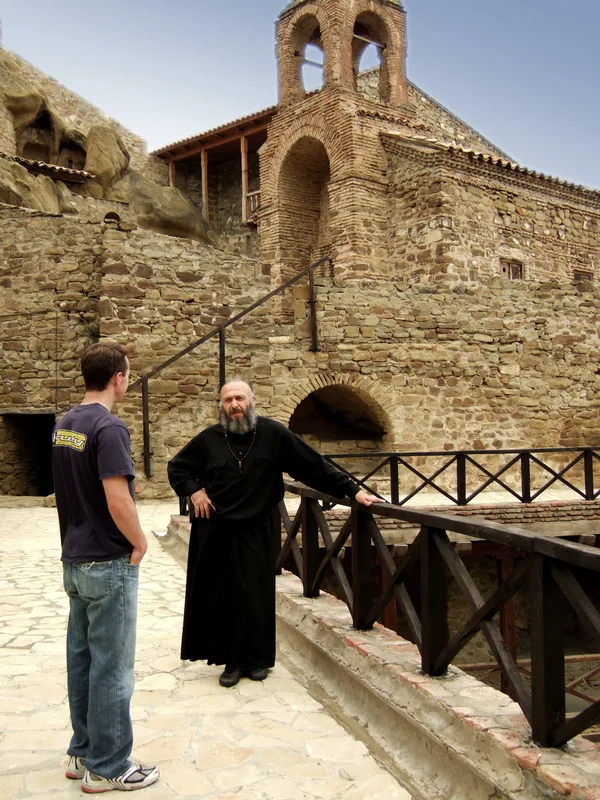
Yes, the famous David Gareja cave monastery is located on the edge of this plateau in a semi-desert setting.
How is the climate on the plateau?
It is continental and dry; summers are very hot, while winters can be cold and windy.
Do you need a special vehicle for exploration?
For the unpaved tracks in the national park, a 4x4 vehicle is strongly recommended.
Iori Plateau: where is it located?
Iori Plateau is located in Georgia.
Iori Plateau: what is there to see?
Highlights include p`oni md. iorze mag'ali gamavlobis avtomobilebist`vis, p`erma, Kilakupra Mud Volcanoes.
Iori Plateau: when is the best time to visit?
The most pleasant time to visit is Jun, Aug, Sep.
Iori Plateau: why is it worth visiting?

The Iori Plateau stretches across eastern Georgia, situated between the river valleys of the Iori and Alazani in the Kakheti region.
View on map → The Top 50 Attractions → OpenStreetMap →
Asia
Explore with Plizio Discover more places in Asia
More places in Georgia →

Nearby cities

History & landmarks

Nature
More places