Plizio Visual Lab

Udabno Desert
Plizio editorial teamData Sources
desert
—°5
Udabno Desert (Georgia)

Weather…

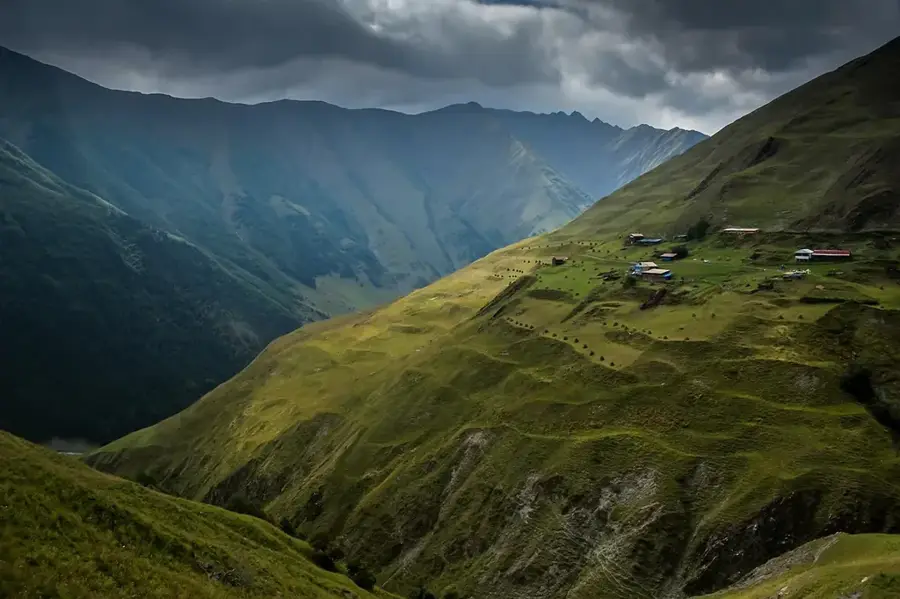
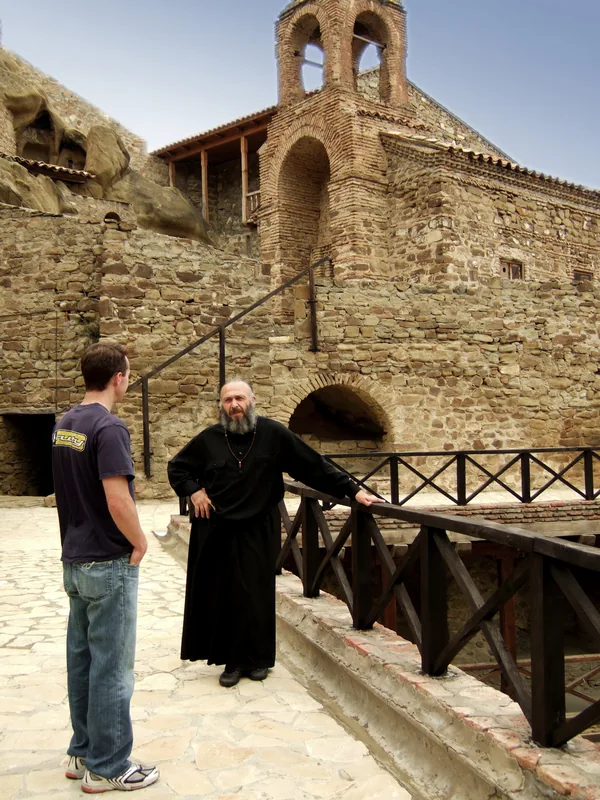
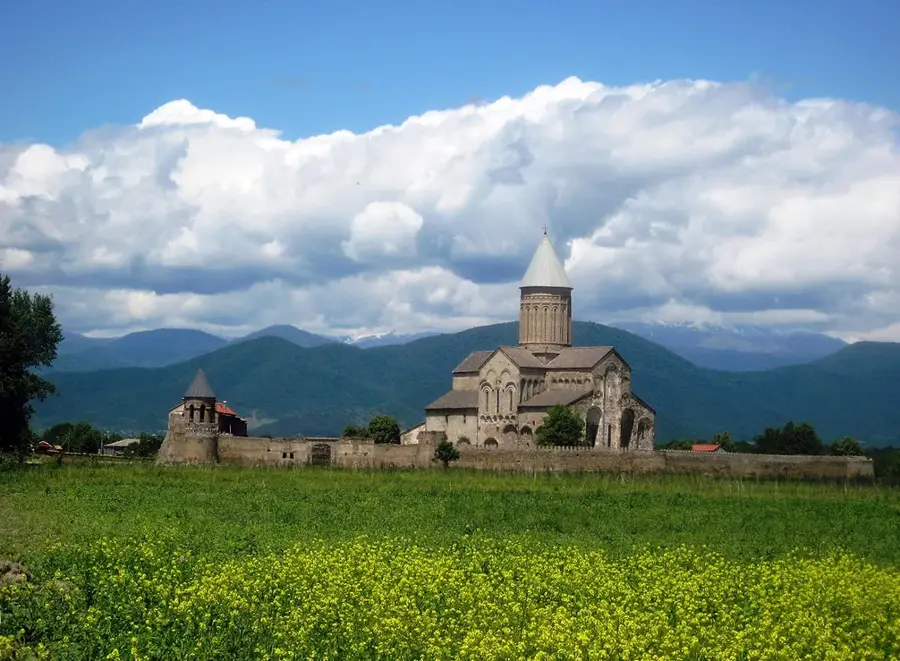
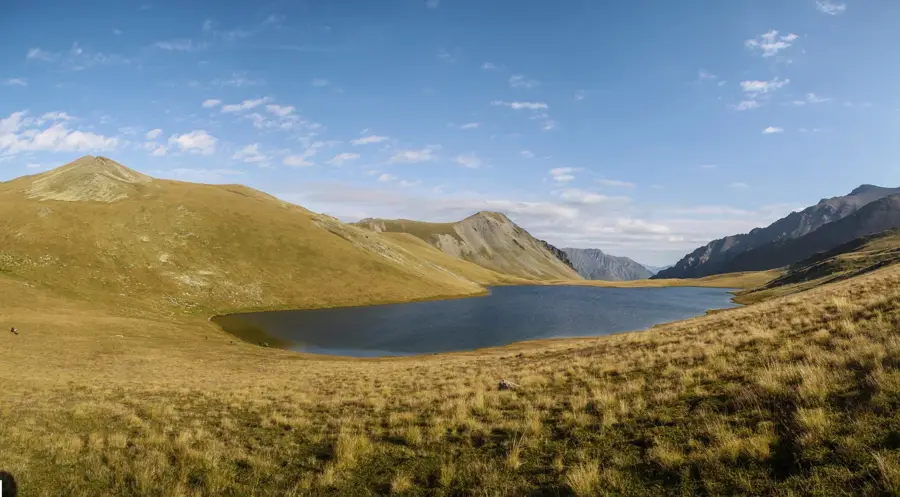
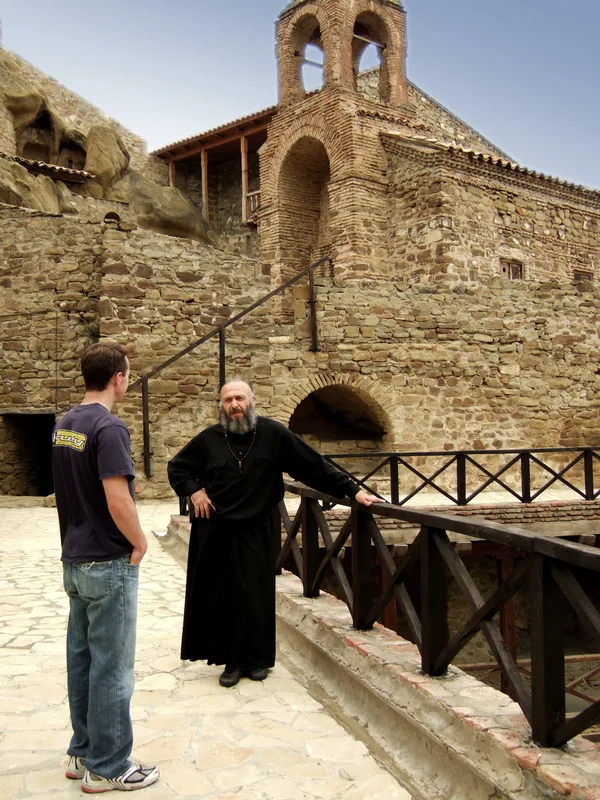
The Udabno Desert is a semi-arid region in eastern Georgia, forming part of the Iori Plateau within the Kakheti region. Its name, 'Udabno,' translates to 'desert' or 'wilderness' in Georgian, aptly reflecting the stark and dry landscape. Geologically, the area is renowned for its spirited sedimentary layers, ranging from pale beige to deep red and ochre, exposed by millennia of erosion. These formations primarily consist of Tertiary sandstones and clays. Despite the extreme environmental conditions, the Udabno Desert supports a unique ecosystem of flora and fauna, including various reptile species and numerous birds of prey. The most significant cultural landmark in the region is the David Gareja monastery complex, founded in the 6th century, featuring caves and chapels carved directly into the soft rock faces. The desert provides a dramatic backdrop for trekking and holds deep historical significance as a center for Georgian monasticism and spiritual life.

Best time to visit & climate

The most pleasant time to visit is May, Jun, Sep.

JanFebMarAprMayJunJulAugSepOctNovDec
Avg °C2381218242726211583
Rain mm192033546949313034432616

📋 Practical info

🧭
Getting there
The desert region is best accessed from the capital city of Tbilisi, involving an approximate two-hour drive through increasingly barren and arid landscapes. While there are occasional organized minibuses, renting a car or hiring a private driver provides significantly greater flexibility.
📅
Best season
The most pleasant conditions occur during the spring and autumn months when temperatures are mild, and the sparse vegetation exhibits a slight touch of green. The summer months should generally be avoided due to the extreme, blistering heat, as there is virtually no natural shade available.
⛰️
Terrain & paths
The landscape is vast, hilly, and predominantly characterized by dry, stony ground that presents itself in the warm, lively colors of the earth. Paths to the main sights often involve short but surprisingly steep ascents that can be slippery and somewhat exhausting on the loose scree.
🎒
What to bring
An abundant supply of drinking water is absolutely vital, as there are very few opportunities to refill your reserves in the vast expanse of the wider area. Furthermore, excellent sun protection, including a hat and sunscreen, along with sturdy footwear for the uneven terrain, are mandatory.
🅿️
Parking
Around the monastery complex and the small settlement, there are informal, dusty areas that can be freely used by visitors for parking their vehicles. There are no strictly marked zones; you simply leave the car where it does not obstruct traffic or interfere with the few local residents.
⚠️
Safety
During the warmer months, there is a very real danger posed by venomous snakes, meaning every step taken off the beaten paths should be carefully considered. Always maintain a respectful distance from the cliff edges, as the sandy and loose soil can unexpectedly give way on the steep slopes.
⏱️
Time needed
A half-day tour of about three to four hours on-site is usually sufficient to thoroughly enjoy the impressive caves and the vast, sweeping desert views. However, when factoring in the required travel time to and from the capital city, the entire excursion will inevitably consume nearly a full day.

Geography

Coordinates
41.50000, 45.37000

Facts

  • The word 'Udabno' literally means 'desert' or 'wilderness' in the Georgian language.
  • The region is home to the famous David Gareja monastery complex from the 6th century.
  • Geological layers display striking red and yellow colors caused by iron oxides.
  • The climate is semi-arid, featuring hot summers and very low annual rainfall.
  • The Udabno Desert is a significant site for Miocene-era paleontological fossils.
  • The region is located near the disputed border between Georgia and Azerbaijan.

Explore nearby

Notable places around

Route planner — Car & Motorhome

Where do you start? We build the route here, with stops and country notes along the way.

Vehicle
Only stops with (optional):

© OpenStreetMap contributors · OpenRouteService

Sights in the town Udabno Desert (4)

p`eradi mt`ebis panorama🌿 nature

Features a wide view of the multicolored, striped sedimentary hills in the Udabno desert.

Monastery of David-Gareja (West)📍 landmark

Part of the famous rock-hewn monastery complex carved into the rugged cliffs of the Udabno desert.

veran garejis gumbat`ovani eklesia📍 landmark

A rare dome-style church carved into the stone, representing medieval Georgian rock-cut architecture.

ukaro eklesia📍 landmark

A simple Christian place of worship carved into the hillside near the main monastery complex.

Sights nearby

Frequently asked questions

Is the Udabno Desert a real sand desert?
No, it is rather a semi-desert with colorful sedimentary hills and steppe vegetation.
Why are the hills so colorful?
Different layers of earth contain minerals like iron and manganese, creating shades from red to yellow.
Are there places to eat there?
In the small village of Udabno, there are some popular cafes like 'Oasis Club' offering local food.
What should be considered when hiking?
Take enough water, wear sunscreen, and watch out for snakes (Levantine viper).
When do the colors look most beautiful?
In spring, shortly after rainfall, the colors glow intensely in contrast with the fresh green.
Udabno Desert: where is it located?
Udabno Desert is located in Georgia.
Udabno Desert: what is there to see?
Highlights include p`eradi mt`ebis panorama, p`eradi mt`ebis panorama, Monastery of David-Gareja (West).
Udabno Desert: when is the best time to visit?
The most pleasant time to visit is May, Jun, Sep.
Udabno Desert: why is it worth visiting?

The Udabno Desert is a semi-arid region in eastern Georgia, forming part of the Iori Plateau within the Kakheti region.
View on map → The Top 50 Attractions → OpenStreetMap →
Asia
Explore with Plizio Discover more places in Asia
More places in Georgia →

Nearby cities

History & landmarks
Nature
More places