Plizio Visual Lab

Pyrenees NP
Plizio editorial teamData Sources
Mountain
—°4
Pyrenees NP (France)

Weather…

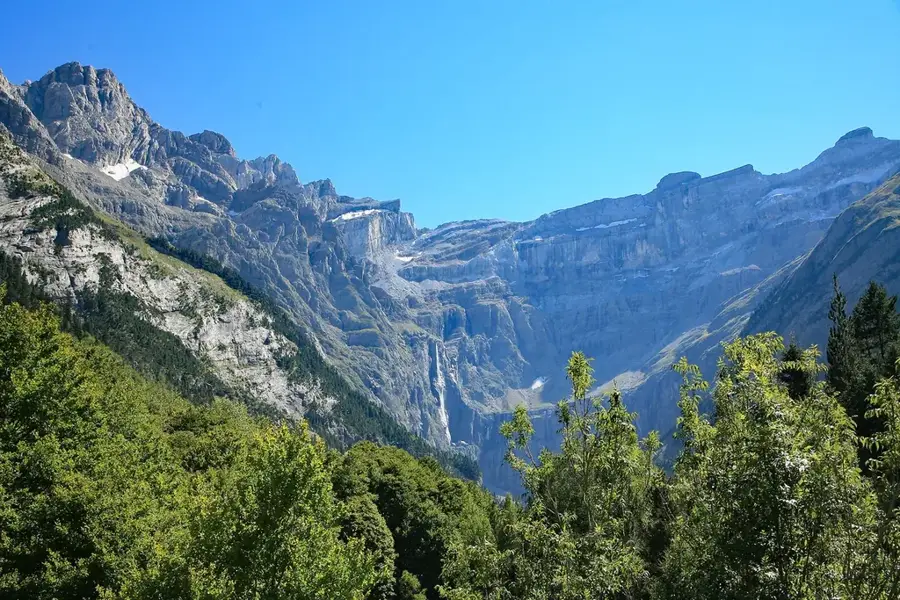
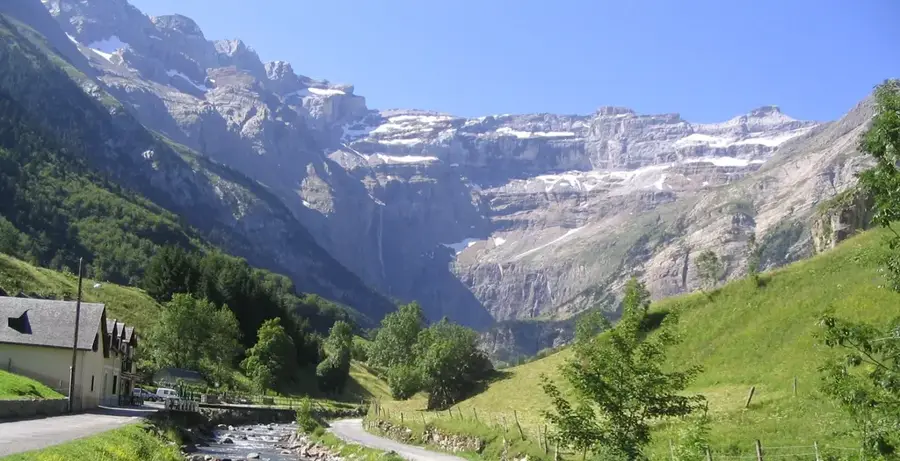
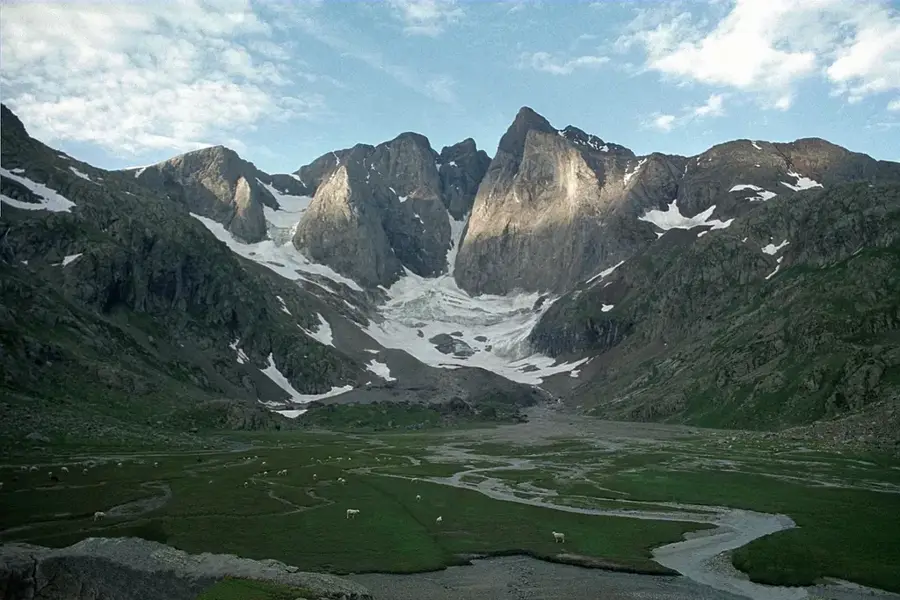
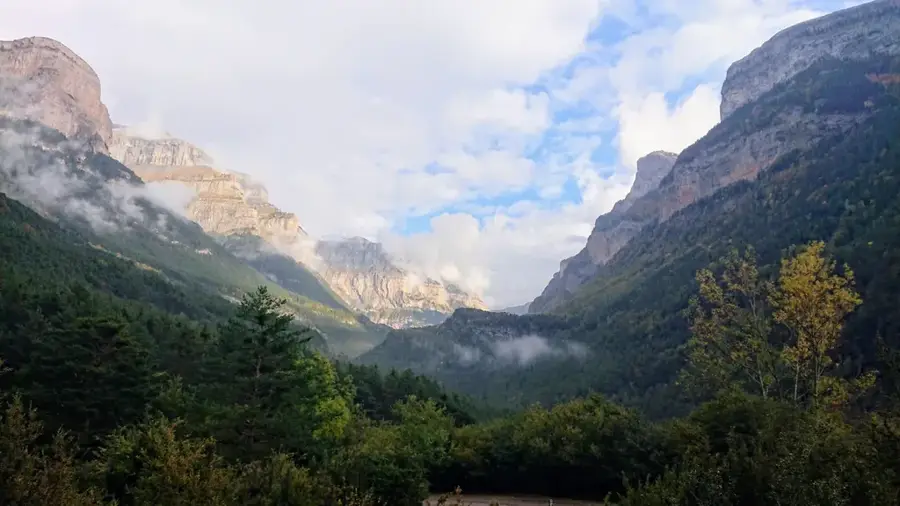
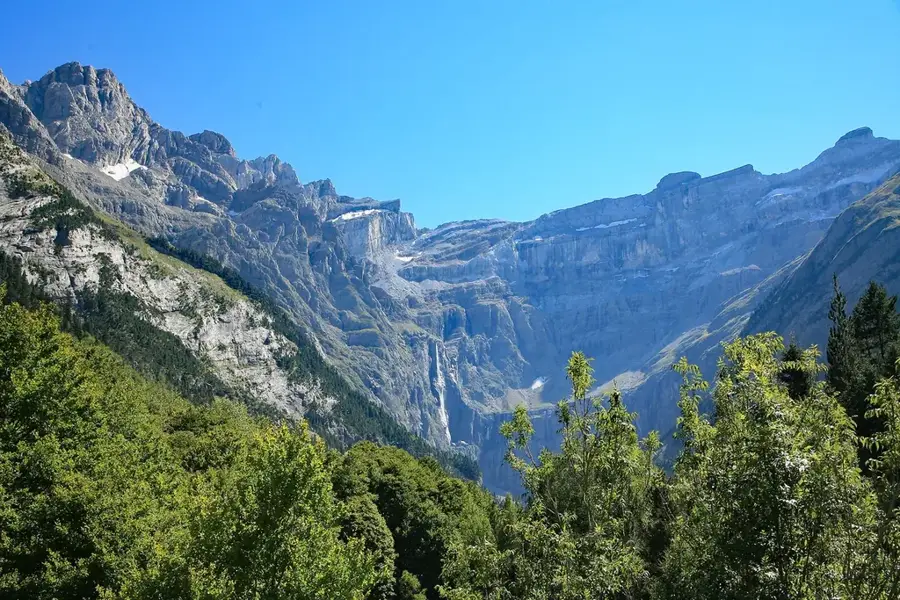
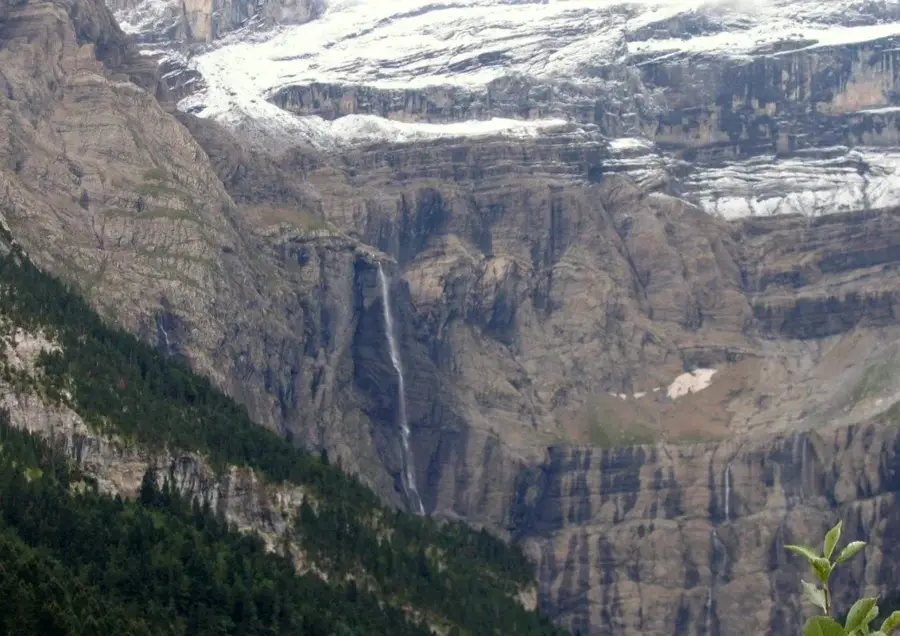
The Pyrenees National Park stretches for 100 kilometers along the border between France and Spain, covering the departments of Hautes-Pyrénées and Pyrénées-Atlantiques. Established in 1967, the park is dedicated to protecting extraordinary alpine biodiversity and preserving traditional pastoral landscapes. The protected area features majestic peaks such as Vignemale (3,298 m) and spectacular geological formations like the Cirque de Gavarnie, which is recognized as a UNESCO World Heritage site. The park's flora is exceptionally rich, with over 2,500 plant species, many of which are endemic to the region. The wildlife includes rare and iconic species like the Pyrenean desman, the Pyrenean chamois (isard), and the majestic bearded vulture. Transhumance remains an active tradition within the park, with livestock grazing on high-altitude pastures during the summer months. For visitors, the park has an extensive network of trails leading to pristine lakes and impressive waterfalls, including the 422-meter Grande Cascade.

Best time to visit & climate

The most pleasant time to visit is Jun–Aug.

JanFebMarAprMayJunJulAugSepOctNovDec
Avg °C225812161818151163
Rain mm876975869365525256709374

📋 Practical info

🧭
Getting there
This extensive protected area in southwestern France is best accessed via scenic mountain roads originating from the valleys around towns like Cauterets or Luz-Saint-Sauveur, which serve as highly popular starting points for tours into the mountains.
📅
Best season
The period from June to early October generally gives the most reliable conditions for extensive mountain tours, as the high-altitude passes and trails are mostly free of snow by then and the beautiful alpine flora is in full, bustling bloom.
⛰️
Terrain & paths
Visitors can expect a wild, multifaceted mountain landscape along the Spanish border with dense forests, crystal-clear alpine lakes, and steep, stony paths ranging from relatively easy walking trails to physically demanding high-altitude routes.
🎒
What to bring
Due to the highly variable mountain climate, clothing should be chosen according to the layering principle; sturdy hiking boots, adequate rain protection, an updated trail map, and a well-equipped backpack with sufficient provisions are always advisable.
🅿️
Parking
Numerous signposted hiker parking lots are located at the very ends of the drivable valleys, such as at the Pont d'Espagne, from where most hikers can comfortably begin their ventures into the highly protected core zones of the national park.
⚠️
Safety
Hikers should always inform themselves about the current weather conditions in advance, as sudden fog banks and temperature drops can occur in the mountains; dogs are generally strictly prohibited in the highly protected core zone of the park.
⏱️
Time needed
The duration of a stay can be arranged very flexibly, ranging from leisurely half-day excursions to nearby waterfalls to ambitious multi-day hut-to-hut tours that frequently take hikers into the impressive high mountain landscape for an entire week.

Geography

Coordinates
42.80000, 0.00000

Facts

  • The national park was officially created on March 23, 1967.
  • Vignemale is the highest peak in the park at 3,298 meters.
  • The core zone of the park covers an area of 45,707 hectares.
  • The Grande Cascade de Gavarnie has a total drop of 422 meters.
  • It is estimated that over 800 different animal species inhabit the park.
  • More than 230 mountain lakes are located within the park boundaries.

Explore nearby

Notable places around
Route planner — Car & Motorhome

Where do you start? We build the route here, with stops and country notes along the way.

Vehicle
Only stops with (optional):

© OpenStreetMap contributors · OpenRouteService

Sights in the town Pyrenees NP (4)

Bob-Luge

Attraction in the Pyrenees, a summer bobsled track.

Église Saint-Mathieu

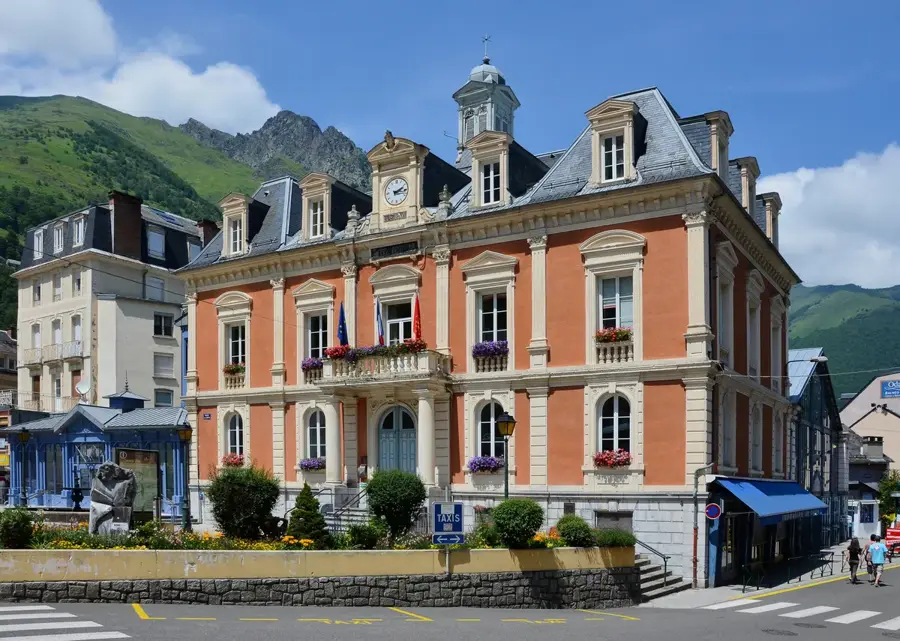
Church in the Hautes-Pyrénées, a religious building.

Accueil public EDF🏛 museum

Museum of the EDF electricity company in the Pyrenees.

Sights nearby

Frequently asked questions

What is the most famous sight in the Pyrenees National Park?
The Cirque de Gavarnie, a massive natural rocky amphitheater with one of Europe's highest waterfalls, is the highlight.
Do you have to pay an entry fee for the national park?
Access to the national park is free, but parking at main entry points like Gavarnie often requires a fee.
Which animals can be spotted in the park?
You can often spot Pyrenean chamois (isards), marmots, and with luck, griffon vultures or golden eagles.
Are dogs allowed in the national park?
Dogs are strictly forbidden in the core zone of the national park, even on a leash, to protect wildlife.
How difficult are the hiking trails?
The park features everything from easy family walks in the valleys to demanding high-altitude mountain treks.
Pyrenees NP: where is it located?
Pyrenees NP is located in Occitanie, France.
Pyrenees NP: what is there to see?
Highlights include Espace muséographique Millaris, Bob-Luge, Église Saint-Mathieu.
Pyrenees NP: when is the best time to visit?
The most pleasant time to visit is Jun, Aug.
Pyrenees NP: why is it worth visiting?

The Pyrenees National Park stretches for 100 kilometers along the border between France and Spain, covering the departments of Hautes-Pyrénées and Pyrénées-Atlantiques.
View on map → The Top 50 Attractions → Most beautiful beaches → OpenStreetMap →
Europe
Explore with Plizio Discover more places in Europe
More places in France →

Nearby cities

History & landmarks