Plizio Visual Lab

Cirque de Gavarnie
Plizio editorial teamData Sources
valley
—°8
Cirque de Gavarnie (France)

Weather…

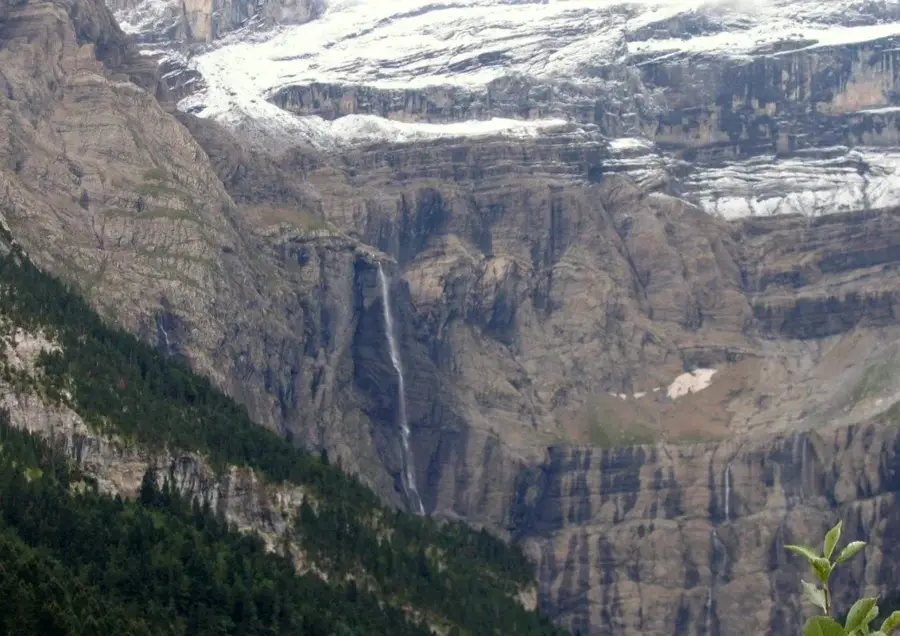
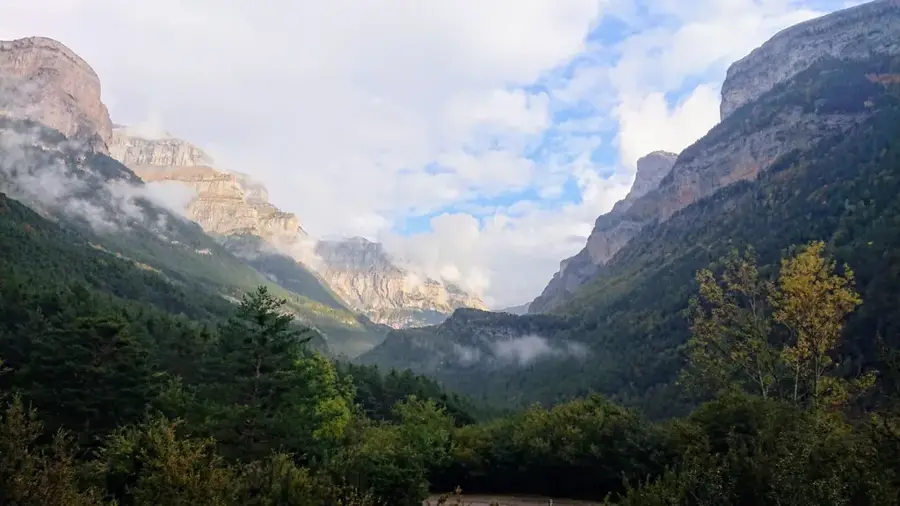
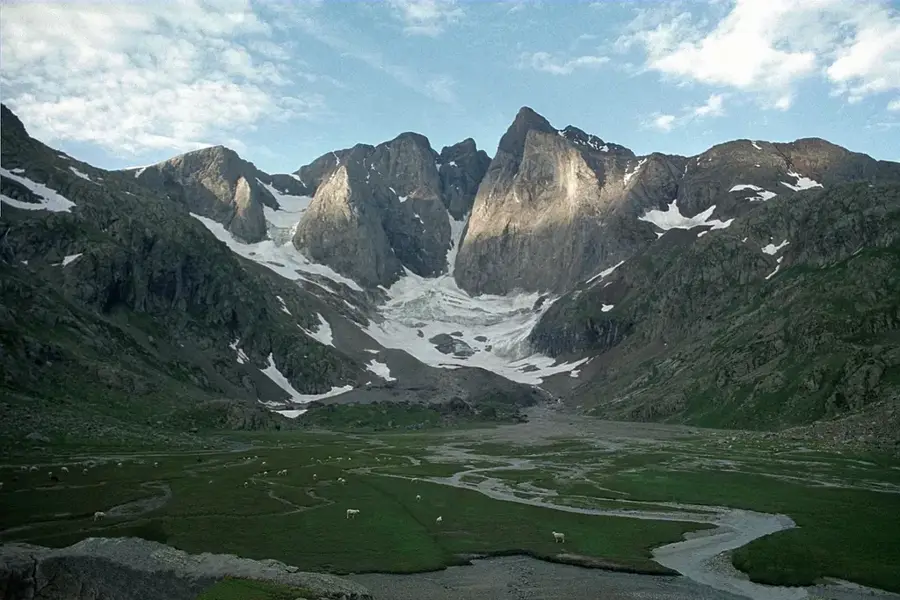
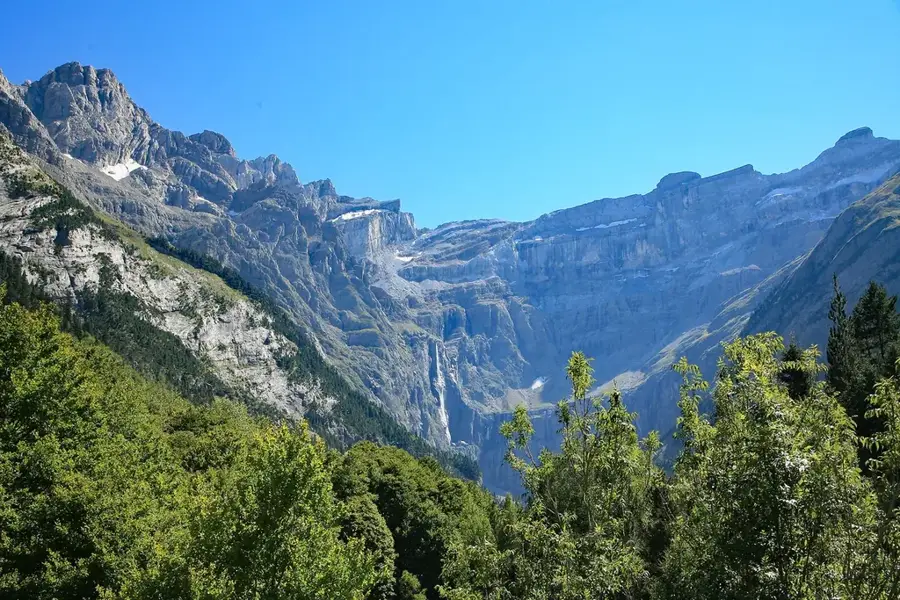
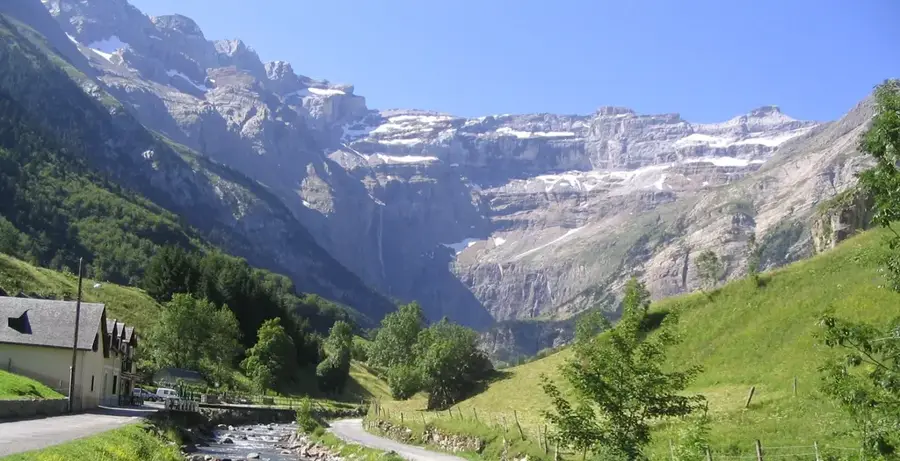
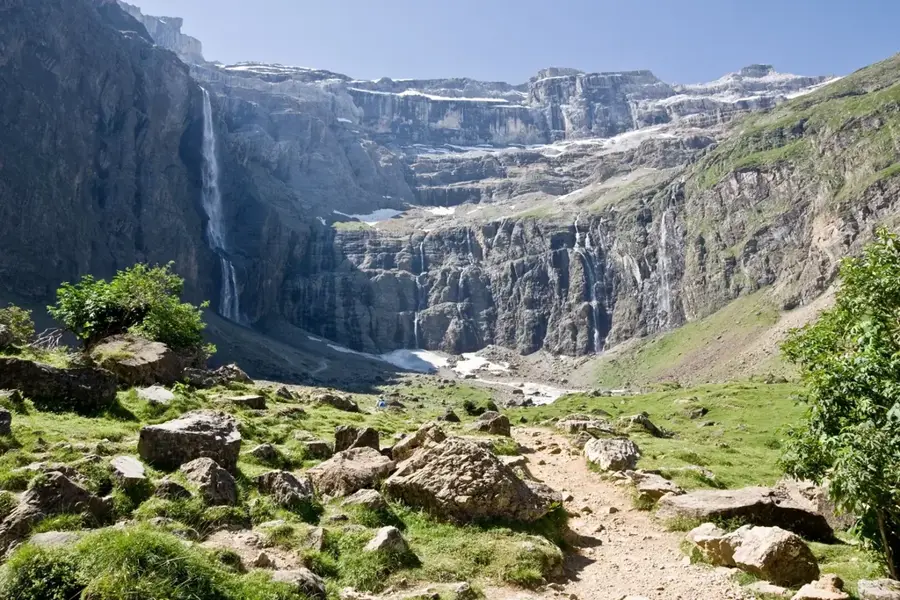
The Cirque de Gavarnie is a massive natural amphitheater in the central Pyrenees, located within the Pyrenees National Park. Formed by glacial erosion, it features near-vertical rock walls rising up to 1,500 meters above the valley floor. At the heart of the cirque, the Grande Cascade de Gavarnie plunges 422 meters, making it one of the tallest waterfalls in Europe. Victor Hugo famously described the site as the 'Colosseum of nature.' Since 1997, the area has been designated a UNESCO World Heritage site, together with the neighboring Ordesa y Monte Perdido National Park in Spain. Beyond its geological splendor, the region supports unique flora and fauna, such as the Pyrenean chamois (isard) and the rare bearded vulture. The cirque is a premier destination for hikers and mountaineers worldwide.

Best time to visit & climate

The most pleasant time to visit is Jun–Aug.

JanFebMarAprMayJunJulAugSepOctNovDec
Avg °C114711161818141041
Rain mm604860727150373747596850

📋 Practical info

🧭
Getting there
This world-famous natural cirque in the Pyrenees is mostly accessed from the eponymous village of Gavarnie, which can be reached via a well-developed, scenic road that can sometimes become heavily frequented during the peak tourist season in summer.
📅
Best season
A visit is most impressive from late spring well into early autumn, as the snowmelt in early summer strongly swells the massive waterfall, and the primary access paths into the cirque itself are largely safe to traverse for almost all pedestrians.
⛰️
Terrain & paths
The main path from the village into the cirque is a broad, gently ascending walking trail that is easily manageable for less experienced hikers, while the paths leading up to the base of the great waterfall become noticeably rockier, steeper, and more strenuous.
🎒
What to bring
Comfortable running shoes and simple casual clothing are mostly sufficient for the main path, but anyone wishing to get closer to the waterfall should absolutely pack grippy hiking boots, a warm sweater, and a reliable rain jacket for the spray.
🅿️
Parking
At the entrance to Gavarnie, there are large, typically paid visitor parking lots where the car must obligatorily be left, as the entire route leading into the protected valley is strictly closed to all motorized traffic to preserve the natural quiet.
⚠️
Safety
Directly below the almost vertical rock faces, there is a very real danger of unexpected rockfalls; visitors should therefore under no circumstances leave the officially marked paths and must always account for an increased risk of slipping during rainy conditions.
⏱️
Time needed
The leisurely hike from the village to the viewpoint in the cirque and back mostly takes about two to three hours, but anyone wanting to scramble all the way to the base of the great waterfall should firmly reserve a good half day for the endeavor.

Geography

Coordinates
42.69610, -0.00390

Facts

  • The Grande Cascade is one of Europe's highest waterfalls at 422 meters.
  • Part of the UNESCO World Heritage site 'Pyrénées - Mont Perdu' since 1997.
  • The amphitheater spans approximately 6 kilometers in diameter at its crest.
  • The cliffs are primarily composed of Cretaceous and Eocene limestone.
  • Victor Hugo described the cirque as nature's own 'Colosseum.'
  • A critical sanctuary for the endangered bearded vulture (Gypaetus barbatus).

Explore nearby

Notable places around
Route planner — Car & Motorhome

Where do you start? We build the route here, with stops and country notes along the way.

Vehicle
Only stops with (optional):

© OpenStreetMap contributors · OpenRouteService

Sights in the town Cirque de Gavarnie (8)

La Grande Cascade de Gavarnie

Waterfall in France, one of Europe's highest, dropping over 400 meters.

Hôtellerie du Cirque

Viewpoint near the mountain station, overlooking the Cirque de Gavarnie.

Picos de la Cascada Central

Mountain in France, part of the Pyrenean backdrop above the waterfalls.

Punda dera Ula

Mountain in France, a peak in the Monte Perdido massif.

Punda deras Crepas

Mountain in France, a high point in the Pyrenees.

Festival de Gavarnie

Theatre festival held in summer in the Cirque de Gavarnie.

Gruta Casteret

Ice cave in the Monte Perdido massif, west side of Pico Anónimo (2773 m).

Cirque de Gavarnie

Viewpoint overlooking the famous Pyrenean cirque.

Sights nearby

Frequently asked questions

How do you get to the Cirque de Gavarnie?
From the village of Gavarnie, an easy, mostly flat path leads to the foot of the waterfall in about 1.5 hours.
How high is the great waterfall?
The 'Grande Cascade' is 422 meters high, making it one of the tallest waterfalls in Europe.
Is the path accessible with a stroller?
Yes, up to the Hotel du Cirque, the path is wide and easy. The final section to the waterfall is rockier.
Can you go on horseback or donkey?
Yes, in the village of Gavarnie, you can rent donkeys or ponies to carry children to the Cirque.
When is the best time to visit?
From June to September. In spring, the snowmelt is spectacular, but some trails might still be closed.
Cirque de Gavarnie: where is it located?
Cirque de Gavarnie is located in Occitanie, France.
Cirque de Gavarnie: what is there to see?
Highlights include La Grande Cascade de Gavarnie, Hôtellerie du Cirque, Picos de la Cascada Central.
Cirque de Gavarnie: when is the best time to visit?
The most pleasant time to visit is Jun, Aug.
Cirque de Gavarnie: why is it worth visiting?

The Cirque de Gavarnie is a massive natural amphitheater in the central Pyrenees, located within the Pyrenees National Park.
View on map → The Top 50 Attractions → Most beautiful beaches → OpenStreetMap →
Europe
Explore with Plizio Discover more places in Europe
More places in France →

Nearby cities

History & landmarks