Plizio Visual Lab

Pyrenees National Park
Plizio editorial teamData Sources
Mountain
—°3
Pyrenees National Park (France)

Weather…

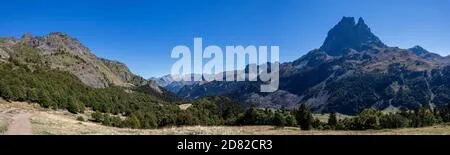
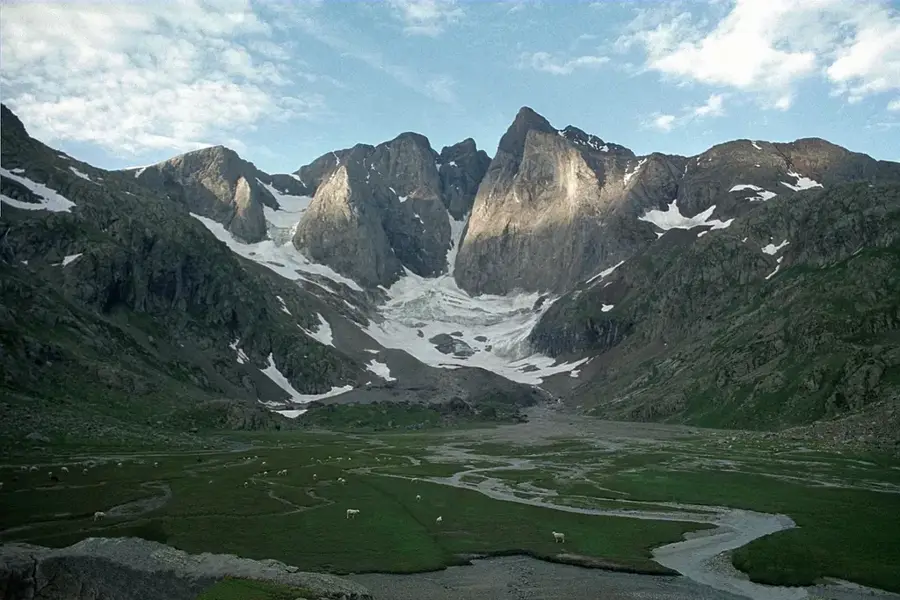
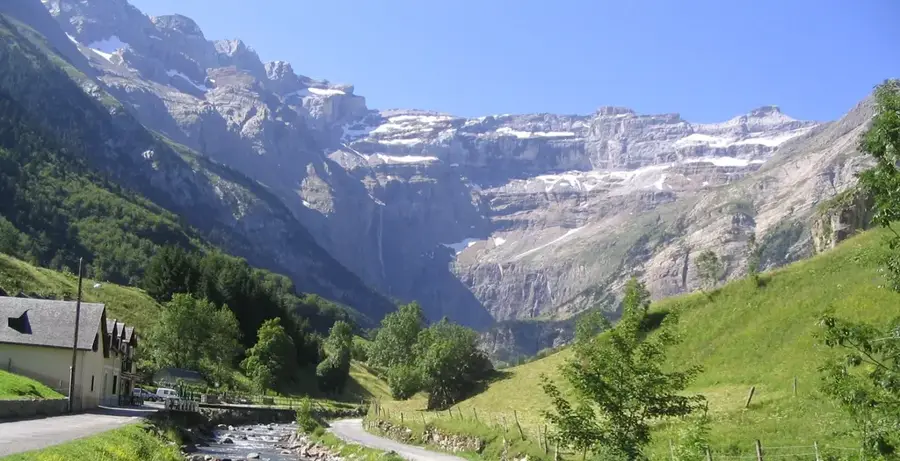
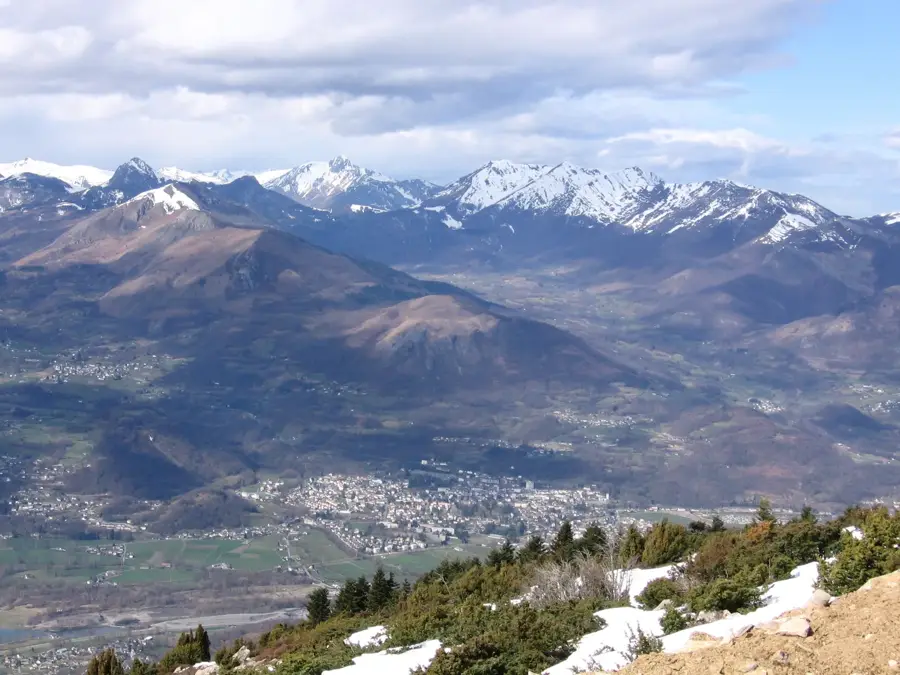
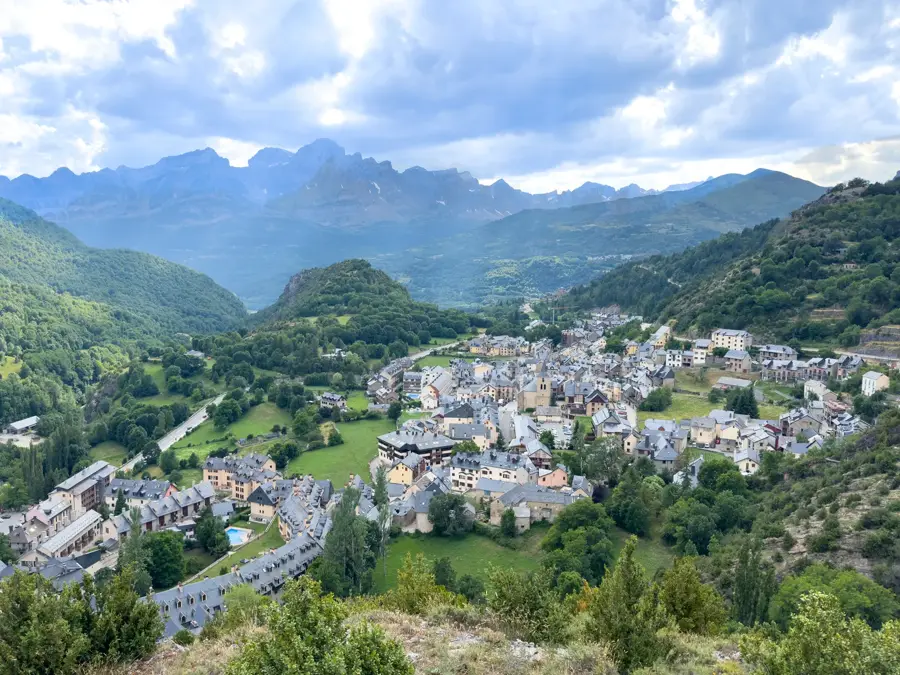
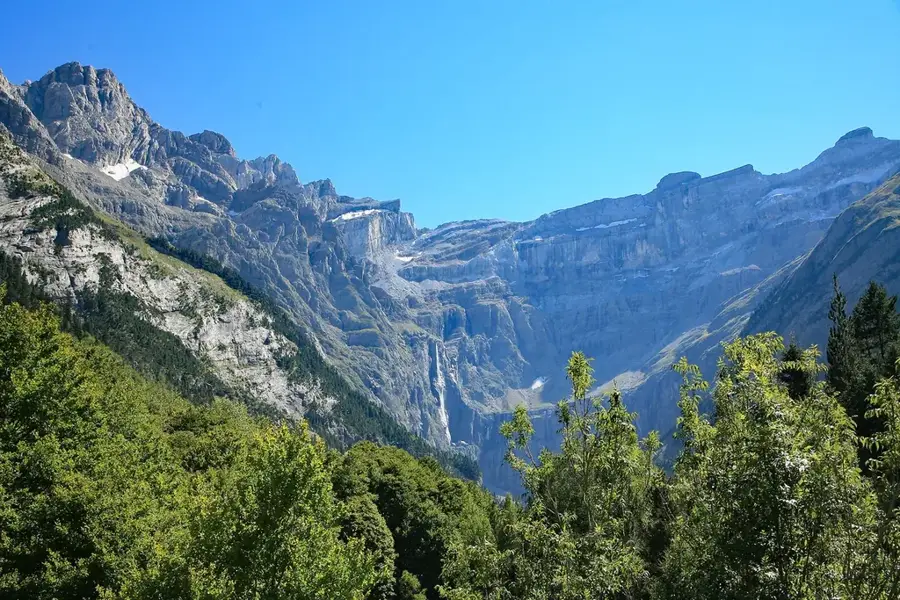
The Pyrenees National Park, established in 1967, stretches along the Franco-Spanish border in the departments of Hautes-Pyrénées and Pyrénées-Atlantiques. Covering an area of over 45,000 hectares, it protects one of Europe's most impressive mountain landscapes. The park is home to majestic peaks such as Vignemale, which at 3,298 meters is the highest point in the French Pyrenees. The area is particularly famous for its spectacular glacial cirques, such as the Cirque de Gavarnie, which is a UNESCO World Heritage site. The biodiversity within the park is exceptional, housing rare animal species like the bearded vulture, the Pyrenean chamois (isard), and a small population of brown bears. Over 2,500 plant species are native to the area, many of which are endemic to this mountain range. An extensive network of hiking trails, including parts of the GR10 long-distance path, allows visitors to explore the pristine wilderness. The national park plays a vital role in conservation and scientific research on alpine ecology.

Best time to visit & climate

The most pleasant time to visit is Jun–Aug.

JanFebMarAprMayJunJulAugSepOctNovDec
Avg °C225812161818151163
Rain mm876975869365525256709374

📋 Practical info

🧭
Getting there
The national park features numerous entry points from the French side, with pretty towns like Cauterets, Gavarnie, and Luz-Saint-Sauveur acting as major hubs. Scenic mountain roads lead directly to dramatic trailheads like the famous Cirque de Gavarnie, though some high passes close in winter.
📅
Best season
Mid-summer to early autumn is the golden window for hiking the high-altitude routes and witnessing the memorable alpine flora in full bloom. The winter season transitions the region entirely into a snowbound domain, popular for snowshoeing and specialized ski mountaineering.
⛰️
Terrain & paths
Hikers are rewarded with majestic glacier-carved cirques, pristine alpine lakes, and dramatic craggy summits. The terrain heavily varies; visitors can choose between smoothly paved tourist paths leading to major waterfalls and brutal, highly technical ascents up the towering border peaks.
🎒
What to bring
Proper rigid mountain boots are necessary to handle rocky moraines and lingering snowfields, even in late summer. Given the notoriously fast-changing mountain climate, carrying comprehensive rain protection, warm thermal layers, and sunblock is essential for all full-day outings.
🅿️
Parking
Vast, organized parking complexes are located near major attractions, but they usually require paying a daily fee during the busy summer months. To secure a spot at highly coveted trailheads like Pont d'Espagne, arriving well before mid-morning is a strategic necessity.
⚠️
Safety
Hikers must respect the immense power of sudden alpine thunderstorms and immediately retreat from exposed ridges if dark clouds gather. Additionally, pastoral guard dogs known as Patous protect local sheep flocks; visitors should calmly detour around herds and never feed or provoke the dogs.
⏱️
Time needed
Options are gloriously vast, ranging from a scenic two-hour family stroll to monumental multi-day refuge-to-refuge treks like the iconic GR10. Dedicating at least a full week to the region allows for experiencing multiple distinct valleys and dramatically different geological formations.

Geography

Coordinates
42.83330, -0.08330

Facts

  • Founded in 1967 as France's third national park
  • Highest peak is Vignemale at 3,298 meters
  • Contains approximately 230 mountain lakes
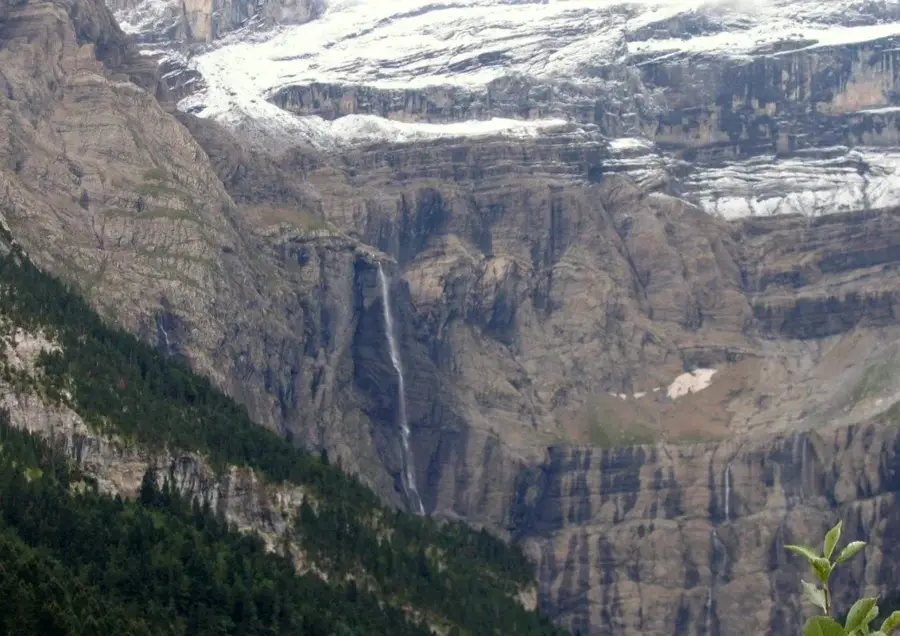
  • The Cirque de Gavarnie features a 422m high waterfall
  • Home to the endangered bearded vulture (gypaetus barbatus)
  • The park's core zone covers 457 square kilometers

Explore nearby

Notable places around
Route planner — Car & Motorhome

Where do you start? We build the route here, with stops and country notes along the way.

Vehicle
Only stops with (optional):

© OpenStreetMap contributors · OpenRouteService

Sights in the town Pyrenees National Park (3)

Pic d'Ardiden

Mountain in France, a peak in the Pyrenees, popular for hiking and climbing.

Pic de Chanchou

Mountain in France, a peak located within the Pyrenees National Park.

Pic de Barbe de Bouc

Mountain in France, a distinctive peak in the Pyrenees mountain range.

Sights nearby

Frequently asked questions

What is the most famous spot in the National Park?
The Cirque de Gavarnie, a massive natural amphitheater with one of the highest waterfalls in Europe.
What animals can be spotted there?
Griffon vultures, marmots, and Pyrenean chamois (Isard) are often seen in the higher elevations.
Are dogs allowed in the National Park?
In the core zone, dogs are strictly prohibited to protect wildlife, even if kept on a leash.
When is the best time for hiking?
From June to September, when the high mountain paths are snow-free and the mountain huts are open.
Is there an entrance fee for the park?
No, access to the national park is free, though parking at popular trailheads may require a fee.
Pyrenees National Park: where is it located?
Pyrenees National Park is located in Occitanie, France.
Pyrenees National Park: what is there to see?
Highlights include Pic d'Ardiden, Pic de Chanchou, Pic de Barbe de Bouc.
Pyrenees National Park: when is the best time to visit?
The most pleasant time to visit is Jun, Aug.
Pyrenees National Park: why is it worth visiting?

The Pyrenees National Park, established in 1967, stretches along the Franco-Spanish border in the departments of Hautes-Pyrénées and Pyrénées-Atlantiques.
View on map → The Top 50 Attractions → Most beautiful beaches → OpenStreetMap →
Europe
Explore with Plizio Discover more places in Europe
More places in France →

Nearby cities

History & landmarks