Plizio Visual Lab
Cabo San Juan
ℹ️Practical info — Cabo San Juan
▾
🌤 Weather — 5 days
📍 Nearby
Sights nearby
💡 Tips
- Travel preferably in the dry season as the unpaved roads are difficult to navigate in the rainy season.
- Spanish is the main language, but it is helpful to know a few words in the local Fang language.
- Access to ATMs is limited, take plenty of cash in CFA francs with you.
- Mosquito protection is essential, especially in the evening and morning hours.
🍽 Food
A tuber-like root that is often boiled or fried and served as a side dish with fish.
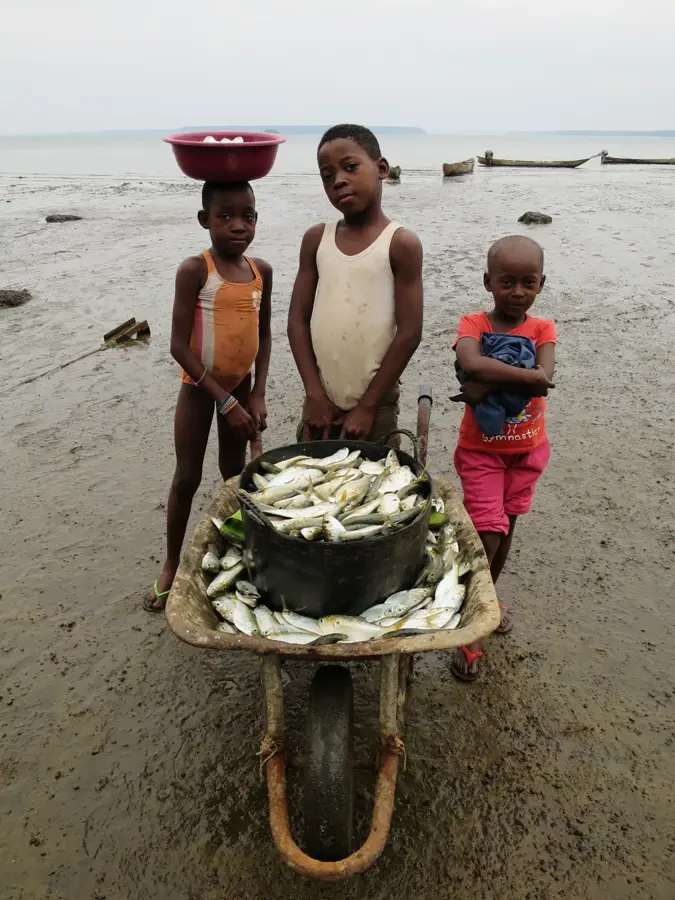
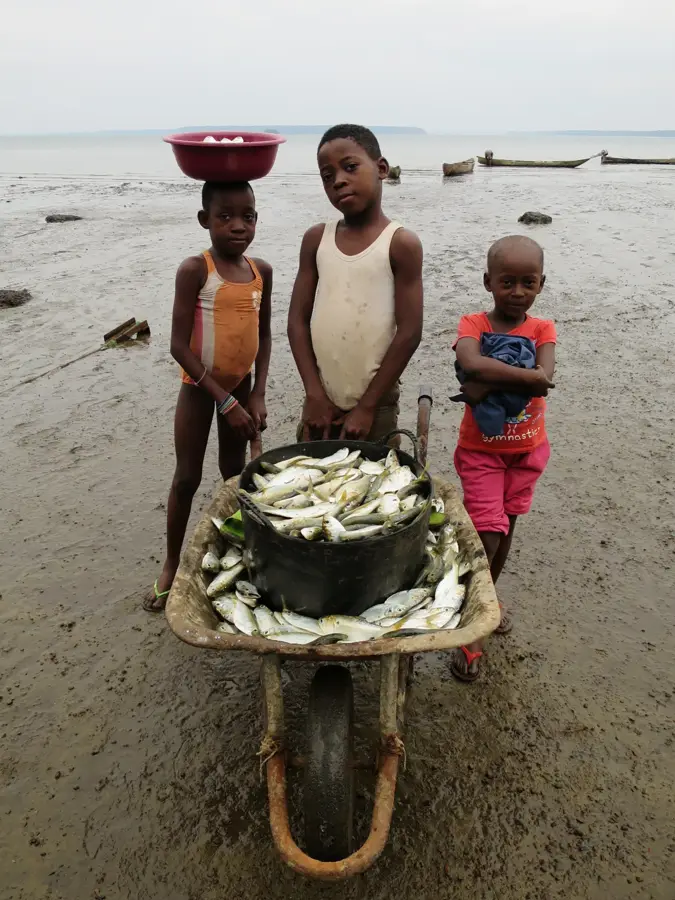
Local fishermen offer the catch of the day, best prepared simply over an open fire.
A spicy fish soup, often cooked with banana leaves, found in small street kitchens.
🛍 Shopping · 🧘 Quiet spots
Look out for small hand-carved items that are often sold by the side of the road.
In the informal market you will find fresh papayas, mangoes, and pineapples.
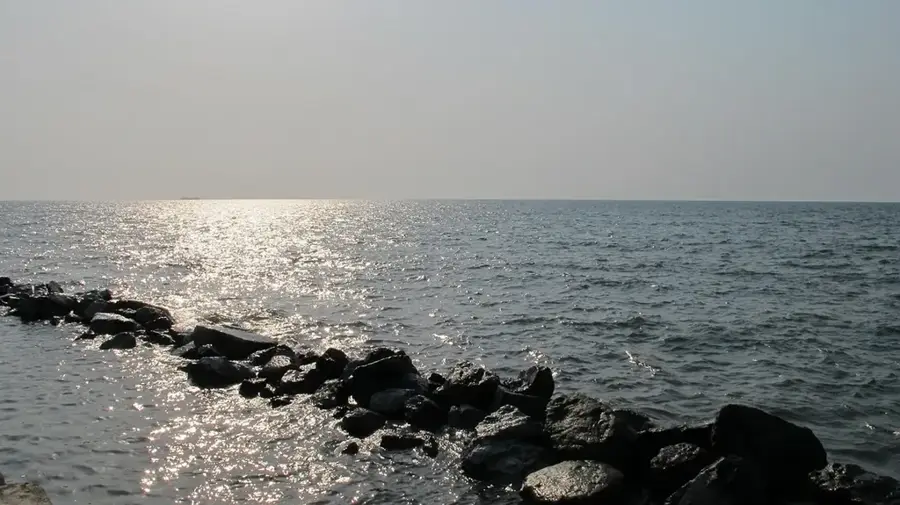
Walk to the actual cape for a wide, undisturbed view over the ocean.
The beaches nearby are often deserted, handy for enjoying the sound of the waves.
Water temperature…
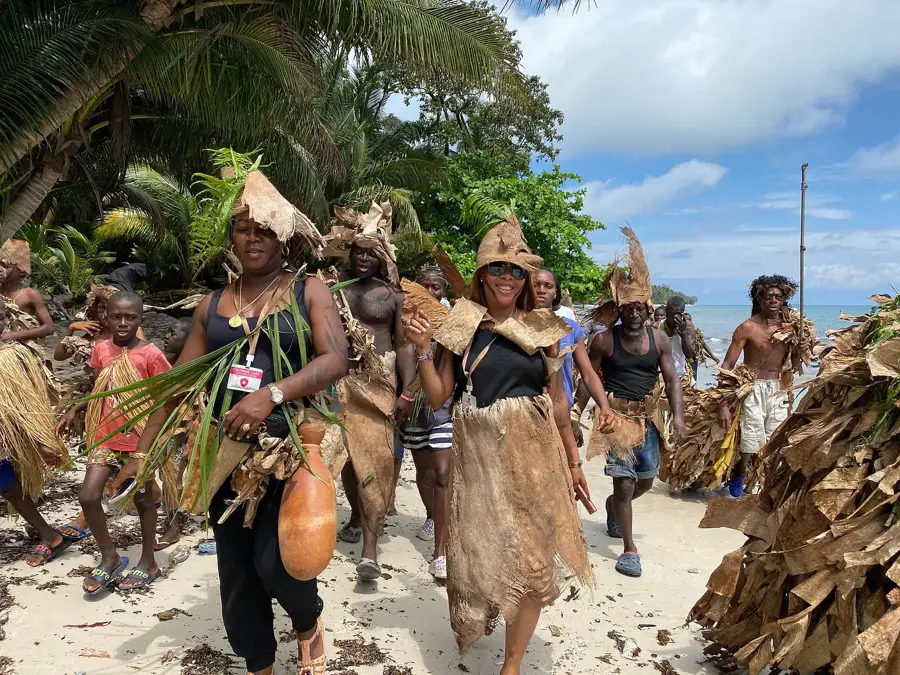
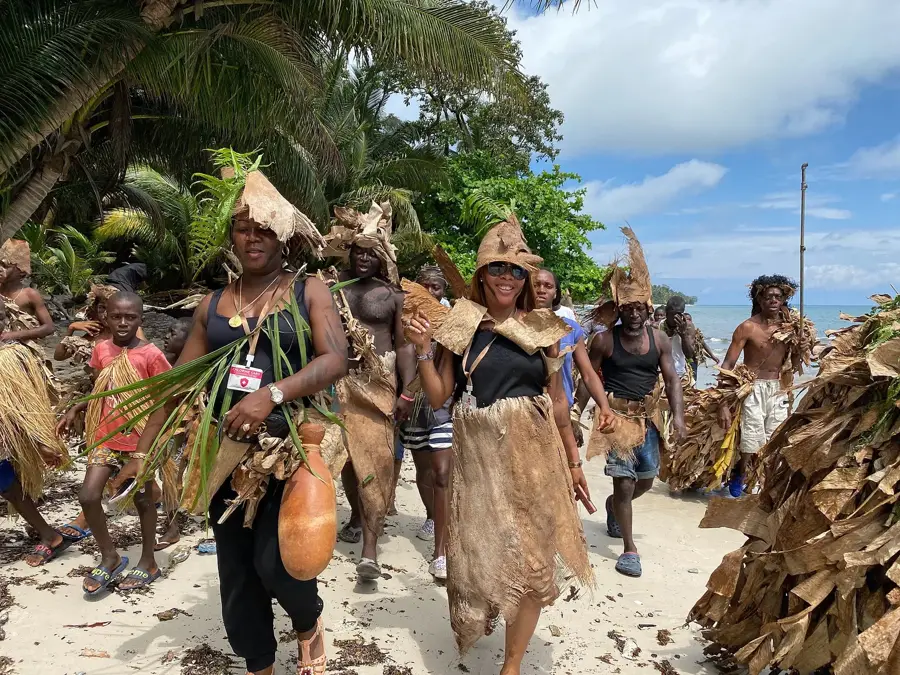
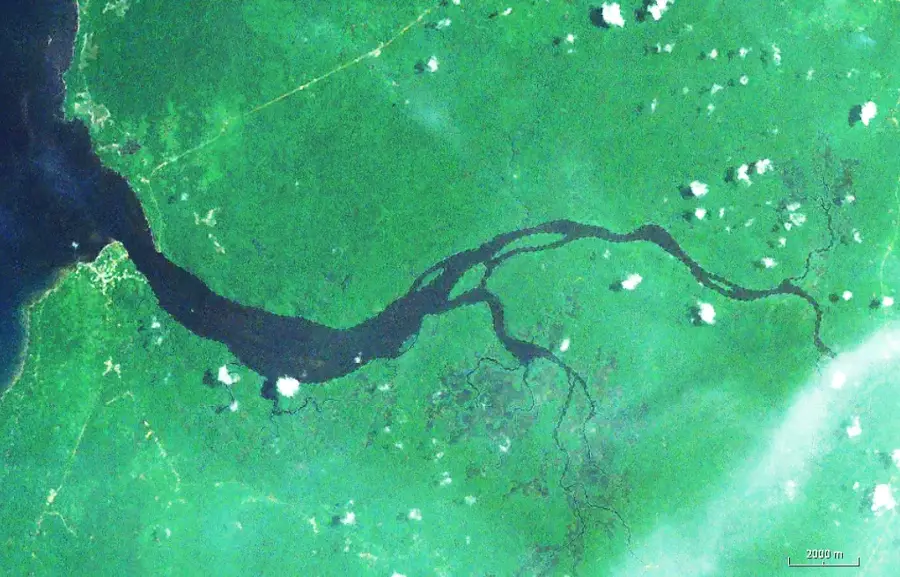
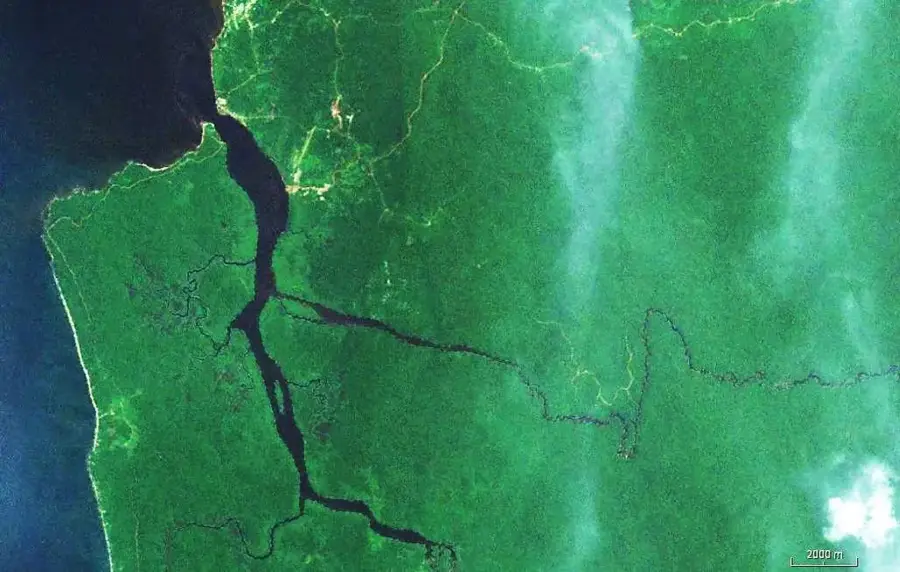
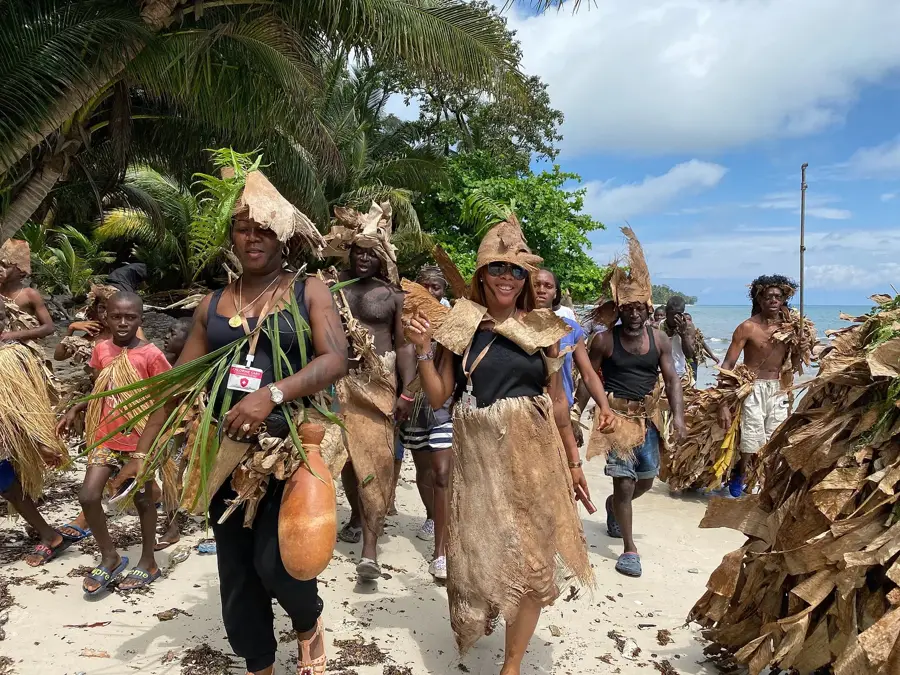
Cabo San Juan is an easy on the eye coastal settlement located in the Litoral province of southwestern Equatorial Guinea. Situated on a prominent headland jutting into the Gulf of Guinea, the area is renowned for its pristine white-sand beaches and crystal-clear turquoise waters. Geographically, the cape serves as a significant landmark along the Atlantic coast of Africa, flanked by dense coastal forests and mangrove swamps. Historically, the location functioned as an anchorage for seafarers and fishers who exploited the region's abundant marine life. Despite its immense natural beauty, Cabo San Juan remains largely undeveloped for tourism, preserving its tranquil and authentic atmosphere. The local population relies primarily on artisanal fishing and small-scale agriculture, keeping traditional maritime customs alive. Recently, there have been discussions regarding the development of ecotourism to boost the local economy while ensuring the protection of the fragile marine environment. Its relative seclusion makes it a unique destination for nature enthusiasts seeking tranquility.
- Location: Equatorial Guinea
- Nearby: Corisco (29 km)
Best time to visit & climate
The most pleasant time to visit is Jun–Aug.
| Jan | Feb | Mar | Apr | May | Jun | Jul | Aug | Sep | Oct | Nov | Dec | |
|---|---|---|---|---|---|---|---|---|---|---|---|---|
| Avg °C | 27 | 27 | 28 | 27 | 27 | 26 | 25 | 25 | 25 | 26 | 26 | 27 |
| Rain mm | 218 | 199 | 297 | 260 | 206 | 50 | 21 | 35 | 140 | 375 | 400 | 234 |
Geography
Facts
- Located on a prominent cape in the Gulf of Guinea
- Famous for its pristine and undeveloped white-sand beaches
- Artisanal fishing is the backbone of the local economy
- Surrounded by ecologically significant mangrove forests
- Part of the Litoral province in the country's southwest
- Regarded as a prime candidate for future ecotourism projects
Explore nearby
Notable places around



Route planner — Car & Motorhome
Where do you start? We build the route here, with stops and country notes along the way.
© OpenStreetMap contributors · OpenRouteService
Frequently asked questions
What is Cabo San Juan?
How do you reach Cabo San Juan?
Can you camp at Cabo San Juan?
Is there drinking water there?
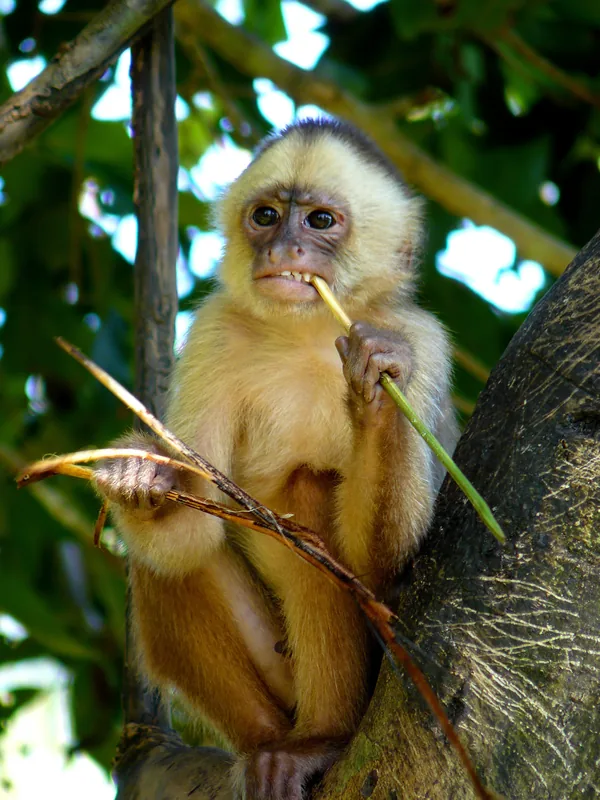
Are there wild animals there?
Cabo San Juan: where is it located?
Cabo San Juan: when is the best time to visit?
Cabo San Juan: why is it worth visiting?

Nearby cities
History & landmarks
Nature
More places