Plizio Visual Lab

Chimborazo Fauna Production Reserve

Plizio editorial teamData Sources
Animal habitat
—°7
Chimborazo Fauna Production Reserve (Ecuador)

Weather…

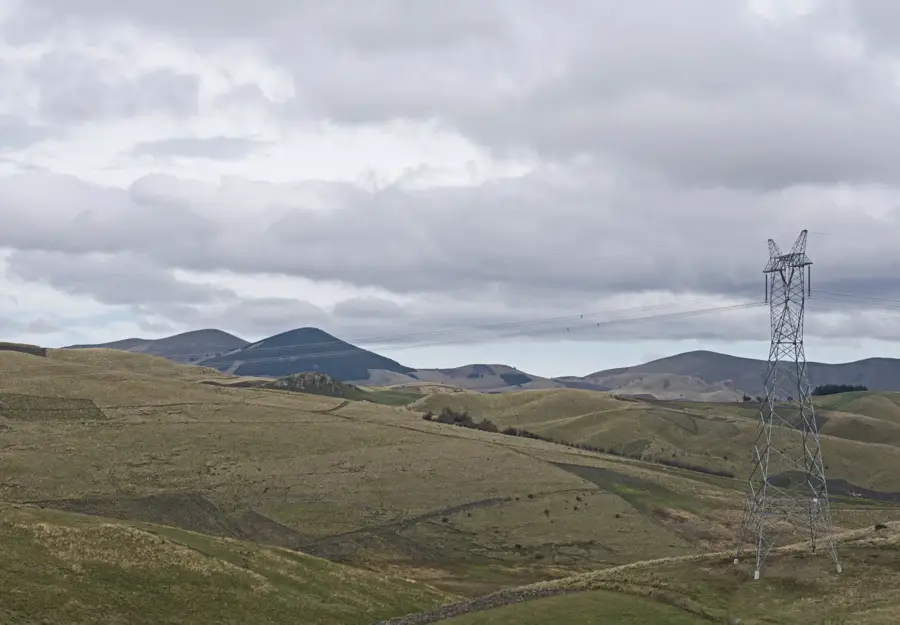
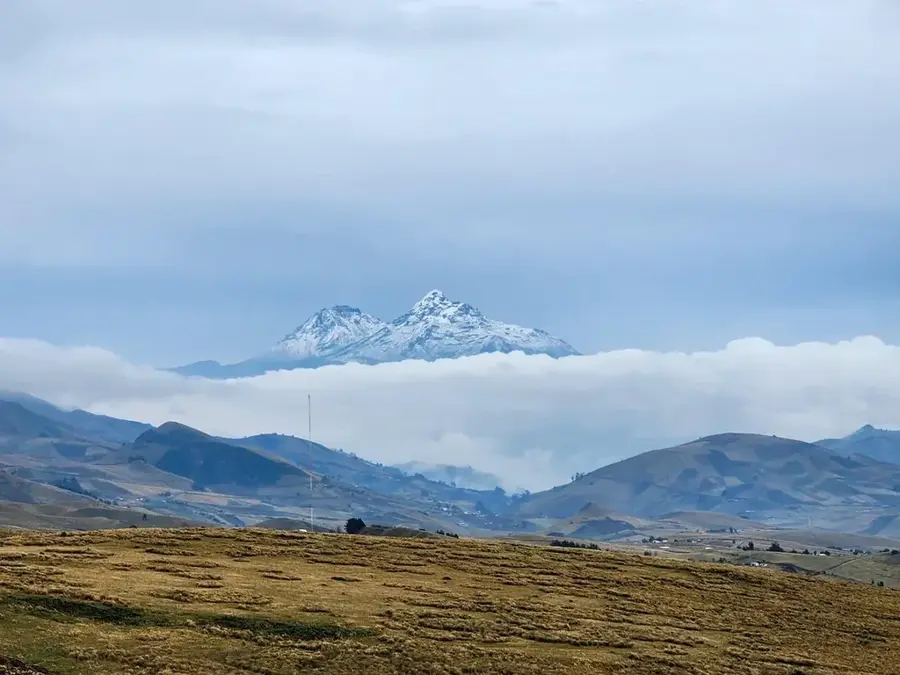
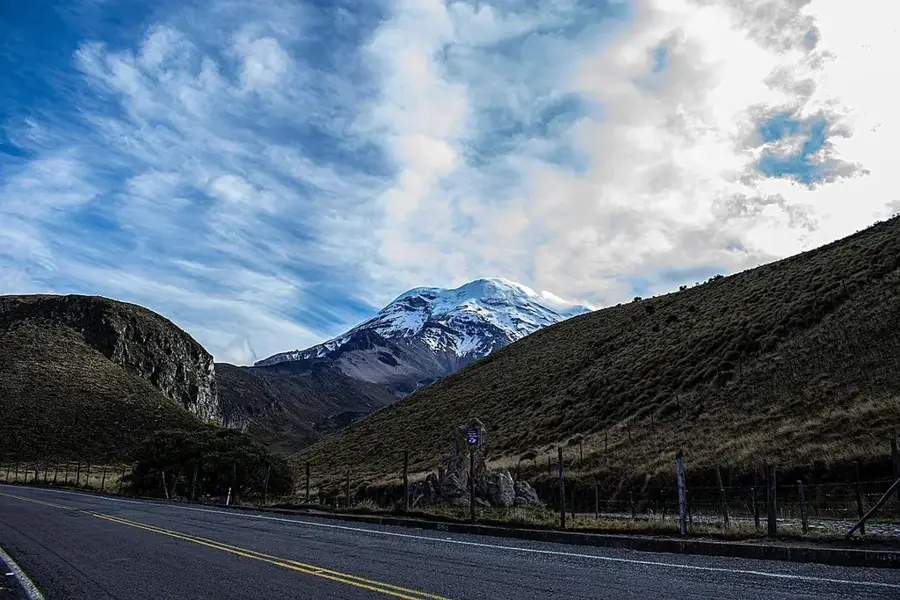
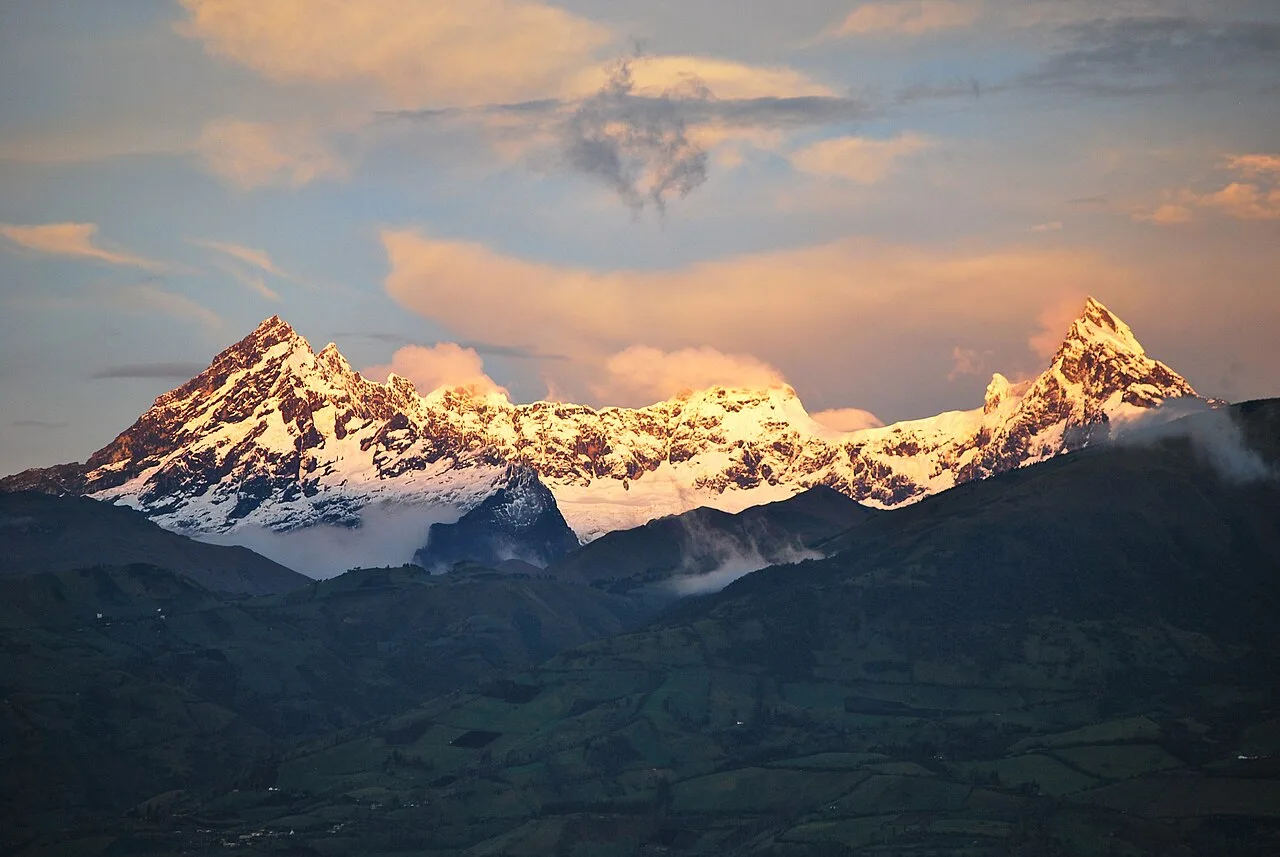
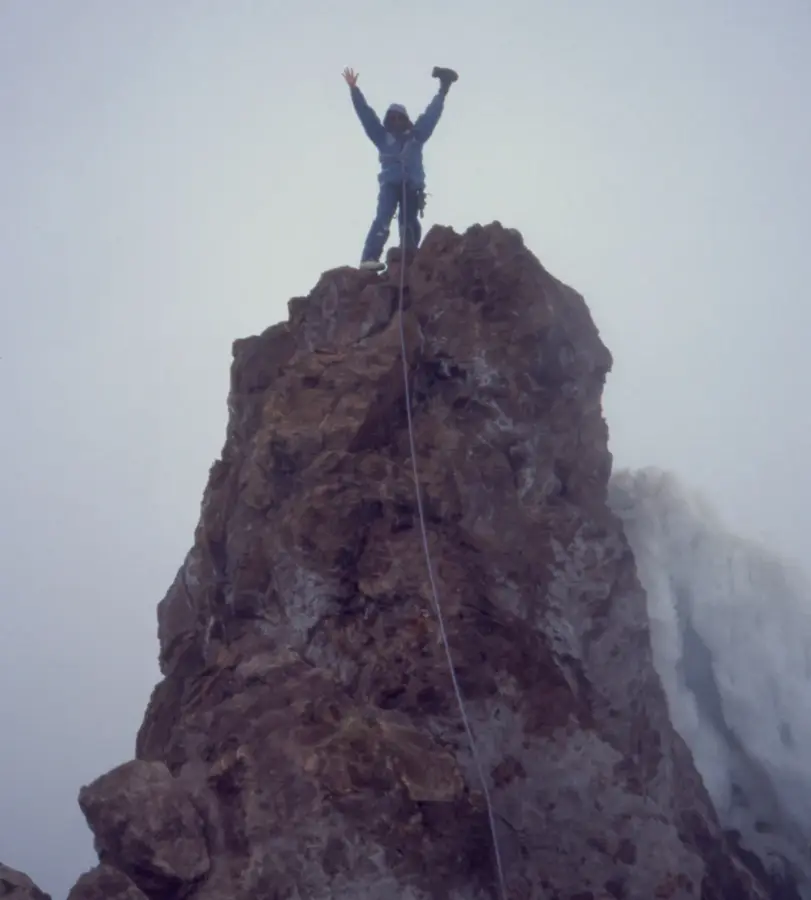
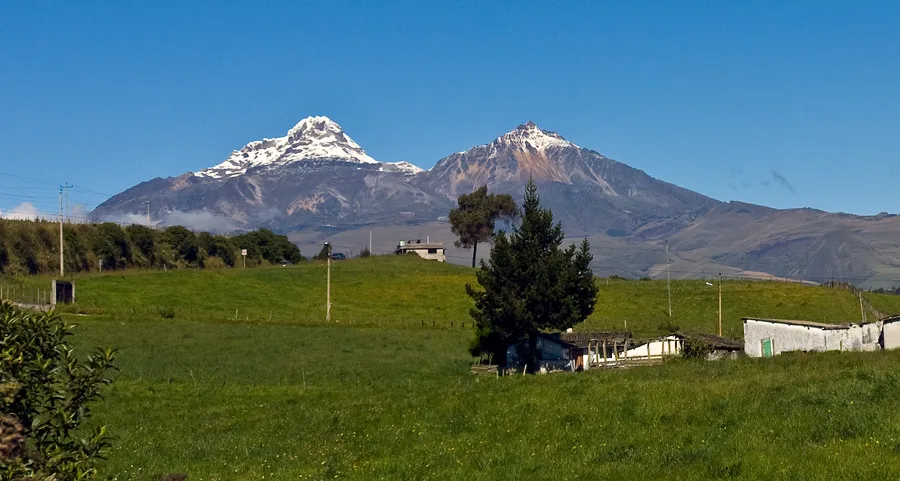
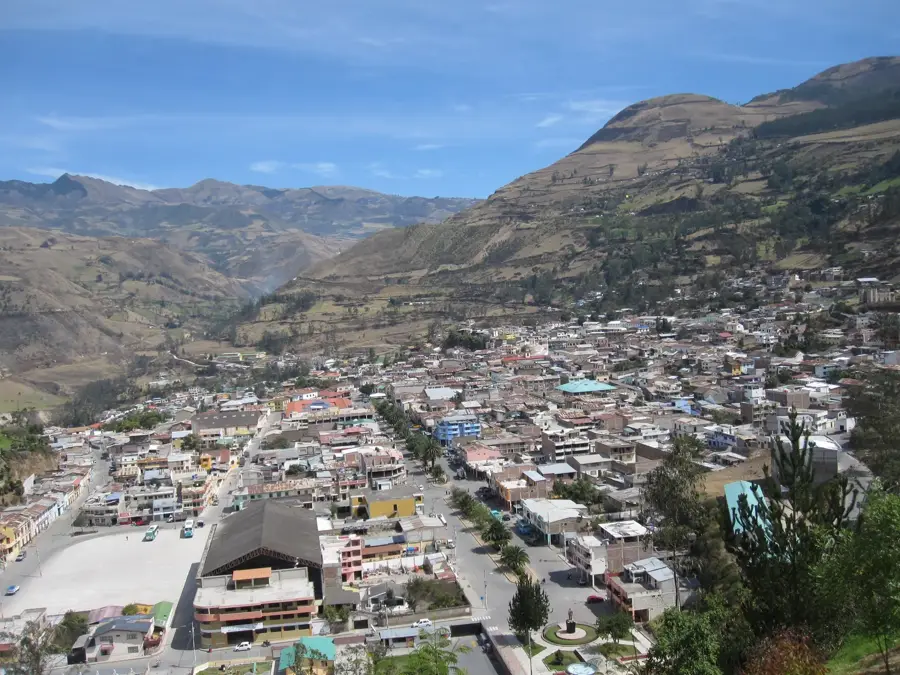
The Chimborazo Fauna Production Reserve is a vital protected area in Ecuador, spanning the provinces of Chimborazo, Bolívar, and Tungurahua. Established on October 26, 1987, it covers an extensive area of approximately 58,560 hectares, surrounding the massive Chimborazo and Carihuairazo volcanoes. The reserve's primary mission is the management and conservation of the unique páramo ecosystem and its native wildlife, most notably the vicuñas. These wild camelids were successfully reintroduced to the region in 1988 from Peru and Chile after local extinction, and their population has since flourished under protection. The landscape is characterized by high-altitude moorlands and deserts located between 3,800 and over 6,000 meters above sea level. In addition to vicuñas, the reserve is home to llamas, alpacas, and diverse bird species such as the Andean condor and the Ecuadorian hillstar hummingbird. For the local indigenous communities, the reserve holds immense cultural value, serving as a site for sustainable natural resource use and the spiritual veneration of the Chimborazo as a sacred mountain.

Best time to visit & climate

The most pleasant time to visit is Aug–Oct.

JanFebMarAprMayJunJulAugSepOctNovDec
Avg °C121211121110101011111211
Rain mm124146162162129111897567109113113

📋 Practical info

📅
Best season
The best travel time is from June to September when temperatures are milder and vicuñas graze in the higher areas. From December to February it is colder, but the snow-capped peaks provide a spectacular backdrop.
🌅
Best time of day
Early morning, animals are most active and the light is good for photos. Late afternoon often brings clouds that create dramatic skies while animals are still visible.
📜
Etiquette
Keep a minimum distance of 20 meters from vicuñas and other animals to avoid causing stress. Feeding or touching animals is prohibited, and dogs must be kept on leash.
🎒
What to bring
Warm clothing is essential as temperatures can drop significantly even during the day. Binoculars help observe animals from a distance, and a camera with a telephoto lens is recommended for mountain landscape shots.
🧭
Getting there
The reserve is located on the Chimborazo volcano and is accessible via a dirt road from Riobamba. A 4x4 vehicle is recommended, and entry is through a control gate at the reserve entrance.
🦌
What to expect
Vicuñas are shy and may flee quickly if approached; stay calm and use cover. The high altitude (above 4000 m) requires acclimatization; avoid rapid movements and drink plenty of water.

Geography

Coordinates
-1.48300, -78.85000

Facts

  • The reserve was officially established on October 26, 1987.
  • It protects a total land area of 58,560 hectares.
  • Vicuñas were reintroduced to the area in 1988 from Peru and Chile.
  • The elevation in the reserve ranges from 3,800 to 6,263 meters.
  • It is home to the only wild population of vicuñas in all of Ecuador.
  • The reserve encompasses the peaks of Chimborazo and Carihuairazo.

Explore nearby

Notable places around
Route planner — Car & Motorhome

Where do you start? We build the route here, with stops and country notes along the way.

Vehicle
Only stops with (optional):

© OpenStreetMap contributors · OpenRouteService

Sights in the town Chimborazo Fauna Production Reserve (7)

Cruz del Arenal📍 landmark

The Cruz del Arenal is a prominent cross monument situated in the sandy, high-altitude terrain of the Chimborazo Faunal Reserve.

Tambo Inca🏺 historical

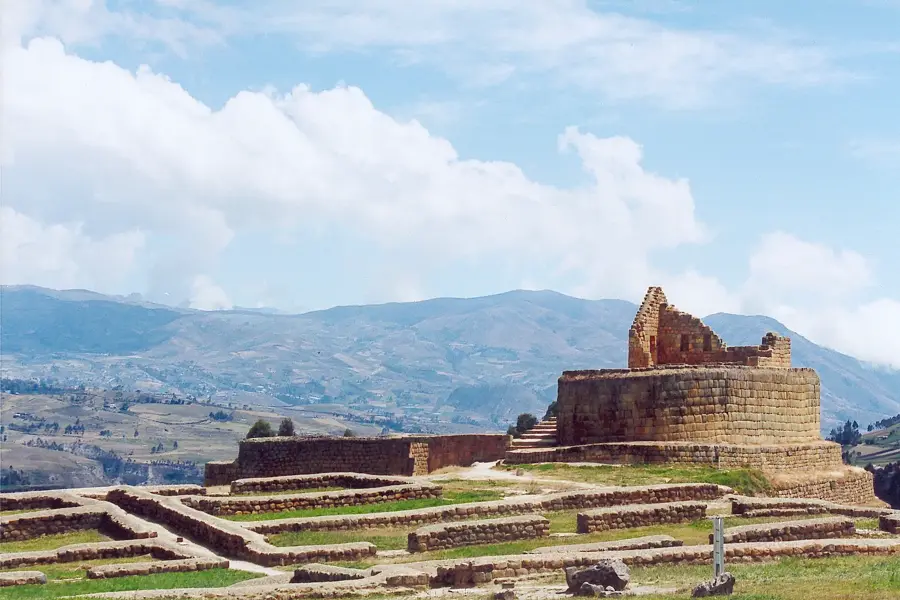
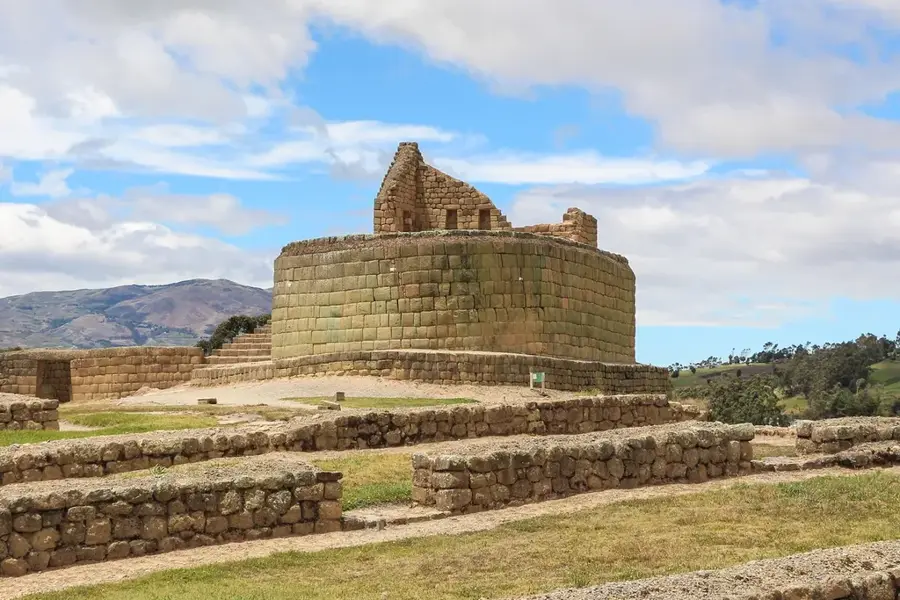
The Tambo Inca are archaeological ruins of an ancient Inca waystation tucked away within the harsh Andean landscape of the Chimborazo Reserve.

Antiguo refugió n°3🏺 historical

The Antiguo refugió n°3 is the dilapidated stone remnants of a former high-altitude mountaineering shelter on the slopes of Chimborazo.

Bosque de Polylepis🌿 nature

The Bosque de Polylepis is a protected high-altitude nature reserve sheltering a rare and ancient forest of paper-bark trees.

Ruta tracking de vici de montaña📍 landmark

This attraction features a challenging mountain biking route across the rugged alpine ecosystem of the Chimborazo Reserve.

Lone Tree📍 landmark

The Lone Tree is a solitary, resilient specimen standing starkly against the barren paramo landscape of the Chimborazo Reserve.

cascada La Chorrera🌿 nature

The La Chorrera cascade has a scenic viewpoint where glacial meltwaters plunge down the rocky slopes of the Chimborazo reserve.

Sights nearby

Frequently asked questions

Which animals can be observed here?
The main attraction is the vicuña, but you can also see condors, paramo foxes, and hummingbirds.
How much is the entrance fee?
Entrance to the reserve is free, but visitors must register at the control point.
Is the location family-friendly?
Yes, but the extreme altitude requires caution for children and the elderly.
When is the best time to visit?
The dry season from June to September provides the clearest views of the volcano.
Are there toilets in the reserve?
Yes, basic sanitary facilities are located at the visitor center and near the refuges.
Chimborazo Fauna Production Reserve: where is it located?
Chimborazo Fauna Production Reserve is located in Ecuador.
Chimborazo Fauna Production Reserve: what is there to see?
Highlights include Cruz del Arenal, Tambo Inca, Antiguo refugió n°3.
Chimborazo Fauna Production Reserve: when is the best time to visit?
The most pleasant time to visit is Aug, Oct.
Chimborazo Fauna Production Reserve: why is it worth visiting?

The Chimborazo Fauna Production Reserve is a vital protected area in Ecuador, spanning the provinces of Chimborazo, Bolívar, and Tungurahua.
View on map → The Top 50 Attractions → OpenStreetMap →
South America
Explore with Plizio Discover more places in South America
More places in Ecuador →

Nearby cities

History & landmarks
Nature

More places