Plizio Visual Lab
Milagro

ℹ️Practical info — Milagro
▾
🌤 Weather — 5 days
📍 Nearby
Sights nearby
💡 Tips
- Much of Milagro's economy revolves around sugarcane and pineapples; be sure to try both as fresh as possible at the local market.
- There are three-wheeled taxis (tricimotos) for short distances, always negotiate the fare in advance.
- A walk through the agricultural gardens on the outskirts of the city provides a great insight into the tropical fruit harvest.
- Visit the city in September to experience the lively cantonization festival.
🍽 Food
Try freshly squeezed sugarcane juice (Jugo de Caña) and sweet pineapple chunks offered by street vendors all over the city.
An Ecuadorian fish soup with onions and yuca. Many small eateries near the market offer this as a morning remedy.
A traditional chicken stew. Look for lunch restaurants (Almuerzos) in the business district.
🛍 Shopping · 🧘 Quiet spots
for fresh agricultural produce, especially the huge pineapples the city is famous for.
On the outskirts of the city, you will find nurseries where locals buy ornamental plants and fruit trees.
A relaxing spot in the city center to rest in the shade and watch the local hustle and bustle.
Ask about eco-tours to nearby waterfalls in the wider region of Guayas province for a peaceful retreat into nature.
Water temperature…
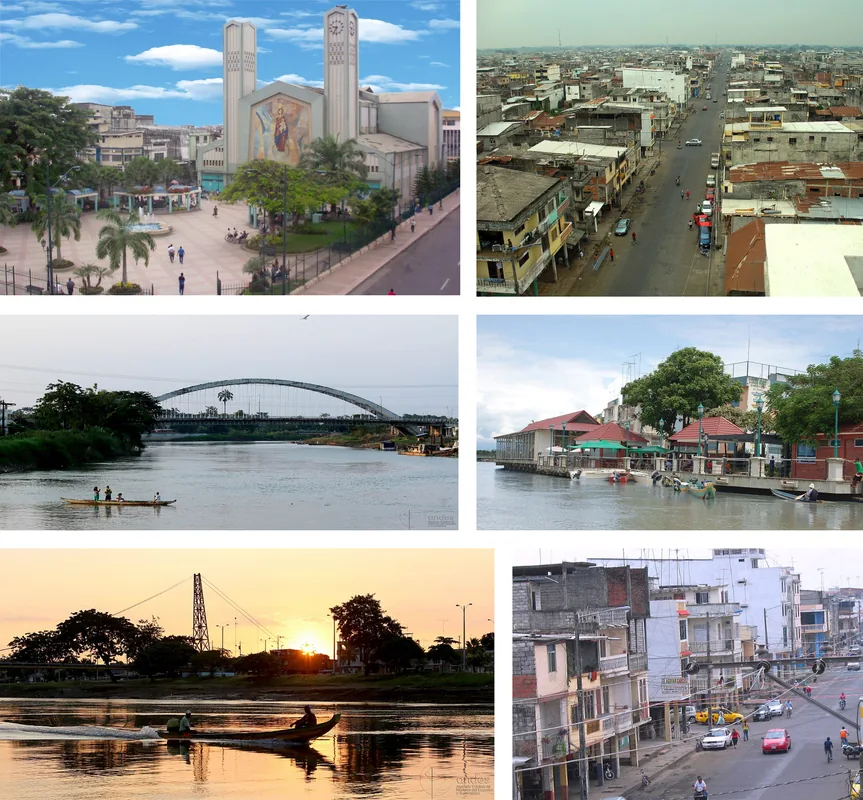
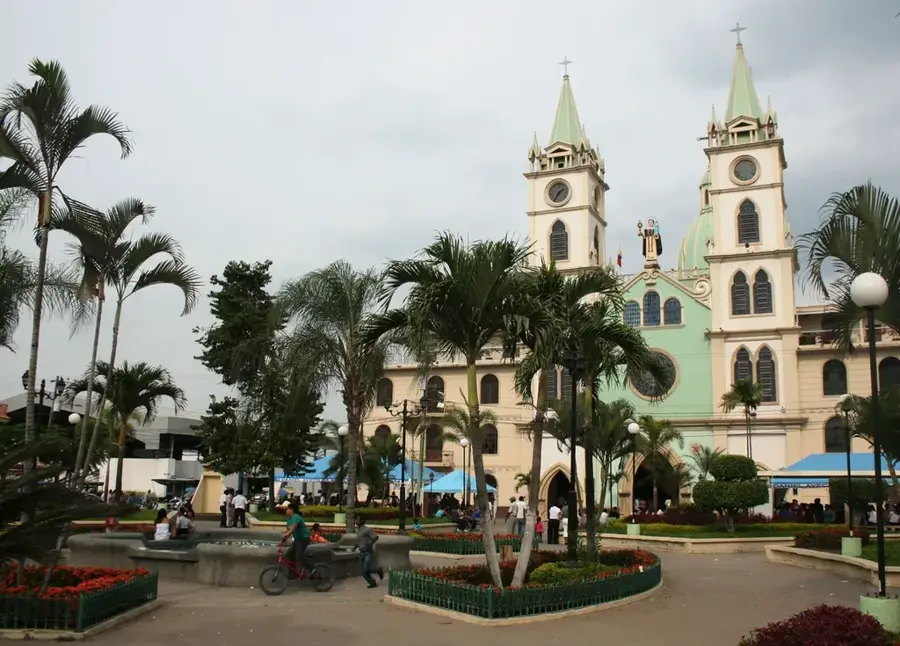
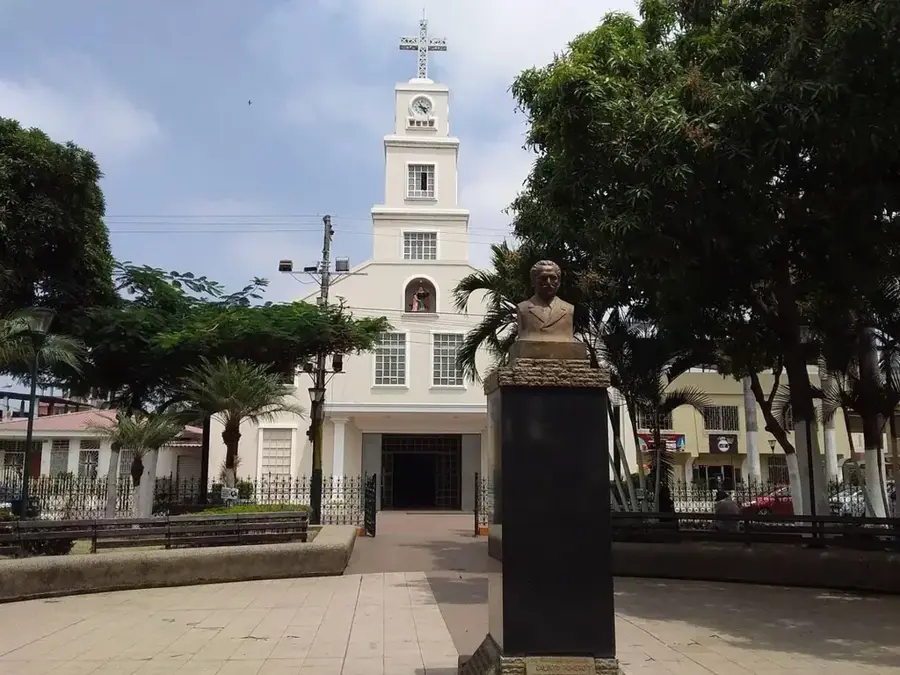
Milagro, officially known as San Francisco de Milagro, is a prominent city in the Guayas Province and a powerhouse of Ecuadorian agriculture. The city's name originates from an 18th-century legend regarding a healing, but it truly developed into a major urban center during the 20th century. Milagro is nationally celebrated as the "Pineapple City" because the surrounding fertile lands produce some of the finest pineapples in the country. In addition to pineapple production, sugarcane cultivation plays a central role, bolstered by the presence of one of Ecuador's largest sugar mills, Ingenio Valdez. Located in the rich coastal lowlands, the city benefits from a tropical climate that allows for intensive farming activities year-round. Milagro serves as a vital commercial and service hub for the surrounding rural districts and has undergone significant infrastructure modernization in recent years. Its lively atmosphere and critical role in food production make it an indispensable part of the coastal region's economy.
- Location: Ecuador
- Top sights: Museo Julio Viteri Gamboa · Casa de PETITA · Teask Forest
- Nearby: Naranjal (11 km)
- Population: ~133.508 (2024)
Best time to visit & climate
The most pleasant time to visit is Jul–Sep.
| Jan | Feb | Mar | Apr | May | Jun | Jul | Aug | Sep | Oct | Nov | Dec | |
|---|---|---|---|---|---|---|---|---|---|---|---|---|
| Avg °C | 23 | 23 | 23 | 23 | 23 | 23 | 24 | 24 | 24 | 23 | 23 | 23 |
| Rain mm | 123 | 195 | 198 | 138 | 63 | 33 | 21 | 18 | 16 | 30 | 34 | 46 |
Geography
Facts
- Established as a canton on September 17, 1913.
- Ecuador's primary hub for pineapple cultivation and export.
- Home to Ingenio Valdez, one of the nation's oldest sugar mills.
- Located in Guayas Province, roughly 45 km east of Guayaquil.
- Site of significant archaeological remains from the Milagro-Quevedo culture.
- Major transportation hub for the coastal region's road and rail network.
Explore nearby
Notable places around


Route planner — Car & Motorhome
Where do you start? We build the route here, with stops and country notes along the way.
© OpenStreetMap contributors · OpenRouteService
Sights in the town Milagro (3)
Frequently asked questions
What is Milagro known for?
What can you visit in the city?
How is the weather in Milagro?
Are there local markets?
How far is it from Guayaquil?
Milagro: where is it located?
Milagro: what is there to see?
Milagro: when is the best time to visit?
Milagro: why is it worth visiting?

Nearby cities




History & landmarks





Nature
More places