Plizio Visual Lab

Chongón-Colonche Mountain Range
Plizio editorial teamData Sources
Relief
—°7
Chongón-Colonche Mountain Range (Ecuador)

Weather…

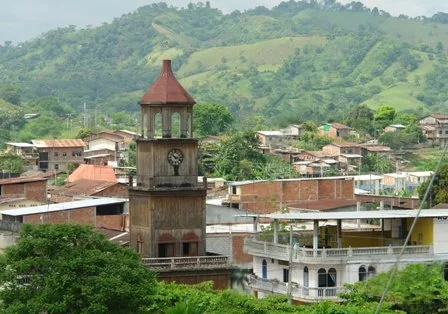
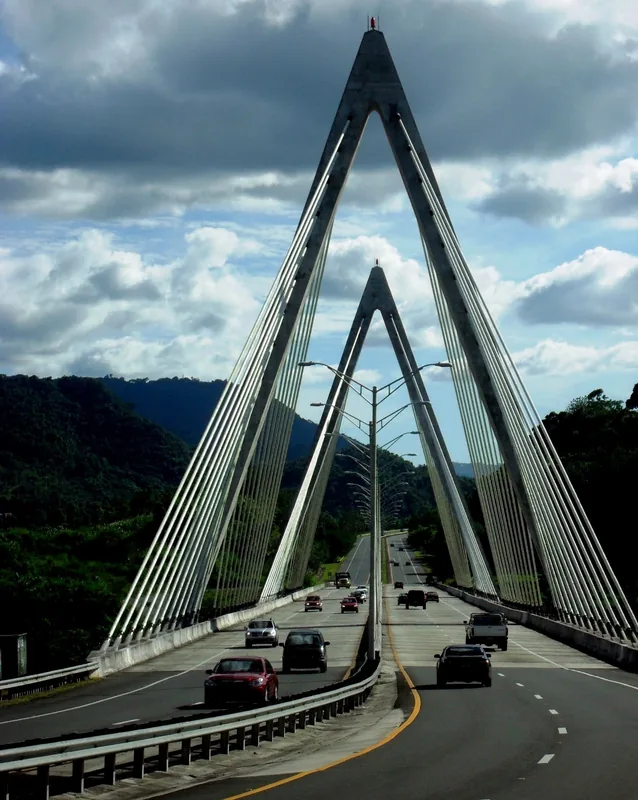
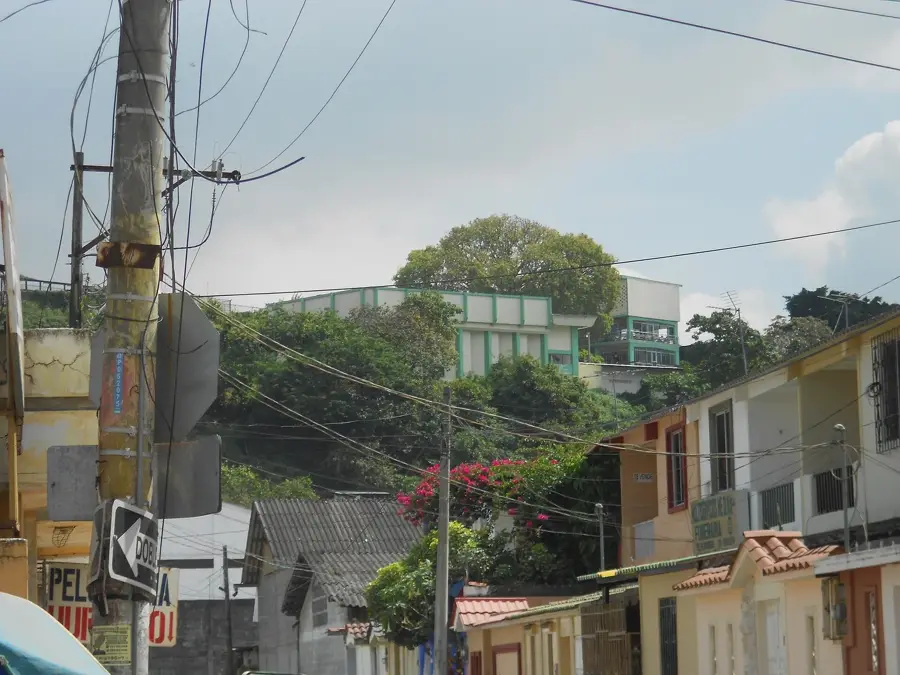
The Chongón-Colonche mountain range extends for about 330 kilometers along the Ecuadorian coast through the provinces of Guayas, Santa Elena, and Manabí. This range plays a vital ecological role as a barrier to moist air masses from the Pacific Ocean, resulting in the formation of cloud forests at higher elevations. The region preserves one of the last significant fragments of tropical dry forest and coastal humid forest in Ecuador. Historically, the area was home to major pre-Columbian cultures such as the Valdivia, Machalilla, and Chorrera civilizations, with archaeological traces dating back to 3500 BC. Today, the range is of central importance for the protection of endangered species like the Great Green Macaw and the Ecuadorian Mantled Howler Monkey. Despite its ecological significance, the region is threatened by agriculture, mining, and uncontrolled urbanization, requiring strengthened conservation measures.

Best time to visit & climate

The most pleasant time to visit is Sep–Nov.

JanFebMarAprMayJunJulAugSepOctNovDec
Avg °C282727272727282828272728
Rain mm12321521212638103326824

📋 Practical info

🧭
Getting there
The approach is mostly from coastal cities like Guayaquil via reasonably well-maintained highways, from which smaller dirt tracks later branch off directly into the hilly landscape.
📅
Best season
The cooler, more humid Garúa season from June to November is often optimal as the vegetation turns lush green and the temperatures become significantly more bearable for hiking.
⛰️
Terrain & paths
The terrain consists mostly of gentle, often forested hills and drier coastal slopes, featuring trails that are generally significantly easier to traverse than those in the high mountains.
🎒
What to bring
Light hiking shoes, adequate sun protection, and a pair of binoculars for birdwatching are generally perfectly sufficient for a typical excursion into these expansive coastal hills.
🅿️
Parking
Parking is usually easily found at the local entrances of smaller protected reserves or within the quiet rural villages scattered along the main roads crossing the mountain range.
⚠️
Safety
The area is generally considered very safe for nature lovers, however, on unpaved dirt tracks after heavy rains, one should remain cautious of possible landslides and deep mud.
⏱️
Time needed
The mountain range can often be easily explored via day trips from the major coastal centers, with various routes allowing for excursions ranging from just a few hours to a full day.

Geography

Coordinates
-1.93000, -80.16000

Facts

  • The mountain range reaches a maximum elevation of about 800 meters above sea level.
  • It is home to over 30 tree species that occur exclusively in this ecosystem.
  • Ceramics from the Valdivia culture dating back to 3500 BC have been found here.
  • Approximately 100,000 hectares of the range are designated as protective forest.
  • Over 200 bird species have been documented in the Chongón-Colonche forests.
  • The mountains are the primary freshwater source for the Santa Elena Peninsula.

Explore nearby

Notable places around

Route planner — Car & Motorhome

Where do you start? We build the route here, with stops and country notes along the way.

Vehicle
Only stops with (optional):

© OpenStreetMap contributors · OpenRouteService

Sights in the town Chongón-Colonche Mountain Range (7)

Pk. 244 sector📍 landmark

This route sector in the Chongón-Colonche region acts as a local landmark for travelers.

Pk. 245 sector📍 landmark

This marked route sector in the Chongón-Colonche region helps visitors navigate the terrain.

Pk. 249. Sector📍 landmark

This specific waypoint in the Chongón-Colonche region serves as a marker along the route.

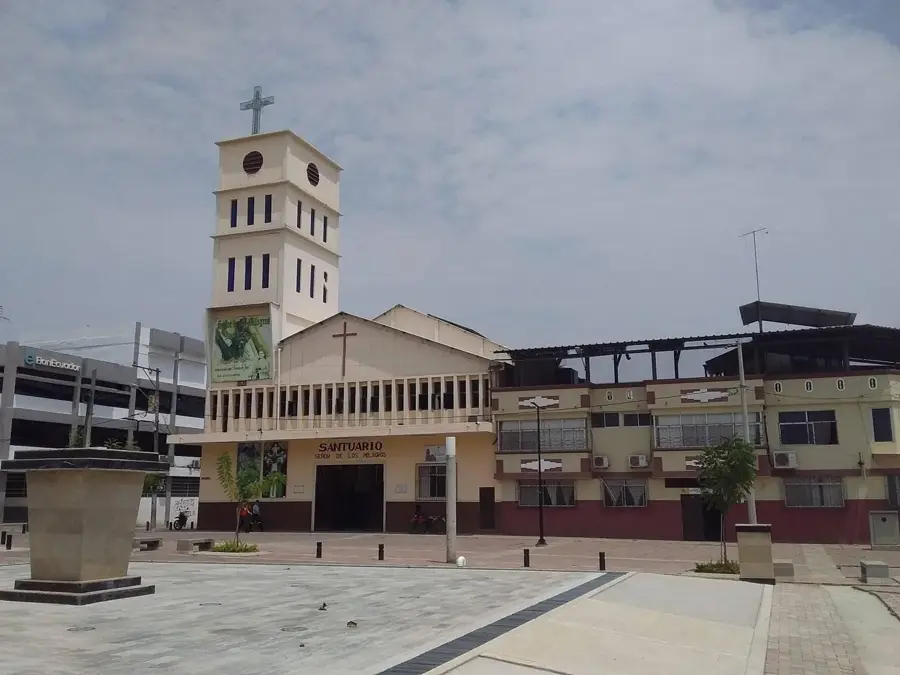
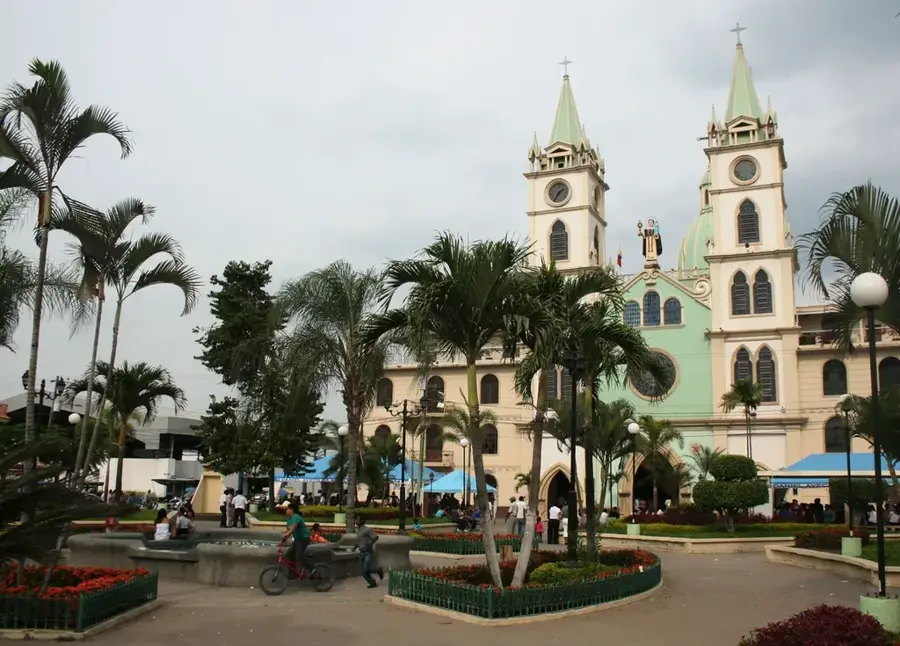
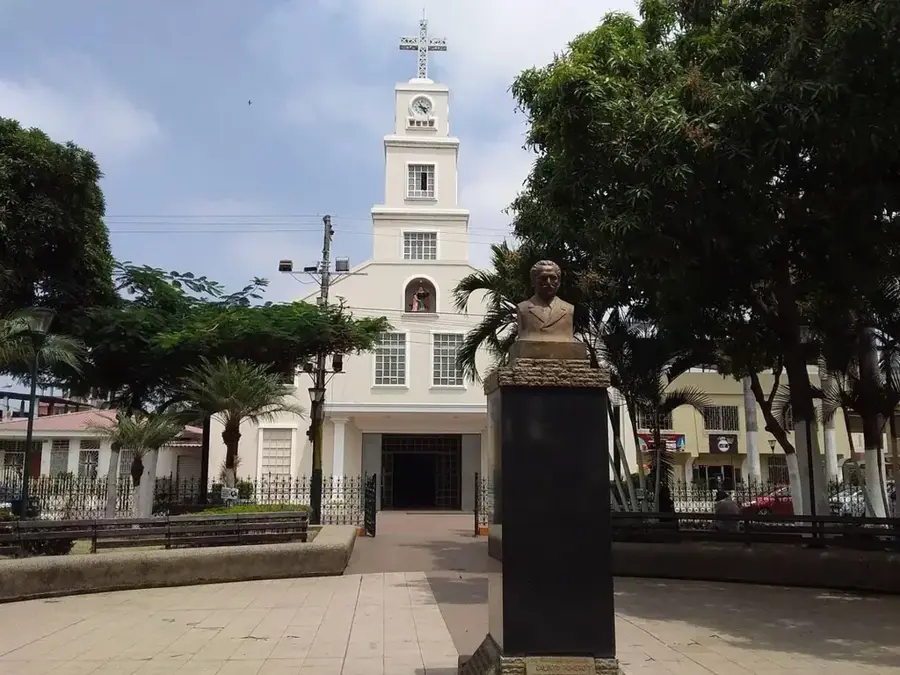
Capilla Católica Virgen del Rosario⛪ religious

This Catholic chapel in the Chongón-Colonche region features a place for reciting the rosary.

Iglesia Católica ?⛪ religious

This Catholic place of worship in the Chongón-Colonche region serves as a spiritual meeting point for residents.

Iglesia de las Mercedes⛪ religious

This church in the Chongón-Colonche region is characterized by its regular community worship services.

Mercado Municipal🎭 culture

At this municipal market in the Chongón-Colonche region, vendors sell fresh agricultural produce.

Sights nearby

Frequently asked questions

Where are the Chongón-Colonche mountains?
They stretch along the coast from Guayas province to Manabí.
What ecosystems are found there?
There are tropical dry forests and, in higher elevations, cloud forests.
Why are these mountains important?
It is the most important water source for the surrounding coastal regions.
Can you go birdwatching there?
Yes, it is a birdwatcher's paradise, with species like the Great Green Macaw.
Are there hiking trails?
There are trails in areas like Loma Alta or Dos Mangas.
Chongón-Colonche Mountain Range: where is it located?
Chongón-Colonche Mountain Range is located in Ecuador.
Chongón-Colonche Mountain Range: what is there to see?
Highlights include Pk. 244 sector, Pk. 245 sector, Pk. 249. Sector.
Chongón-Colonche Mountain Range: when is the best time to visit?
The most pleasant time to visit is Sep, Nov.
Chongón-Colonche Mountain Range: why is it worth visiting?
The Chongón-Colonche mountain range extends for about 330 kilometers along the Ecuadorian coast through the provinces of Guayas, Santa Elena, and Manabí.
View on map → The Top 50 Attractions → OpenStreetMap →
South America
Explore with Plizio Discover more places in South America
More places in Ecuador →

Nearby cities

History & landmarks
Nature
More places