Lípa Musica
International classical music festival held since 2000 from September to November in Česká Lípa and the neighbouring German border region, featuring renowned Czech and foreign artists in churches and historic halls.
PlizioGo
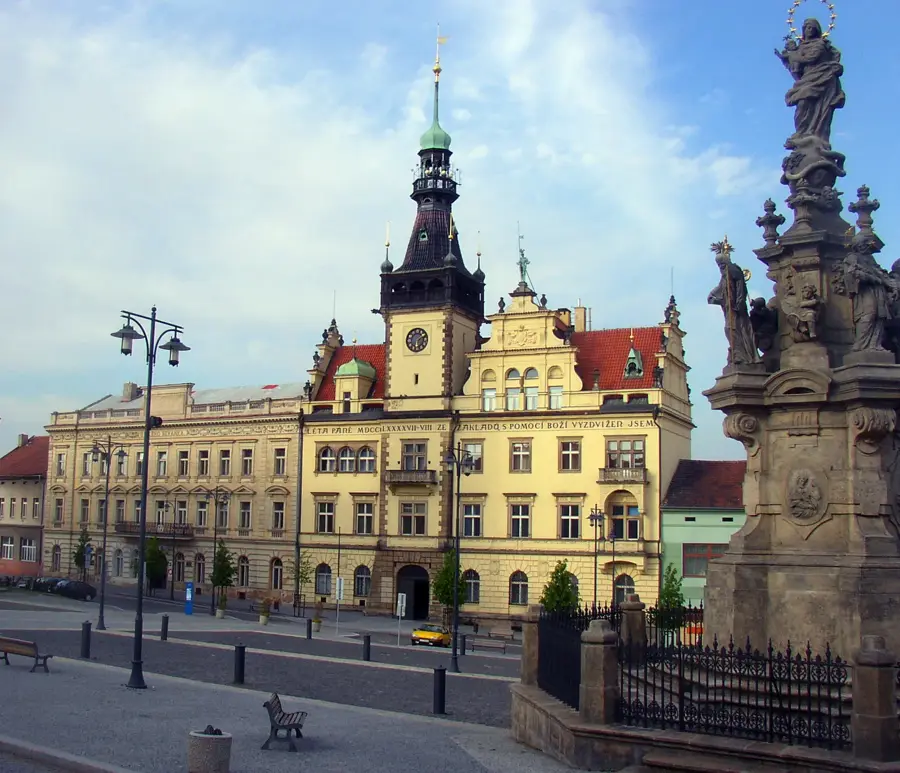
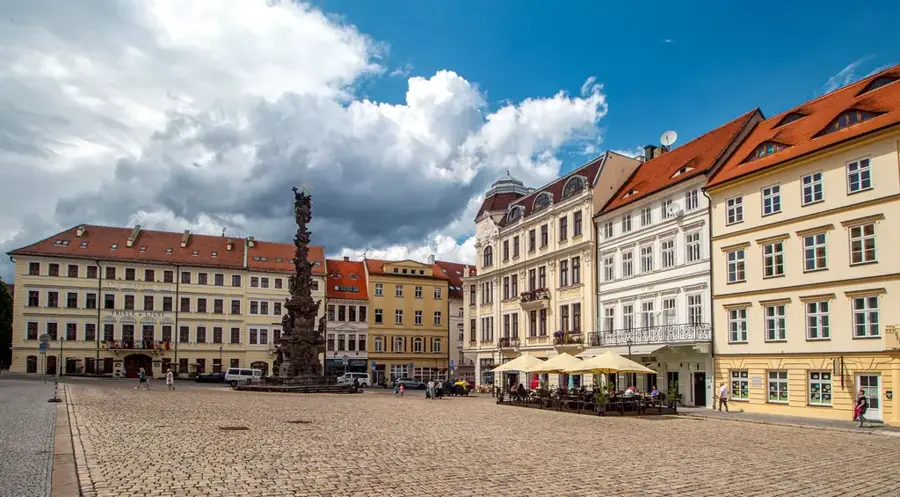
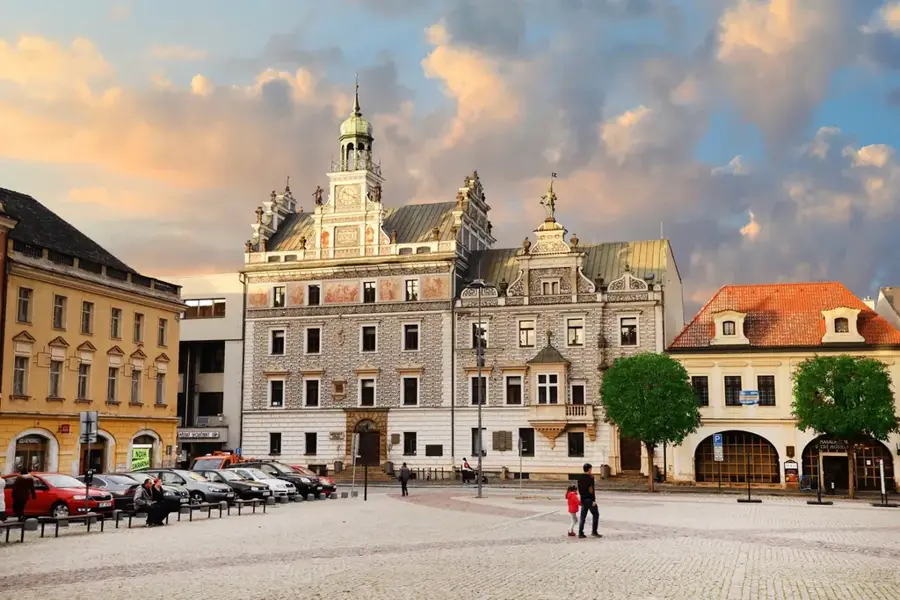
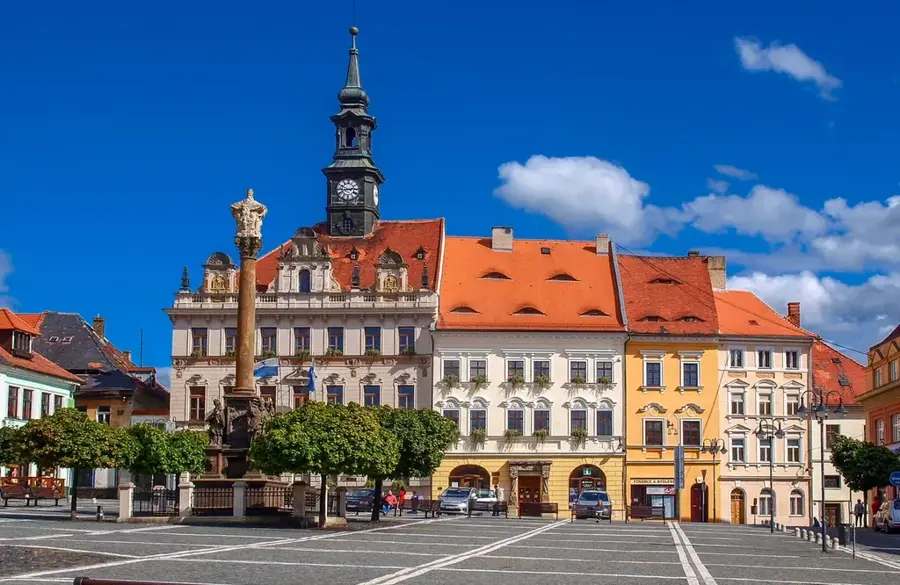
Find a local 'hospoda' around T. G. Masaryk Square for traditional Czech goulash and a pint of lager.
Grab a traditional sweet pastry like 'koláč' from a bakery on the main pedestrian streets.
Fruit-filled dumplings (ovocné knedlíky) are a beloved Czech classic, available in local restaurants offering traditional lunch menus.
The main square is the best place to find small local shops and occasional markets.
Look for shops selling traditional Bohemian glassware, a specialty of the wider region.
A large, tranquil park handy for a relaxing stroll under mature trees.
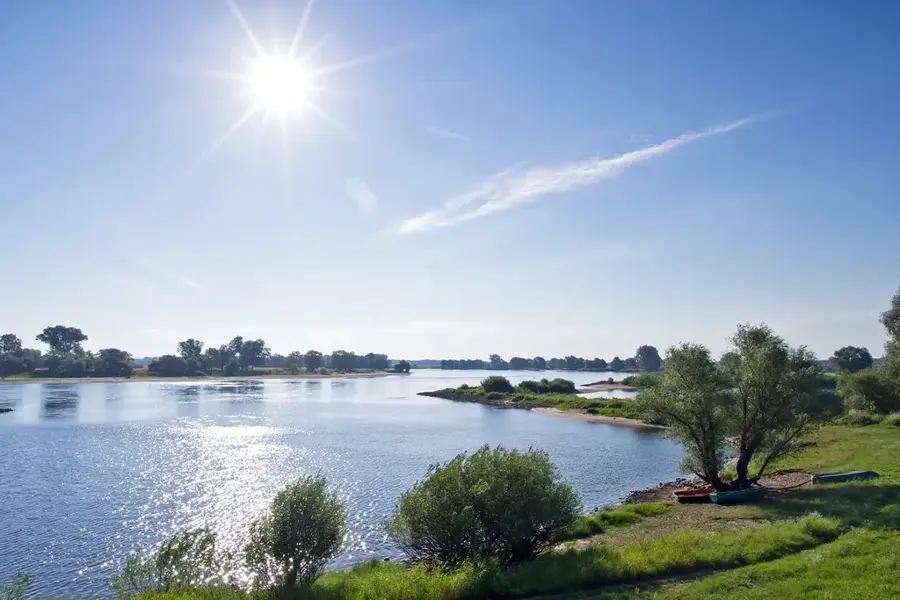
Walk along the river for a peaceful escape from the busy streets.
Water temperature…
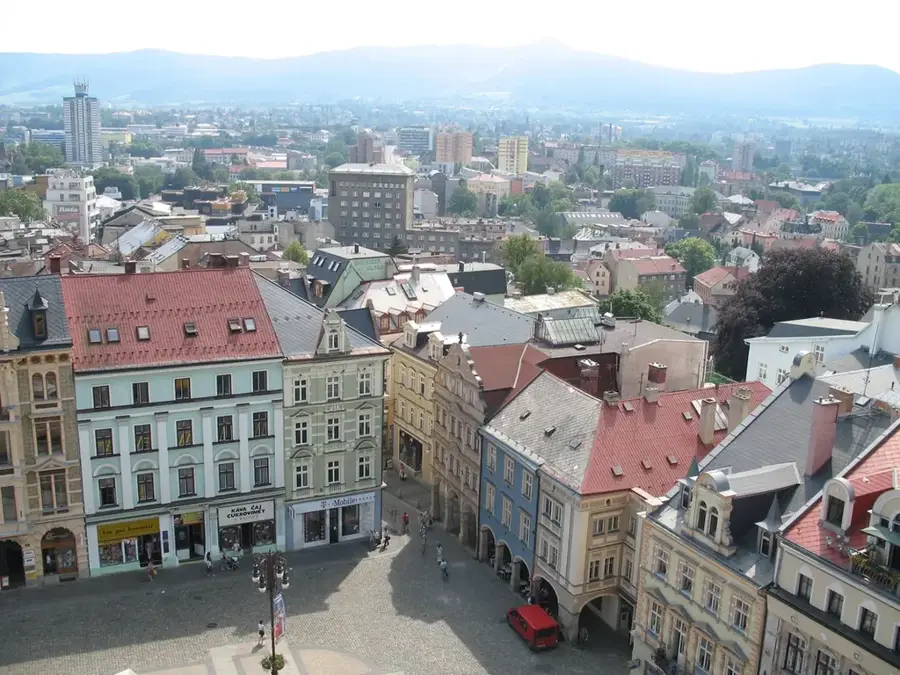
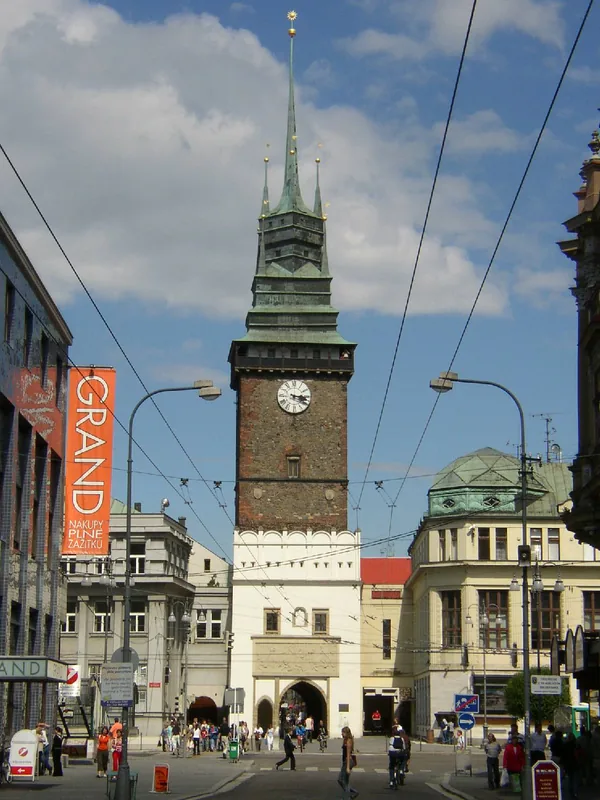
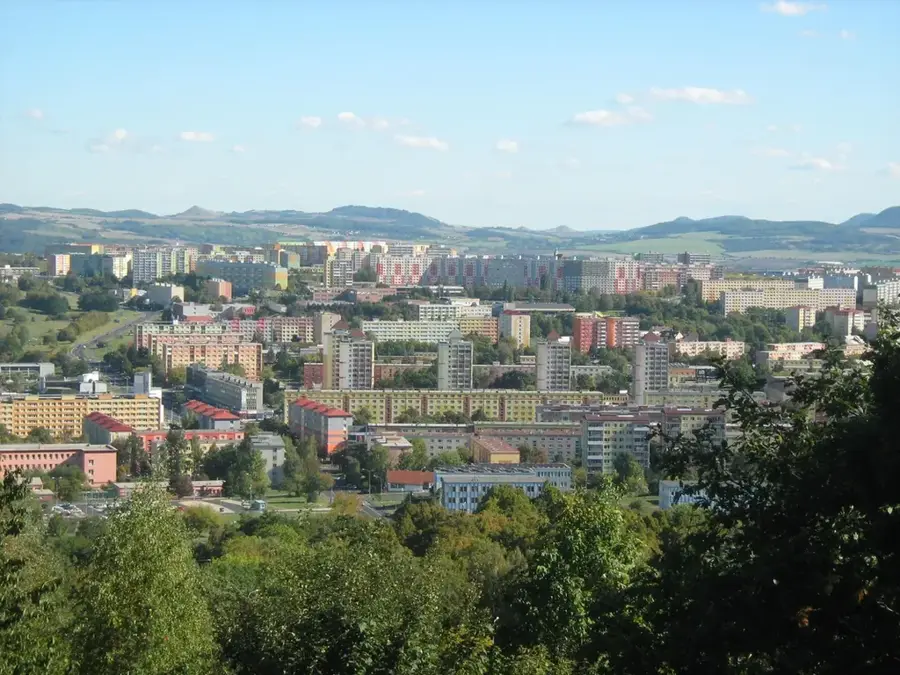
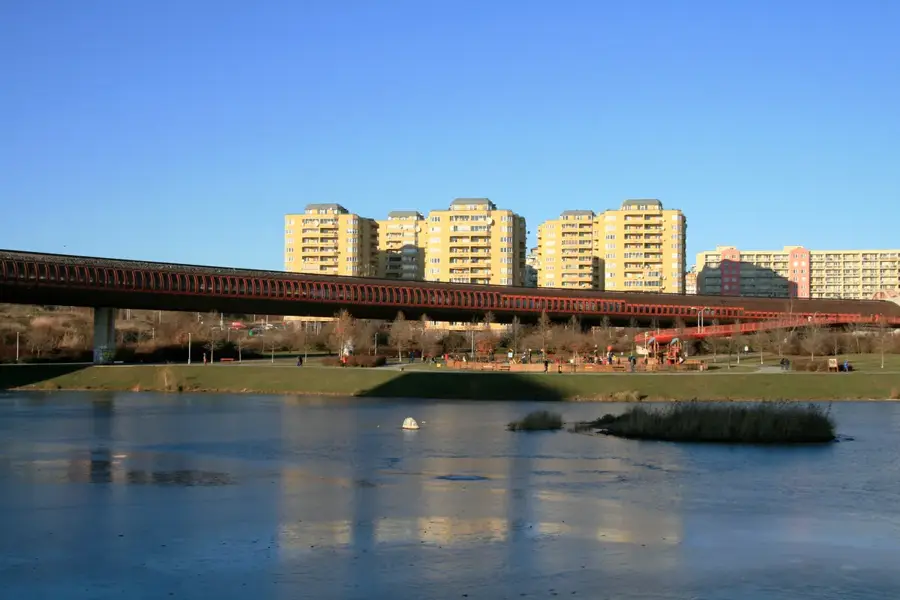
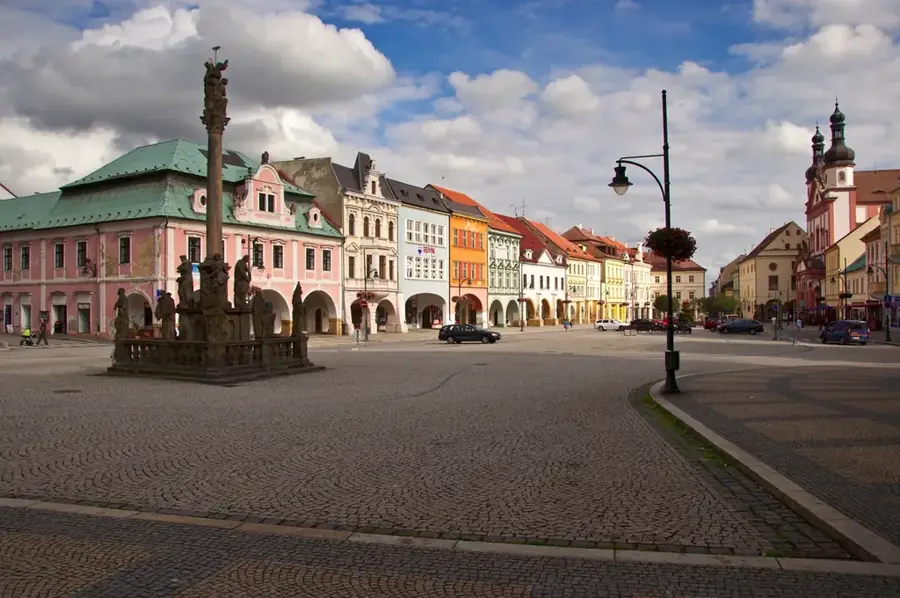
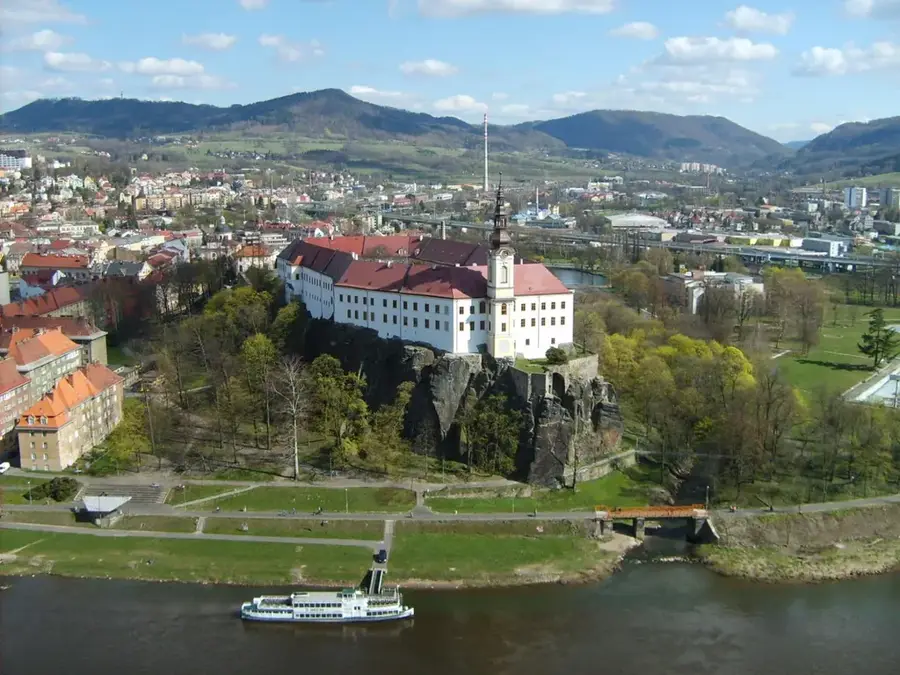
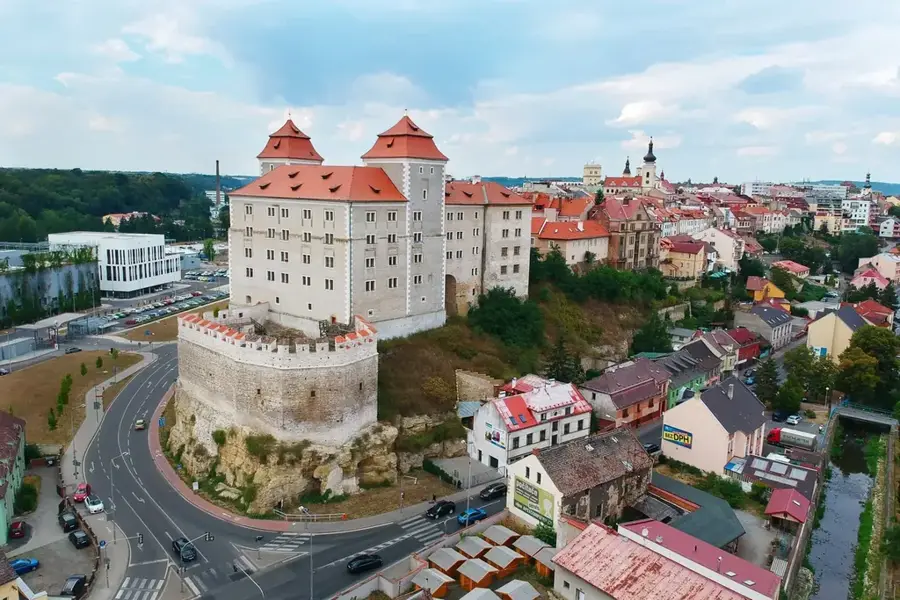
Česká Lípa is situated on the Ploučnice River in northern Bohemia, serving as a gateway to the Lusatian Mountains and the Bohemian Switzerland National Park. The town was founded in the 13th century under the rule of the Ronovci family, with the Lipý water castle forming its historic core. Over the centuries, Česká Lípa evolved into a center for crafts and trade, and in the 19th century, it was significantly shaped by industrialization, particularly in the textile and glass sectors. A cultural highlight is the former Augustinian monastery, which now houses a museum and is famous for its beautiful Baroque cloister. The city's architecture is a mix of historic monuments, such as the Red House (Červený dům), and modern residential areas developed during the 20th-century uranium mining boom in the nearby region. Today, Česká Lípa is a key starting point for nature enthusiasts, providing access to numerous cycling and hiking trails in the surrounding pristine landscape. The city preserves its regional traditions and acts as a major administrative hub.
The most pleasant time to visit is Jun–Aug.
| Jan | Feb | Mar | Apr | May | Jun | Jul | Aug | Sep | Oct | Nov | Dec | |
|---|---|---|---|---|---|---|---|---|---|---|---|---|
| Avg °C | -2 | -1 | 3 | 9 | 14 | 18 | 20 | 20 | 15 | 9 | 4 | -1 |
| Rain mm | 42 | 30 | 37 | 31 | 62 | 68 | 77 | 75 | 51 | 44 | 42 | 40 |
See what it looks like near Česká Lípa right now.
Ceska Lipa: Náměstí T. G. Masaryka · 0.2 km · Open webcam on Windy · Webcams provided by Windy.com
Notable places around
Where do you start? We build the route here, with stops and country notes along the way.
© OpenStreetMap contributors · OpenRouteService
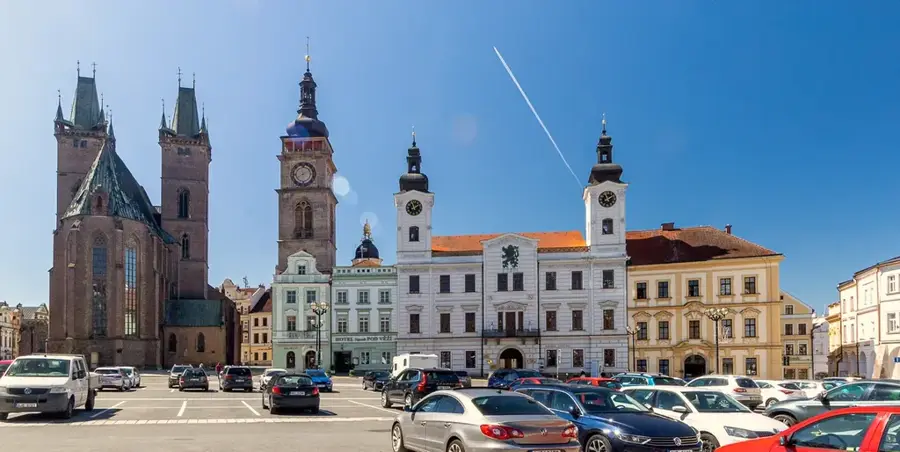
Your day in Böhmisch Leipa begins at the historic Main Square, the vibrant heart of the city. In the morning, you'll explore the religious and cultural heritage, including the Augustinian Monastery. After lunch at a traditional Bohemian restaurant, you will discover the unique Lipý water castle. The afternoon is dedicated to a relaxing walk through the City Park, before concluding the day with a breathtaking panoramic view from the Špičák lookout tower, offering a wide vista over the picturesque landscape.
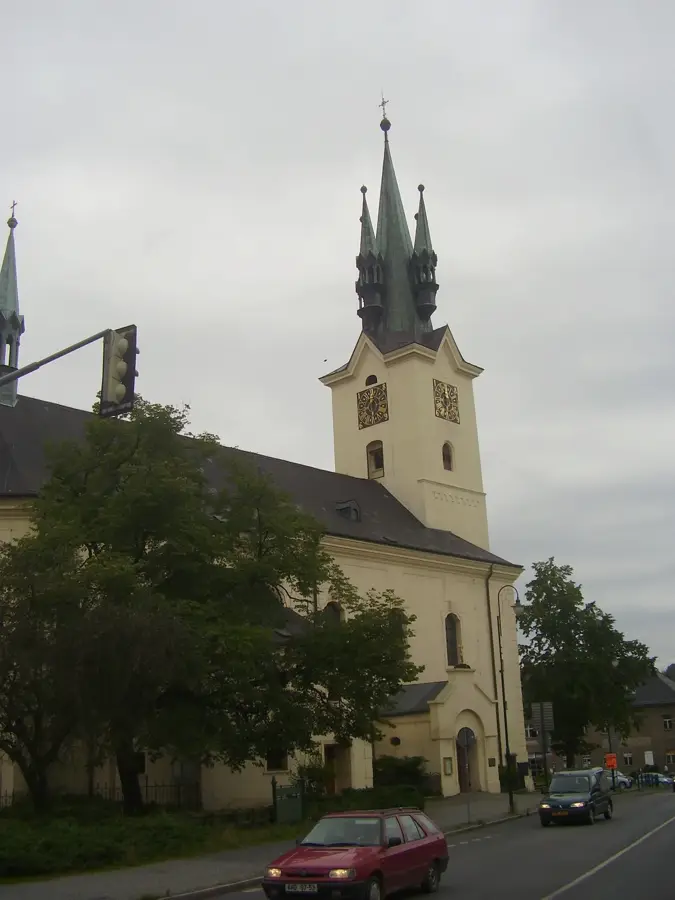
Get on your bike and discover Böhmisch Leipa on two wheels. The morning takes you through the historic center, past the Church of the Holy Cross and to the Augustinian Monastery. A detour to the Lipý water castle and a look at the industrial heritage at Zentrumstextil round off the morning. After a refreshing lunch, cycle leisurely to the City Park. The highlight of the afternoon is the ride to the Špičák lookout tower, where a challenging but rewarding route is rewarded with an unforgettable panoramic view.
By car, you explore Böhmisch Leipa flexibly in clusters. You park in the center and discover the Main Square and the nearby Augustinian Monastery on foot. Then you drive to the impressive Lipý water castle, where you also visit the archaeological museum. The afternoon takes you by car to the highest point, the Špičák lookout tower. From there, you stroll leisurely through the City Park to end the day in a relaxed manner before getting back in the car.
Located in a former monastery, this museum features regional history and natural science exhibits.