Plizio Visual Lab

Lonjsko Polje
Plizio editorial teamData Sources
park
—°1
Lonjsko Polje (Croatia)

Weather…

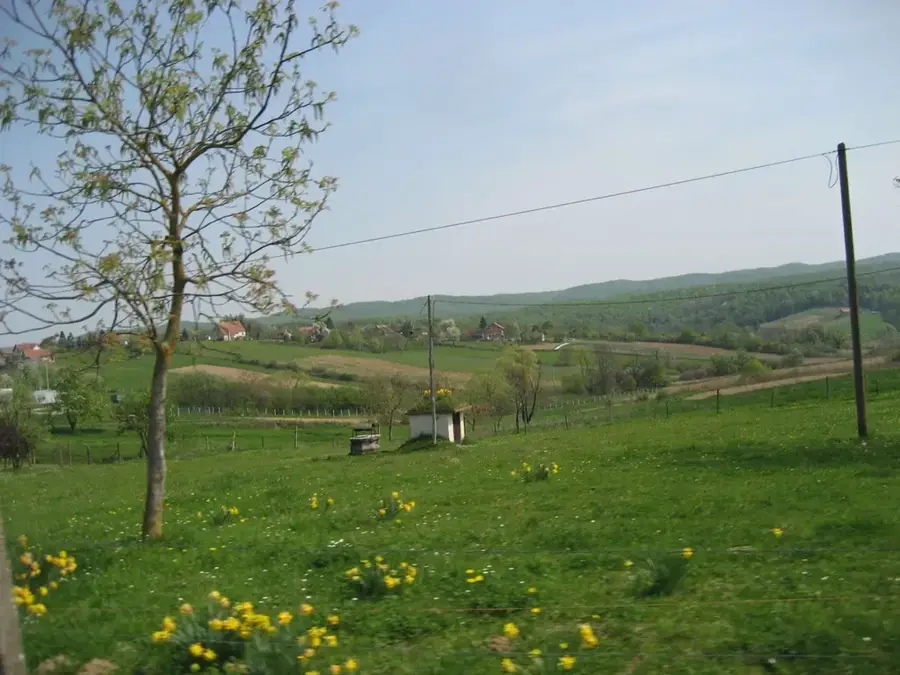
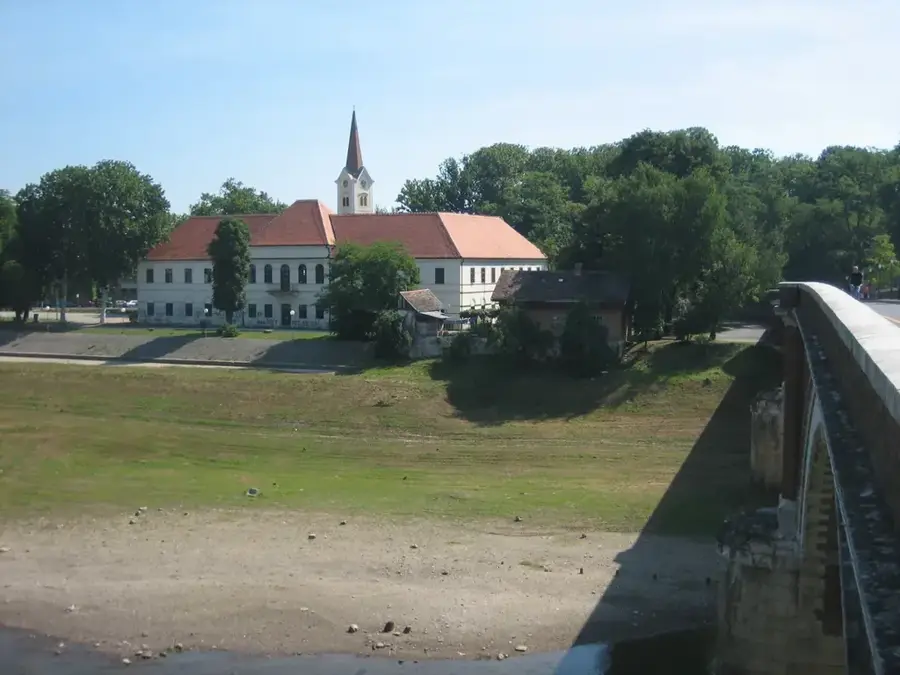
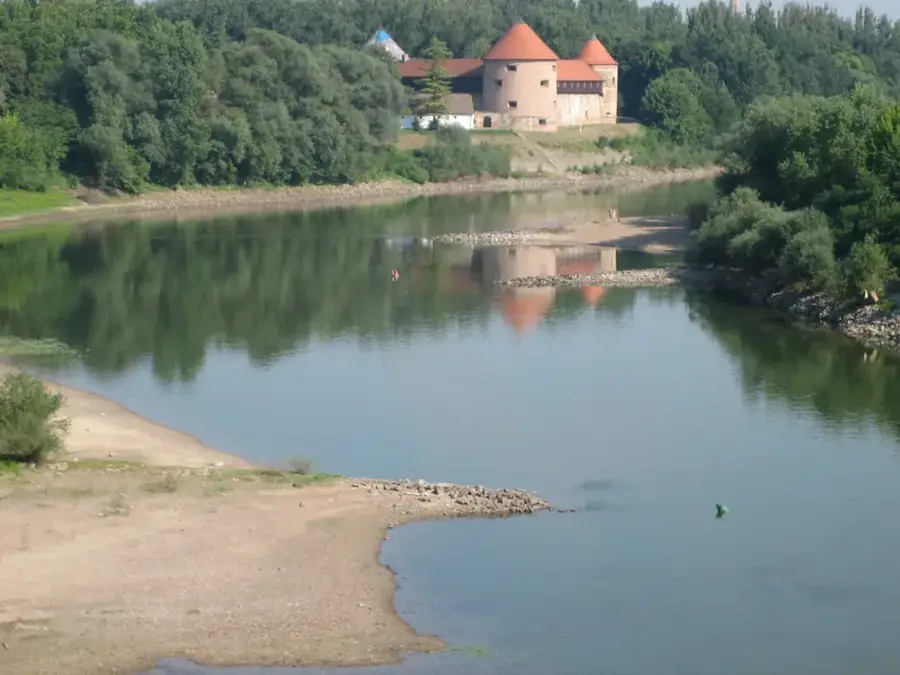
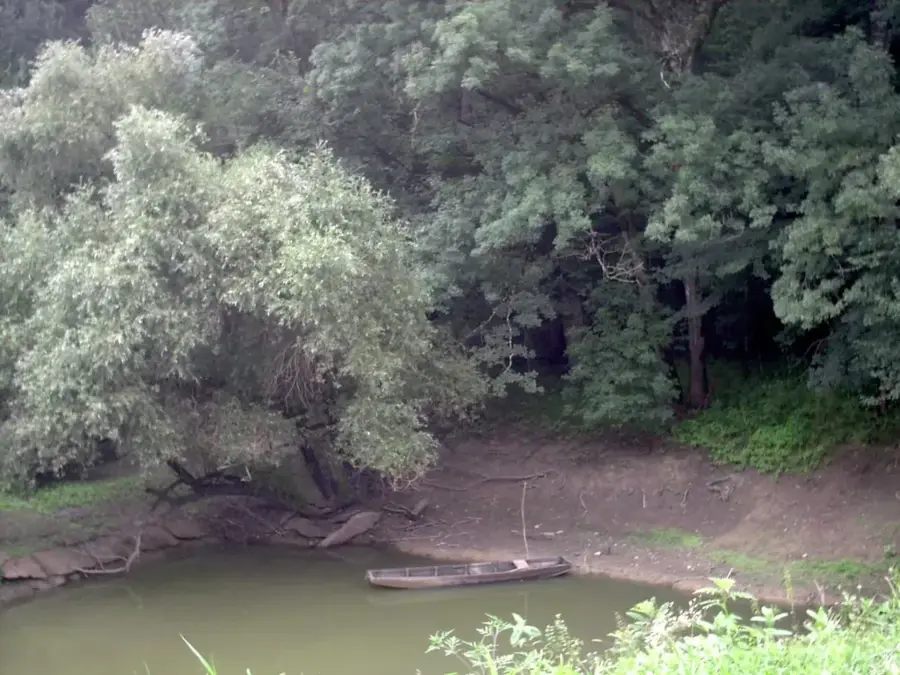
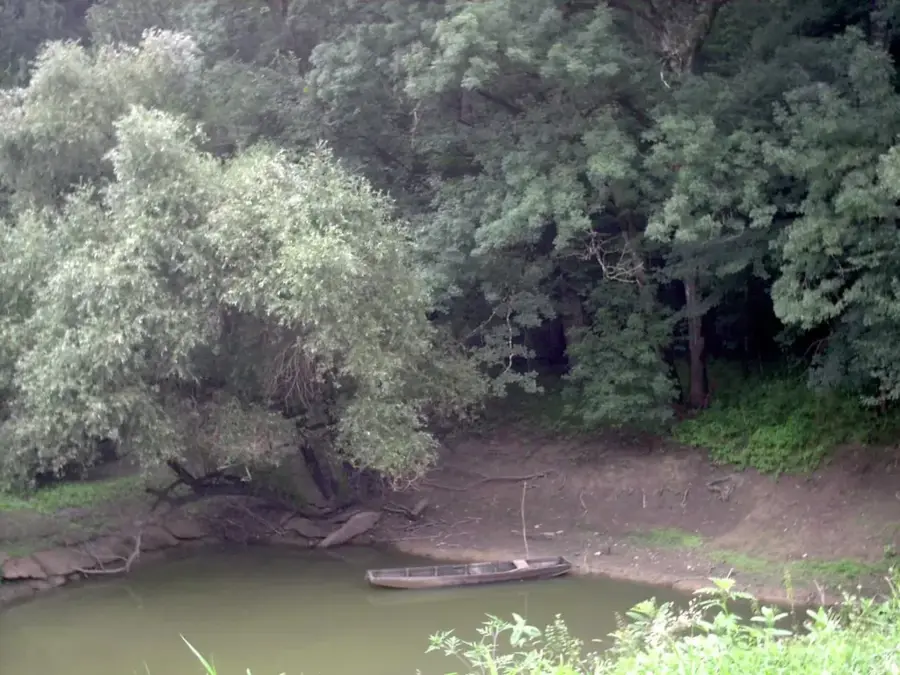
Lonjsko Polje Nature Park stretches along the Sava River southeast of Zagreb and, with an area of over 500 square kilometers, is one of the largest protected wetlands in the Danube basin. Established in 1990, the park is renowned for its unique retention system that absorbs the Sava's excess floodwaters. This dynamic hydrology shapes a landscape of oak forests, wet meadows, and pastures. Lonjsko Polje is famous for its traditional wooden architecture, particularly in the village of Čigoč, which was named the first European Stork Village. Each year, numerous white storks nest on the roofs of the old wooden houses. The park also hosts rare domestic animal breeds like the Posavina horse and the Turopolje pig, which are adapted to life in the floodplains. Additionally, the region is a critical stopover for migratory birds and a habitat for the rare Eurasian spoonbill. Preserving traditional grazing practices is vital for maintaining the park's ecological balance.

Best time to visit & climate

The most pleasant time to visit is Jun–Aug.

JanFebMarAprMayJunJulAugSepOctNovDec
Avg °C0261116202323171261
Rain mm5761616293847072101797465

📋 Practical info

🧭
Getting there
The wetland in the Sava River valley is easily accessible via local highways, often starting from Zagreb or Sisak. Typical starting points for explorations are the traditional wooden villages within the park, which also house most visitor centers.
📅
Best season
Spring is a highly fascinating time when the rivers overflow and birdlife, including the white storks, is exceptionally active. In late summer and early autumn, the traditional villages can be pleasantly explored under much more stable weather.
⛰️
Terrain & paths
The terrain primarily consists of extensive, perfectly flat floodplains, marshy landscapes, and small oak forests. The trails are mostly entirely flat but can become exceedingly muddy following heavy rainfall or during times of high water levels.
🎒
What to bring
Waterproof footwear or even rubber boots are very often the best choice in this expansive wetland. A good pair of binoculars is indispensable for bird watching, and a strong insect repellent vigorously protects against the ubiquitous swamp mosquitoes.
🅿️
Parking
Parking spaces are very easily found in the central villages, often located directly near the nature park's information centers. From there, hiking trips or guided boat tours into the floodplains can be started in a very convenient manner.
⚠️
Safety
Navigating the vast, flat swamplands can be deeply disorienting, which is why visitors should never leave the marked paths. During high water periods, extreme caution is needed as deep water and thick mud quickly render paths fully impassable.
⏱️
Time needed
A half-day trip is usually quite sufficient to visit one of the old wooden villages and take a short hike. For dedicated bird watchers and longer boat tours, it is highly recommended to spend a full day entirely immersed in this peaceful landscape.

Geography

Coordinates
45.40000, 16.75000

Facts

  • Established as a nature park in 1990.
  • Total area is approximately 506 square kilometers.
  • The village of Čigoč was named a Stork Village in 1994.
  • Contains Europe's largest contiguous oak forest area.
  • Habitat for over 250 bird species.
  • Included on the UNESCO World Heritage tentative list.

Explore nearby

Notable places around
Route planner — Car & Motorhome

Where do you start? We build the route here, with stops and country notes along the way.

Vehicle
Only stops with (optional):

© OpenStreetMap contributors · OpenRouteService

Sights in the town Lonjsko Polje (1)

Pakra📍 landmark

Pakra is a village in the Lonjsko Polje Nature Park in central Croatia. The settlement lies near the Sava River, surrounded by floodplain forests.

Sights nearby

Frequently asked questions

Where is Lonjsko Polje?
In the Sava River valley, about 75 km southeast of Zagreb.
What is the village of Čigoč?
It is known as the first European stork village, where almost every house has a nest.
Are there traditional wooden houses there?
Yes, the region is famous for its unique oak wood architecture.
Can you watch birds in the park?
Yes, it is one of the most important nesting areas for storks and herons in Europe.
Are the paths accessible during floods?
Partially no; flooding is a natural part of the ecosystem and can block paths.
Lonjsko Polje: where is it located?
Lonjsko Polje is located in Croatia.
Lonjsko Polje: when is the best time to visit?
The most pleasant time to visit is Jun, Aug.
Lonjsko Polje: why is it worth visiting?

Lonjsko Polje Nature Park stretches along the Sava River southeast of Zagreb and, with an area of over 500 square kilometers, is one of the largest protected wetlands in the Danube basin.
View on map → The Top 50 Attractions → Most beautiful beaches → OpenStreetMap →
Europe
Explore with Plizio Discover more places in Europe
More places in Croatia →

Nearby cities

History & landmarks