Plizio Visual Lab
Kutina
ℹ️Practical info — Kutina
▾
🌤 Weather — 5 days
📍 Nearby
Sights nearby
💡 Tips
- Kutina is the gateway to Lonjsko Polje Nature Park; visit the local tourist board in the center for a map of the wooden villages and stork nests.
- Autumn is the best time to visit if you want to experience the local wine harvest and taste the indigenous Škrlet wine.
- Keep insect repellent handy if you plan to venture towards the wetlands in the late afternoon.
- Many local wineries in the Moslavina hills require advance booking for tastings, so call ahead rather than just dropping by.
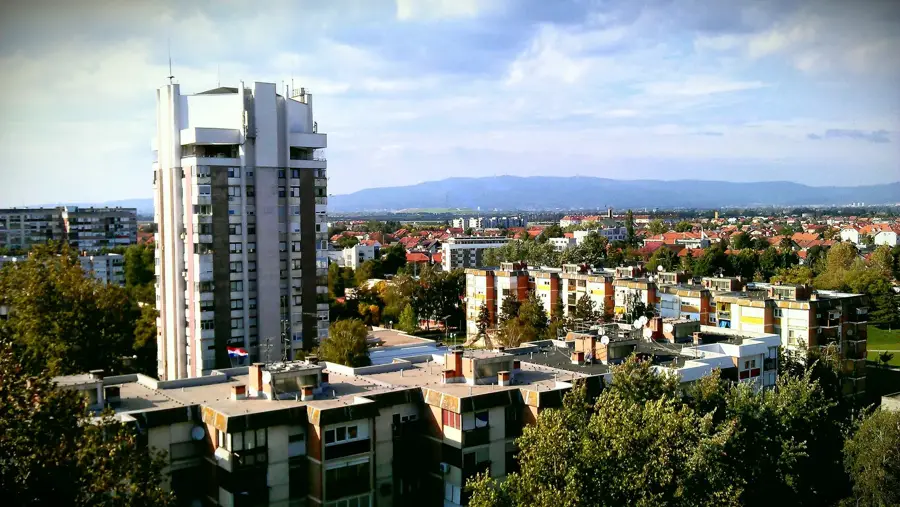
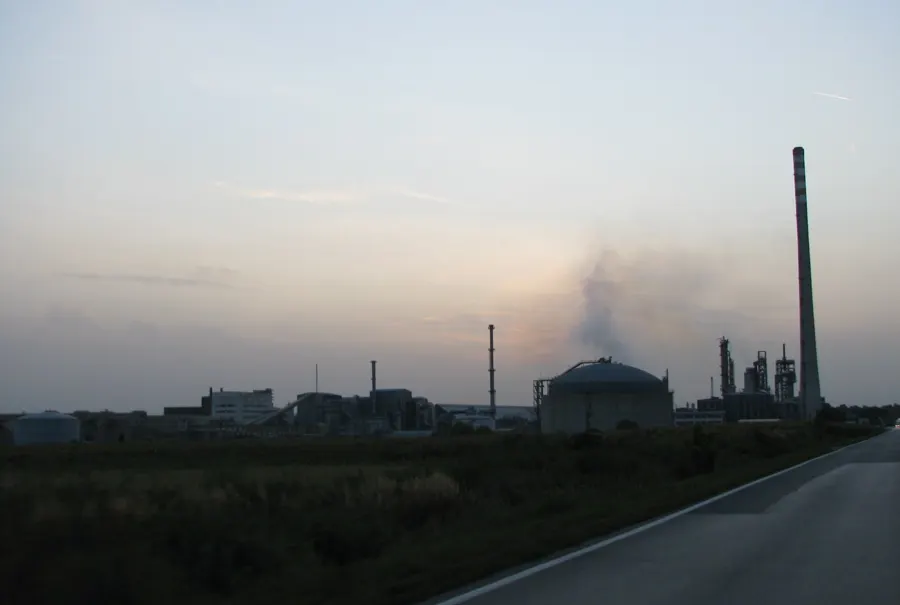
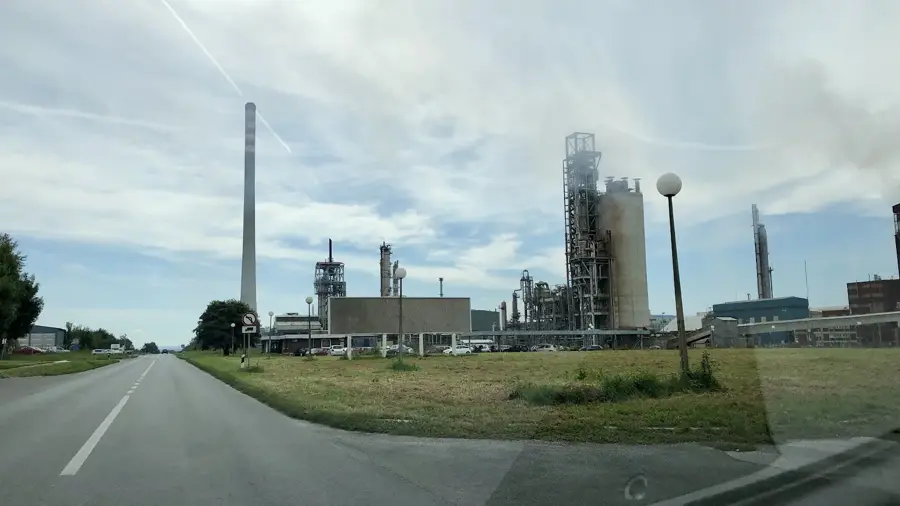
- The city has a strong industrial heritage; look for the contrast between the old wooden traditional architecture and the modern industrial zones.
🍽 Food
A crisp, indigenous white wine; enjoy a glass at the wine roads stretching into the Moslavina hills.
Wild boar or venison goulash is a local specialty in rustic restaurants on the edge of the nature park.
Often roasted on a forked branch over an open fire, best tried at traditional estates just outside the city.
🛍 Shopping · 🧘 Quiet spots
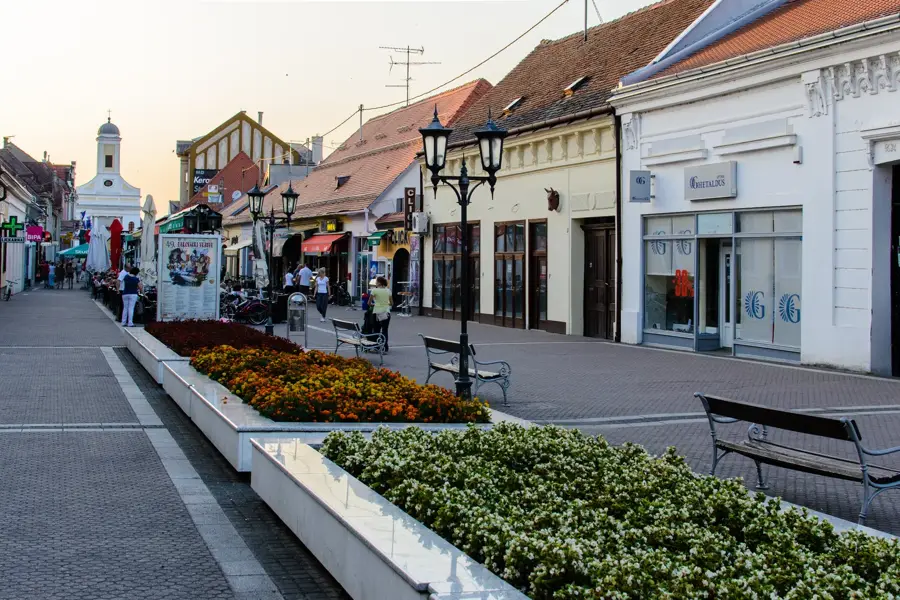
Look for wine boutiques in the city center selling bottles from small, independent Moslavina producers.
Sometimes available at craft fairs, representing the region's historic weaving traditions.
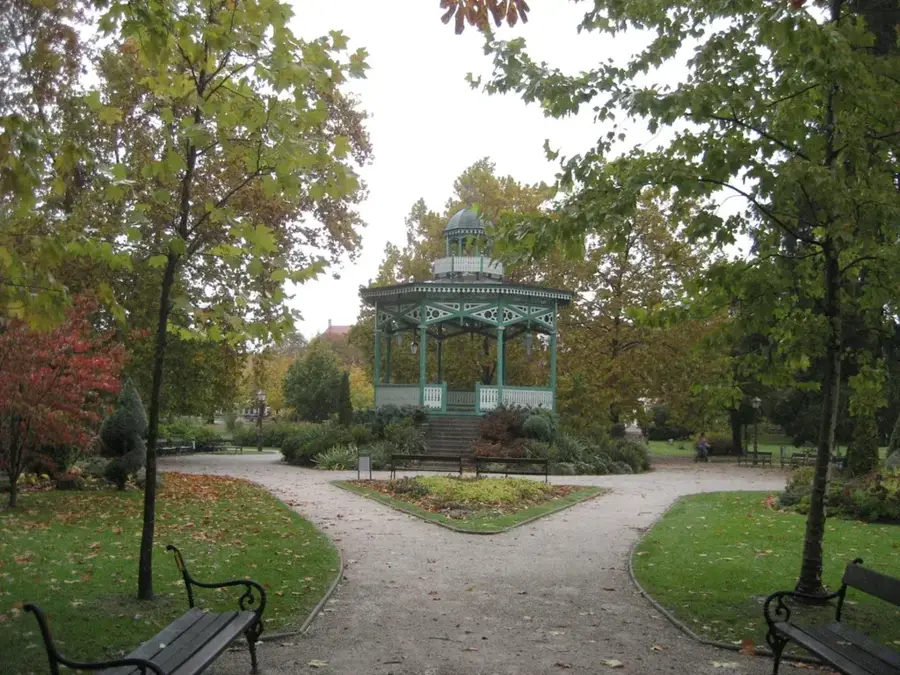
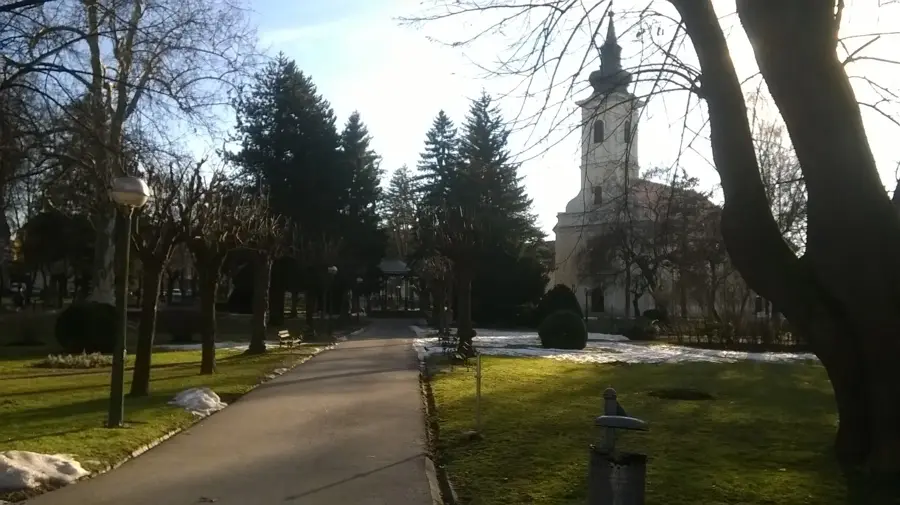
A green oasis in the urban center, excellent for a short break on a bench.
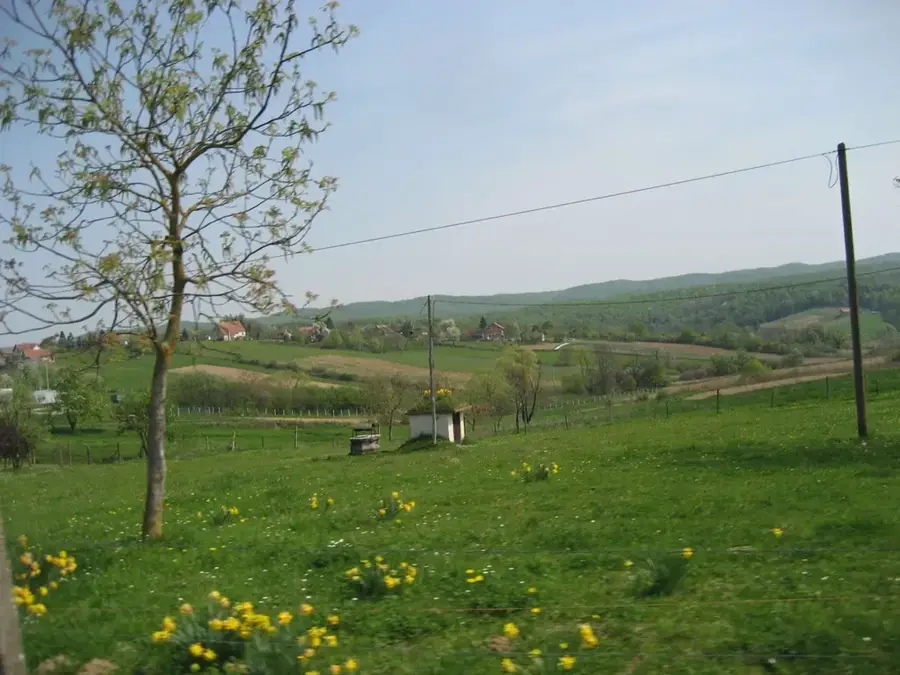
Take a short drive to the vineyards for tranquil walks with panoramic views of the lowlands.
Water temperature…
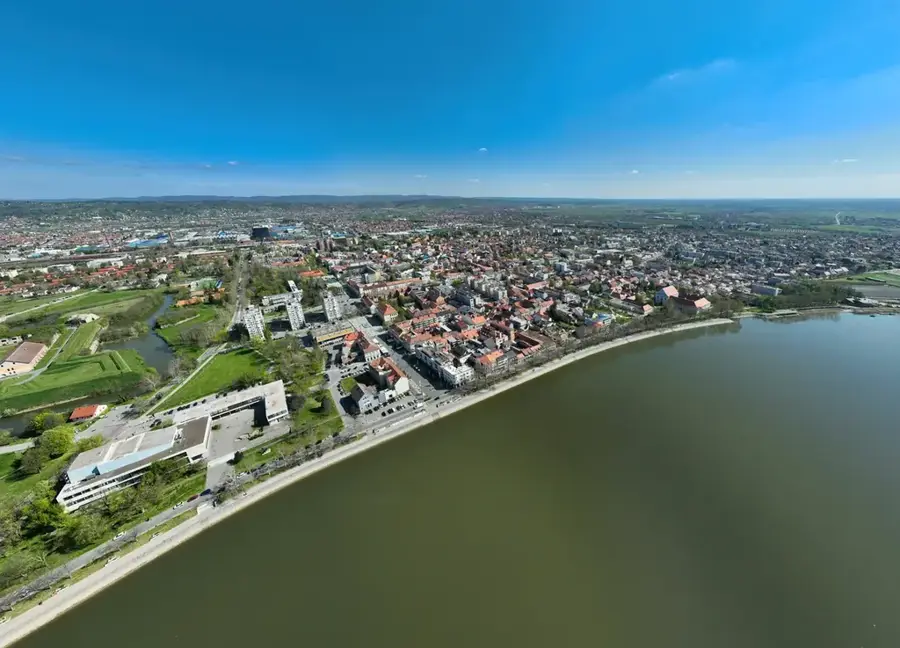
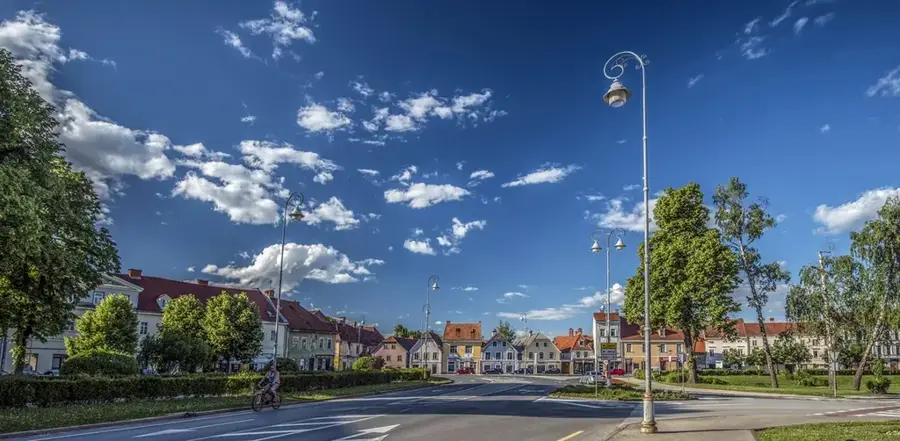
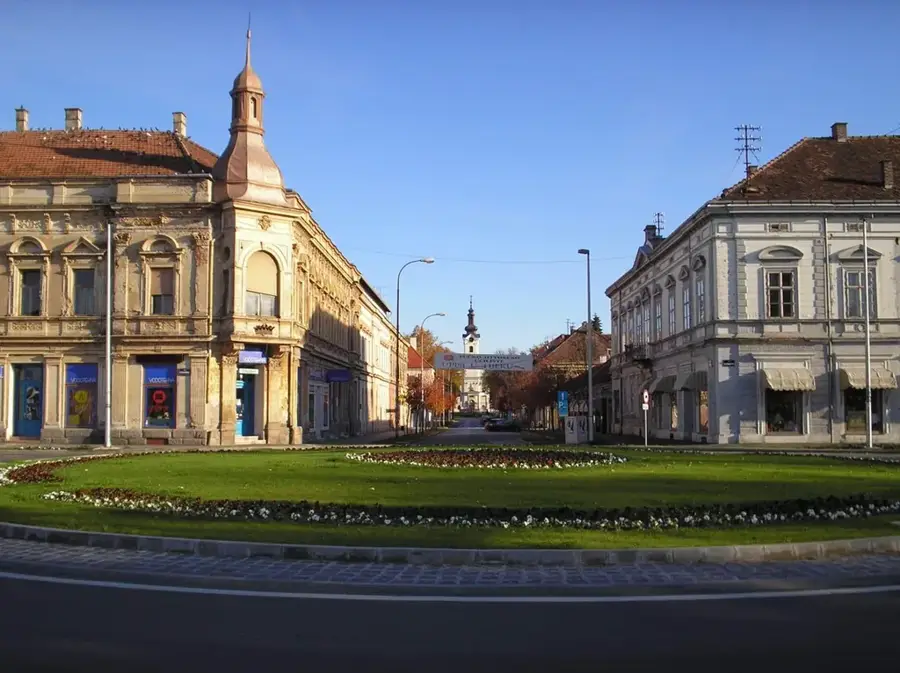
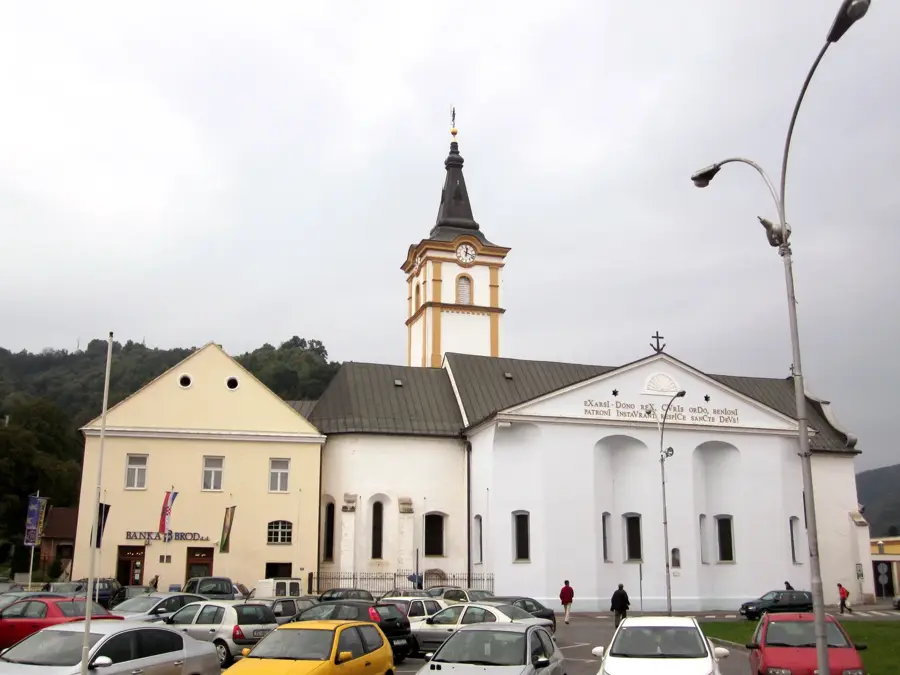
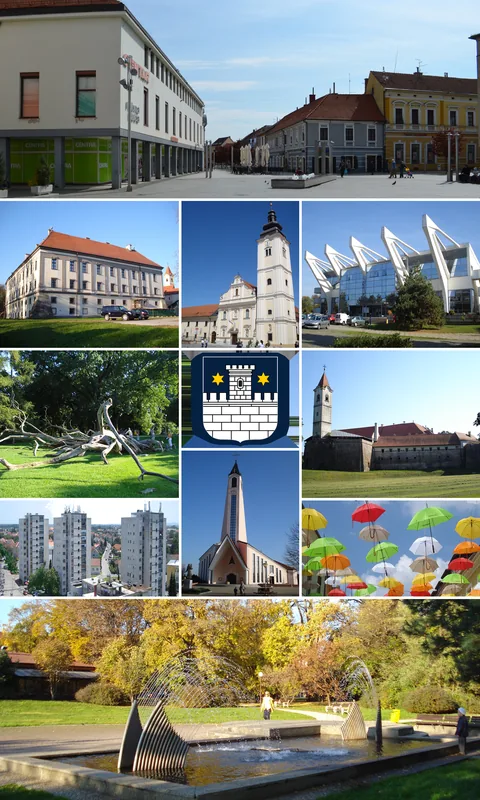
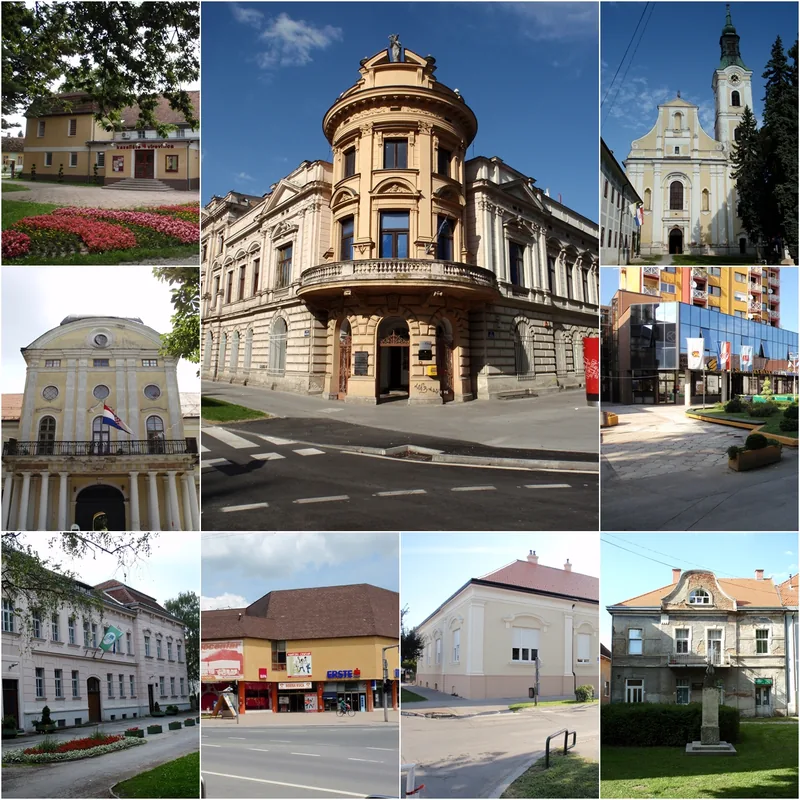
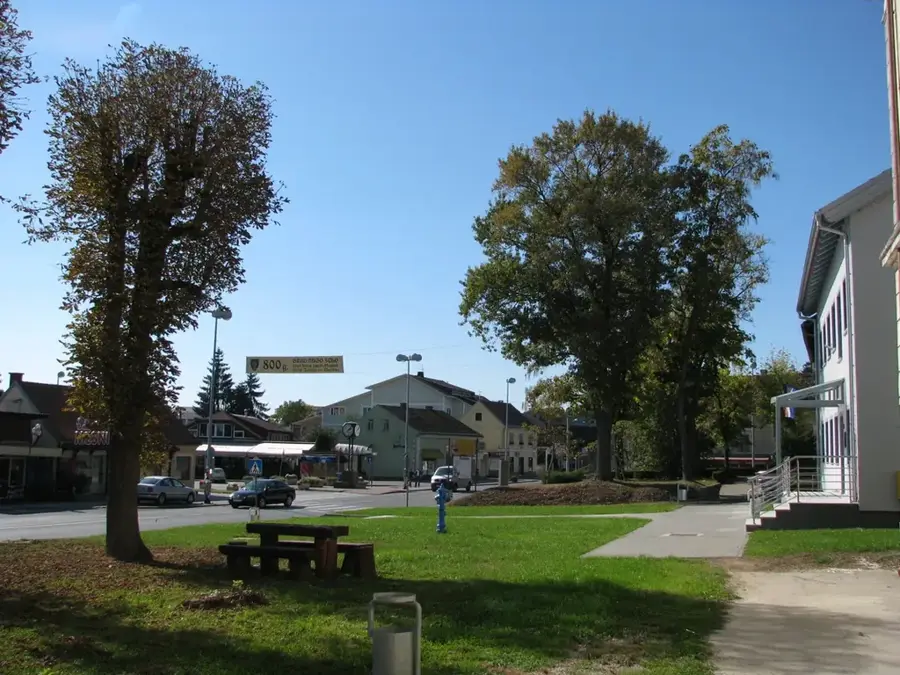
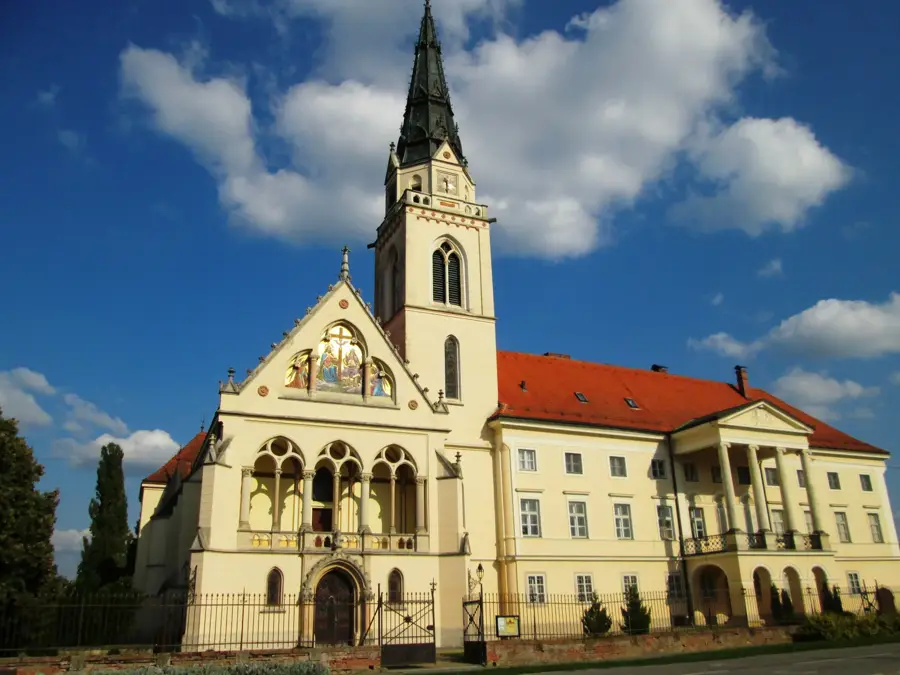
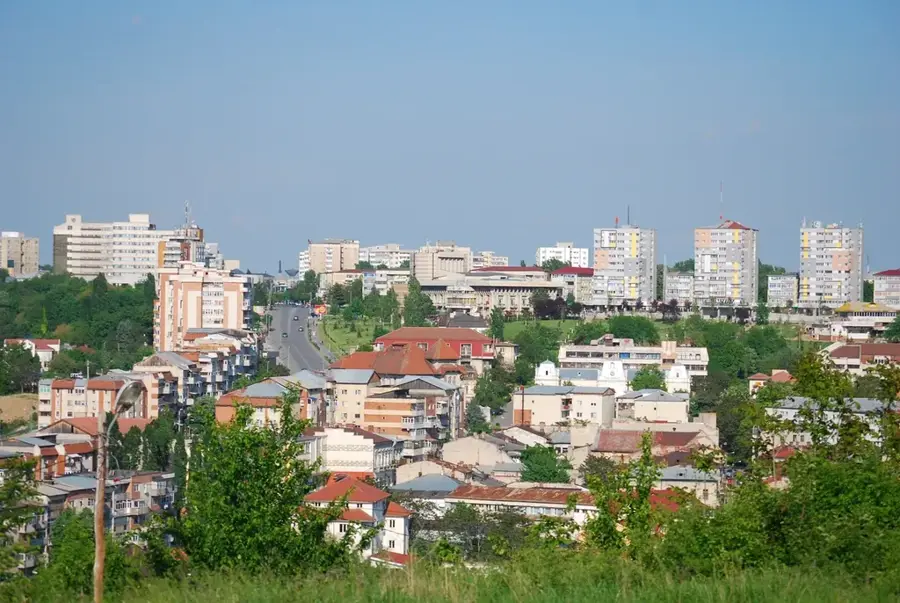
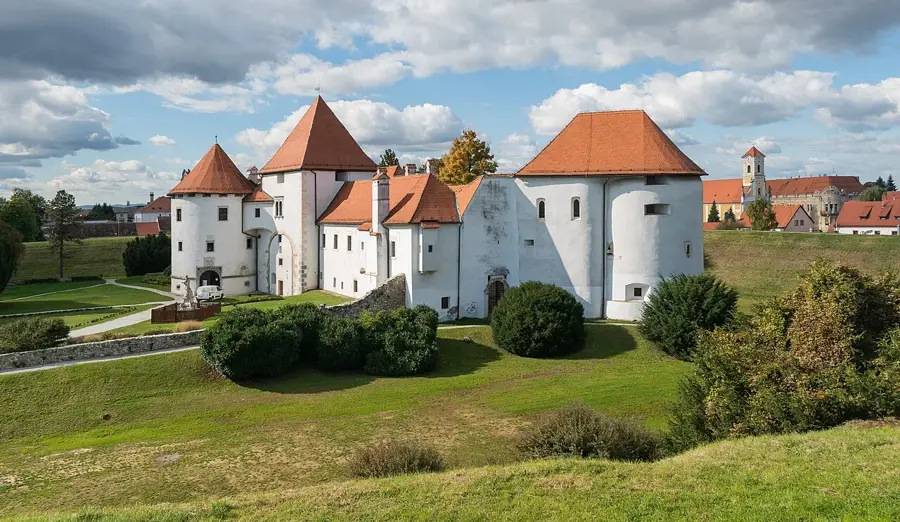
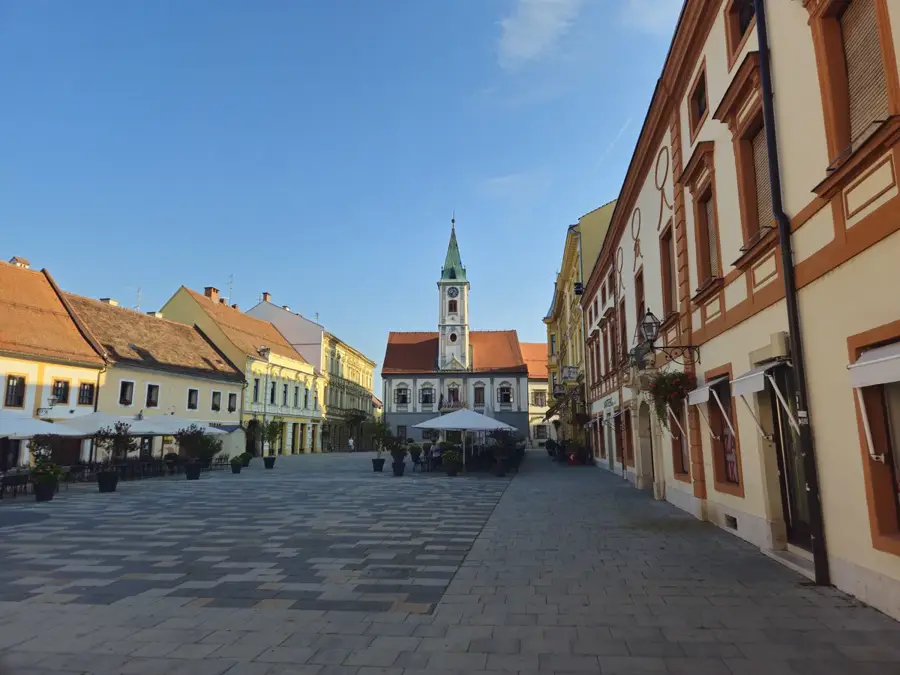
Kutina is the primary economic and cultural hub of the Moslavina region in central Croatia, situated at the base of the Moslavačka gora mountain. The city was first recorded in historical documents in 1256 and has long functioned as a significant regional trading post. During the 20th century, Kutina underwent rapid industrialization, anchored by the establishment of the Petrokemija fertilizer plant in 1968, which remains a major national industrial employer. Architecturally, the city is distinguished by the 18th-century Baroque Church of St. Mary of the Snow, renowned for its elaborate stuccowork and altars. Geographically, its position on the edge of the Lonjsko Polje Nature Park makes it a strategic gateway for ecotourism and birdwatching. The surrounding hills are famous for viticulture, particularly the indigenous Škrlet grape variety. Today, Kutina balances its heavy industrial legacy with a focus on sustainable development and the preservation of Moslavina's rich folk traditions.
- Location: Croatia
- Top sights: Dom Kulture · Muzej Moslavine · Spomenik sinagoge
- Nearby: Popovača (16 km)
- Population: ~12.012
Best time to visit & climate
The most pleasant time to visit is Jun–Aug.
| Jan | Feb | Mar | Apr | May | Jun | Jul | Aug | Sep | Oct | Nov | Dec | |
|---|---|---|---|---|---|---|---|---|---|---|---|---|
| Avg °C | 0 | 2 | 6 | 11 | 16 | 20 | 23 | 23 | 17 | 12 | 6 | 1 |
| Rain mm | 57 | 61 | 61 | 62 | 93 | 84 | 70 | 72 | 101 | 79 | 74 | 65 |
Geography
Facts
- First historical mention occurred in the year 1256
- Home to the Petrokemija industrial complex since 1968
- The Church of St. Mary of the Snow is a top-tier Baroque monument
- Located at the foothills of the Moslavačka gora range
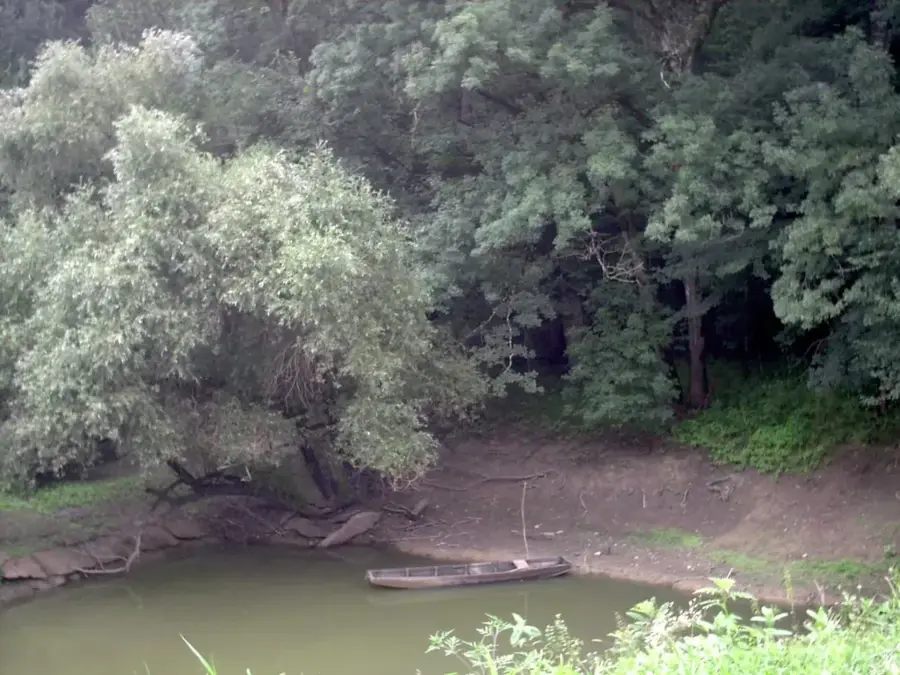
- Gateway to the Lonjsko Polje Nature Park wetlands
- The indigenous Škrlet grape is the local viticultural symbol
Explore nearby
Notable places around
Route planner — Car & Motorhome
Where do you start? We build the route here, with stops and country notes along the way.
© OpenStreetMap contributors · OpenRouteService
Sights in the town Kutina (4)
Frequently asked questions
Where is Kutina located?
What is the Moslavina wine region known for?
What is the most beautiful church in Kutina?
Is there a museum in the city?
What can you do in Lonjsko Polje?
Kutina: where is it located?
Kutina: what is there to see?
Kutina: when is the best time to visit?
Kutina: why is it worth visiting?

Nearby cities