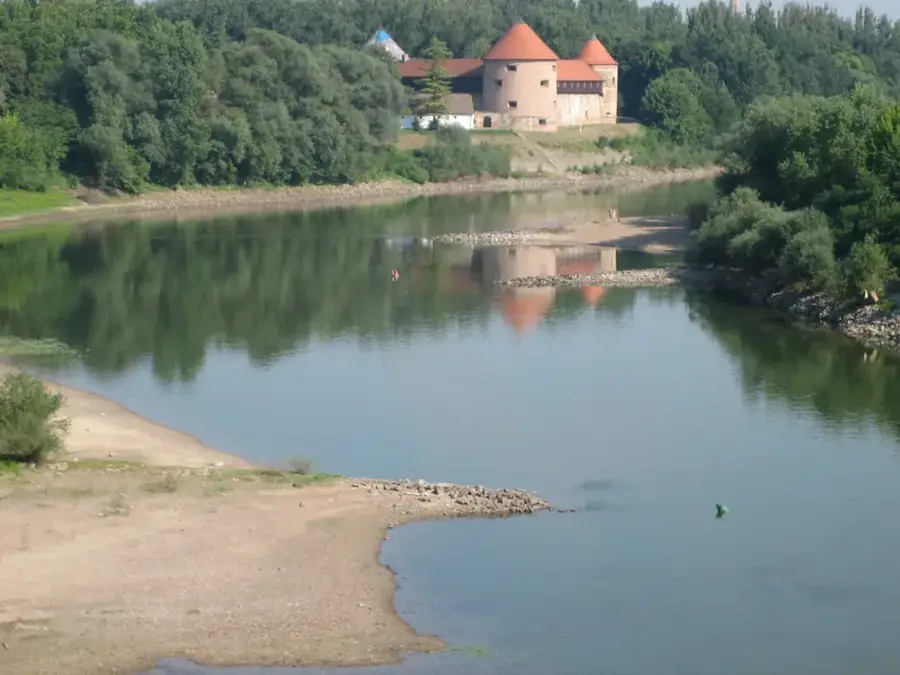
Sisacki viteski turnir (Sisak Knights' Tournament)
Medieval knights' spectacle beneath the old town fortress, held annually since 2003 to commemorate the 1593 victory over the Ottomans, with tournaments, Renaissance music and a craft fair.
PlizioGo
Try carp roasted on wooden forks at traditional restaurants near the rivers.
Taste this light, indigenous white wine from the nearby Moslavina region.
A hearty fish stew that you can find at local waterfront inns.
Visit the main market for fresh fruits, vegetables, and local cheeses.
Look for traditional souvenirs and handmade products around the Kupa promenade.
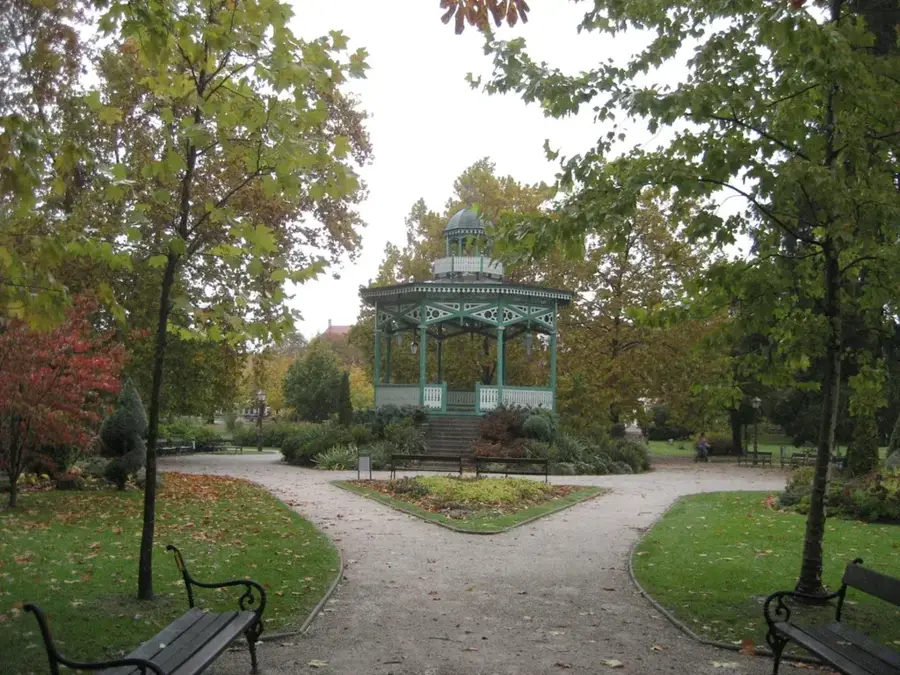
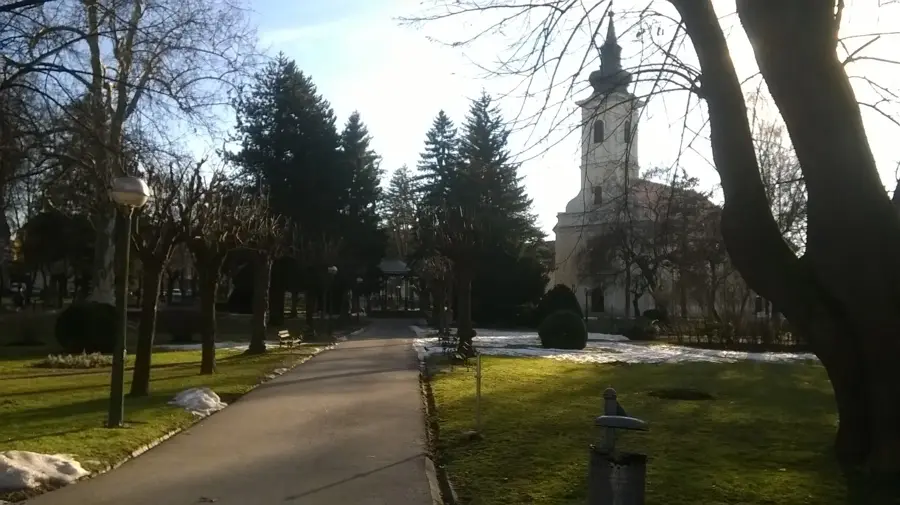
A quiet, wooded park well-suited for a relaxing walk in the shade.
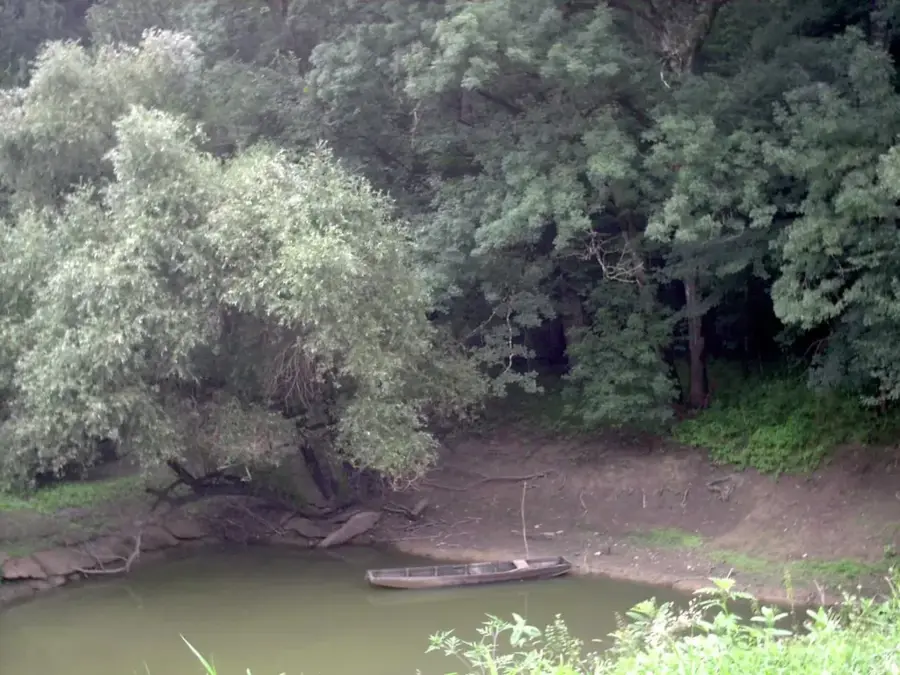
Enjoy the quiet away from the center along the calmer Odra river.
Water temperature…
Medieval knights' spectacle beneath the old town fortress, held annually since 2003 to commemorate the 1593 victory over the Ottomans, with tournaments, Renaissance music and a craft fair.
Annual knights' tournament in June commemorating the 1593 victory over the Ottomans, with an equestrian competition, procession and craft market.
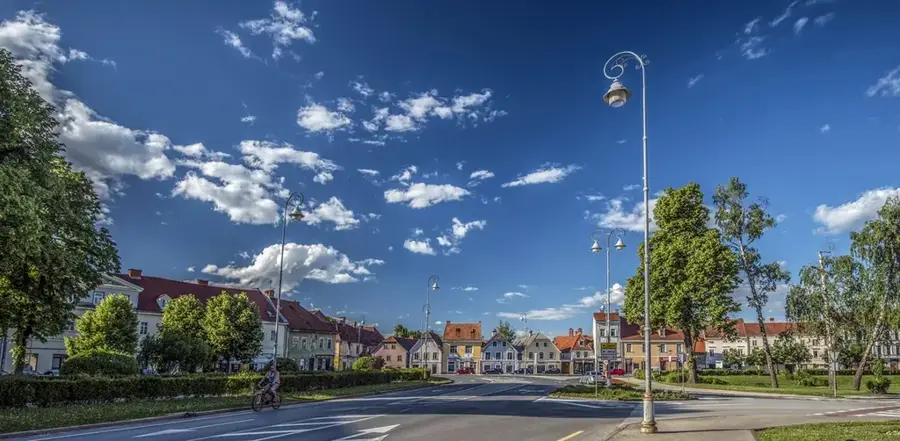
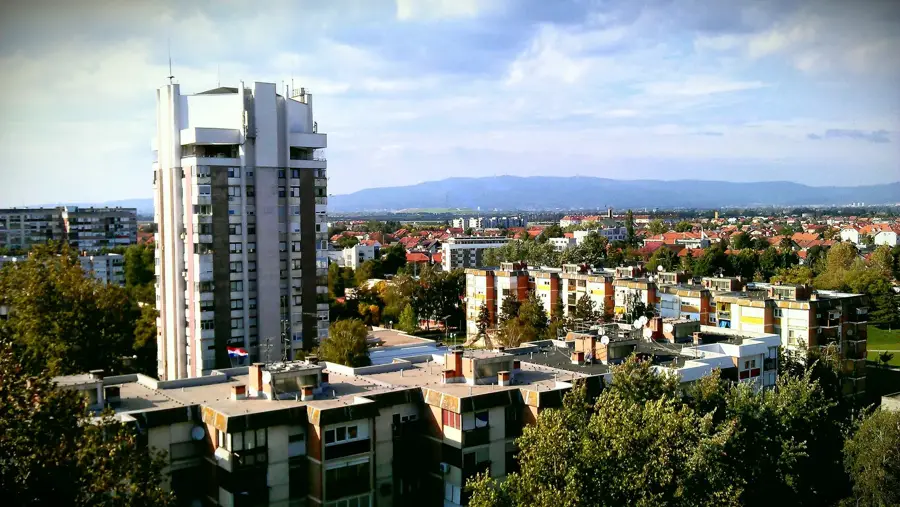
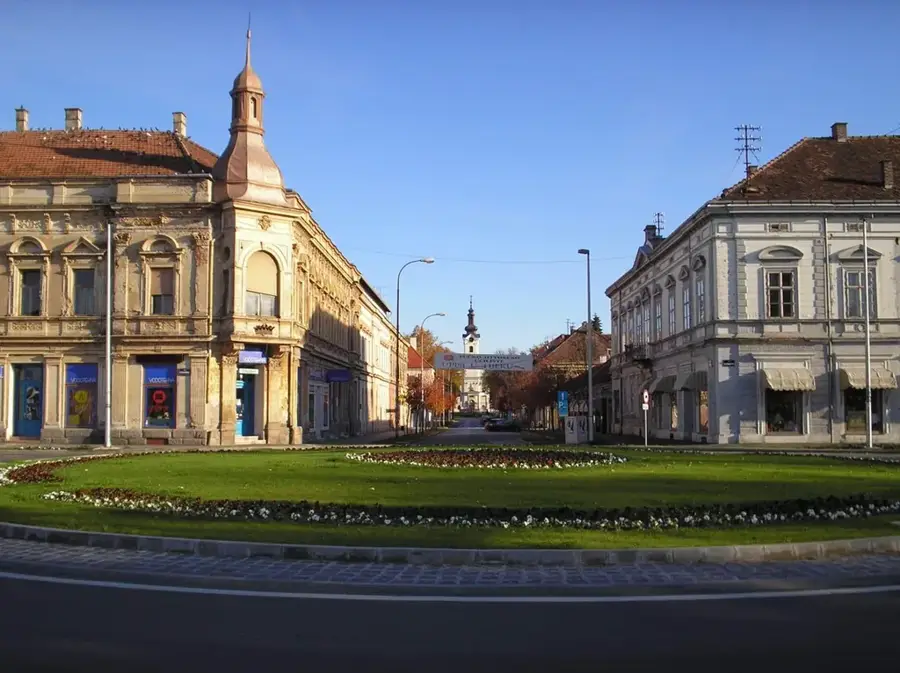
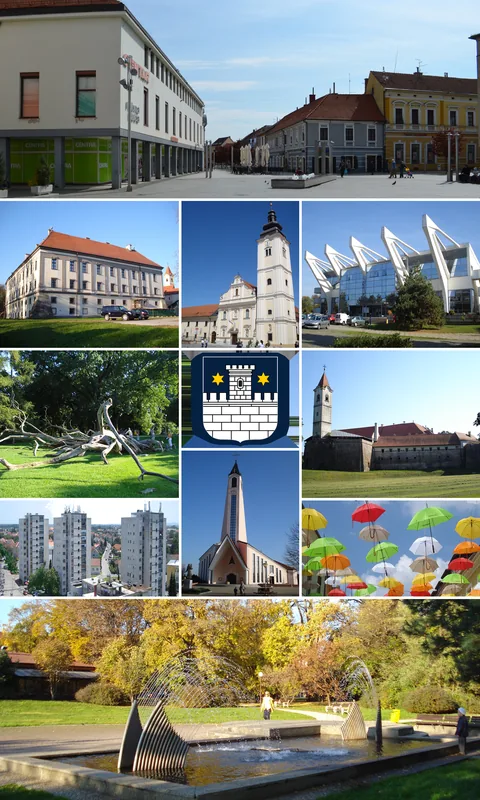
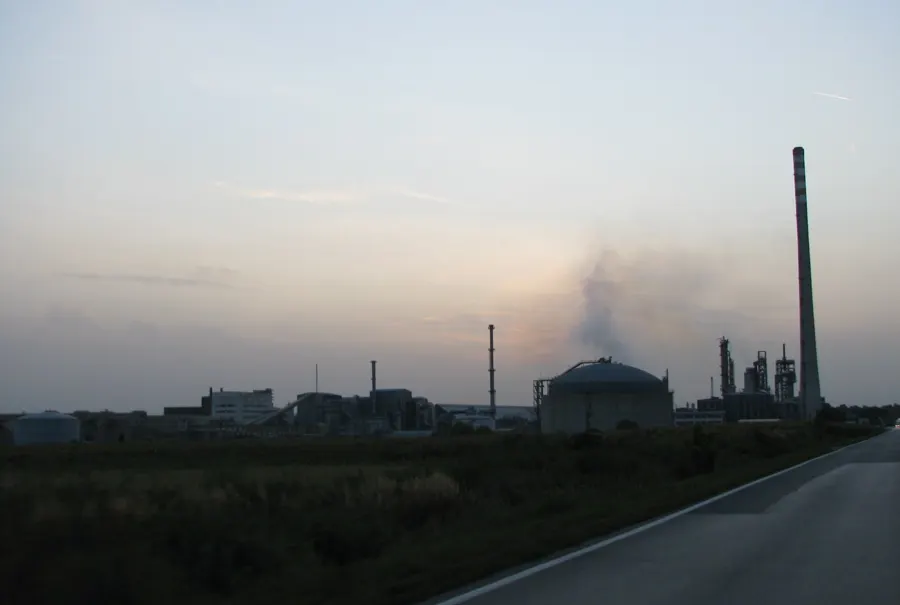
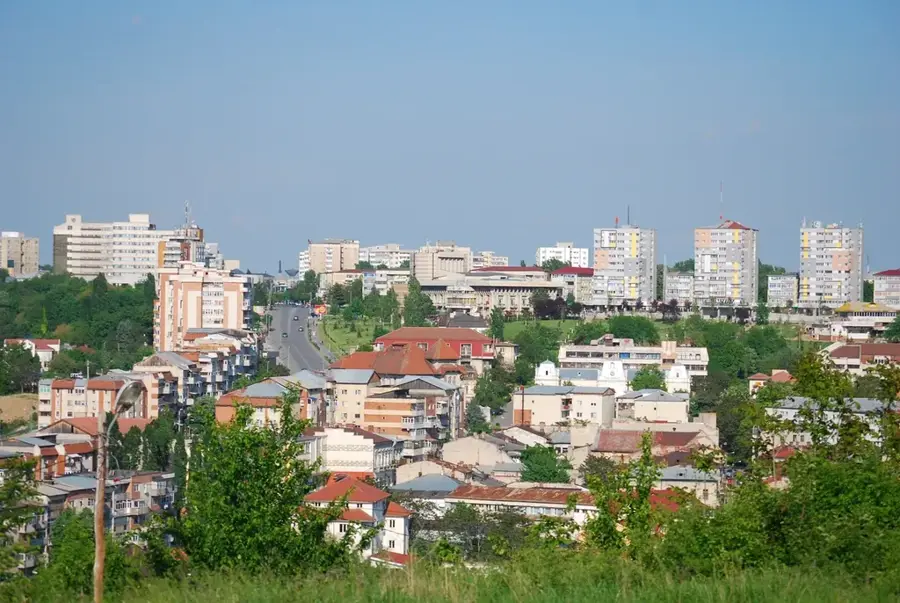
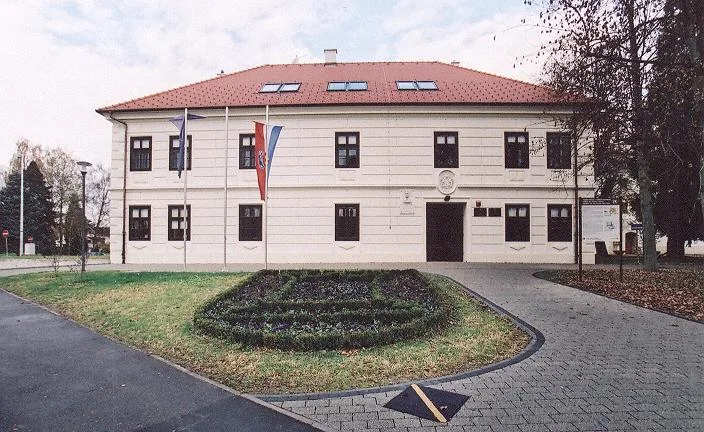
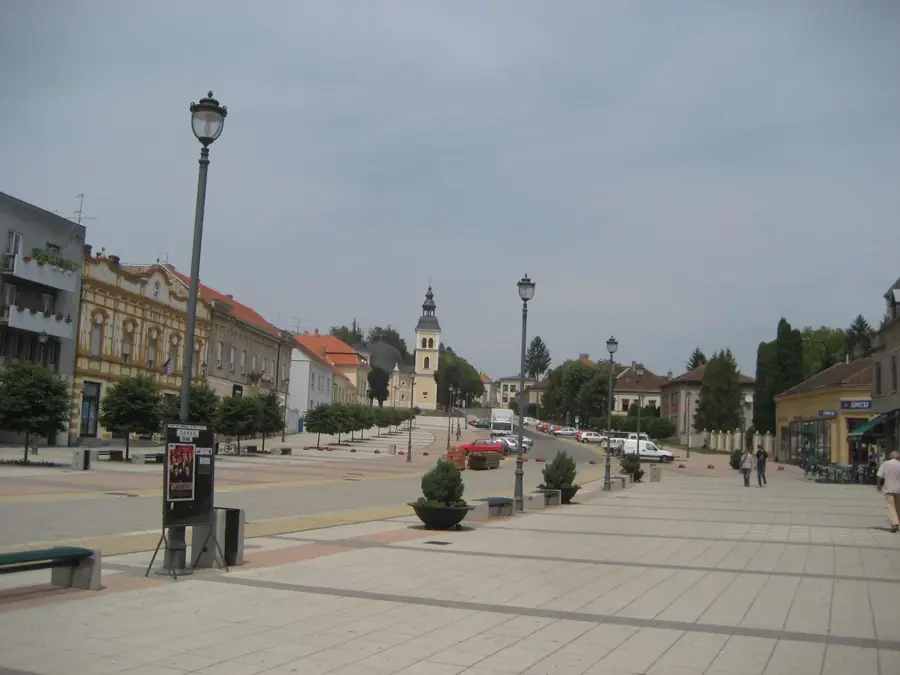
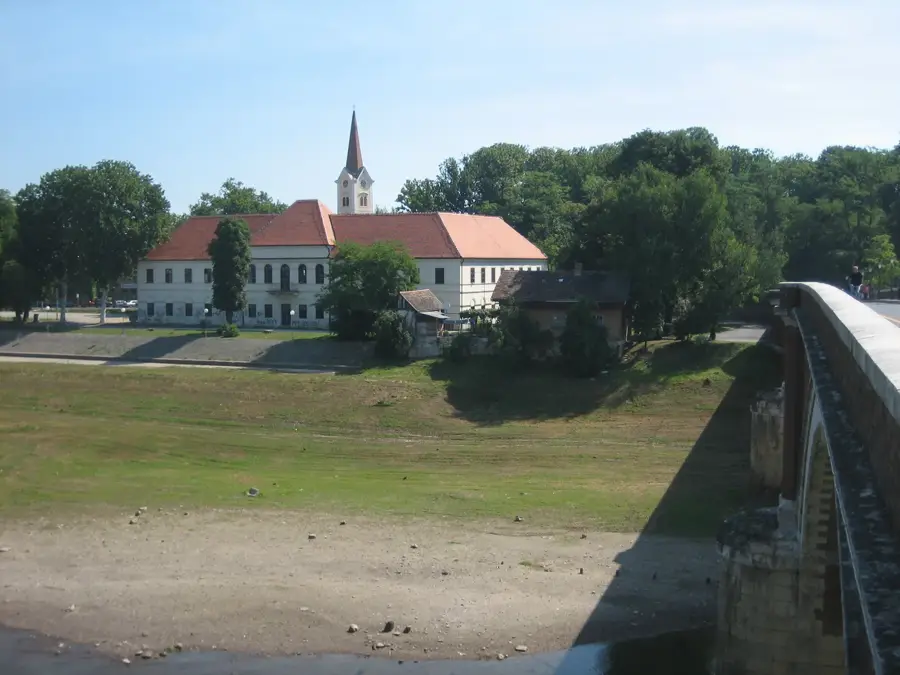
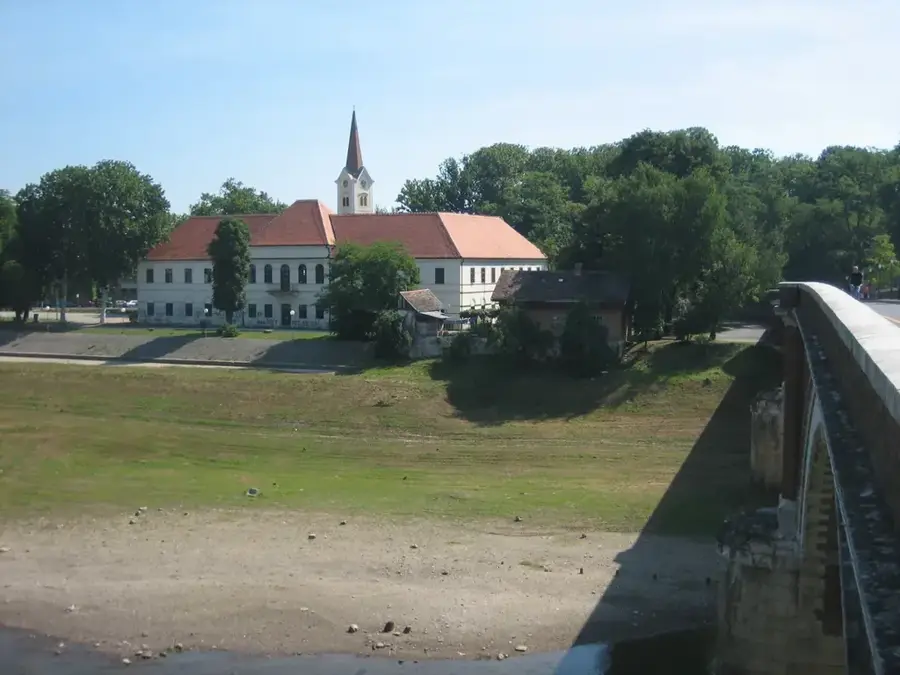
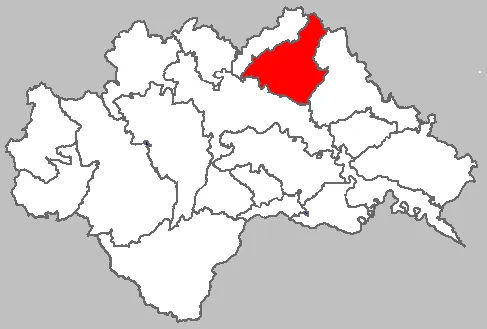
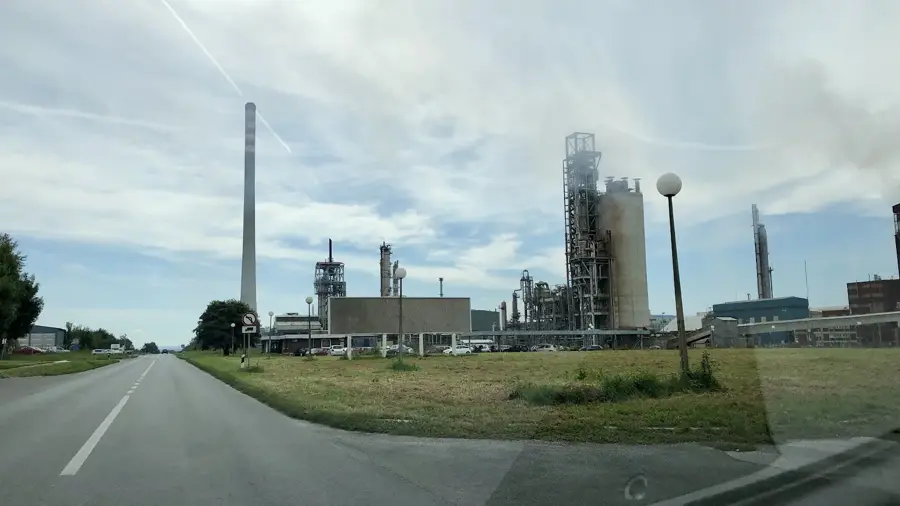
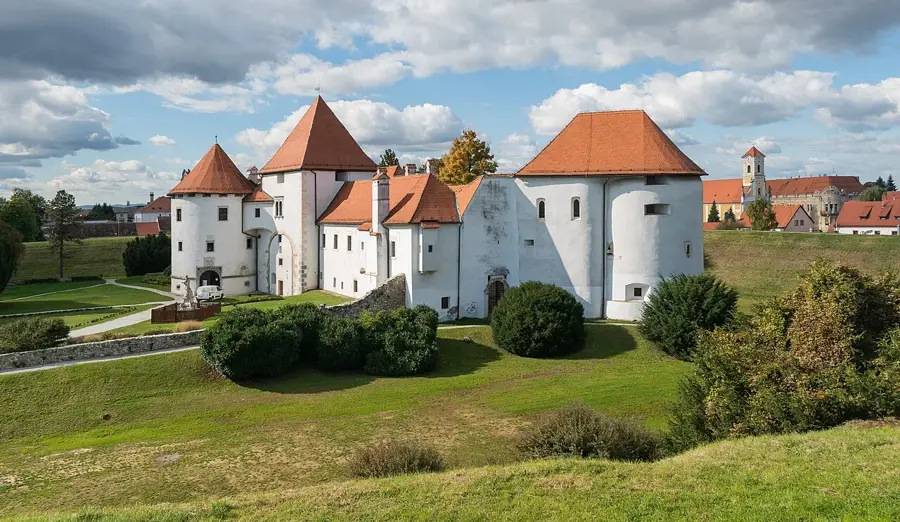
Sisak is a historically significant city in central Croatia, located at the strategic confluence of the Kupa, Odra, and Sava rivers. Its roots trace back to the Iron Age, later becoming the prominent Roman colony of Siscia, which served as the capital of the Pannonia Savia province and hosted an imperial mint. The city earned its place in European history during the Battle of Sisak in 1593, where a united Christian force halted the Ottoman advance into Europe. The well-preserved 16th-century triangular fortress, known as Stari Grad, stands as a testament to this victory and now serves as the town museum. In the 20th century, Sisak transformed into a major industrial hub, primarily focused on ironworks and oil refining. One of the city's landmarks is the 'Old Bridge' (Stari Most), a unique brick and stone structure completed in 1934 that spans the Kupa River. Despite the challenges of recent seismic activity, Sisak remains a cultural and administrative center, rich in archaeological sites ranging from Roman mosaics to medieval ruins.
The most pleasant time to visit is Jun–Aug.
| Jan | Feb | Mar | Apr | May | Jun | Jul | Aug | Sep | Oct | Nov | Dec | |
|---|---|---|---|---|---|---|---|---|---|---|---|---|
| Avg °C | 0 | 2 | 6 | 11 | 16 | 20 | 23 | 23 | 17 | 12 | 6 | 1 |
| Rain mm | 66 | 73 | 69 | 74 | 100 | 90 | 78 | 84 | 116 | 92 | 94 | 74 |
Notable places around
Where do you start? We build the route here, with stops and country notes along the way.
© OpenStreetMap contributors · OpenRouteService
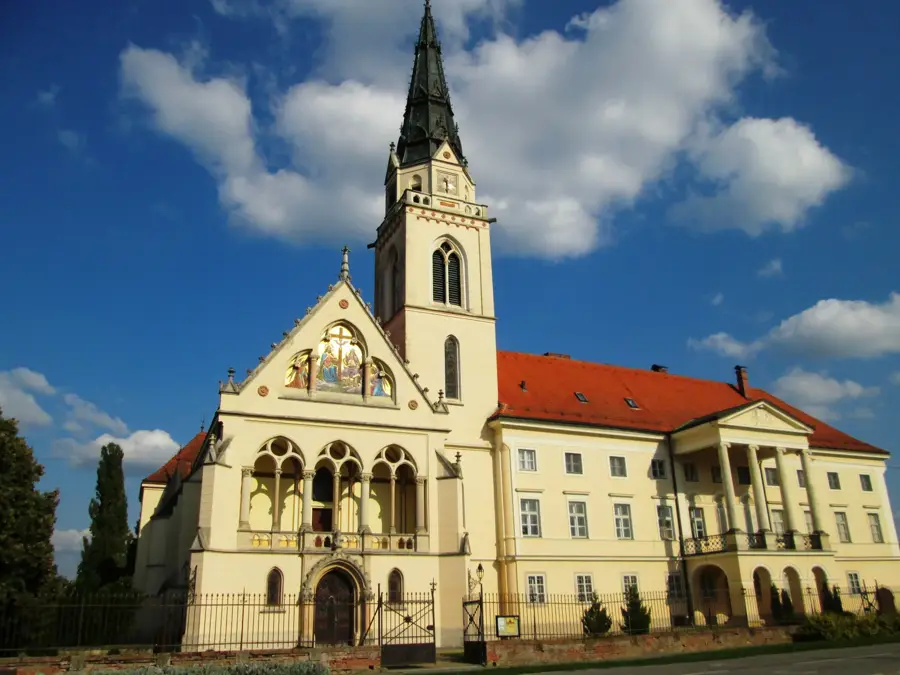
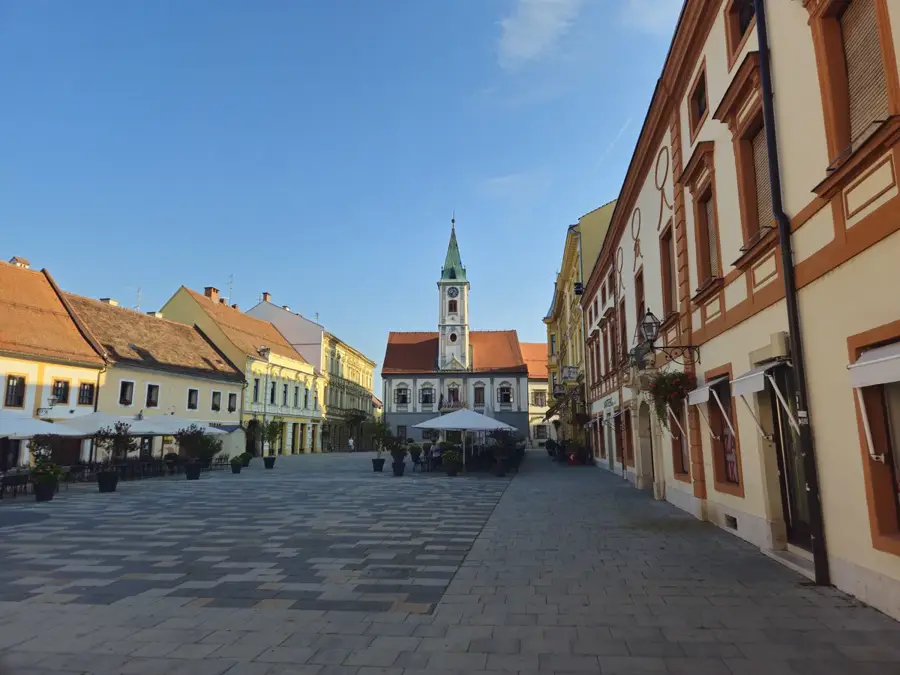
Your walk through Sisak begins in its historic heart, around Little Kaptol. In the morning, you'll explore the Baroque facades and the impressive cathedral before crossing the Old Bridge to enjoy the river panorama. After lunch, a walk along the Kupa River, past relics of industrial heritage, leads you to the mighty Sisak Fortress. The afternoon is dedicated to exploring this historic site where history is palpable. The evening concludes at a traditional restaurant, savoring the region's flavors with a view of the tranquil river.
Start your day at Little Kaptol as rain drums on the Kupa river. The morning is dedicated to architecture and the cathedral, where you can admire baroque splendor while staying dry. At noon, the City Museum offers an ample refuge from the weather. Spend the afternoon in the industrial atmosphere of the Dutch House and end the day within the massive walls of Sisak Fortress, which remains imposing even in the rain.
A frosty morning begins at Kaptol, where hoarfrost adorns the old buildings. The morning leads you into the warming silence of the cathedral. At noon, the City Museum offers a welcome warm-up break with deep insights into Siscia's history. In the afternoon, experience the cool industrial elegance of the Dutch House. To finish, the early twilight bathes Sisak Fortress in a mystical winter light before the river chill sets in.
On two wheels, your day starts at the Old Bridge, quickly taking you along the Kupa riverbank. In the morning, you'll cycle past industrial monuments to the ancient Roman ruins before reaching the impressive Sisak Fortress. Here, you'll take your time for a thorough exploration and lunch with a river view. In the afternoon, you'll leisurely cycle back to the city center to visit the cathedral and the bustling streets. The bike tour offers a perfect mix of culture, history, and nature.
A wet ride across the Old Bridge opens the tour, where the bricks glisten in the rain. The Dutch House offers the first dry break. Despite the rain, the Roman ruins are worth a quick stop before cycling to the fortress. After a refreshing lunch in the dry, the path leads back to the city, where the cathedral provides a worthy conclusion. Rain gear is your best companion on two wheels today.
The cold winter air is refreshing as you cycle across the Old Bridge. The Dutch House is the first stop to warm your hands. The Roman ruins seem frozen under a layer of frost. After visiting the fortress, a warm lunch restores your energy. End the day in the city center, where the cathedral lights shine in the early winter twilight. Gloves and a warm hat are essential.
By car, you'll explore Sisak in two convenient clusters. You'll first park in the center and discover the historic squares and cathedral on foot in the morning. A short walk takes you to the Old Bridge for a photo stop. Afterwards, you'll drive to Sisak Fortress, the second cluster of the day. Here you'll spend the afternoon exploring the imposing complex and enjoying a late lunch at the confluence of the Kupa and Sava rivers. This method combines the flexibility of the car with the immersive experience of sightseeing on foot.
Enjoy the comfort of your car while rain patters against the windows. The morning takes you to the historic Kaptols in the center, where you have short walks between sights. The cathedral and Old Bridge can be easily combined despite the weather. At noon, park directly at the fortress to reach the dry interior without long walks. The day ends with a cozy meal overlooking the confluence of the rivers.
Start your winter day in a warmed-up car. The city center with the Kaptols is easily accessible in the morning, with short walks minimizing cold exposure. The cathedral offers a spiritual and warm retreat. At noon, the drive leads to Sisak Fortress, which looks particularly striking in the winter landscape. A hearty lunch at the confluence of the Kupa and Sava completes the day before the winter chill intensifies in the late afternoon.