Sonus Festival
A highly acclaimed underground techno and house music event that dominates Zrće beach in late summer.
PlizioGo
Buy this famous aged sheep cheese directly from local producers or at the central market in town.
Try roasted lamb at traditional taverns (konobas) slightly inland from the bustling waterfront.
Head to the restaurants along the main harbor promenade for grilled fish and squid caught locally.
Open in the mornings, it's the best place to buy local olive oil, fresh fruits, and Pag cheese.
Look for small shops in the old town selling traditional Croatian souvenirs and local herbs like sage and rosemary.
While parts are lively, the camping area has quieter spots shaded by pine trees, great for relaxing.
Take a short drive to the northern tip of the island to walk among thousand-year-old olive trees in complete serenity.
Water temperature…
A highly acclaimed underground techno and house music event that dominates Zrće beach in late summer.
Europe's premier urban and hip-hop music festival taking place in the open-air clubs of Zrće.
Local religious and cultural celebration marking the feast day of Novalja's co-patron saint.
World-famous electronic music festival held at Zrće beach, attracting top international DJs.
An outdoor sports event opening the active tourism season with scenic trail running races.
Traditional winter carnival on the island of Pag, famous for its unique local folklore and costumes.
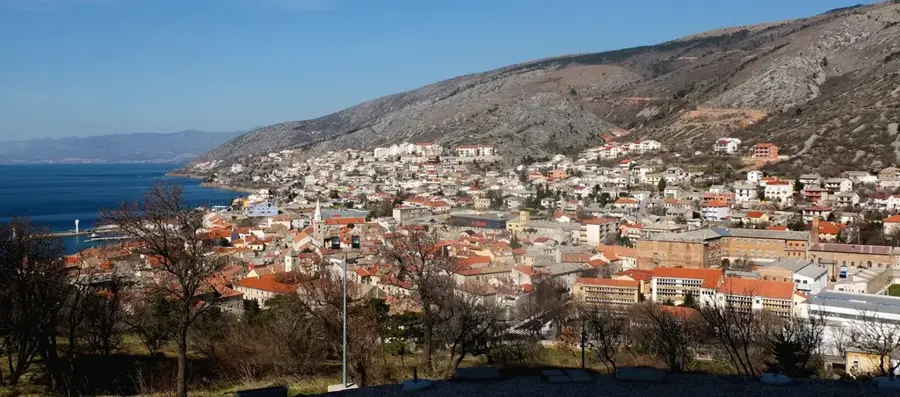
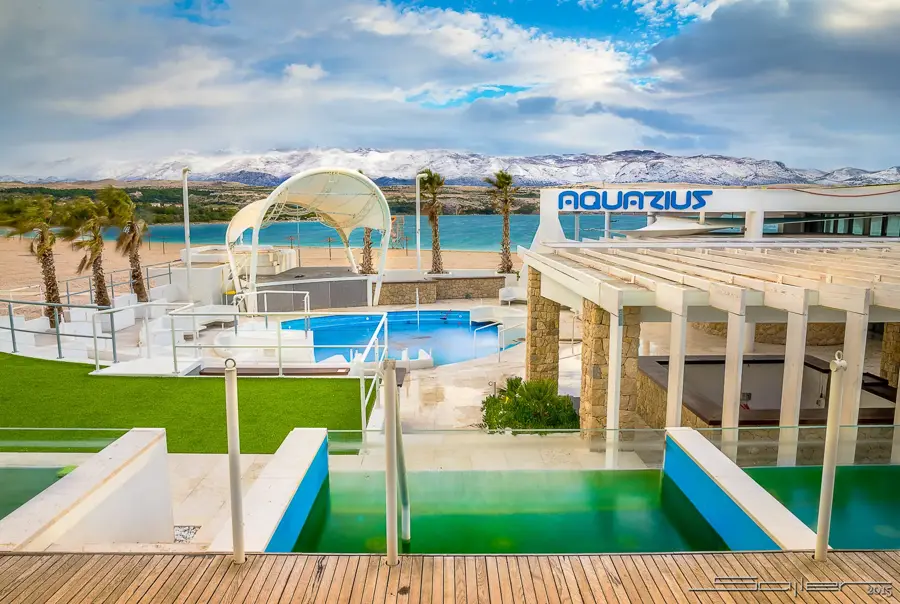
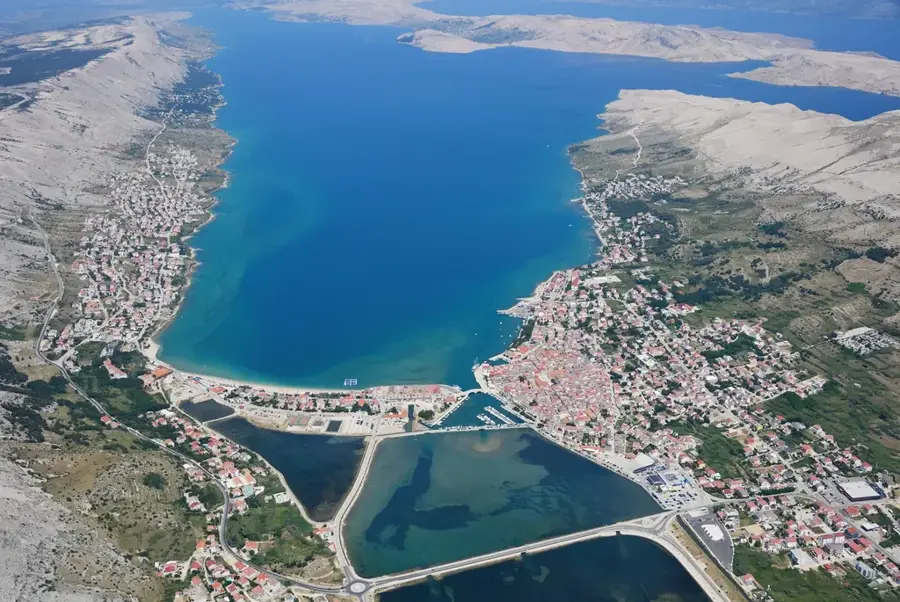
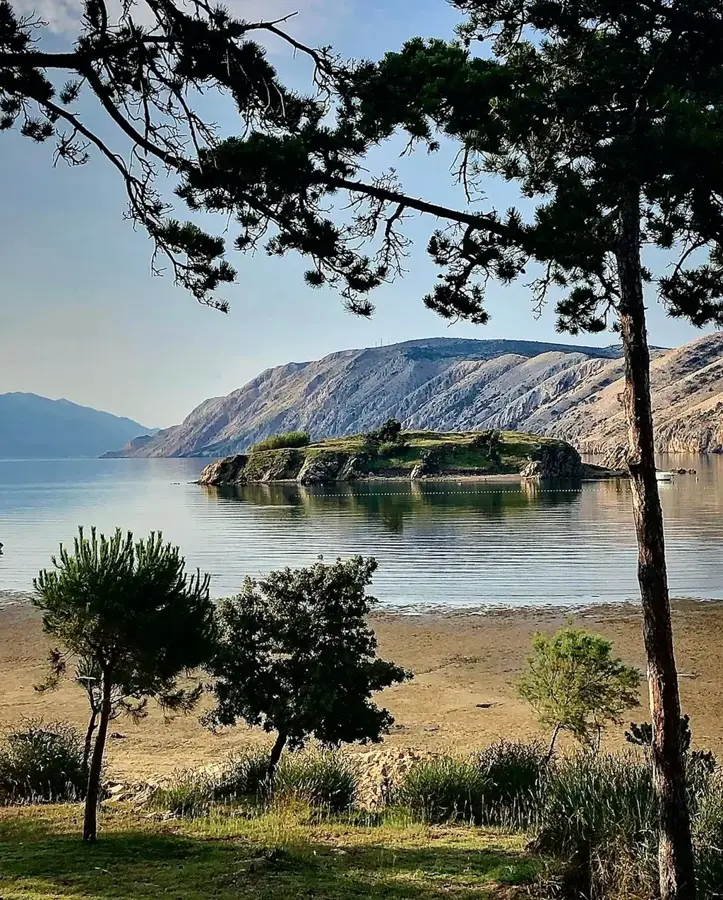
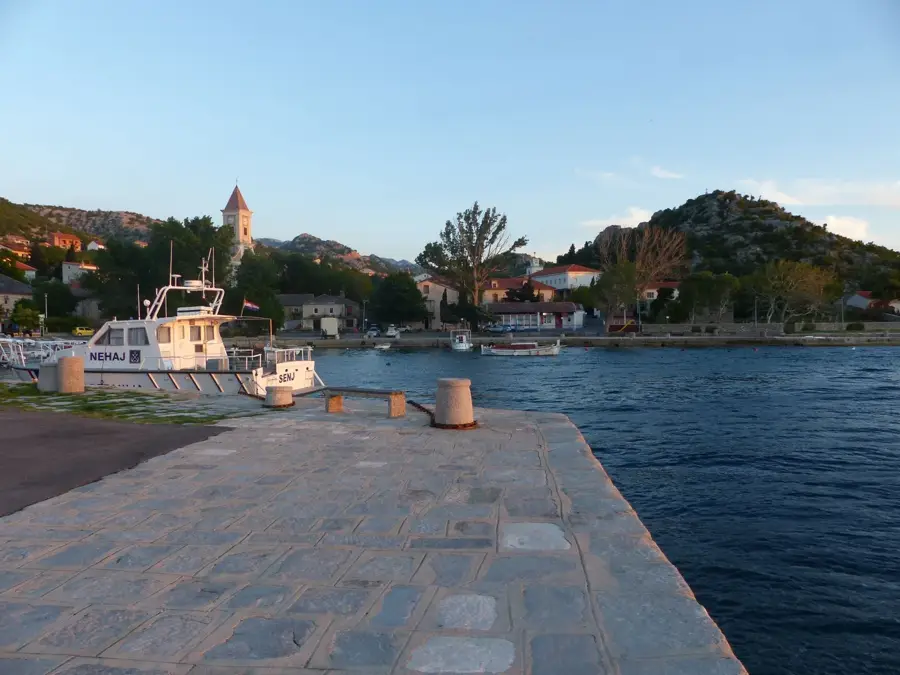
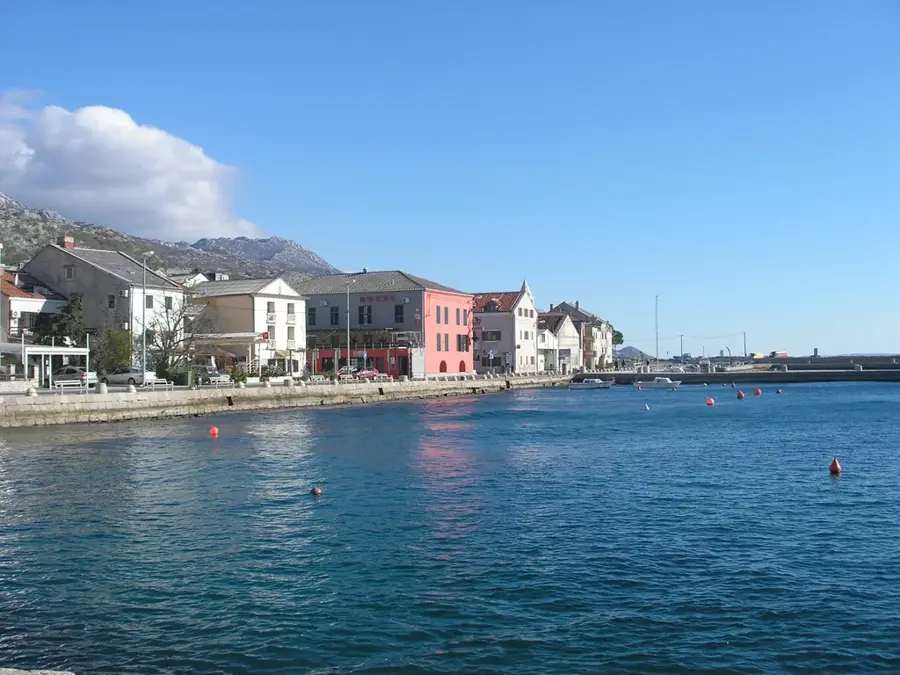
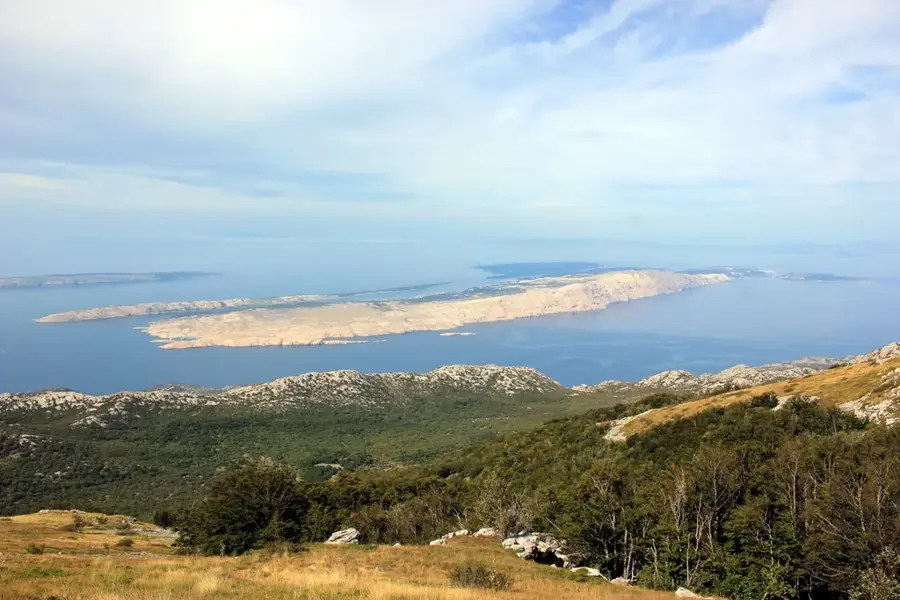
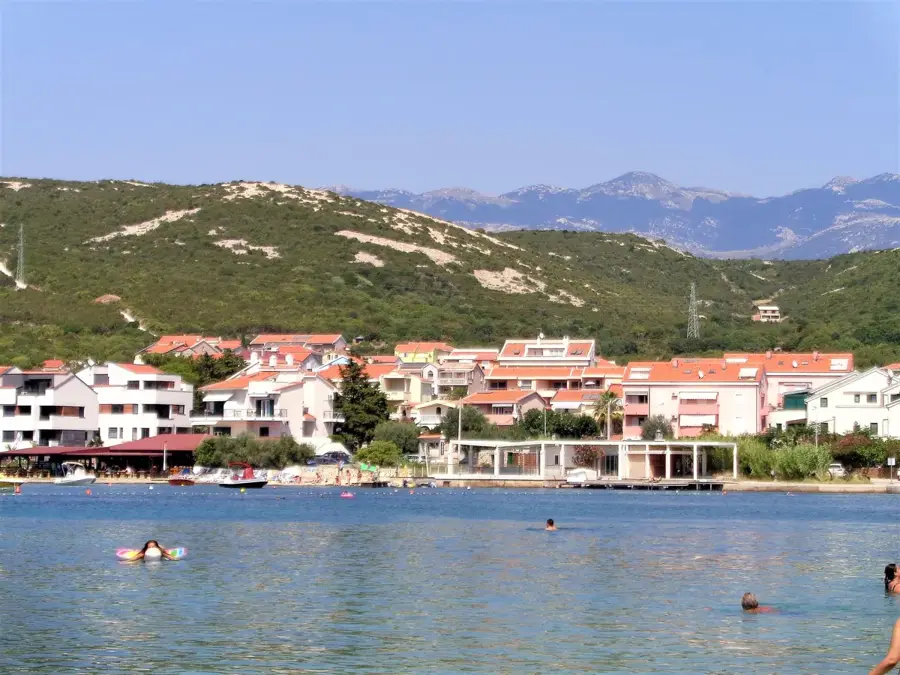
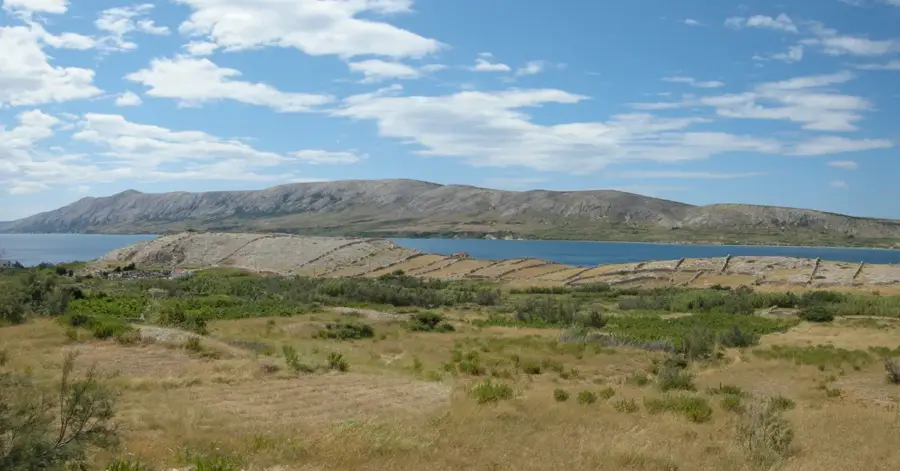
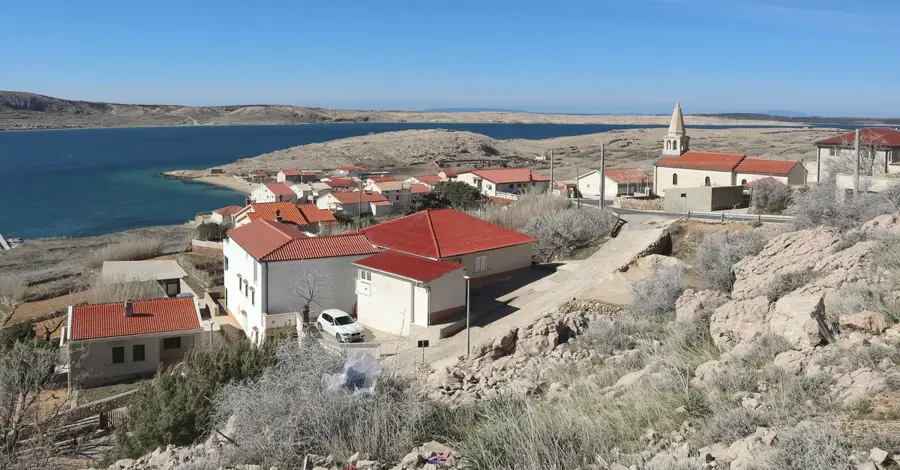
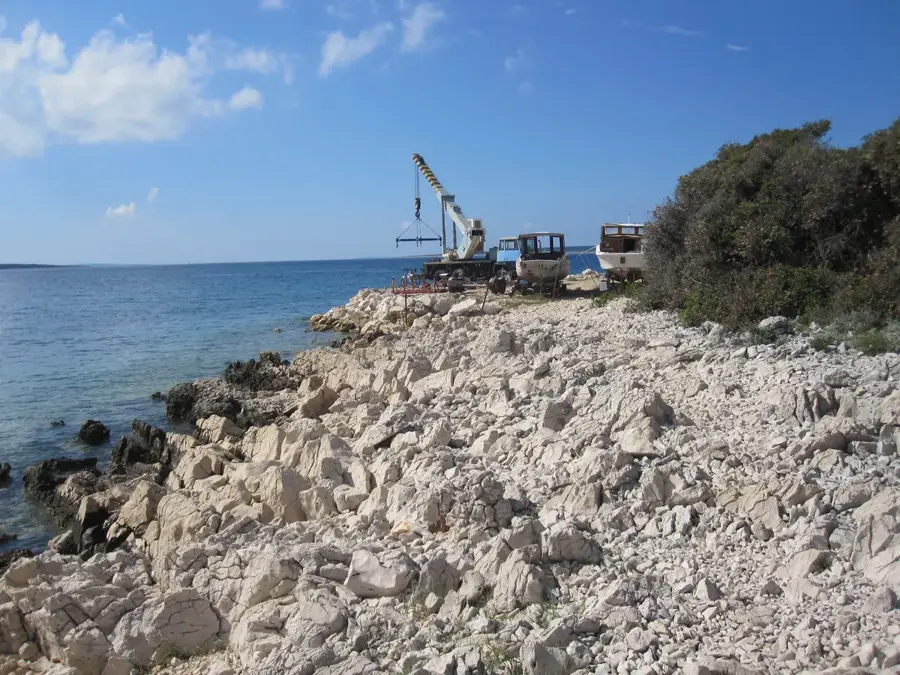
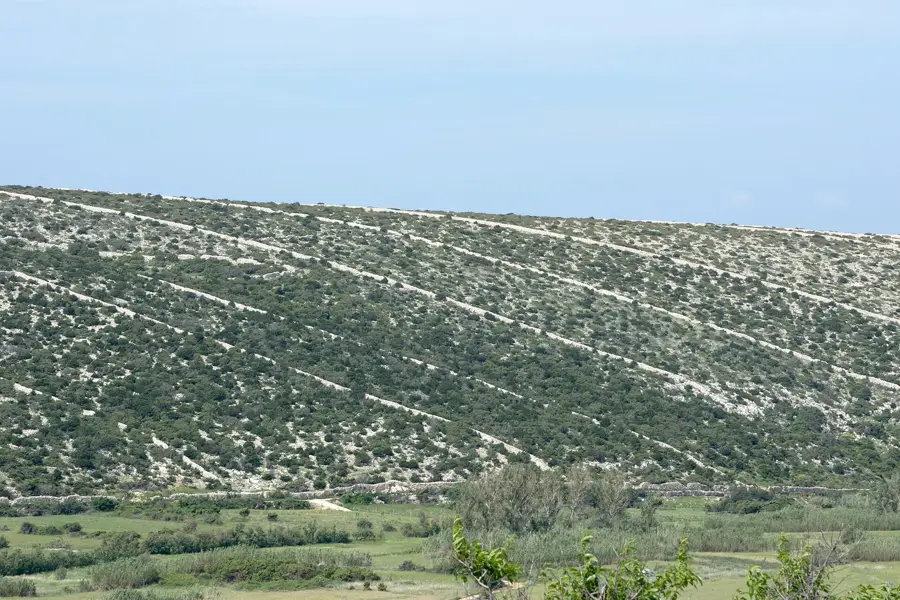
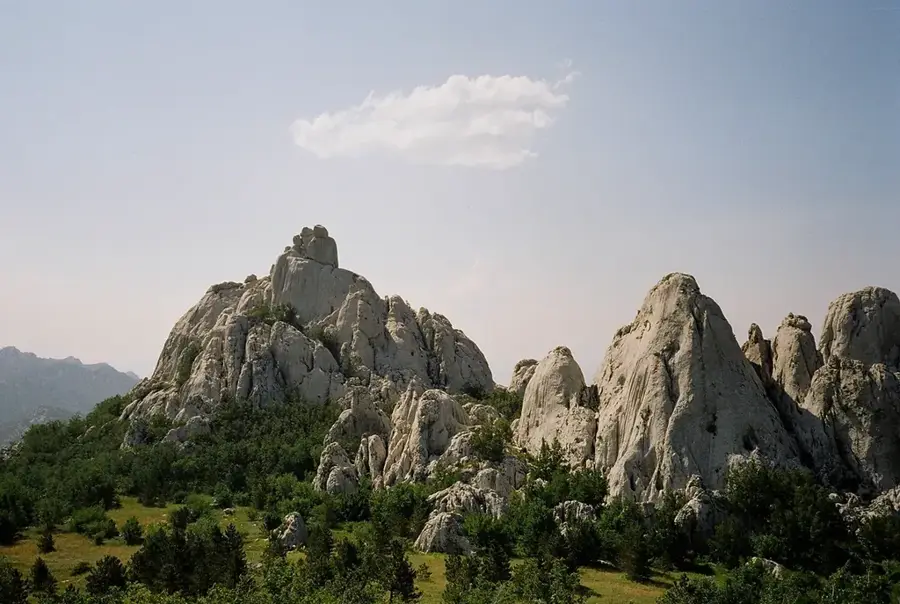
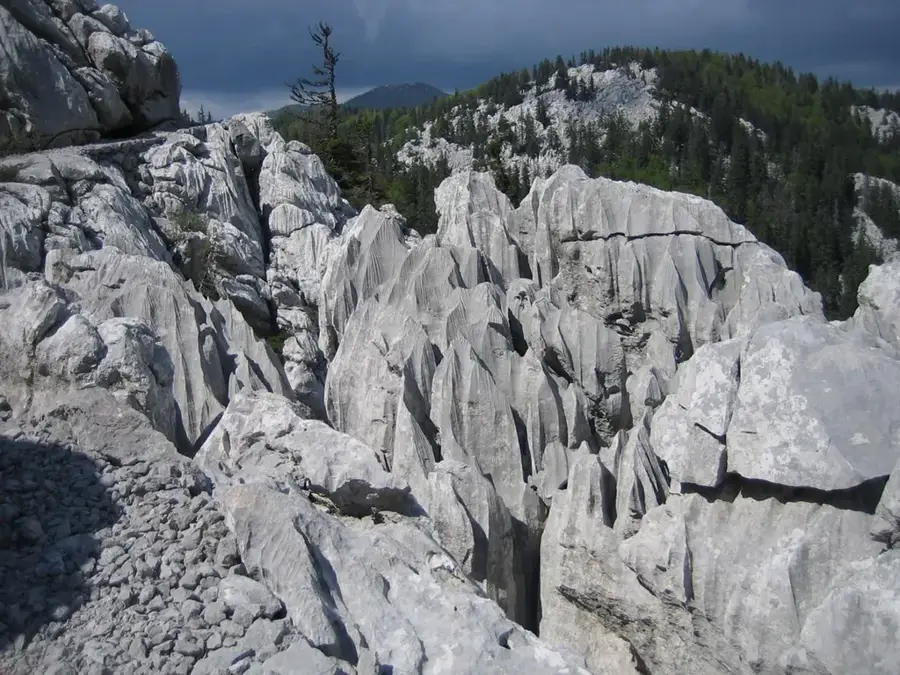
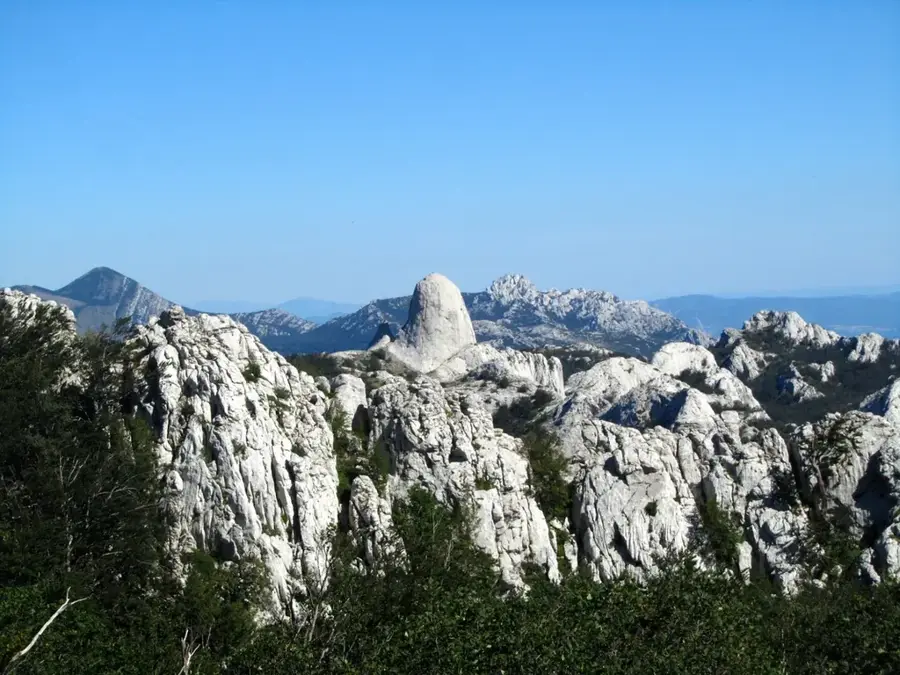
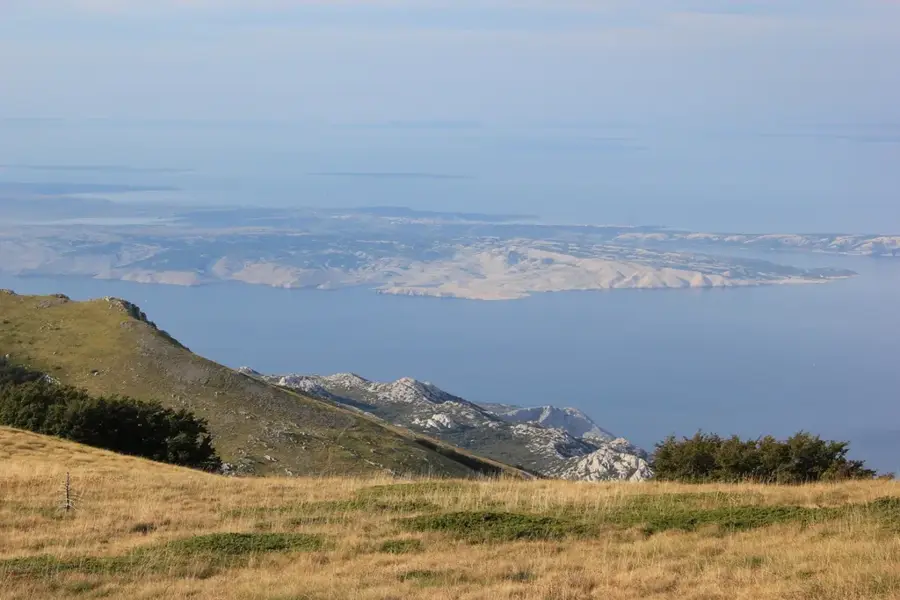
Novalja is the primary tourist hub in the northern part of Pag Island, having evolved from a quiet village into the 'Croatian Ibiza.' This reputation stems from the nearby Zrće Beach, home to world-class open-air clubs and major electronic music festivals. However, Novalja gives much more than just a nightlife scene. The town is home to a rich ancient heritage, most notably its 1st-century AD Roman aqueduct, known locally as 'Talijanova buža' (The Italian Hole), a section of which can still be explored. The landscape surrounding Novalja is strikingly barren due to the salt-carrying Bora wind, creating a surreal, moon-like environment. To the north lie the Olive Groves of Lun, a botanical reserve with over 80,000 wild olive trees, some older than 1,000 years. The region is also world-famous for its culinary specialty, Pag Cheese (Paški sir), made from the milk of sheep grazing on salt-dusted aromatic herbs.
The most pleasant time to visit is Jun–Aug.
| Jan | Feb | Mar | Apr | May | Jun | Jul | Aug | Sep | Oct | Nov | Dec | |
|---|---|---|---|---|---|---|---|---|---|---|---|---|
| Avg °C | 5 | 5 | 8 | 12 | 17 | 21 | 24 | 24 | 19 | 15 | 10 | 6 |
| Rain mm | 100 | 99 | 83 | 74 | 85 | 59 | 48 | 62 | 122 | 119 | 144 | 118 |
See what it looks like near Novalja (Pag) right now.
Stara Novalja: Pag - Coast Novalja · 0.1 km · Open webcam on Windy · Webcams provided by Windy.com
Notable places around
Where do you start? We build the route here, with stops and country notes along the way.
© OpenStreetMap contributors · OpenRouteService
The morning begins with a journey through time at the City Museum, where you can marvel at the ancient Roman aqueduct. Then, stroll through the alleys to the historical churches of the old town. Spend lunchtime enjoying regional specialties at the harbor. Enjoy a relaxed afternoon at Straško beach before ending the day with a cocktail on the seaside promenade.
Start the morning sheltered in the City Museum, where the ancient aqueduct remains a fascinating sight even in the rain. At noon, the central churches provide dry havens for quiet reflection. Spend the afternoon enjoying a long, warming lunch in the center while listening to the rain. Later, Straško beach reveals a dramatic side with the choppy Adriatic Sea under a grey sky.
Explore Novalja's history in the crisp winter morning air when the museum is almost entirely yours. The churches radiate a special tranquility in winter. At noon, a local stew or Pag cheese will warm you up in a cozy restaurant. An afternoon walk on Straško beach is solitary and meditative before the sun sets picturesquely around 4:30 PM.
Start your bike tour in the center of Novalja and cycle to the picturesque Caska Bay. There, you can catch a glimpse of the remains of the sunken city. Continue to the famous Zrće beach, which is still quiet in the morning. After a lunch break in Caska, cycle back along scenic paths, enjoying the views of the sea and the mainland mountains.
Despite the rain, cycling to Caska Bay offers a refreshing perspective of the rugged coastline. At Zrće, an almost ghostly silence prevails, perfect for photography. A warm lunch in Caska helps you warm up before heading back to Novalja via wet but well-paved paths. The salty air mixes with the scent of wet stone and herbs.
Enjoy the clear, cold winter air on the way to Caska Bay, where the history of the sunken city comes alive in the grey light. Zrće is now a place of pure natural tranquility, without music and bustle. A hearty lunch gives you strength for the return ride along the coast, while the winter sun bathes Pag's barren moonscape in silvery light.
By car, you can explore the fascinating contrasts of the island. In the morning, drive to the very north to visit the thousand-year-old olive groves of Lun. Then, the road leads to the mysterious Pag Triangle set in the barren rocky landscape. After a hearty lunch in Novalja and a brief visit to the ancient aqueduct, end your day relaxing in Caska Bay.
The olive groves of Lun look almost mystical in the rain, with the silvery leaves shining under the clouds. The Pag Triangle is harder to access in the rain but offers a wild, rugged aesthetic. Returning to Novalja, a pleasant lunch invites you to linger, followed by a visit to the dry City Museum. The day ends at Caska Bay, with the rain softly tapping on the car roof.
The thousand-year-old olive trees of Lun stand proud in the clear winter air, symbols of endurance. The Pag Triangle feels even more solitary and mysterious in winter. In Novalja, a cozy lunch warms the senses before the City Museum offers deep insights into antiquity. To finish, Caska Bay provides a peaceful backdrop for the early, glowing winter sunset.
July and August for festivals at Zrće; June and September for quieter beach days and families.
Zrće beach is loud until morning; beware of unlicensed taxis and drug offers, secure your valuables.
Croatian is official; English and German dominate at Zrće beach due to the international party crowd.