Pag Summer Carnival
Croatia's oldest summer carnival, held in late July in Pag. Folk costumes, the Paski tanac dance and the traditional burning of Marko define the event.
PlizioGo
Buy this famous, hard sheep's milk cheese directly from a local cheese maker or a specialized deli on the main square; it pairs perfectly with local wine.
Order this slow-roasted lamb, renowned for its salty flavor, at a traditional konoba (tavern), make sure to reserve it a day in advance as it takes hours to cook.
Taste these slightly sweet, hard toast biscuits baked by the Benedictine nuns of the St. Margaret Monastery; knock on their door during selling hours to buy.
Purchase an authentic piece of hand-stitched lace from the small artisan boutiques in the old town; genuine pieces often come with a certificate.
Pick up a bag of coarse sea salt or fleur de sel harvested from the local salt pans, a cheap and highly traditional souvenir available in most grocery stores.
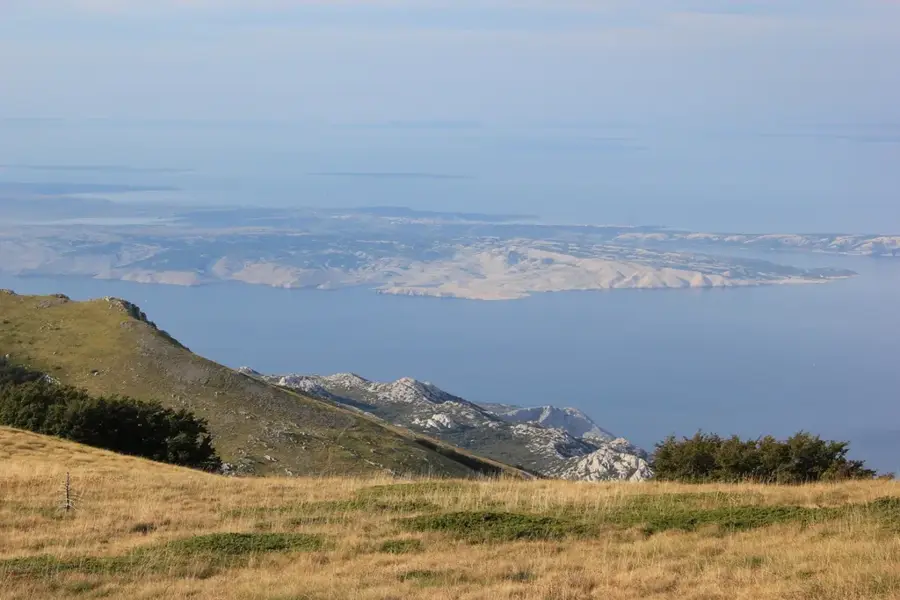
Hike up to this nearby viewpoint at sunset for an incredibly quiet and panoramic view of the city, the salt pans, and the Velebit mountain range.
Visit the shallow bay area just southwest of the town center to experience the therapeutic peloid mud in a mostly calm, natural environment.
Water temperature…
Croatia's oldest summer carnival, held in late July in Pag. Folk costumes, the Paski tanac dance and the traditional burning of Marko define the event.
The traditional island carnival, featuring the Paska tica folk dance and legend, is held both in winter and summer.
June festival honouring the UNESCO-protected lacemaking of Pag. Exhibitions, demonstrations and sales of traditional Pag lace.
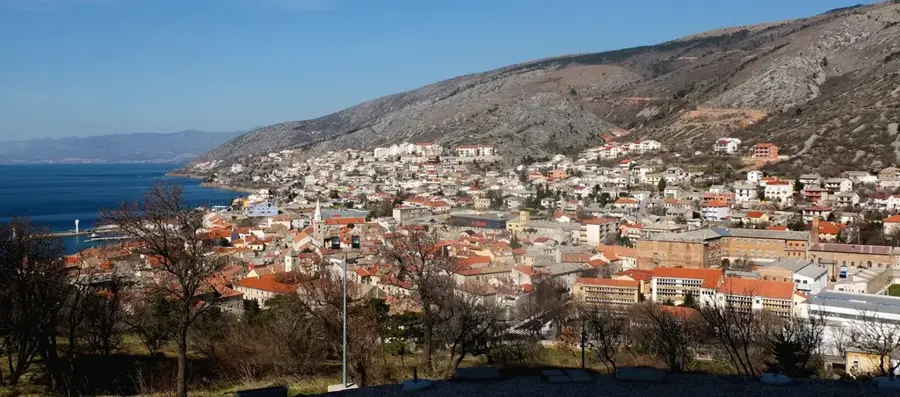
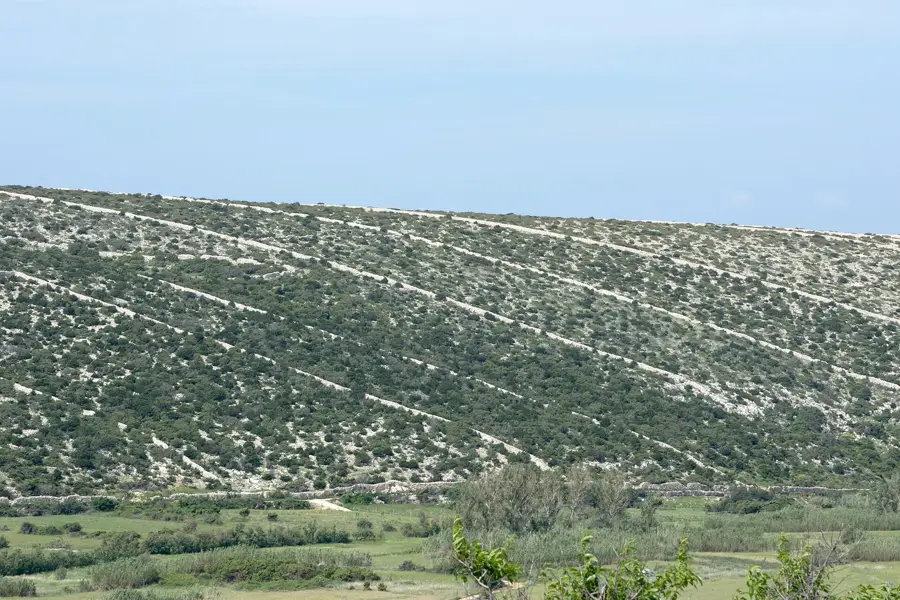
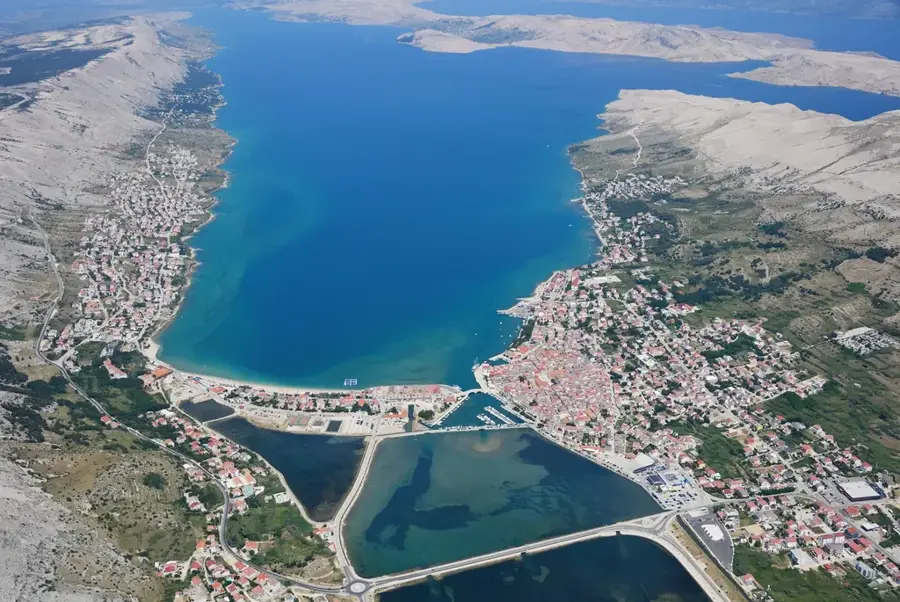
The modern city of Pag was founded in 1443, making it one of the rare Dalmatian towns built according to a strict Renaissance urban plan. Designed under the guidance of the famous architect Juraj Dalmatinac, the town features a symmetrical layout with two main axes crossing at the central square, home to the impressive Basilica of the Assumption. Pag is globally renowned for its intricate Pag lace (Paška čipka), handmade with a needle without any drawn patterns, a tradition so unique it is protected by UNESCO. Salt production has been the city's economic backbone for centuries; the vast shallow evaporation pans south of the town produce the Adriatic's 'white gold,' and old salt warehouses now serve as historical museums. For food enthusiasts, Pag is the birthplace of Paški sir, a premium sheep milk cheese. Its distinct flavor comes from the salt-dusted aromatic herbs grazed by local sheep on the island's rocky, moon-like slopes. The town features a first-rate blend of architectural elegance, artisanal heritage, and authentic Mediterranean flavors.
The most pleasant time to visit is Jun–Aug.
| Jan | Feb | Mar | Apr | May | Jun | Jul | Aug | Sep | Oct | Nov | Dec | |
|---|---|---|---|---|---|---|---|---|---|---|---|---|
| Avg °C | 5 | 5 | 8 | 12 | 17 | 21 | 24 | 24 | 19 | 15 | 10 | 6 |
| Rain mm | 100 | 99 | 83 | 74 | 85 | 59 | 48 | 62 | 122 | 119 | 144 | 118 |
See what it looks like near Pag (city) right now.
Pag: main square and Church of St. Mary · 0.2 km · Open webcam on Windy · Webcams provided by Windy.com
Notable places around
Where do you start? We build the route here, with stops and country notes along the way.
© OpenStreetMap contributors · OpenRouteService
Your day starts in the heart of the Renaissance city of Pag. Explore the main square and the Rector's Palace as the city wakes up. At midday, immerse yourself in the fascinating world of Pag lace, an art form so fine it's part of UNESCO heritage. In the afternoon, stroll to the Katine Bridge and visit the Salt Museum to understand the significance of salt production for the island. The evening ends at the Skrivanat Tower and Prosika Beach, where you can enjoy the golden hour.
The morning begins in the narrow alleys of the Old Town, where stone facades provide some shelter. At midday, retreat into the Rector's Palace and Lace Museum to enjoy culture while staying dry. The afternoon leads to the indoor exhibits of the Salt Museum. The day concludes with a moody view of the stormy Adriatic from Katine Bridge.
The crisp winter air makes the white stones of the Old Town glow even more. In the morning, explore the quiet streets without the summer heat. At midday, warm up in the Lace Museum as the sun stays low over the bay. The afternoon at the salt pans offers a stark, fascinating beauty. The day ends early with a spectacular sunset at the beach.
By bike, you can efficiently explore Pag and its surroundings. Start in the old town and visit the church and the lace museum. Then ride along the salt flats to the Salt Museum. After a lunch break, the path leads across the Katine Bridge to Prosika Beach, where you can relax. Crown the day with a ride to the Skrivanat Tower, the pride of Pag's fortifications.
Cycling in the rain requires caution on Pag's stone surfaces. The morning takes you through the Old Town to the churches. At midday, park your bike securely for museum visits. The afternoon follows paved roads to the salt pans, where the rain adds dramatic colors to the landscape. The day ends with a quick ride back to the center.
Winter cycling in Pag offers empty roads and vast views. The morning leads through the quiet Old Town. At midday, the Lace Museum provides a cultural break. The afternoon takes you to the salt pans, where the light on the basins is exceptionally clear. Watch out for the wind, which can increase along the coast. The day concludes with a cool ride to the sunset at the beach.
With a car, you enjoy maximum flexibility in Pag. Park centrally and explore the old town, the palace, and the world-famous lace museum. Then drive comfortably to the Salt Museum on the outskirts of town. The afternoon belongs to Prosika Beach, which is easily accessible by car. Before leaving Pag, take a look at the Skrivanat Tower, a relic of the old city wall.
By car, you explore Pag comfortably and dry even in the rain. The morning starts in the city center with short walks between sights. At midday, the Rector's Palace provides shelter, followed by the Lace Museum. In the afternoon, drive conveniently to the salt pans. The day ends with a relaxed drive along the coast as rain lashes against the windows.
In winter, Pag by car is a peaceful experience. The morning leads through the sleeping center, where parking is easy. At midday, visit museums without waiting. The afternoon takes you to the salt pans, where the winter sun bathes the landscape in cool light. Enjoy the freedom to drive around the entire bay. The day ends with a warm drink after sunset.
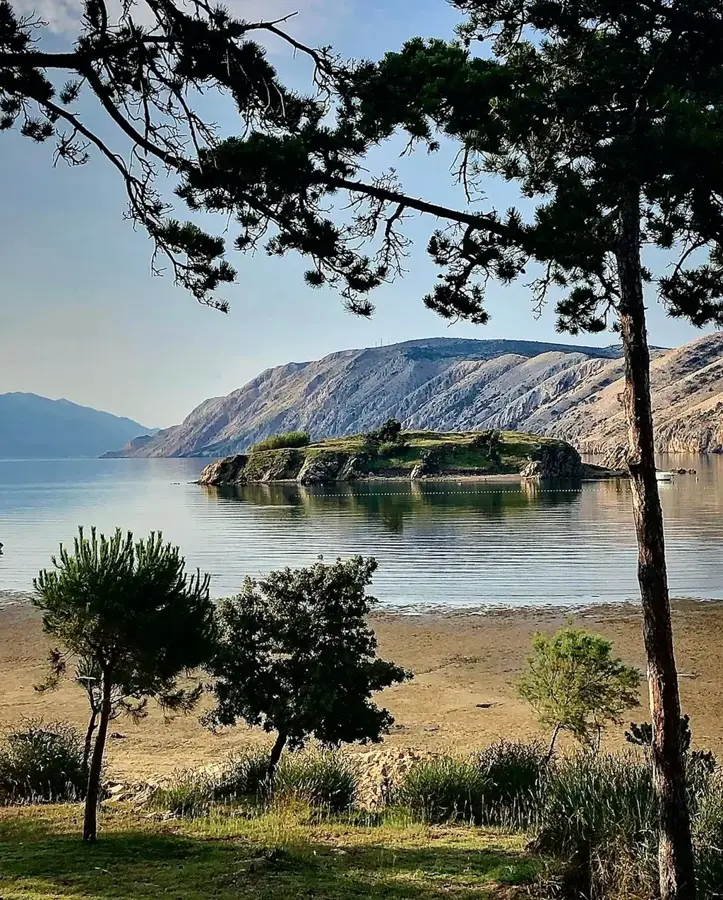
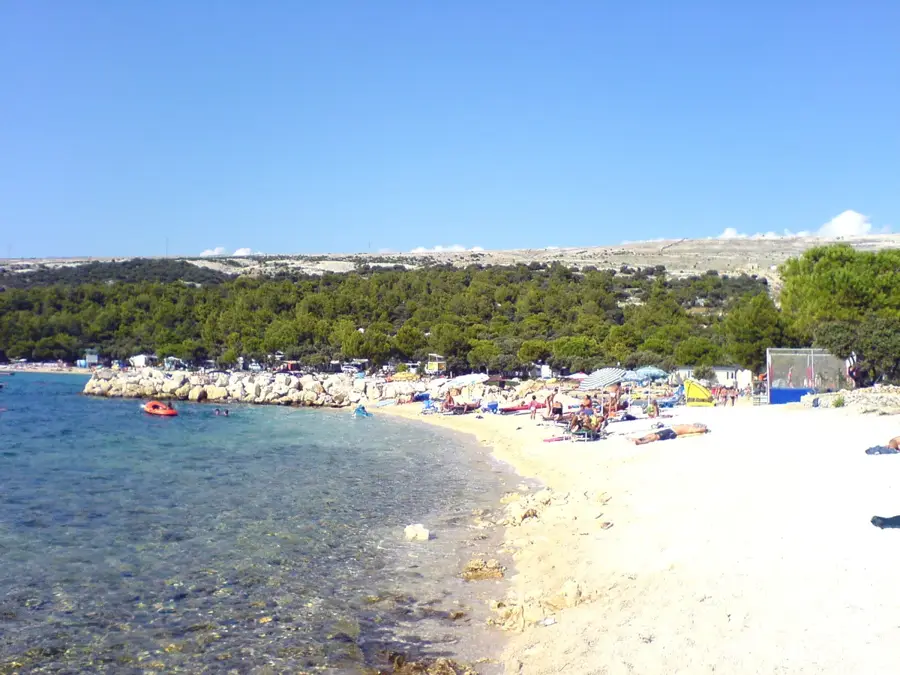
Plaža Gomilica has a slice of unadulterated nature near the city of Pag. Visitors especially praise the clean environment here, which makes swimming in the deep blue sea particularly appealing. Far from the hustle and bustle of the town, the day can be spent enjoying relaxed sunbathing. It is always a good idea to bring some snacks and drinks along just in case.
Beach Malin is a valued local stretch of coastline just outside the historic city of Pag. It provides a wonderful backdrop for daily swimming in the bay's saltwater. Thanks to its proximity to the city, a visit to the beach can be perfectly combined with a stroll through the narrow streets. On warm summer evenings, a particularly cozy atmosphere prevails here.