Karlobasko ljeto (Karlobag Summer)
A summer event series from early July with concerts, theatre, exhibitions, sport and fairs on the Baska placa square.
PlizioGo
Look for traditional konobas near the harbor serving freshly caught fish and squid on the grill.
Ask for locally sourced cheese and roasted lamb, heavily influenced by the nearby mountain pastures.
Order meat or octopus slow-cooked 'ispod peke' (under a bell) at local taverns; usually requires advance notice.
Buy directly from local producers or small roadside stands around the town center.
Look for homemade lavender pouches and mountain herb teas sold in small artisan shops.
Hike up to these medieval ruins above the town for a peaceful, panoramic view of the coastline and islands.
Take a quiet evening stroll along the waterfront away from the main road to enjoy the sunset.
Water temperature…
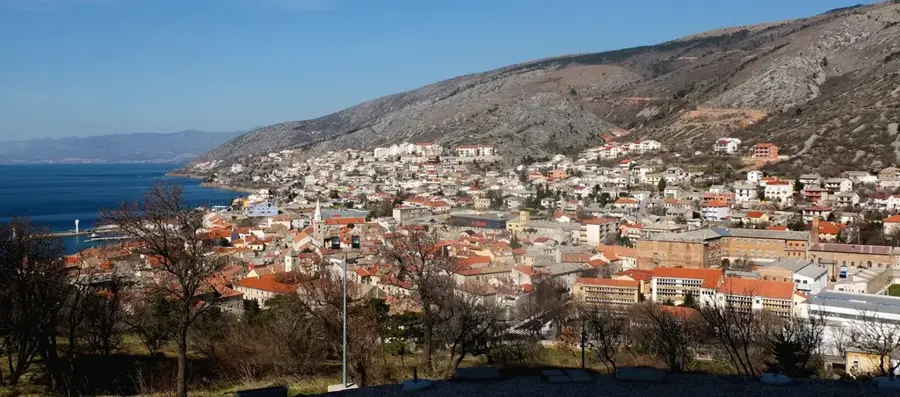
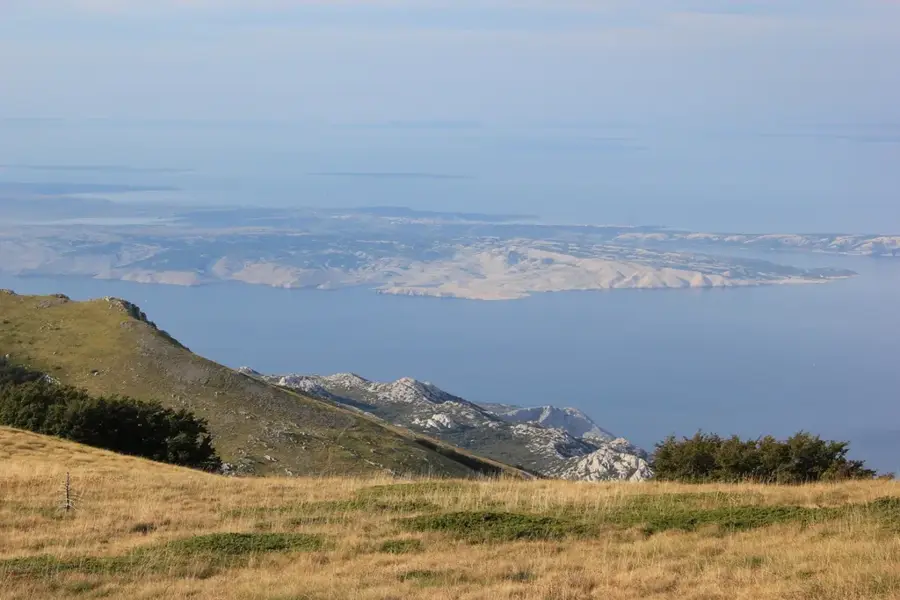
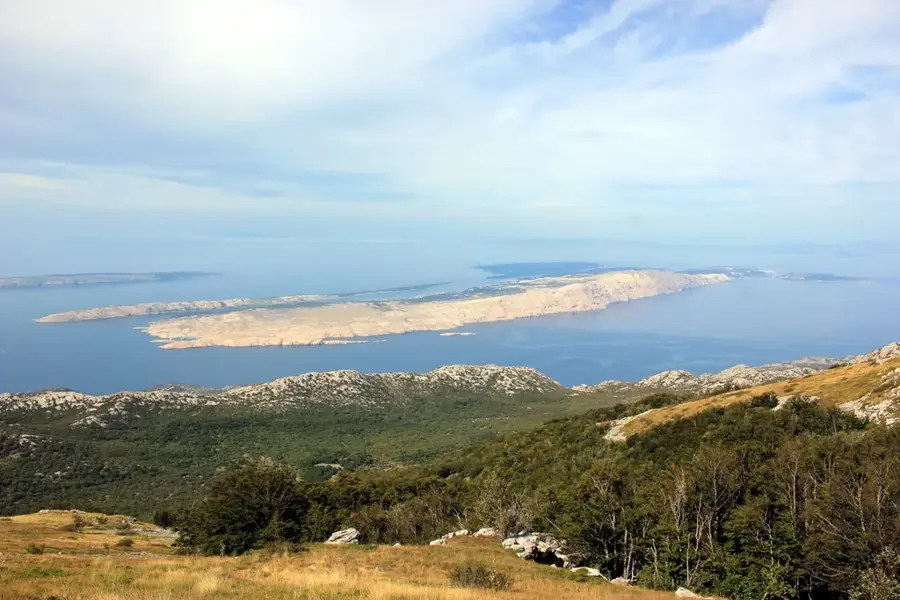
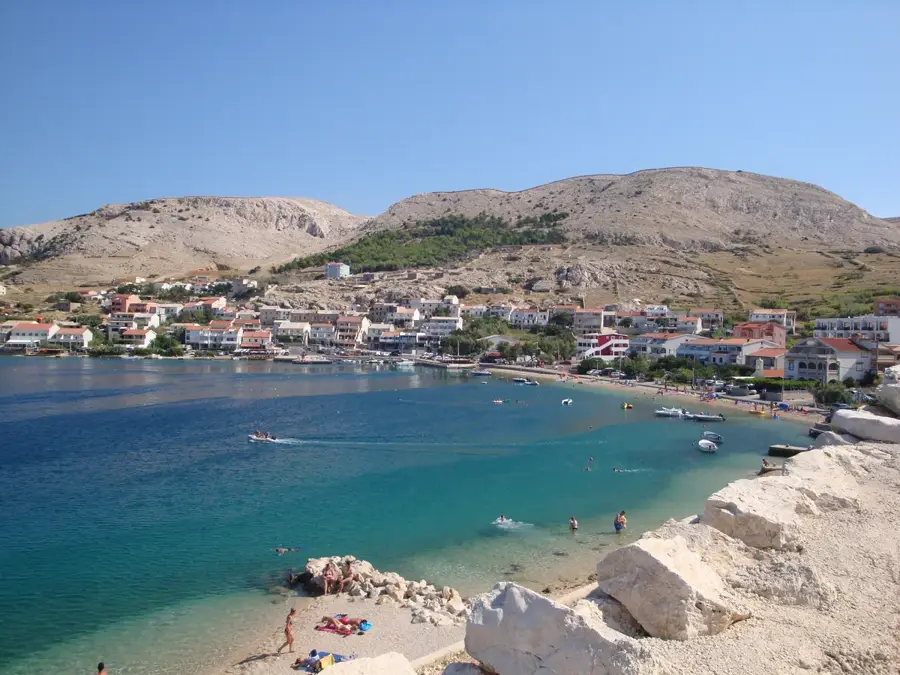
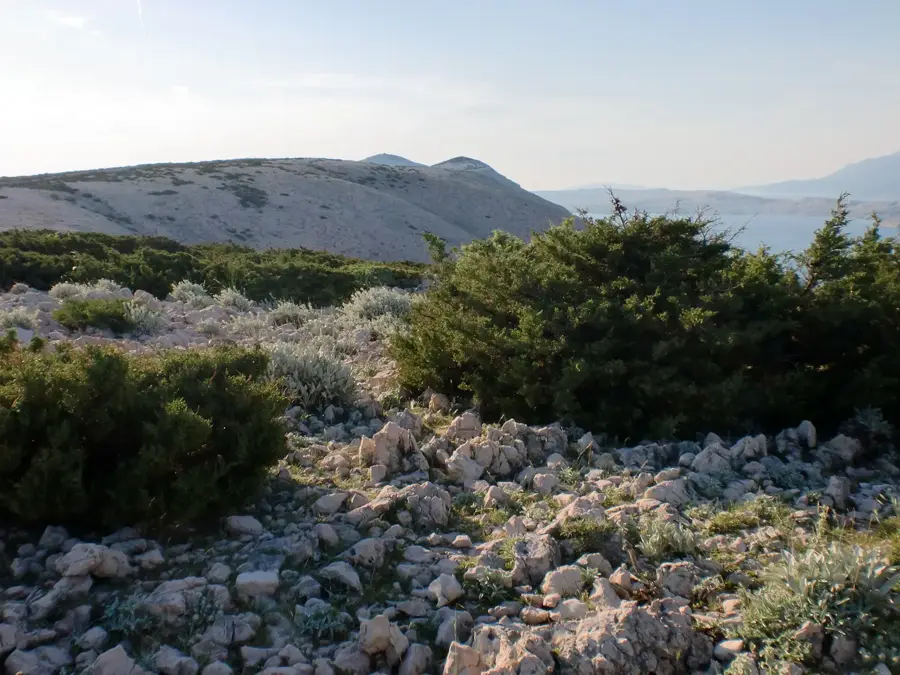
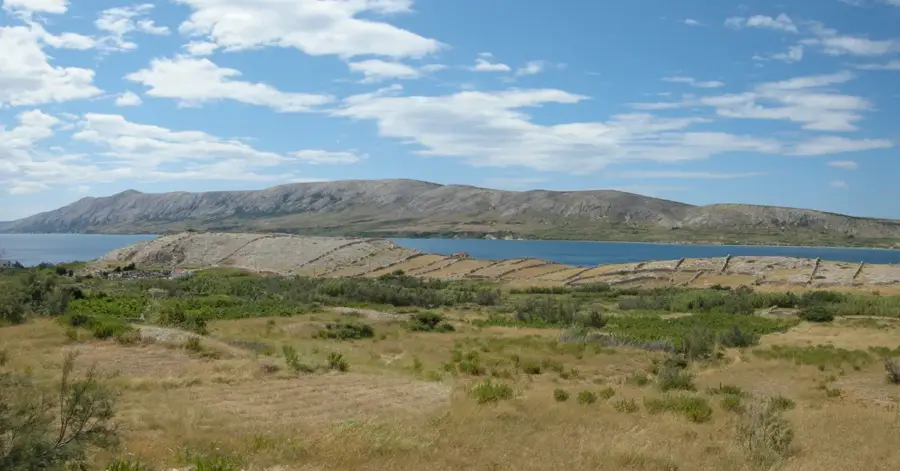
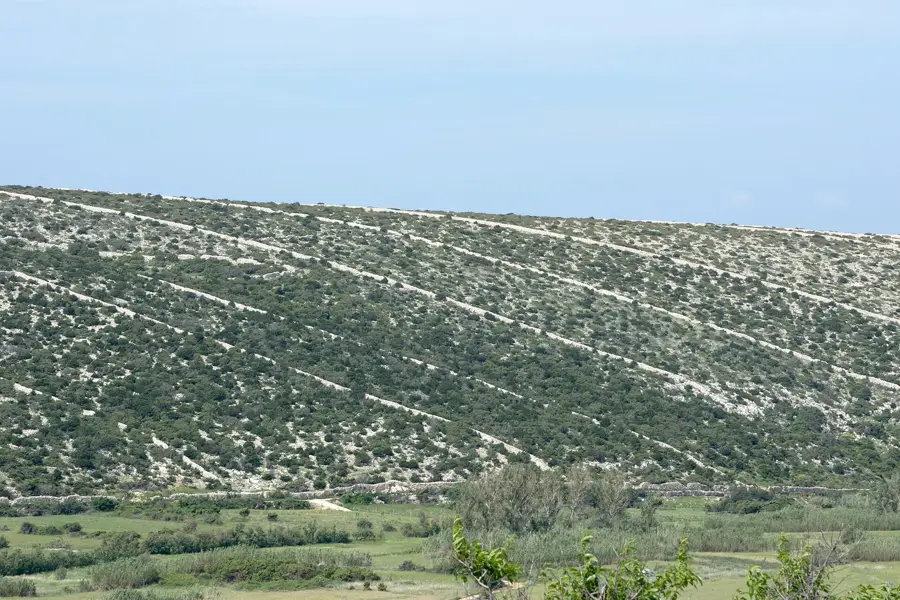
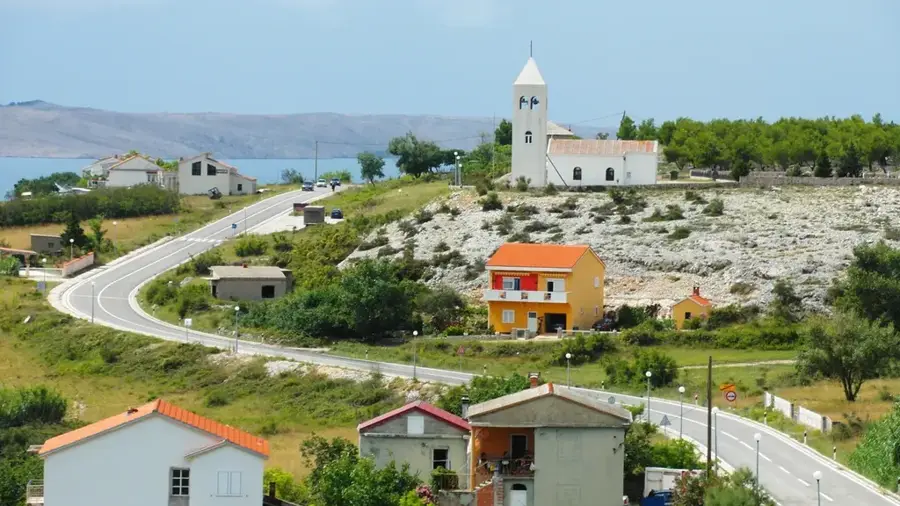
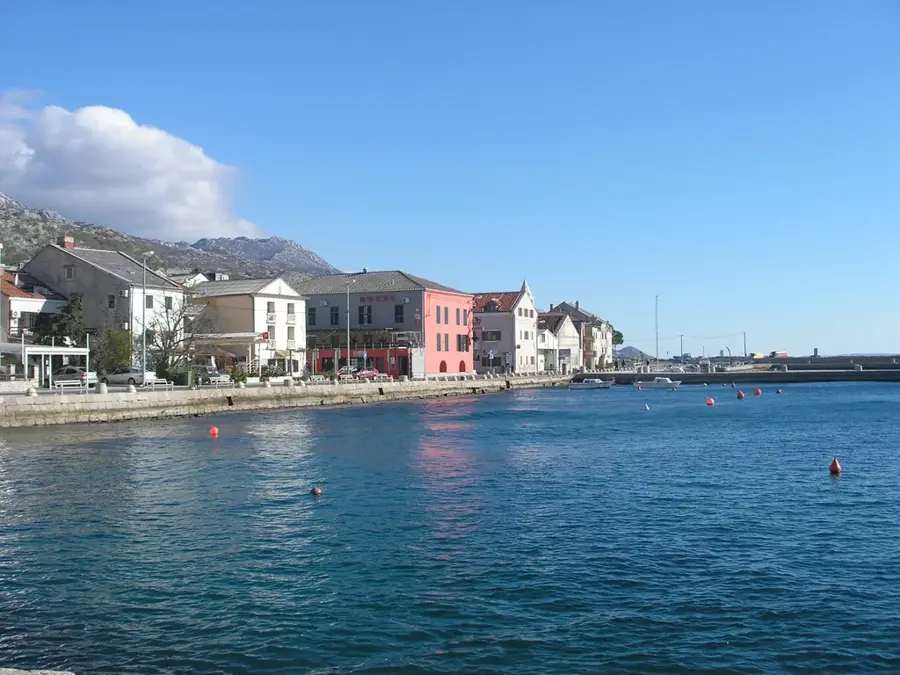
Karlobag is a unique destination where the Mediterranean climate and the alpine environment of the Velebit mountains converge. The town's current identity was shaped in 1714 when Emperor Charles VI ordered its reconstruction following its destruction during the Ottoman wars, subsequently renaming the settlement from 'Bag' to Karlobag. Located at a strategic point where the road from the inland city of Gospić meets the coast, it has long served as a vital link between continental Croatia and the Adriatic. The town faces the stark, white landscapes of Pag Island, creating a dramatic visual contrast with the deep blue waters of the channel. Visitors are drawn here not for large resorts, but for the exceptional clarity of the sea, cooled by underwater freshwater springs, and the proximity to the Velebit Nature Park. The local Capuchin monastery remains a cultural landmark, housing significant historical manuscripts and art.
The most pleasant time to visit is Jun–Aug.
| Jan | Feb | Mar | Apr | May | Jun | Jul | Aug | Sep | Oct | Nov | Dec | |
|---|---|---|---|---|---|---|---|---|---|---|---|---|
| Avg °C | 5 | 5 | 8 | 12 | 17 | 21 | 24 | 24 | 19 | 15 | 10 | 6 |
| Rain mm | 100 | 99 | 83 | 74 | 85 | 59 | 48 | 62 | 122 | 119 | 144 | 118 |
Notable places around
Where do you start? We build the route here, with stops and country notes along the way.
© OpenStreetMap contributors · OpenRouteService
Start your morning at the historic Capuchin monastery, where the silence of the library takes you back through the centuries. Then walk to the Baroque Church of St. Charles Borromeo in the heart of the village. At noon, climb the ruins of the Gradina fortress. From up here, you have an impressive panorama across the Velebit Channel to the island of Pag opposite. After the descent, recharge at one of the local inns at the harbor. The afternoon belongs to relaxation in the Kava Mediterranean Garden, followed by an extensive swim at the city beach. The crystal-clear water of this region is famous for its purity due to underground freshwater springs. End the day with a pleasant stroll along the waterfront promenade. Watch the fishing boats and enjoy the cool breeze blowing down from the Velebit mountains.
The morning starts in the sanctuary of the Capuchin monastery, a perfect dry refuge. By noon, we visit the Church of St. Charles Borromeo, as the rain adds a melancholic shine to the old town's stone walls. In the afternoon, the Gradina fortress ruins look mystical through the mist. The evening walk along the waterfront promenade offers a dramatic view of the choppy, rain-swept Adriatic Sea.
The winter morning is crisp and cold, making the monastery's silence feel sacred. By noon, the baroque church offers a warm respite while the low winter sun glints off the sea. In the afternoon, the fortress provides stunning views of the snow-capped Velebit peaks. As darkness falls early, the promenade lights glow warmly against the chill of the Bura wind.
Explore Karlobag and its surroundings actively by bike. The day starts culturally at the monastery before you ride onto the historic Terezijana road, which nestles gently into the Velebit slopes. At noon, cycle north along the coastal road. The route offers spectacular views of the deep blue sea and the barren rocks of Pag. Find one of the many small coves for a private break. In the afternoon, head back towards the center. A stop at the Church of the Visitation of Mary offers a moment of reflection before you cover the last kilometers by the sea. By evening, reach the harbor of Karlobag again, where you can safely park your bike and enjoy the local cuisine.
Morning cycling starts cautiously towards the Capuchin monastery. By noon, we tackle the Terezijana road, where the wet terrain demands full focus and bike control. In the afternoon, we reach the Church of the Visitation of Mary through the drizzle. The evening ends at the Karlobag promenade, with the sound of tires humming on the wet pavement.
A frosty morning greets us on the way to the monastery. By noon, the Terezijana road tests our fitness in the cold but gloriously clear air. In the afternoon, we cycle to the Church of the Visitation of Mary under the sparkling winter sun. The evening return via the promenade is quick as the Bura chill pushes us along.
By car, you combine the mountains and the sea today. After the monastery visit, drive steeply uphill into the Velebit mountains to Baške Oštarije. The temperature difference will surprise you. At noon, explore the Terezijana road on the ridges. The view from above of the Adriatic Sea is incomparable. Stop at a mountain hut to try the hearty Lika cuisine. In the afternoon, drive back to the sea to Karlobag. Visit the Church of St. Charles Borromeo and stroll through the alleys of the historic core. To end the day, the Kava Mediterranean Garden offers peace and shade. A perfect place to review the experiences between peaks and waves.
Morning drive to the monastery is safe and dry behind the windshield. By noon, we head to the Baške Oštarije viewpoint, where low-hanging clouds add a moody feel. In the afternoon, we explore the Terezijana road, its old stones gleaming in the rain. The evening ends back at the Church of St. Charles Borromeo, watching the grey sea from the car.
A clear winter morning leads us to the monastery. By noon, we drive up to the Baške Oštarije pass, which is often blanketed in snow. In the afternoon, we explore the Terezijana road in the biting cold. The evening return to Karlobag is cozy as the car shields us from the icy Bura wind.