Plizio Visual Lab
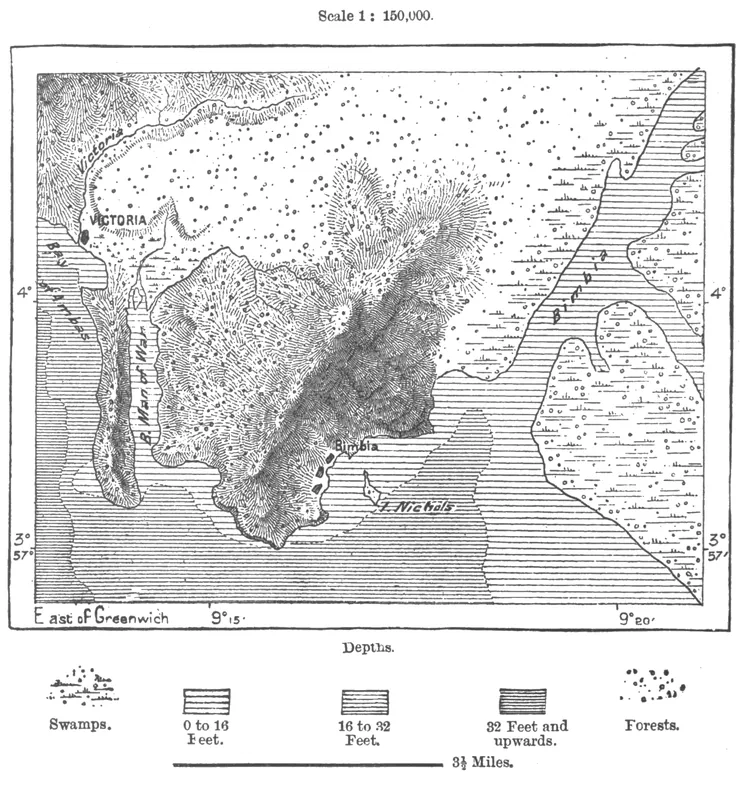
Bimbia Slave Port
Weather…
Water temperature…
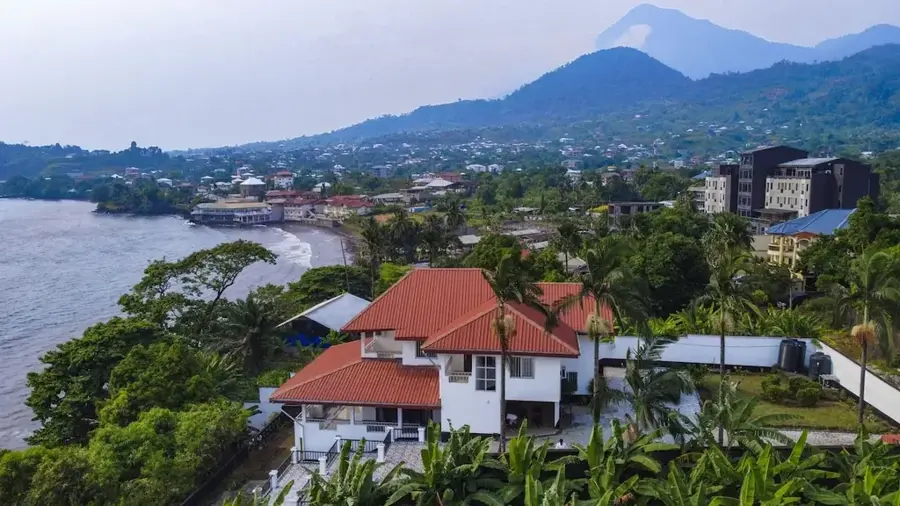
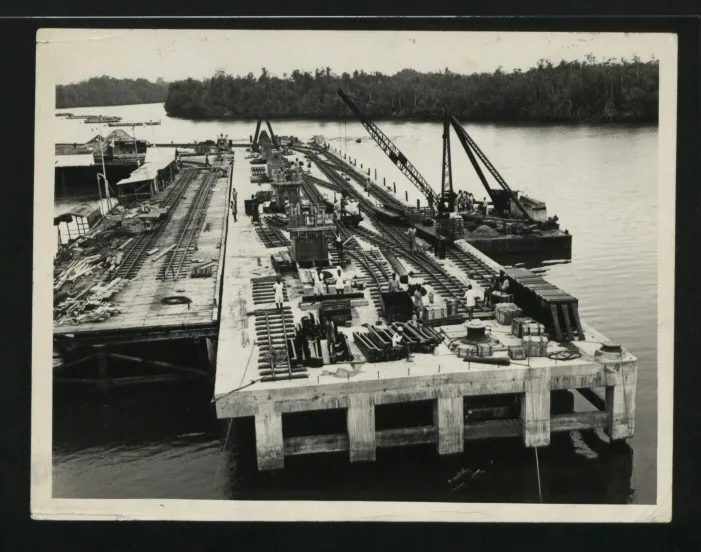
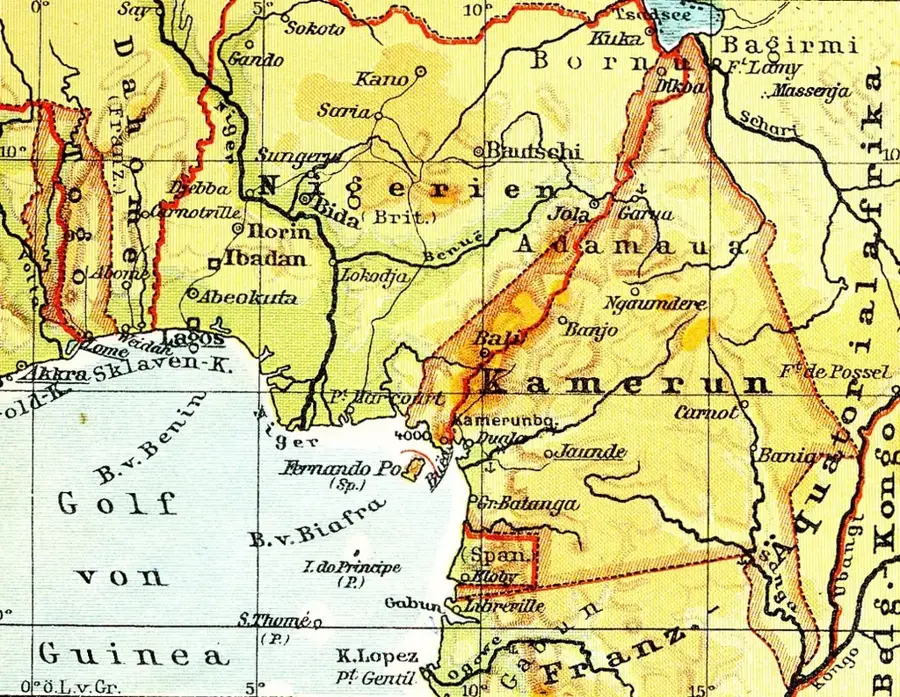
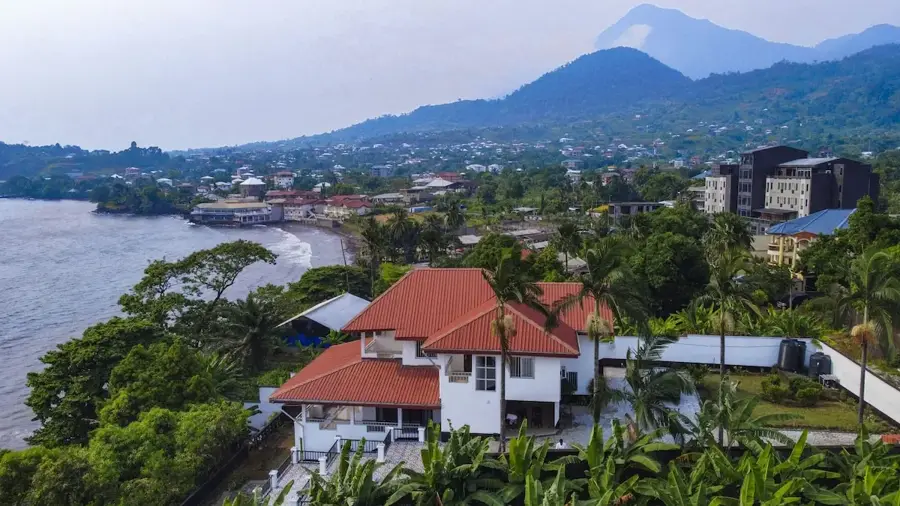
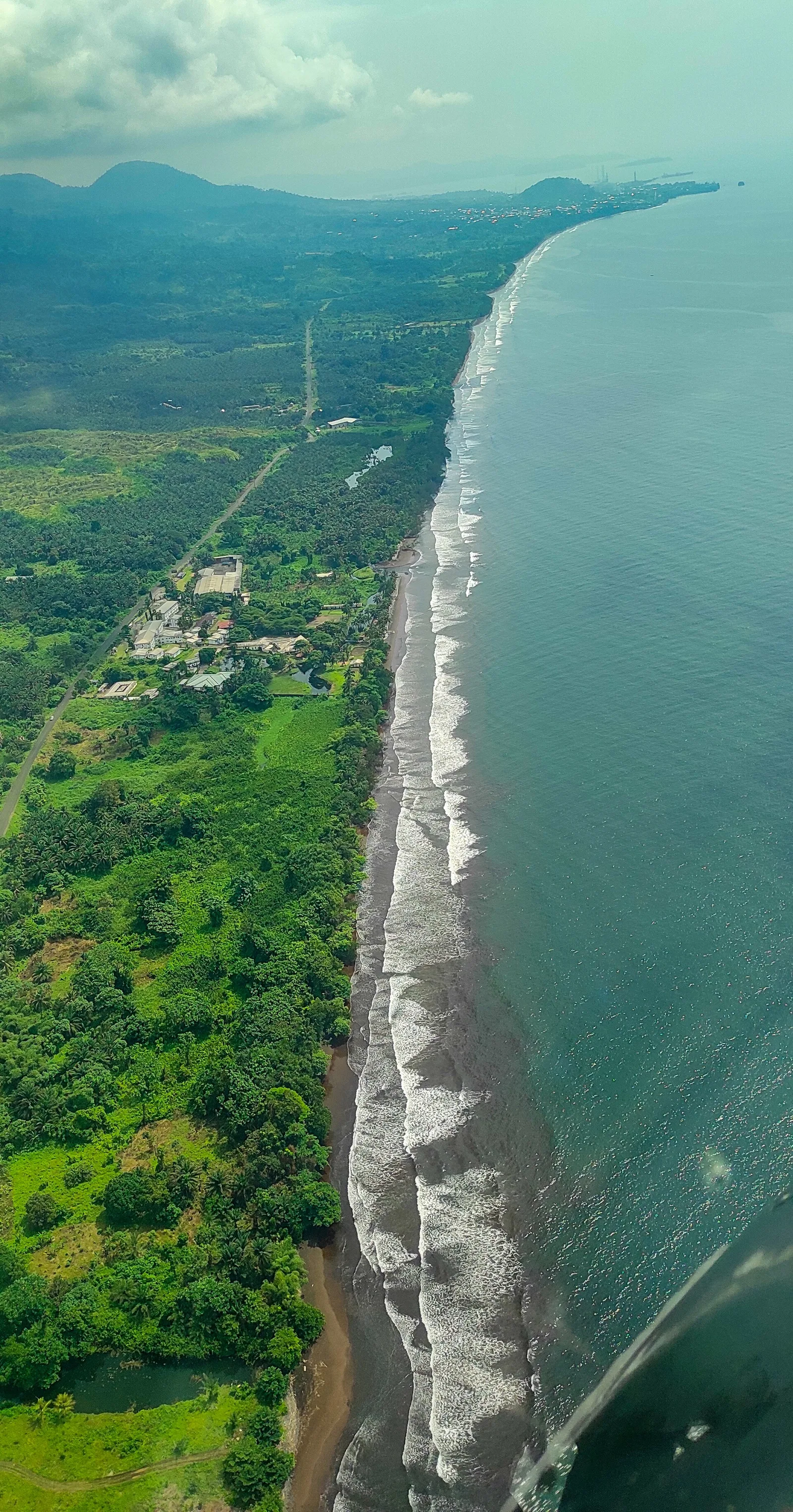
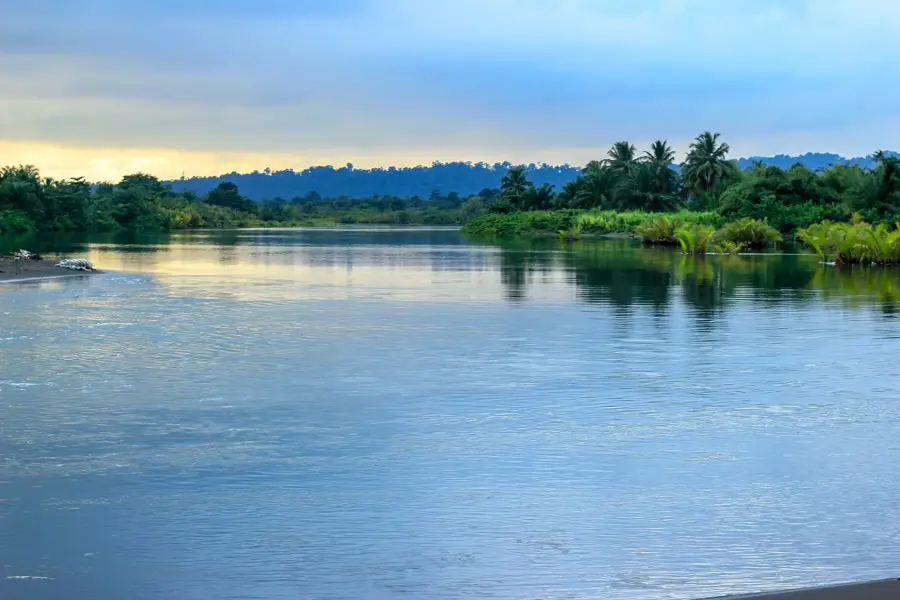
The Bimbia Slave Port, located on the coast near Limbe, is one of Cameroon's most significant historical sites related to the transatlantic slave trade. During the 18th and 19th centuries, this location served as a major transit point from which thousands of Africans were shipped to the Americas. The site was only rediscovered in the late 1980s through archaeological excavations after being overgrown by jungle for a long time. Today, ruins of stone buildings, chains, and anchoring points can still be seen, standing as silent witnesses to human suffering. Bimbia was the center of the independent city-state of the Isubu people before falling under British and later German protectorate. The government of Cameroon has declared the site a national monument to commemorate the victims and document the history of slavery for future generations. Every year, researchers and descendants of the diaspora visit this place to explore their heritage. The port is situated on a photogenic but somber bay characterized by rugged rock formations. Preserving this site is a challenge as coastal erosion threatens the remaining structures.
- Location: Cameroon
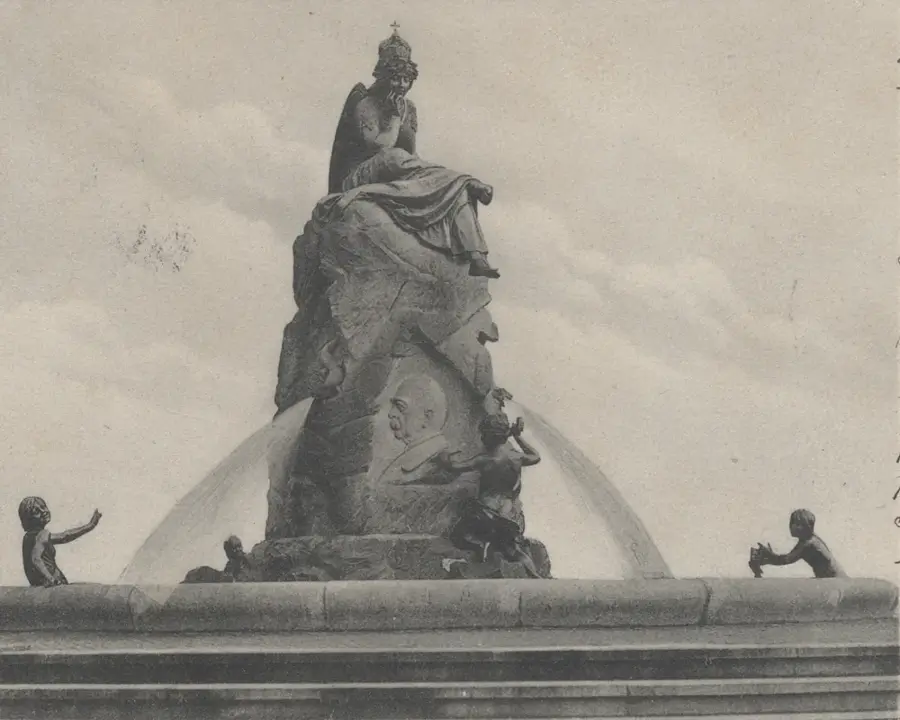
- Top sights: Bimbia Slave Trade Site · Canon · Bismarck Tower
- Nearby: Limbe (7 km)
Best time to visit & climate
The most pleasant time to visit is Jan, Feb, Dec.
| Jan | Feb | Mar | Apr | May | Jun | Jul | Aug | Sep | Oct | Nov | Dec | |
|---|---|---|---|---|---|---|---|---|---|---|---|---|
| Avg °C | 28 | 28 | 28 | 28 | 28 | 27 | 26 | 26 | 26 | 27 | 27 | 27 |
| Rain mm | 30 | 74 | 148 | 190 | 202 | 347 | 424 | 480 | 410 | 257 | 150 | 26 |
📋 Practical info
Geography
Facts
- Bimbia was a major port for the slave trade during the 19th century.
- The site was rediscovered in 1987 through archaeological excavations.
- It is estimated that over 10% of slaves from this region passed through here.
- Remnants of stone pillars used for mooring ships are still visible.
- Joseph Merrick established a Baptist mission here in 1844.
- The site has been protected as national cultural heritage since 2012.
Explore nearby
Notable places around
Route planner — Car & Motorhome
Where do you start? We build the route here, with stops and country notes along the way.
© OpenStreetMap contributors · OpenRouteService
Sights in the town Bimbia Slave Port (3)
Sights nearby
Frequently asked questions
What was Bimbia historically?
How do you reach the slave port?
Are there guided tours?
What can still be seen there today?
Is the place suitable for children?
Bimbia Slave Port: where is it located?
Bimbia Slave Port: what is there to see?
Bimbia Slave Port: when is the best time to visit?
Bimbia Slave Port: why is it worth visiting?

Nearby cities


History & landmarks
Nature
More places