Plizio Visual Lab
Lake Chad
Weather…
Water temperature…
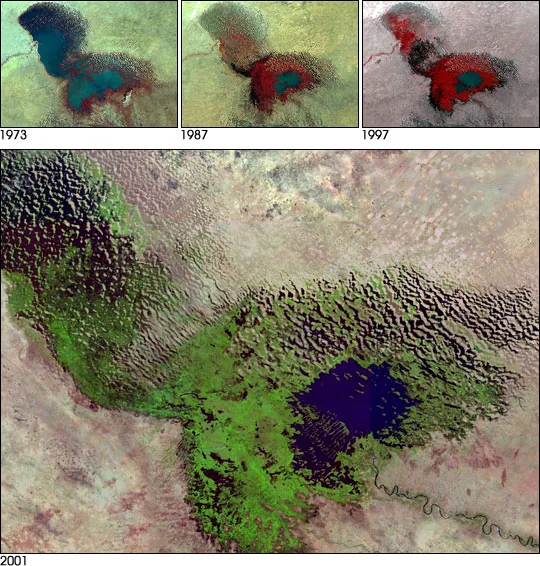
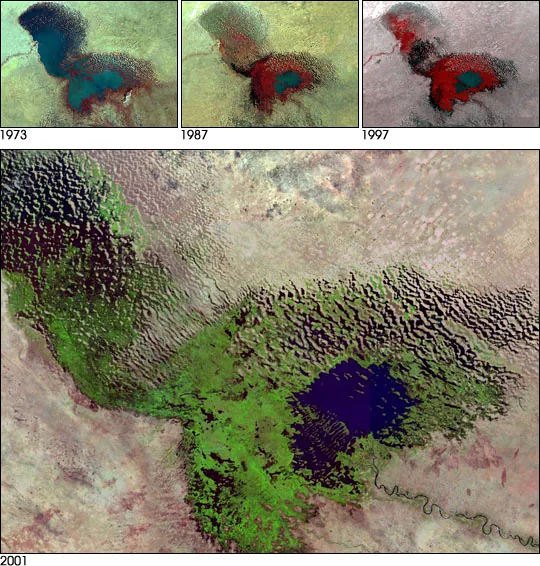
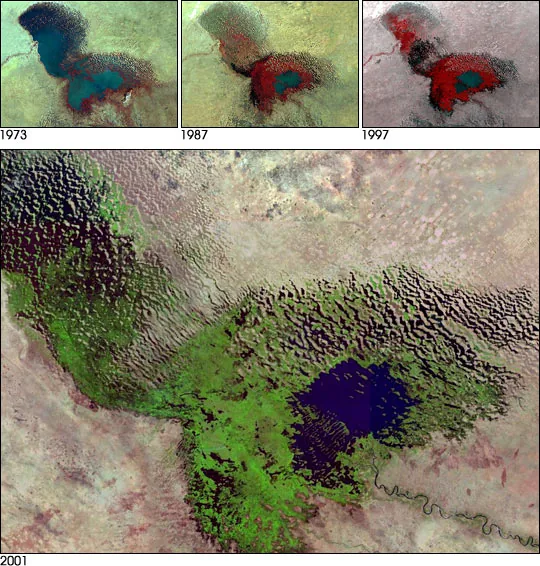
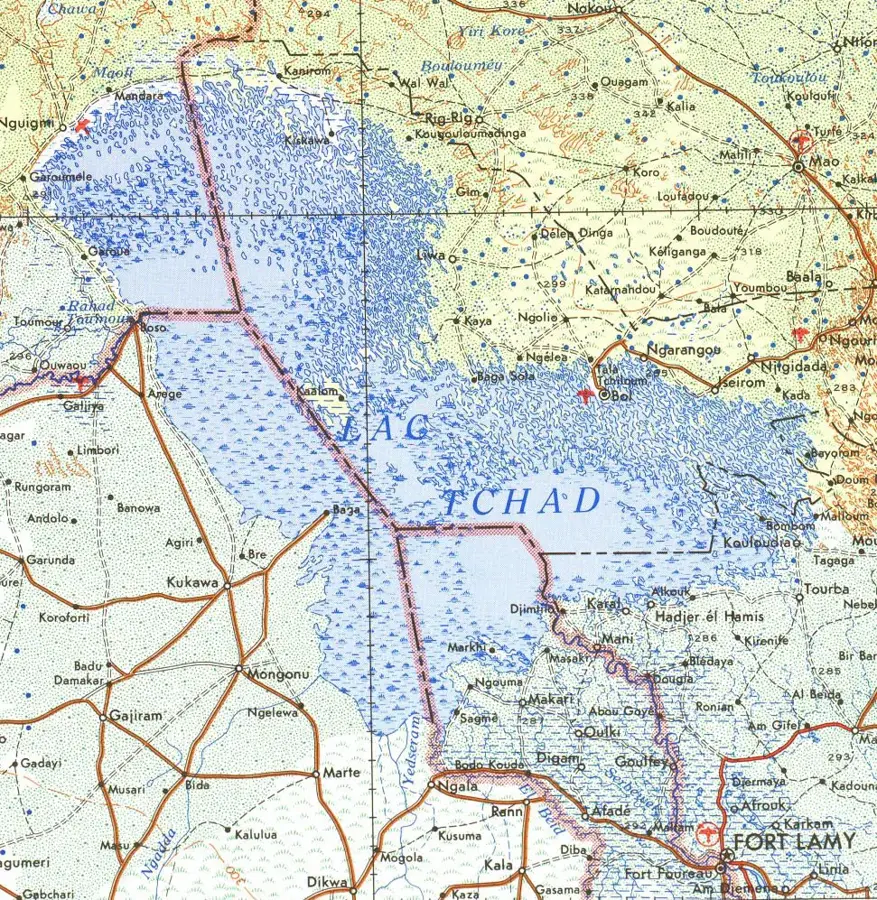
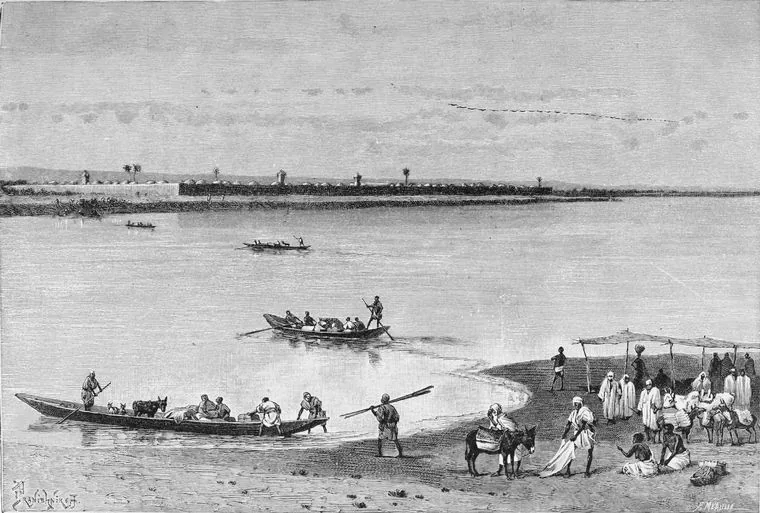
Lake Chad is a historically significant inland body of water in the heart of Central Africa, serving as a vital ecosystem for four bordering nations. Over the last six decades, the lake has experienced a dramatic reduction in surface area, from over 25,000 square kilometers in the 1960s to less than 1,500 square kilometers today during dry seasons. This endorheic basin, which has no outflow to the sea, is fed approximately 90% by the Chari River. The coastal regions are characterized by dense papyrus marshes and reed landscapes, providing habitat for a variety of migratory birds, hippos, and crocodiles. Geologically, the lake is the remnant of Mega-Lake Chad, which covered nearly one million square kilometers 7,000 years ago. For the local population of over 30 million people, the lake is the primary source of drinking water, fishing, and irrigation. Ongoing climate change and overexploitation of water resources pose an existential threat to the region. Since 2001, the area has been protected as a Ramsar Wetland of International Importance. International projects are currently examining possibilities for water transfer from the Congo Basin to prevent the complete collapse of the lake.
Best time to visit & climate
The most pleasant time to visit is Jan, Feb, Dec.
| Jan | Feb | Mar | Apr | May | Jun | Jul | Aug | Sep | Oct | Nov | Dec | |
|---|---|---|---|---|---|---|---|---|---|---|---|---|
| Avg °C | 23 | 27 | 31 | 34 | 35 | 34 | 31 | 28 | 29 | 30 | 27 | 24 |
| Rain mm | 0 | 0 | 0 | 2 | 9 | 45 | 114 | 169 | 66 | 21 | 0 | 0 |
📋 Practical info
Geography
Facts
- The maximum depth of Lake Chad is currently only about 11 meters.
- The lake borders Chad, Cameroon, Nigeria, and Niger.
- 90% of the water inflow comes from the Chari River system.
- Rare African manatees (sea cows) live in the lake.
- The altitude of the lake level is about 280 meters above sea level.
- The lake has lost over 90% of its surface area since 1963 due to desiccation.
Explore nearby
Notable places around


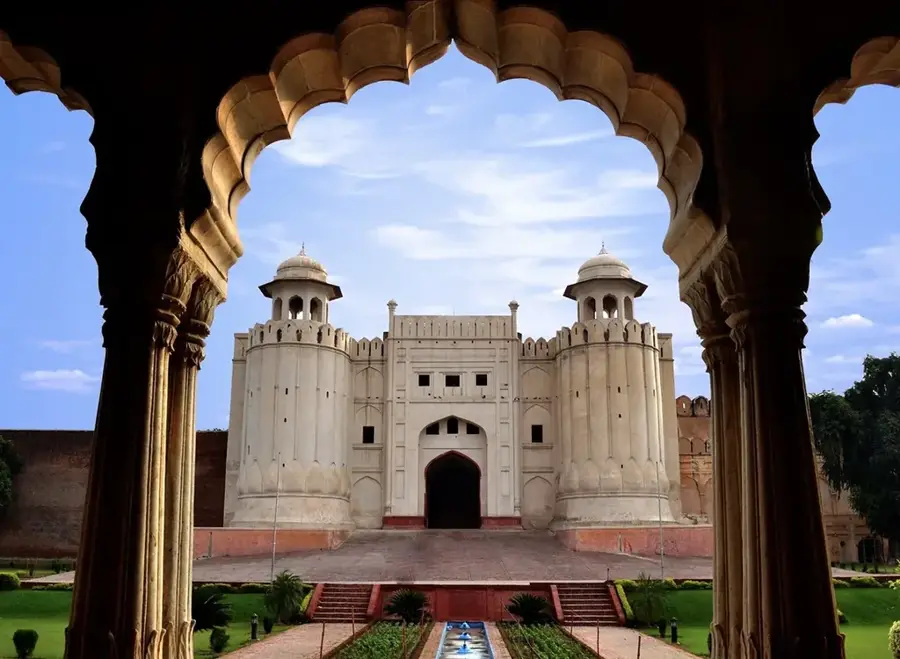
Route planner — Car & Motorhome
Where do you start? We build the route here, with stops and country notes along the way.
© OpenStreetMap contributors · OpenRouteService
Sights nearby
Frequently asked questions
How large is Lake Chad today?
Which countries border the lake?
Can you go boating on the lake?
What birds can be seen here?
Is the lake water salty?
Lake Chad: where is it located?
Lake Chad: when is the best time to visit?
Lake Chad: why is it worth visiting?

Nearby cities
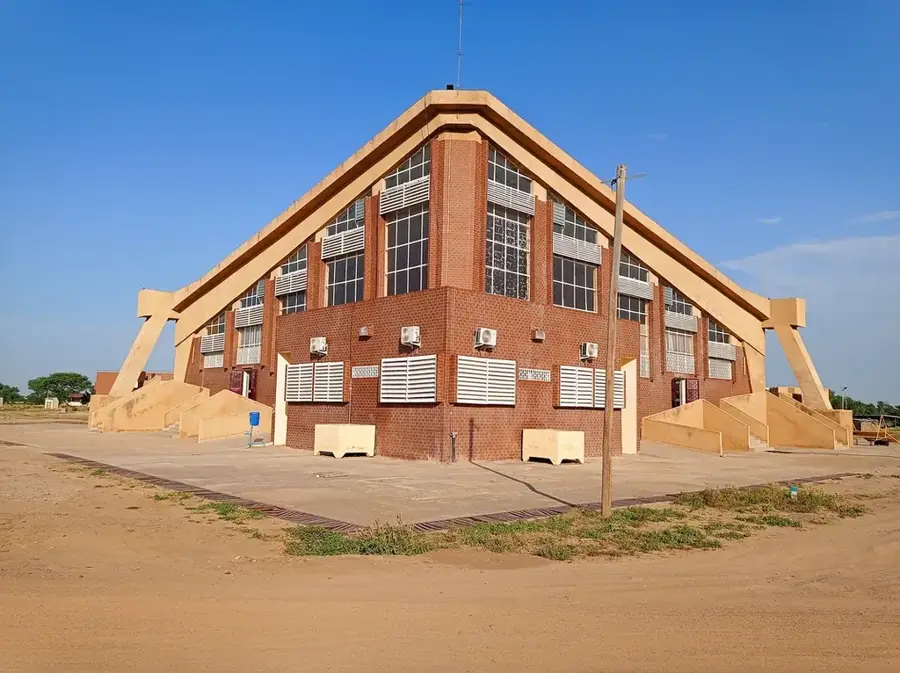
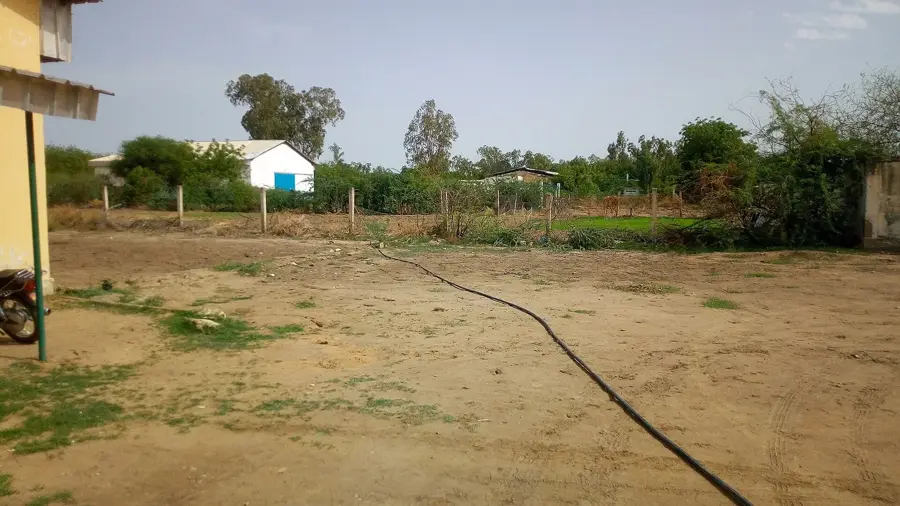
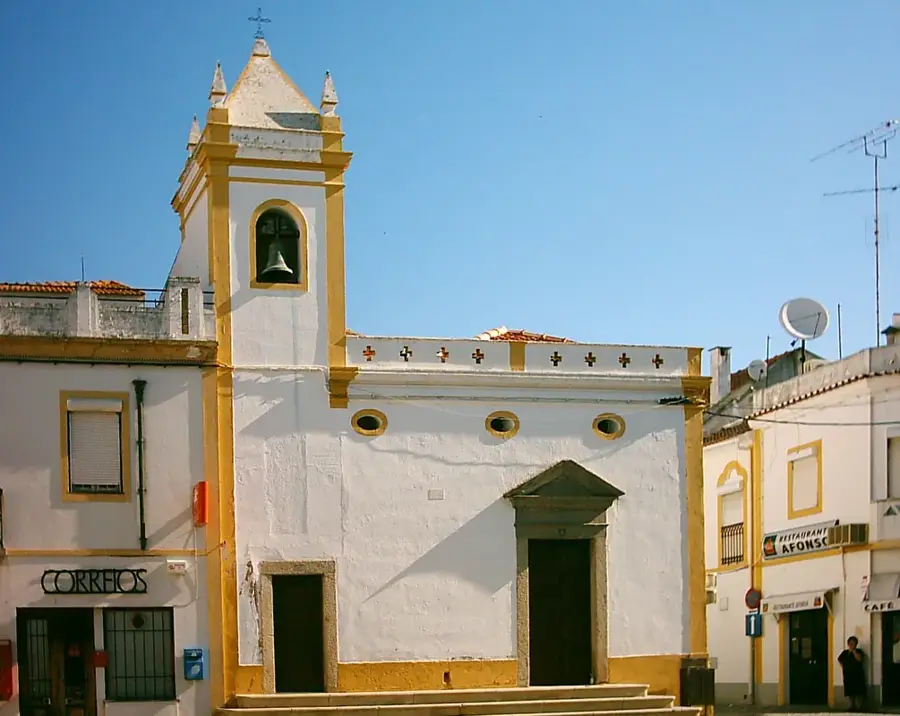

History & landmarks
Nature
More places