Plizio Visual Lab

Komadougou Yobé Lowlands
Plizio editorial teamData Sources
Relief
—°
Komadougou Yobé Lowlands (Niger)

Weather…

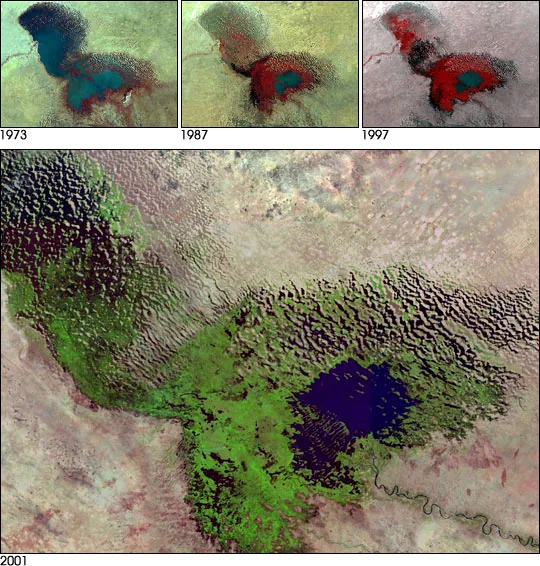
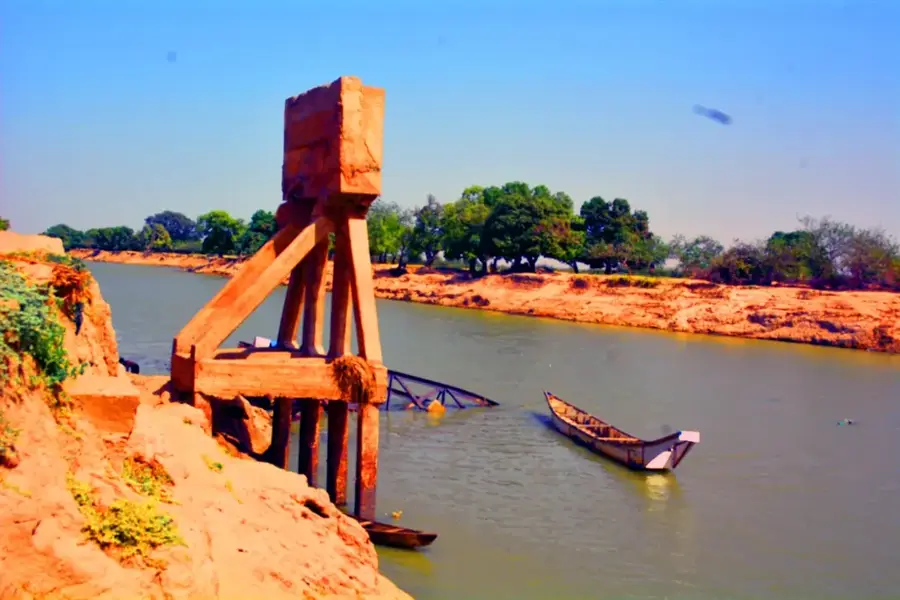
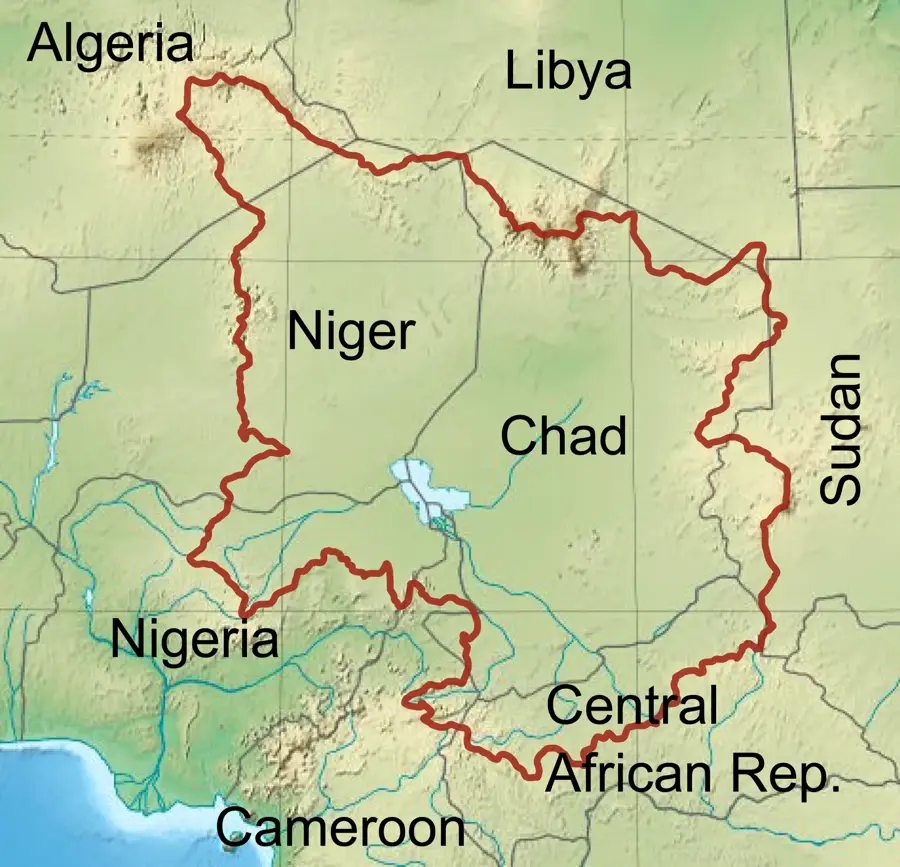
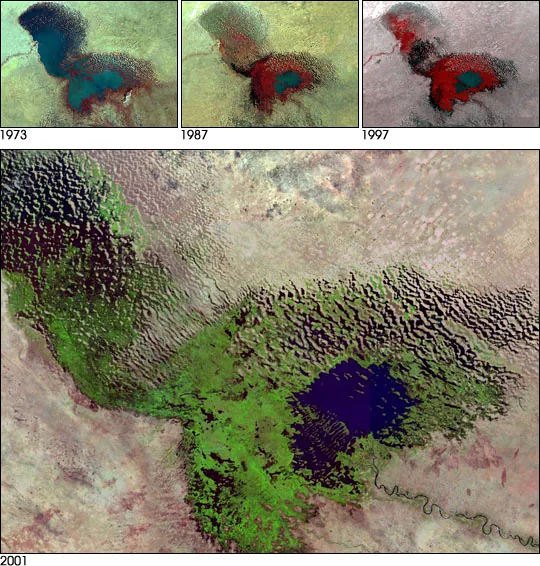
The Komadougou Yobé is a major river system that forms the international border between Niger and Nigeria, ultimately discharging into Lake Chad. It is a seasonal watercourse formed by the confluence of the Hadejia and Jama'are rivers. The lowlands along the river are characterized by extensive floodplains and seasonal wetlands that are vital to the regional economy. Despite increasing aridity and the diversion of water by upstream dams, the valley remains a critical center for fishing and irrigated agriculture. Geologically, the area is composed of Quaternary lacustrine sediments dating back to a time when Lake Chad was significantly larger. Historically, the valley was part of the Kanem-Bornu Empire's sphere of influence and served as a major trade route. The ecological richness of the valley is evidenced by the numerous species of waterfowl that use the wetlands as stopovers during migration. However, the ongoing shrinking of Lake Chad poses a severe threat to the entire ecosystem of these lowlands.

Best time to visit & climate

The most pleasant time to visit is Jan, Feb, Dec.

JanFebMarAprMayJunJulAugSepOctNovDec
Avg °C222630343534312930302723
Rain mm000183096140541300

📋 Practical info

🧭
Getting there
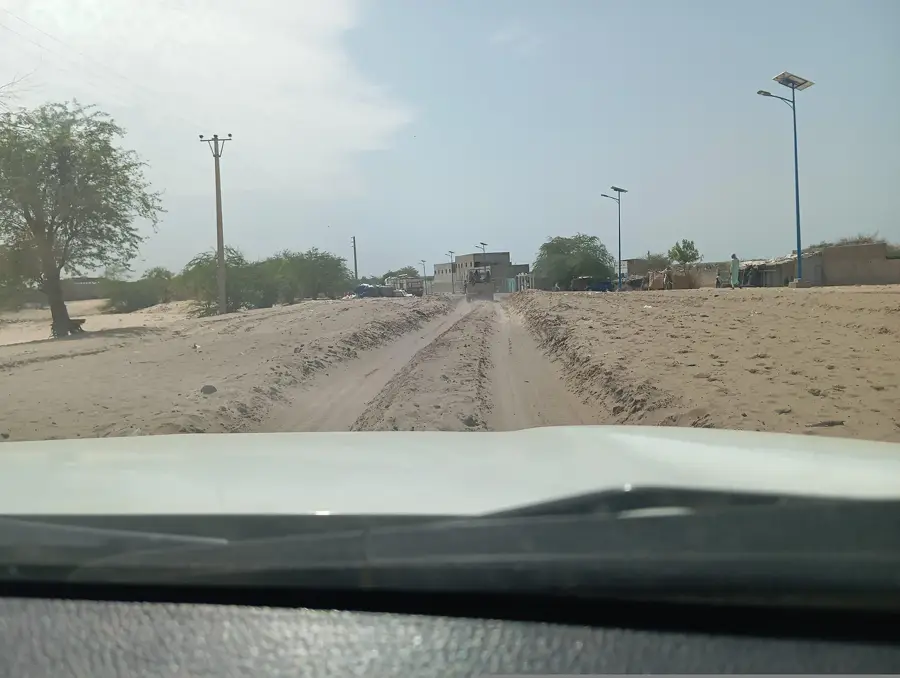
The lowlands are reached via the primary roads heading east from Zinder towards Diffa and the Lake Chad basin. Navigating the actual lowlands requires off-road capable vehicles, as formal roads give way to sandy tracks that connect nomadic camps and small farming settlements.
📅
Best season
Traveling through the lowlands is most viable during the dry and cooler months from November to February, avoiding the extreme heat of the later dry season. The short wet season, peaking in August, can cause sudden flooding in the low-lying areas, rendering many tracks impassable.
⛰️
Terrain & paths
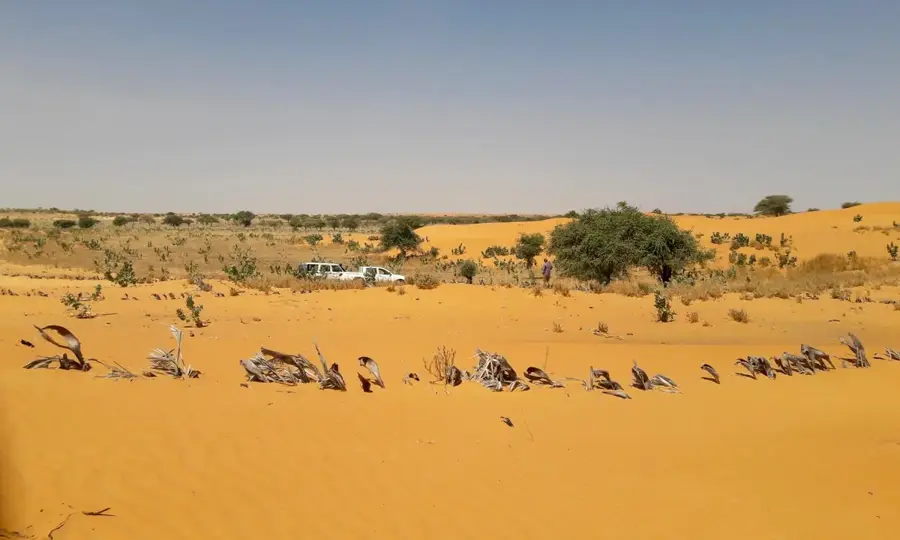
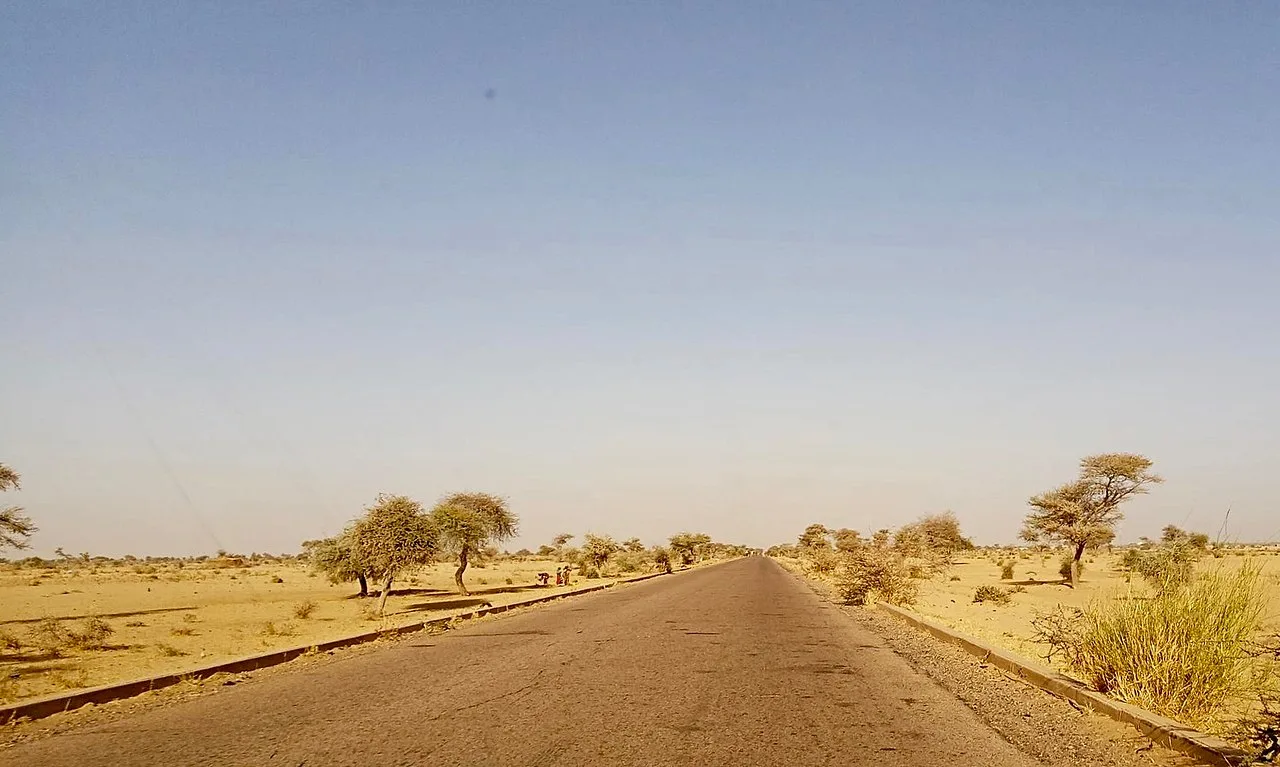
The landscape is a vast, mostly flat depression characterized by sandy soils, scattered thorny shrubs, and seasonal floodplains. The terrain features little shade or variation, and the soft sand can easily bog down vehicles that are not properly equipped for off-road travel.
🎒
What to bring
Travelers must carry extensive supplies, particularly large reserves of water and emergency provisions, given the harsh and isolated environment. Sun protection is critical, along with recovery gear for vehicles, such as sand ladders and tow ropes, when driving through the soft terrain.
🅿️
Parking
There are no formal parking areas; vehicles are parked in the open landscape or near settlements, ensuring they are on solid ground. It is essential to orient the vehicle properly and avoid depressions that might accumulate water during unexpected rain showers.
⚠️
Safety
The sheer isolation and extreme temperatures pose significant environmental risks, necessitating a reliable local guide and redundant communication equipment. The geopolitical situation in the wider basin region requires strict adherence to security protocols and travel restrictions set by local authorities.
⏱️
Time needed
Traversing or exploring the lowlands is a serious expedition that usually takes several days to a week. Such journeys require meticulous planning and are often part of a larger transit across the Sahelian landscape rather than a casual day trip.

Geography

Coordinates
13.50000, 13.00000

Facts

  • The river defines the border with Nigeria for approximately 150 kilometers.
  • It provides up to 95% of the surface water inflow to the Nigerien portion of Lake Chad.
  • The total drainage basin covers roughly 148,000 square kilometers.
  • Historically, it was a central area for the Sayfawa dynasty of the Bornu Empire.
  • Annual discharge rates have decreased significantly since the 1970s.
  • The area is an important habitat for the endangered African lungfish.

Explore nearby

Notable places around
Route planner — Car & Motorhome

Where do you start? We build the route here, with stops and country notes along the way.

Vehicle
Only stops with (optional):

© OpenStreetMap contributors · OpenRouteService

Sights nearby

Frequently asked questions

What is the Komadougou-Yobe lowlands?
An important river system that flows into Lake Chad.
Is the region safe for tourists?
Currently, the area is not recommended due to the security situation.
Can you see the river?
Yes, from accessible points the river course is clearly visible.
Is there wildlife to observe there?
Yes, especially birdlife is very diverse in the wetlands.
Is the water clean?
No, it is a natural watercourse; the water is not drinkable.
Komadougou Yobé Lowlands: where is it located?
Komadougou Yobé Lowlands is located in Niger.
Komadougou Yobé Lowlands: when is the best time to visit?
The most pleasant time to visit is Jan, Feb, Dec.
Komadougou Yobé Lowlands: why is it worth visiting?

The Komadougou Yobé is a major river system that forms the international border between Niger and Nigeria, ultimately discharging into Lake Chad.
View on map → The Top 50 Attractions → OpenStreetMap →
Africa
Explore with Plizio Discover more places in Africa
More places in Niger →

Nature

More places