Plizio Visual Lab

Torotoro National Park
Plizio editorial teamData Sources
Animal habitat
—°7
Torotoro National Park (Bolivia)

Weather…

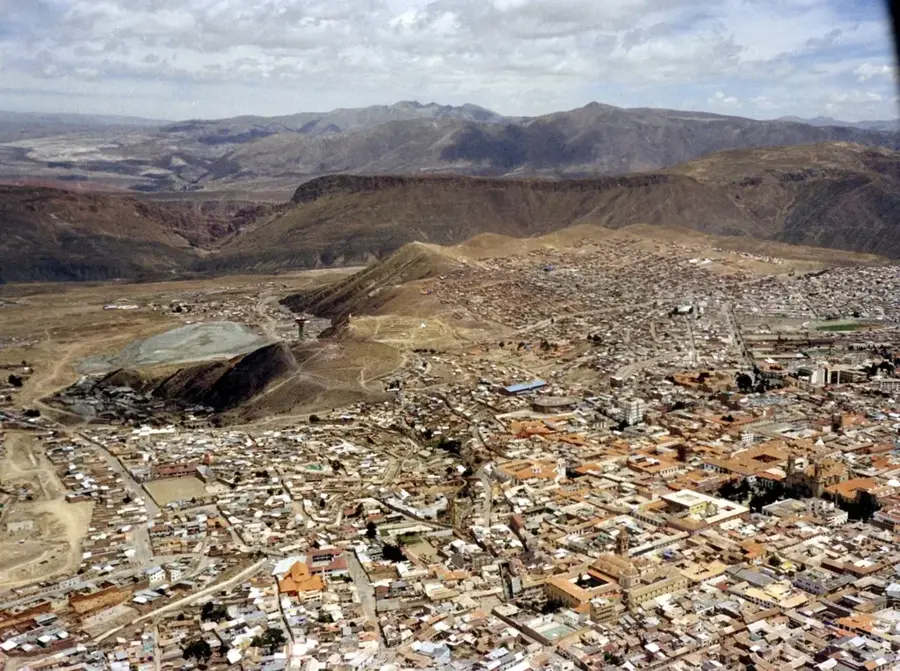
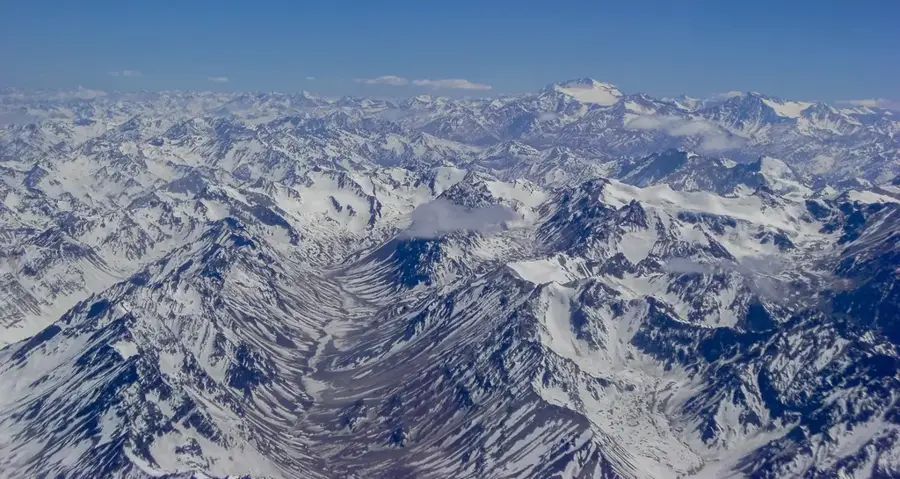
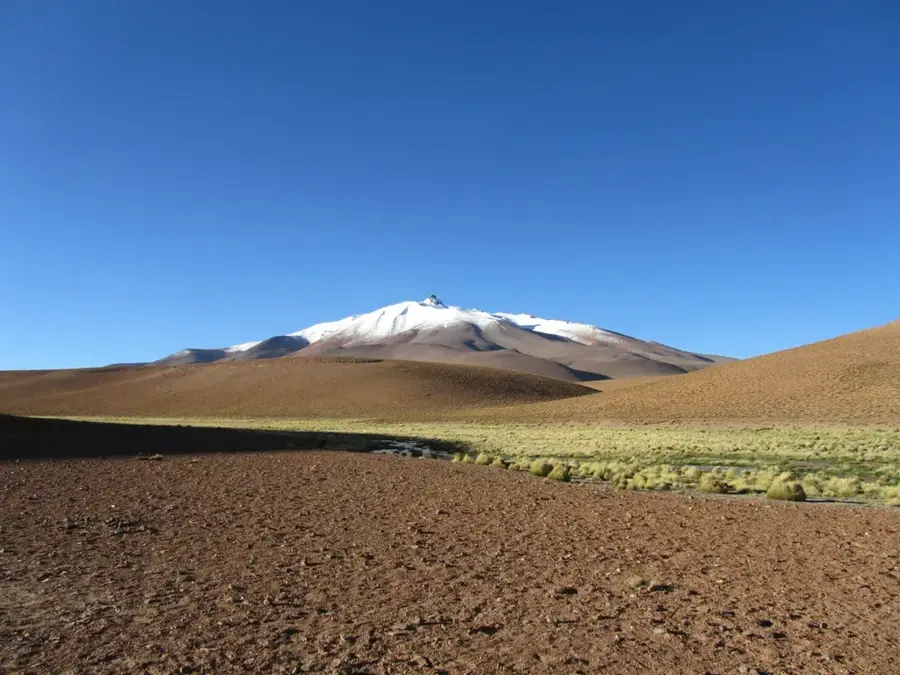
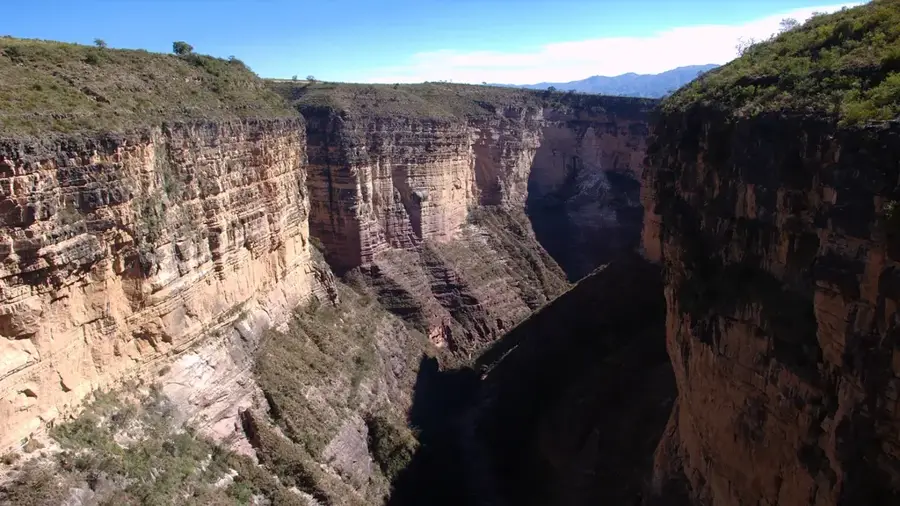
Torotoro National Park, located in the Potosí Department, is a paradise for geologists, paleontologists, and adventure seekers. Spanning 165 square kilometers in the Eastern Cordillera of the Andes, the park features a surreal landscape of deep canyons, bizarre rock formations, and massive cave systems like Uma Jalanta. Torotoro is most famous for its exceptionally well-preserved dinosaur footprints, found throughout the park on fossilized surfaces, testifying to a time when the region was a lush coastal area. Another highlight is the Torotoro Canyon, a vast gorge where red-fronted macaws can be spotted, leading to spectacular waterfalls such as El Vergel. The park's geological history spans millions of years, evident in the diverse sedimentary layers and fossils of ancient marine life. Managed by the local community, the park gives an authentic experience of Bolivia's natural heritage. The combination of prehistoric tracks, speleological wonders, and sweeping scenery makes Torotoro one of the most unique protected areas in the country.

Best time to visit & climate

The most pleasant time to visit is Sep–Nov.

JanFebMarAprMayJunJulAugSepOctNovDec
Avg °C121212111088911131313
Rain mm1029253206455814253281

📋 Practical info

📅
Best season
Torotoro National Park is best visited during the dry season from May to October. During these months the trails are dry and views of the canyons and caves are optimal.
🌅
Best time of day
Early morning is handy for watching condors and other birds in the gorges. Late afternoon the light paints the red rock formations in warm colours, offering fantastic photo subjects.
📜
Etiquette
Always stay on marked trails - the park has deep canyons and unstable rock edges. Do not touch fossils or cave paintings; they are protected by law.
🎒
What to bring
Sturdy footwear and a headlamp are essential for cave visits. Bring plenty of water as temperatures in the gorge can be high - at least 2 litres per person.
🧭
Getting there
The park is about 140 km from Cochabamba and accessible by bus or private vehicle. The drive takes around 3-4 hours, partly on unpaved roads.
🦌
What to expect
Condors and other raptors are not always visible immediately - find a quiet viewpoint and wait. The dinosaur fossils are impressive but also require a patient eye to spot details.

Geography

Coordinates
-18.13330, -65.76450

Facts

  • Torotoro National Park was officially established in 1989.
  • Uma Jalanta is the deepest cave in Bolivia, with over 4 kilometers of explored passages.
  • Researchers have documented more than 2,500 individual dinosaur footprints in the park.
  • The Torotoro Canyon reaches depths of up to 300 meters.
  • The park contains fossilized remains of marine life, such as brachiopods and trilobites.
  • Elevation in the park ranges from 2,000 to 3,500 meters above sea level.

Explore nearby

Notable places around
Route planner — Car & Motorhome

Where do you start? We build the route here, with stops and country notes along the way.

Vehicle
Only stops with (optional):

© OpenStreetMap contributors · OpenRouteService

Sights in the town Torotoro National Park (7)

Caverna Umajalanta📍 landmark

Bolivia's deepest limestone cave system, featuring underground waterfalls and blind catfish in its dark depths.

💶

Huellas de Dinosaurios📍 landmark

Fossilized trackways embedded in the rock where large theropod and sauropod dinosaurs walked millions of years ago.

Cima Cerro Ararias 3875 msnm🌿 nature

A sweeping panoramic viewpoint situated on a 3,875-meter high peak overlooking the dramatic canyons of the national park.

Mirador Arco de piedra🌿 nature

A dramatic scenic lookout positioned next to a massive, naturally eroded rock archway over the gorge.

Fósiles Marinos📍 landmark

Ancient marine shell and coral fossils exposed in the rock formations, proving this high-altitude region was once an ocean floor.

Amazing viewpoint🌿 nature

A high-altitude lookout platform offering unobstructed vistas across the deep, rust-colored limestone canyons of Torotoro.

Museo Pachamama Wasi🏛 museum

A unique museum displaying an extensive private collection of local fossils and intricate stone carvings.

Sights nearby

Frequently asked questions

What can you see in Torotoro?
Dinosaur footprints, deep canyons, caves, and impressive rock formations.
Do you need a guide?
Yes, access to the park is only allowed with an official guide from the tourism office in the village.
How difficult are the hikes?
The hikes are moderate but require good physical condition and sturdy boots for rocky terrain.
When is the best time to visit?
During the dry season (May to October), as trails can be slippery or impassable when it rains.
How do you reach the park?
Mostly by minibus (trufi) from Cochabamba; the journey takes about 4 to 5 hours.
Torotoro National Park: where is it located?
Torotoro National Park is located in Bolivia.
Torotoro National Park: what is there to see?
Highlights include Caverna Umajalanta, Huellas de Dinosaurios, Cima Cerro Ararias 3875 msnm.
Torotoro National Park: when is the best time to visit?
The most pleasant time to visit is Sep, Nov.
Torotoro National Park: why is it worth visiting?
Torotoro National Park, located in the Potosí Department, is a paradise for geologists, paleontologists, and adventure seekers.
View on map → The Top 50 Attractions → OpenStreetMap →
South America
Explore with Plizio Discover more places in South America
More places in Bolivia →

History & landmarks

Nature

More places