Plizio Visual Lab
Lípez Quinoa Fields
Weather…
Water temperature…
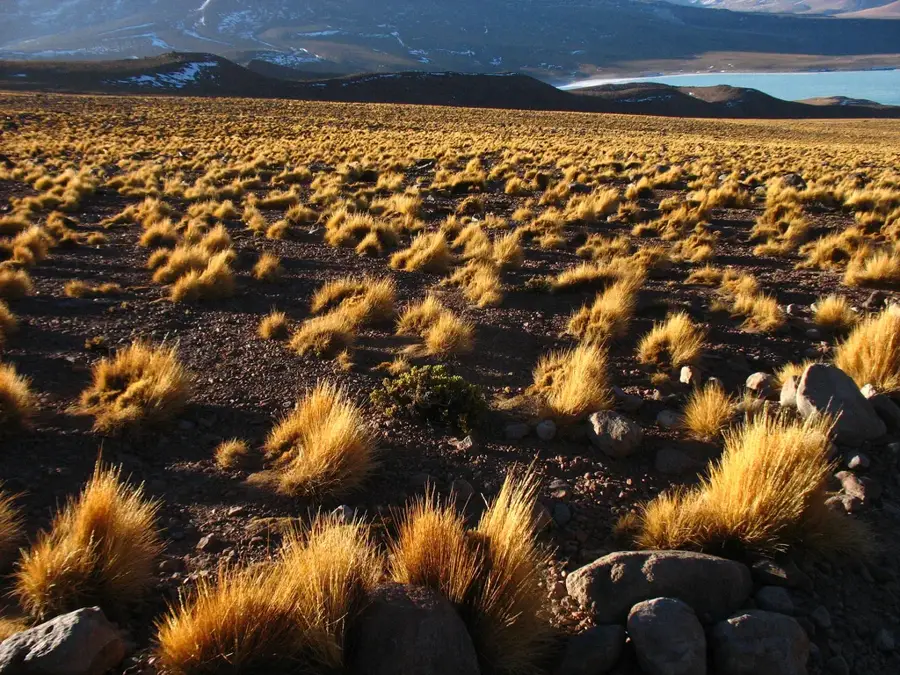
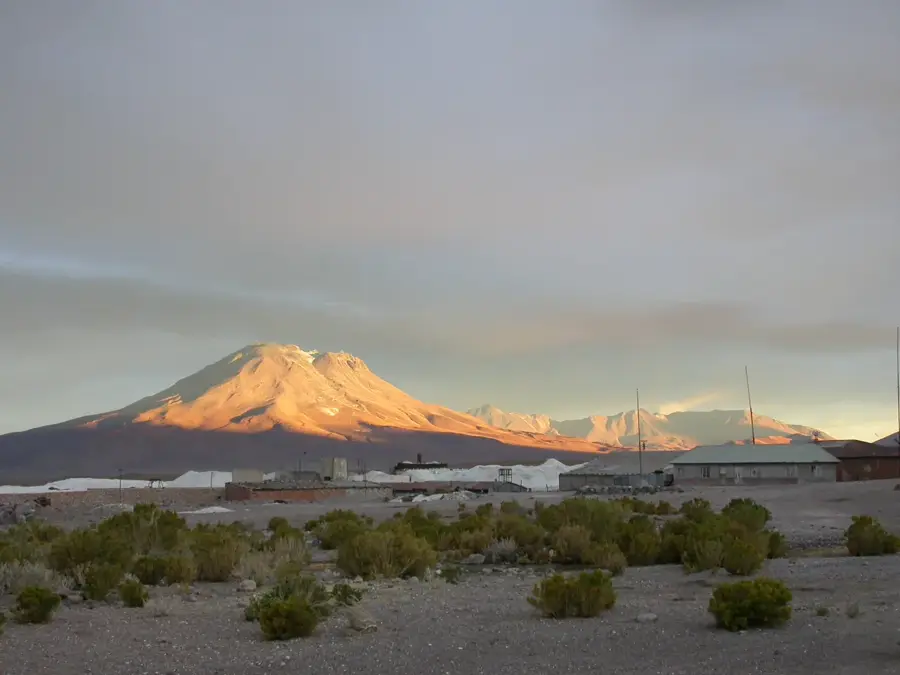
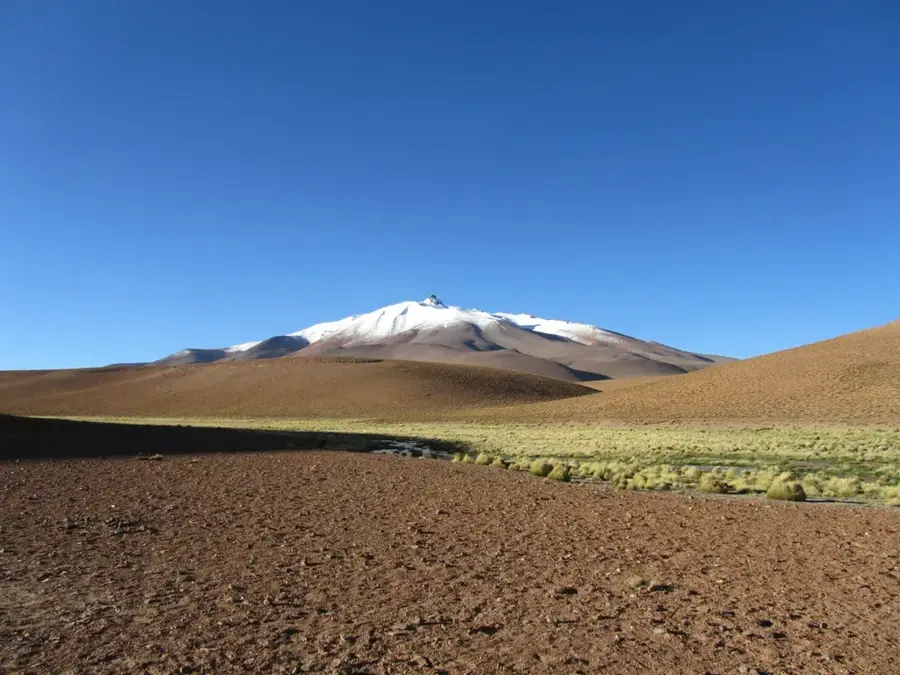
The quinoa fields in the Lípez region of the Bolivian Altiplano, in the Potosí Department, represent one of the most extreme agricultural areas in the world. At altitudes exceeding 3,600 meters, 'Quinoa Real' (Royal Quinoa) is grown here, a variety that thrives only in this specific saline and volcanic environment. Despite the barren soils, low rainfall, and severe frosts, indigenous communities have developed techniques over millennia to cultivate this nutrient-rich pseudocereal. Lípez quinoa is characterized by larger grains and a higher nutritional value compared to other varieties. In recent decades, the global demand for quinoa has led to an economic upswing in the region, but it also presents farmers with challenges regarding soil erosion and sustainable cultivation methods. Harvesting is often still done traditionally by hand to preserve the quality of the delicate grains.
Best time to visit & climate
The most pleasant time to visit is Jan, Nov, Dec.
| Jan | Feb | Mar | Apr | May | Jun | Jul | Aug | Sep | Oct | Nov | Dec | |
|---|---|---|---|---|---|---|---|---|---|---|---|---|
| Avg °C | 12 | 12 | 11 | 8 | 4 | 3 | 3 | 4 | 6 | 9 | 11 | 12 |
| Rain mm | 53 | 48 | 32 | 6 | 1 | 0 | 1 | 1 | 3 | 8 | 11 | 33 |
📋 Practical info
Geography
Facts
- Royal Quinoa grows exclusively in the southern Bolivian highlands.
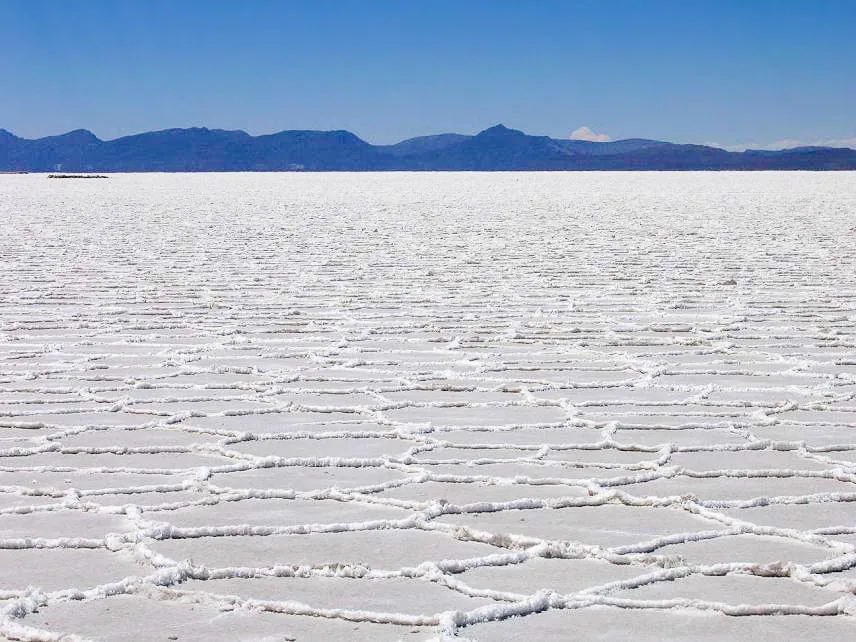
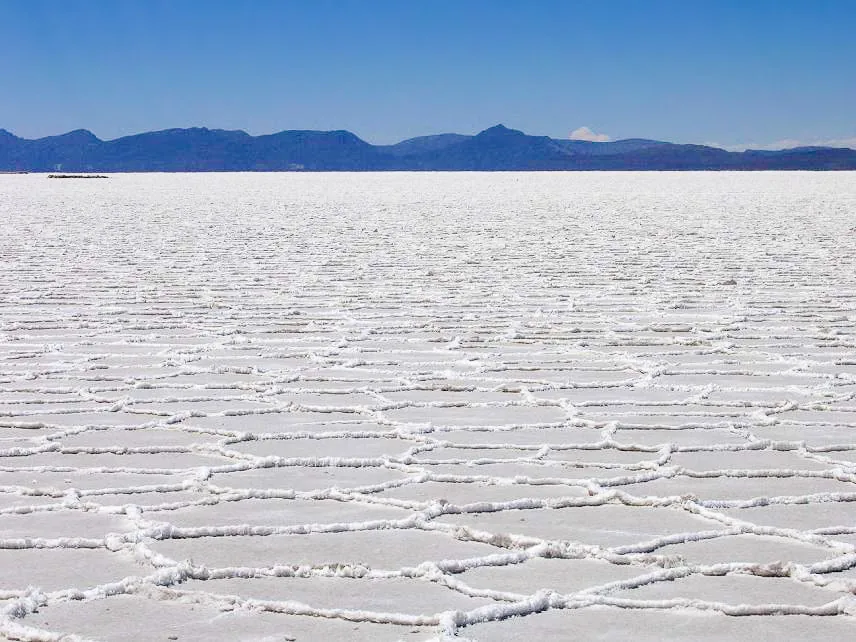
- Cultivation areas are mostly located near the large salt flats (salares).
- The plants can survive temperatures as low as -8 °C (17.6 °F).
- Bolivia was for a long time the world's leading exporter of organic quinoa.
- Quinoa contains all nine essential amino acids required by humans.
- Sowing begins in September, and the harvest takes place in April.
Explore nearby
Notable places around
Route planner — Car & Motorhome
Where do you start? We build the route here, with stops and country notes along the way.
© OpenStreetMap contributors · OpenRouteService
Sights nearby
Frequently asked questions
What is Quinoa Real?
When do the quinoa fields bloom?
At what altitude does quinoa grow here?
Can you visit the fields?
Why is quinoa important for Bolivia?
Lípez Quinoa Fields: where is it located?
Lípez Quinoa Fields: when is the best time to visit?
Lípez Quinoa Fields: why is it worth visiting?
History & landmarks
Nature
More places