Plizio Visual Lab

Cordillera de Lípez
Plizio editorial teamData Sources
Mountain
—°4
Cordillera de Lípez (Bolivia)

Weather…

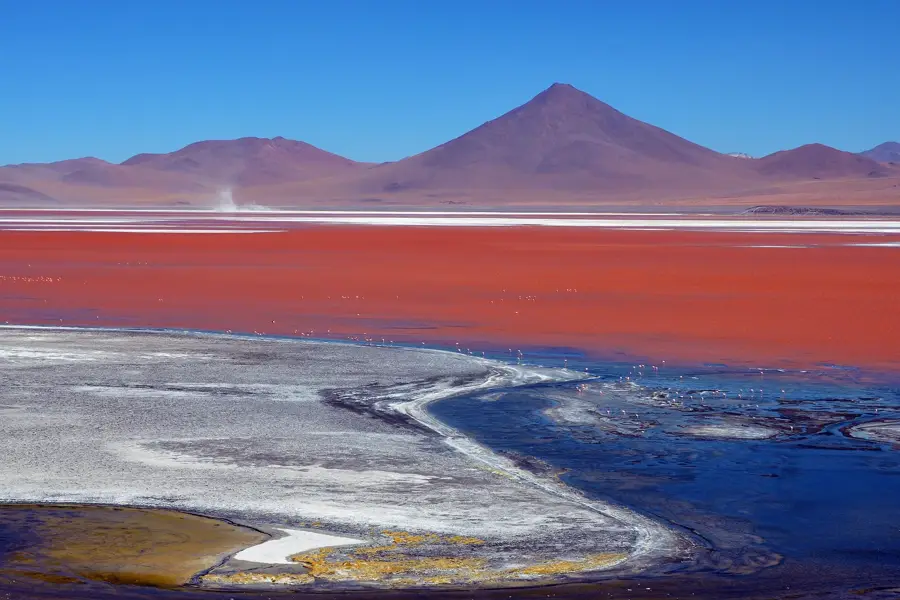
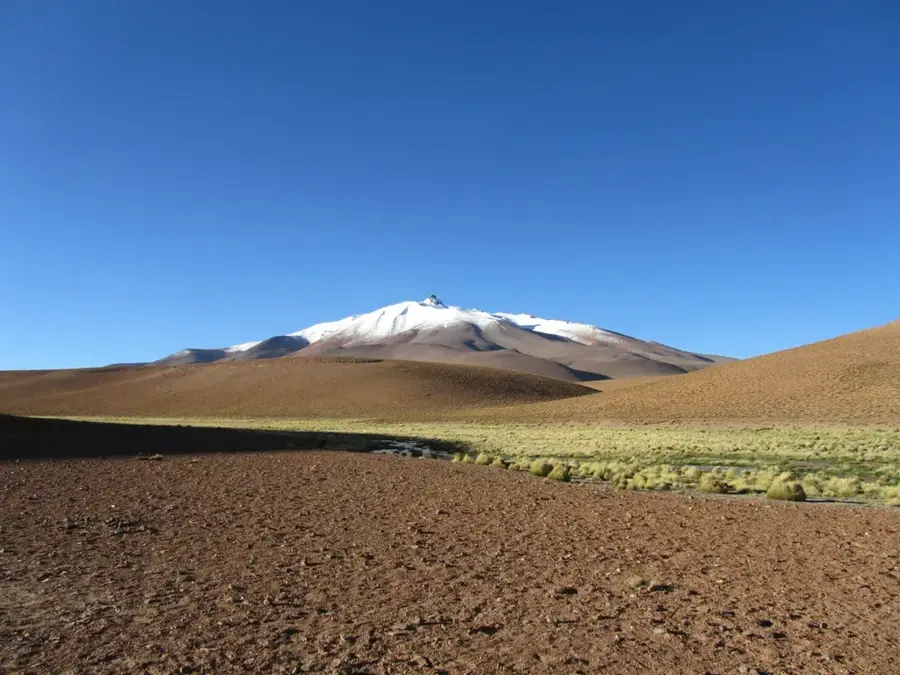
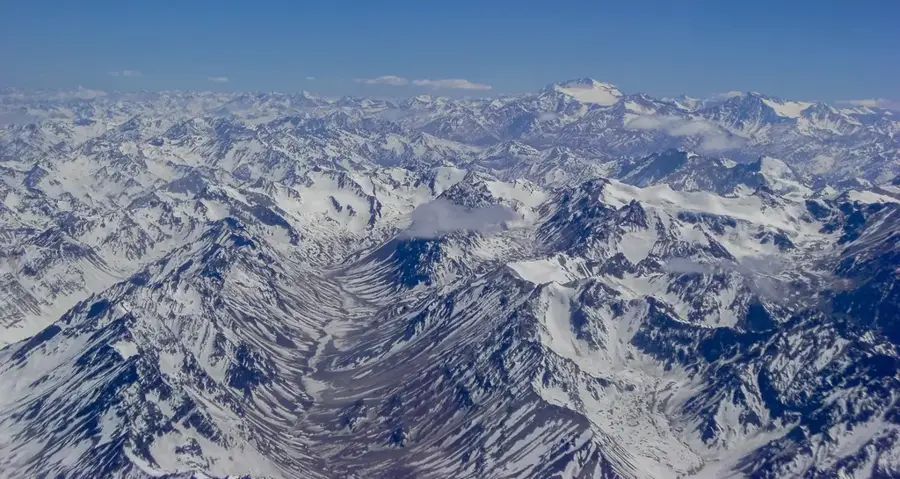
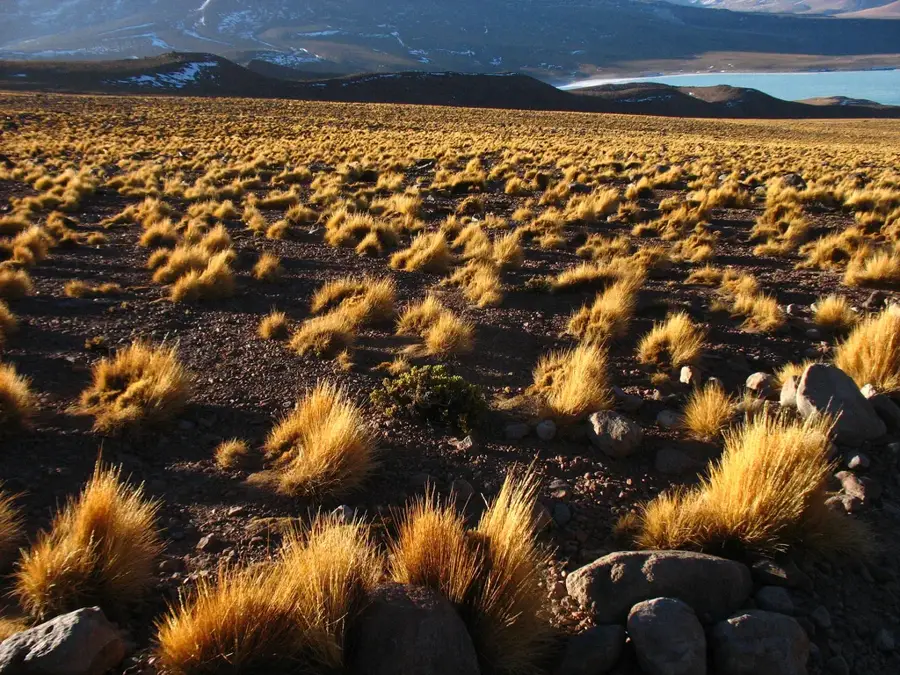
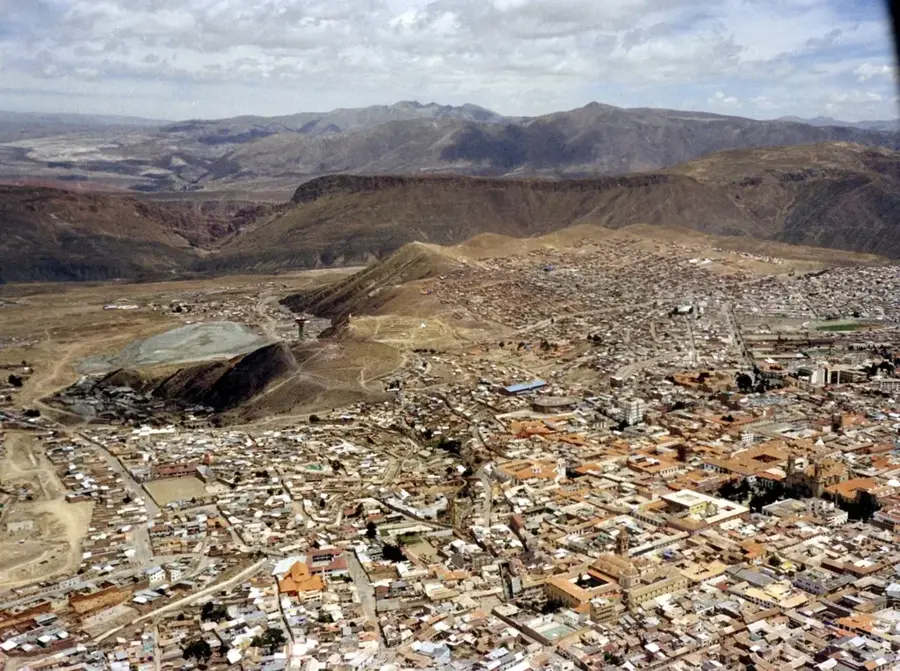
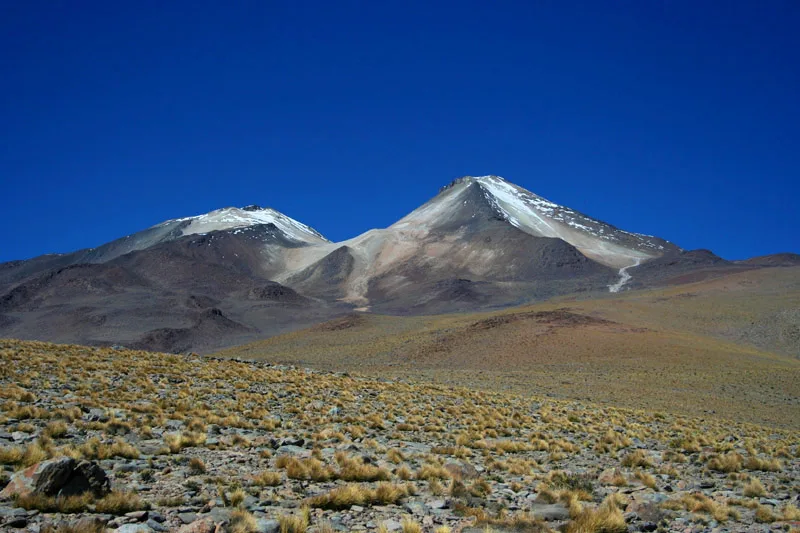
The Cordillera de Lípez is an impressive mountain range in the far southwest of Bolivia, located in the Potosí Department near the borders with Argentina and Chile. This high-altitude region is part of the Western Cordillera of the Andes and is characterized by extreme aridity and a volcanic landscape. Peaks reach heights of over 5,000 and 6,000 meters, including Uturuncu, which is known for its geothermal activity. Historically, the region was sparsely populated due to its harsh conditions but played a role in regional trade and mining. The landscape is defined by high deserts, colorful lagoons such as Laguna Colorada, and bizarre rock formations. Ecologically, despite the extreme cold and dryness, the area is home to specialized species like flamingos, vicuñas, and the Andean condor. Scientists study volcanic processes and the effects of high-altitude UV radiation here. Today, the Cordillera de Lípez is a major destination for adventure tourism, offering some of the most pristine and wild landscapes in South America.

Best time to visit & climate

The most pleasant time to visit is Mar, Nov, Dec.

JanFebMarAprMayJunJulAugSepOctNovDec
Avg °C877410-102578
Rain mm665437710113111647

📋 Practical info

🧭
Getting there
Access to the remote Cordillera de Lípez is typically arranged via multi-day 4x4 tours starting from Uyuni or Tupiza, traversing very rough, sandy, and unpaved high-desert terrain.
📅
Best season
The dry season from May to November is good for travel. Though daytime skies are brilliantly clear, nighttime temperatures drop well below freezing, requiring serious preparation.
⛰️
Terrain & paths
The landscape features an extreme mix of barren volcanic plains, salt flats, colored mineral lagoons, and geyser fields. Roads are little more than heavily rutted tracks in the desert dust.
🎒
What to bring
Pack exceptionally warm clothing, heavy jackets, and thermal undergarments. High-SPF sunscreen, sunglasses, lip balm, and massive amounts of bottled water are equally critical for the high altitude.
🅿️
Parking
There is virtually no organized parking. Tour vehicles simply stop at various natural viewpoints, lagoons, or rudimentary desert lodges scattered across this immense volcanic region.
⚠️
Safety
Altitude sickness and extreme overnight cold are the main hazards. Travelers must acclimatize slowly and never wander far from their tour vehicle, as the landscape is incredibly disorienting.
⏱️
Time needed
To fully appreciate the colored lagoons and volcanic formations, a standard guided tour typically spans 3 to 4 days, crossing vast distances of high-altitude desert each day.

Geography

Coordinates
-21.80000, -66.80000

Facts

  • Uturuncu is the highest peak in the Cordillera de Lípez at 6,008 m.
  • The region is home to Laguna Colorada, famous for its red algae coloration.
  • It is part of the Eduardo Avaroa National Andean Fauna Reserve (REA).
  • The average elevation of the Altiplano plateau here is around 4,200 m.
  • Volcanic gases and fumaroles on Uturuncu indicate an active magma system.
  • Temperatures can drop below -25°C at night during the winter.

Explore nearby

Notable places around
Route planner — Car & Motorhome

Where do you start? We build the route here, with stops and country notes along the way.

Vehicle
Only stops with (optional):

© OpenStreetMap contributors · OpenRouteService

Sights in the town Cordillera de Lípez (4)

Blanca Mine Camp (abandoned)📍 landmark

The deserted ruins of a former high-altitude mining settlement left exposed to the harsh elements of the Andean plateau.

ex Estancia Yuraj Khakha🏺 historical

The crumbling stone foundations of an old pastoral settlement located deep in the remote Cordillera de Lípez.

Antigua Estancia San Antonio de Lípez🏺 historical

The abandoned, weather-beaten remnants of a remote high-altitude village built during the colonial mining era.

Capilla de Relave📍 landmark

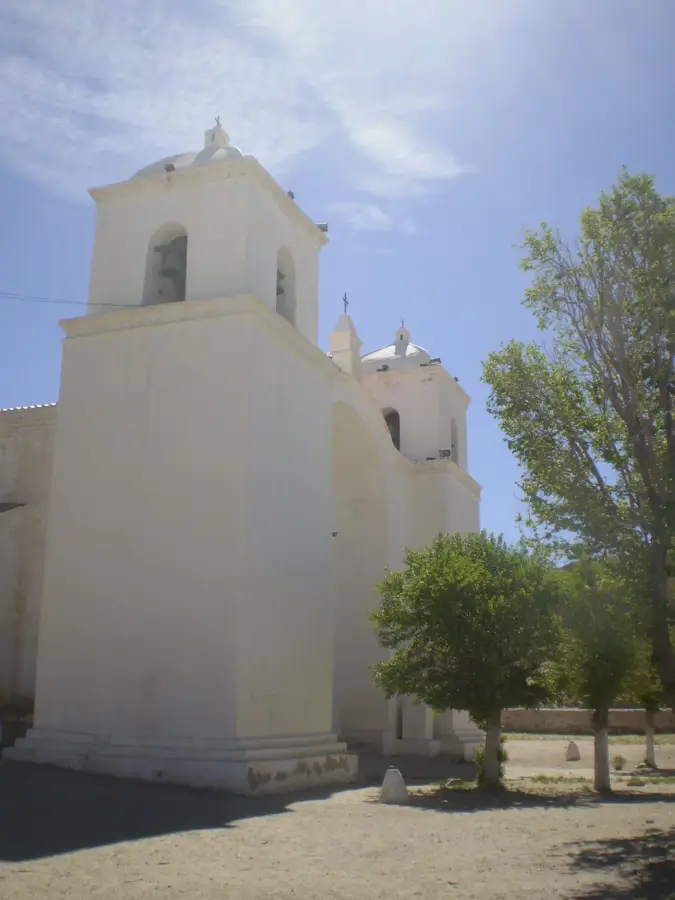
A small, isolated Christian chapel standing among the stark, high-altitude mining landscapes of the Cordillera de Lípez.

Sights nearby

Frequently asked questions

What are the highlights of this cordillera?
Colorful lagoons, geysers, and surreal desert landscapes.
How cold does it get there?
At night in winter, it can drop to -25 degrees Celsius.
How to travel through Lípez?
Almost exclusively with organized 3- to 4-day jeep safaris from Uyuni.
Are there hotels there?
Only simple guest houses (refugios) with limited electricity and water.
What should I pack?
Warmest clothing, sleeping bag, headlamp, and lip balm for the dryness.
Cordillera de Lípez: where is it located?
Cordillera de Lípez is located in Bolivia.
Cordillera de Lípez: what is there to see?
Highlights include Blanca Mine Camp (abandoned), ex Estancia Yuraj Khakha, Antigua Estancia San Antonio de Lípez.
Cordillera de Lípez: when is the best time to visit?
The most pleasant time to visit is Mar, Nov, Dec.
Cordillera de Lípez: why is it worth visiting?
The Cordillera de Lípez is an impressive mountain range in the far southwest of Bolivia, located in the Potosí Department near the borders with Argentina and Chile.
View on map → The Top 50 Attractions → OpenStreetMap →
South America
Explore with Plizio Discover more places in South America
More places in Bolivia →

History & landmarks

Nature

More places