Plizio Visual Lab

Madre de Dios River
Plizio editorial teamData Sources
River
—°9
Madre de Dios River (Bolivia)

Weather…

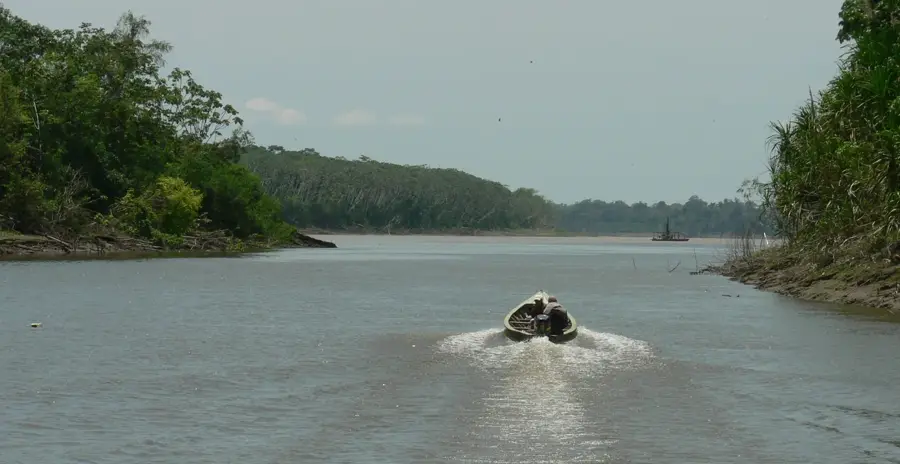
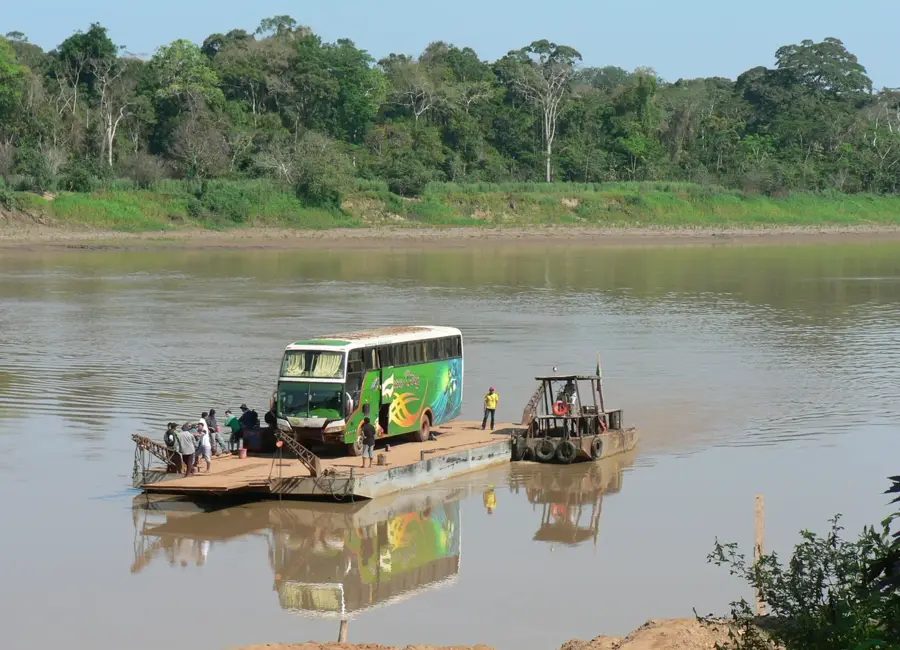
The Madre de Dios River is a massive waterway originating in the Peruvian Andes and flowing through northern Bolivia before emptying into the Beni River. Spanning a total length of approximately 1,130 kilometers, it drains a significant portion of the southwestern Amazon basin. The river is renowned for the pristine rainforests along its course, which are among the most biodiverse regions on Earth. In Bolivia, it traverses the Pando Department, providing a home to numerous endangered species, including giant otters and jaguars. Economically, the Madre de Dios is crucial for gold mining and the transportation of Brazil nuts, one of the region's top exports. River navigation is the primary mode of transport for many remote communities, though it can be challenging due to shifting sandbars and seasonal water level changes. Its name, Spanish for 'Mother of God', reflects its historical significance since the colonial era as a gateway into the deep Amazonian interior.

Best time to visit & climate

The most pleasant time to visit is May–Jul.

JanFebMarAprMayJunJulAugSepOctNovDec
Avg °C262525252525262830292726
Rain mm2572752371467723162666132186253

📋 Practical info

🧭
Getting there
Access to this important Amazon basin waterway typically requires booking a regional boat journey or taking a guided excursion from established river ports in northern Bolivia or Peru.
📅
Best season
The dry season is usually the most favorable time to navigate the river, as water levels stabilize and the surrounding wildlife tends to congregate closer to the visible banks.
⛰️
Terrain & paths
Visitors will generally encounter muddy shorelines, dense surrounding tropical vegetation, and shifting river currents that require an experienced local navigator for safe passage.
🎒
What to bring
It is essential to pack reliable insect repellent, lightweight sun-protective clothing, waterproof bags to keep electronics dry, and robust binoculars for spotting distant wildlife.
🅿️
Parking
Vehicles are typically left in secure lots or at accommodations within the major starting towns along the riverbanks, as land transport ends where the main river expeditions begin.
⚠️
Safety
Travelers should remain cautiously aware of potential vector-borne diseases by ensuring appropriate vaccinations, and always strictly follow the safety instructions of their licensed boat operators.
⏱️
Time needed
A typical excursion exploring this vast Amazonian river region often spans multiple days, usually taking anywhere from two to five days depending on the chosen route and logistics.

Geography

Coordinates
-11.01600, -66.08300

Facts

  • The river has a total length of approximately 1,130 kilometers.
  • Originates in the Peruvian Andes near the city of Cusco.
  • Confluences with the Beni River at the town of Riberalta.
  • Major transport route for the region's Brazil nut industry.
  • The basin is a global hotspot for biodiversity and conservation.
  • Gold mining is a significant economic driver along its banks.

Explore nearby

Notable places around
Route planner — Car & Motorhome

Where do you start? We build the route here, with stops and country notes along the way.

Vehicle
Only stops with (optional):

© OpenStreetMap contributors · OpenRouteService

Sights in the town Madre de Dios River (9)

Planta Electrica Usina El Palmar📍 landmark

This industrial power plant facility plays a crucial role in providing electricity to the communities along the Madre de Dios River.

Monumento al Pacahuara🏺 historical

A prominent monument in the Riberalta region honoring the indigenous Pacahuara people and their deep roots in the Amazon basin.

Monumento a la Castaña🏺 historical

A sculptural tribute to the Brazil nut industry, celebrating the crucial economic role of wild chestnut harvesting in the Bolivian Amazon.

Puerto Capitanía📍 landmark

A bustling riverine port building where boats navigate the Madre de Dios and Beni rivers, serving as a vital transport hub.

Monumento a la Mujer🏺 historical

This civic monument pays tribute to the resilient women of the Bolivian Amazon, standing proudly as a public cultural symbol.

La Iglesia de Jesucristo de los Santos de los Últimos Días📍 landmark

A modern brick meetinghouse of the Latter-day Saints providing a place for Christian congregational worship in the tropical town.

Kingdom Hall of Jehovah's Witnesses⛪ religious

A modestly designed Kingdom Hall serving as the local worship center and Bible education facility for Jehovah's Witnesses in the area.

Mercado Riberalta🎭 culture

A large, bustling Amazonian market in Riberalta offering an abundance of tropical fruits, freshly caught river fish, and harvested Brazil nuts.

Mercado San José🎭 culture

This neighborhood market provides the local San José district with daily access to fresh meats, regional vegetables, and essential household items.

Sights nearby

Frequently asked questions

Where is the Río Madre de Dios located?
In the extreme north of Bolivia and southeastern Peru.
Which city is an important port on the river?
Riberalta is an important center for the Brazil nut industry.
Is the area biologically diverse?
Yes, it is one of the most biodiverse regions of the Amazon.
Is there gold mining there?
Unfortunately yes, which often leads to mercury pollution in the water.
Can you take jungle tours there?
Yes, there are lodges that offer nature viewing tours.
Madre de Dios River: where is it located?
Madre de Dios River is located in Bolivia.
Madre de Dios River: what is there to see?
Highlights include Planta Electrica Usina El Palmar, Monumento al Pacahuara, Monumento a la Castaña.
Madre de Dios River: when is the best time to visit?
The most pleasant time to visit is May, Jul.
Madre de Dios River: why is it worth visiting?
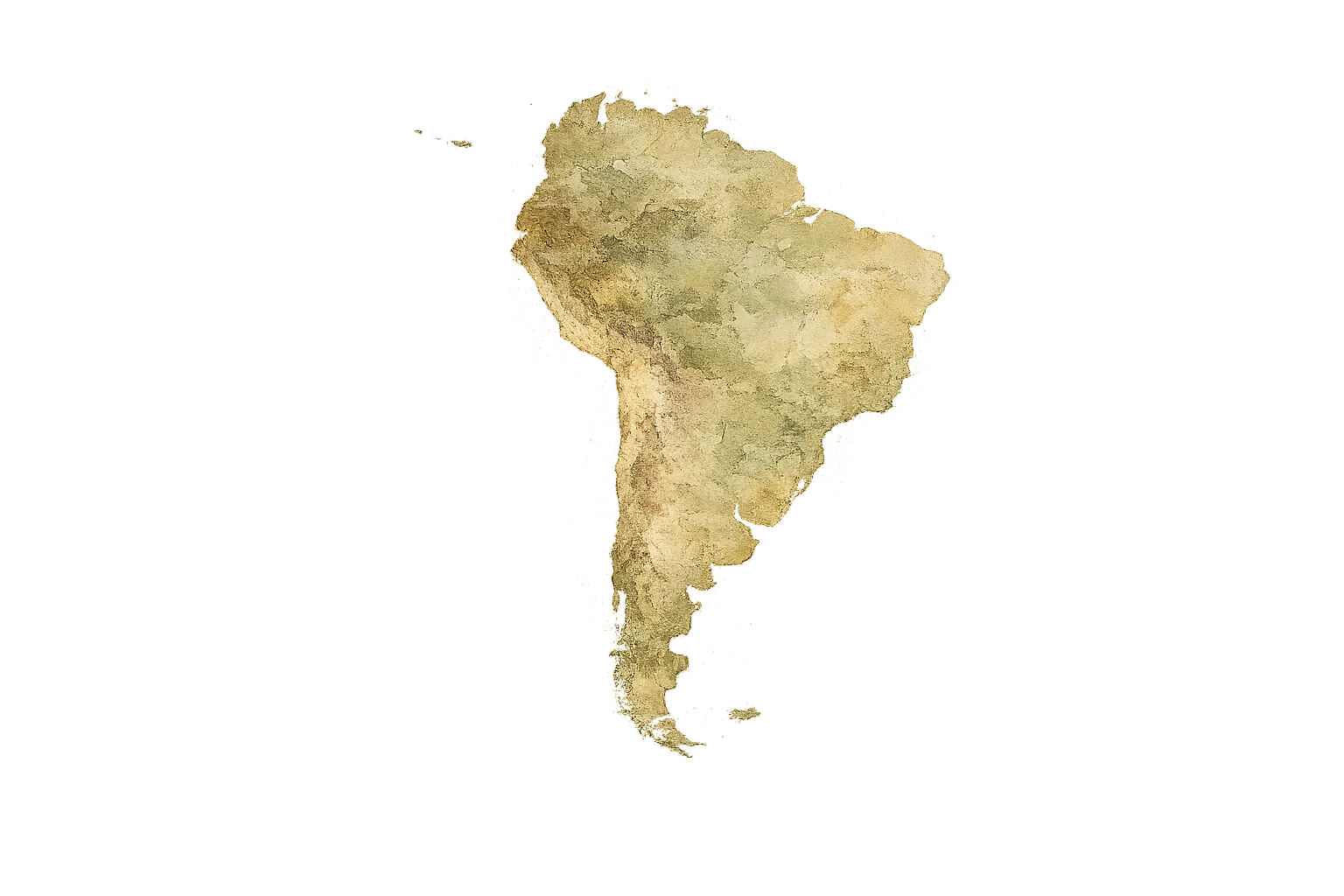
The Madre de Dios River is a massive waterway originating in the Peruvian Andes and flowing through northern Bolivia before emptying into the Beni River.
View on map → The Top 50 Attractions → OpenStreetMap →
South America
Explore with Plizio Discover more places in South America
More places in Bolivia →

History & landmarks

More places