Plizio Visual Lab

Kollqas of Cotapachi
Plizio editorial teamData Sources
Historical site
—°12
Kollqas of Cotapachi (Bolivia)

Weather…

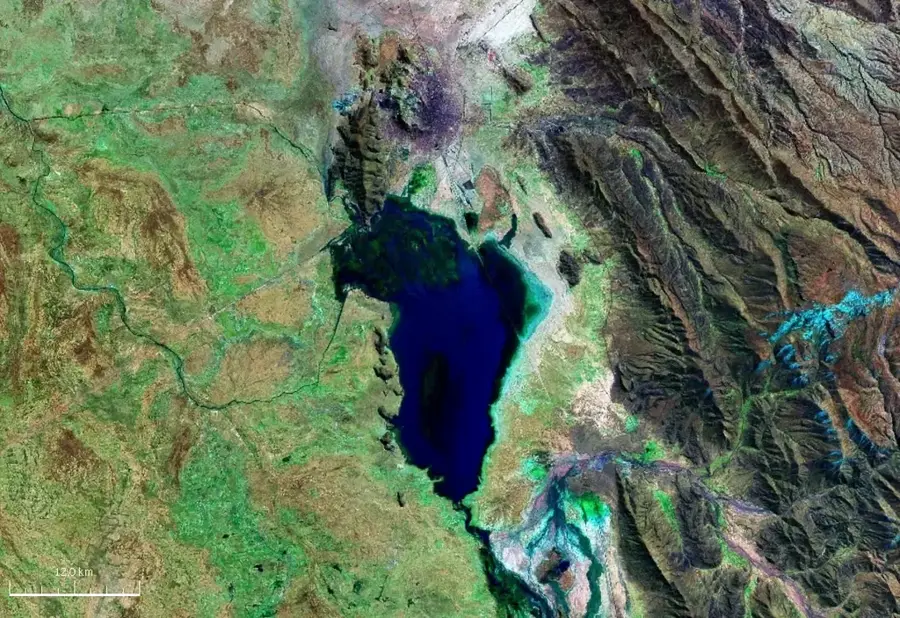
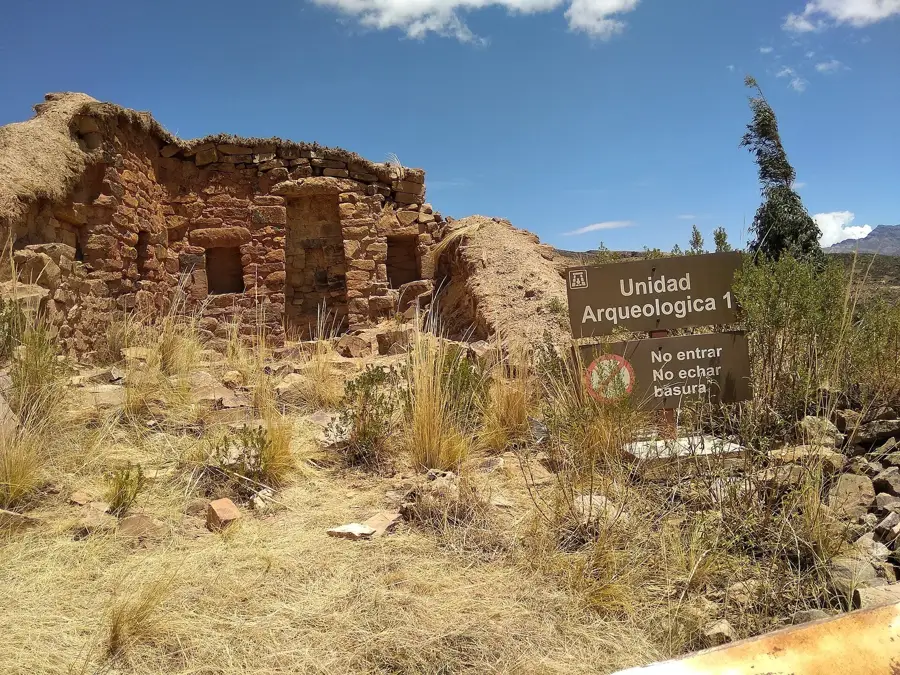
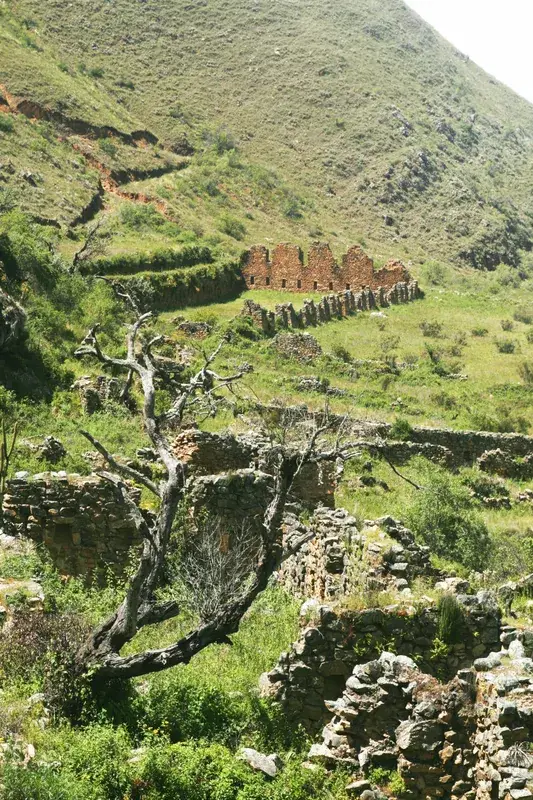
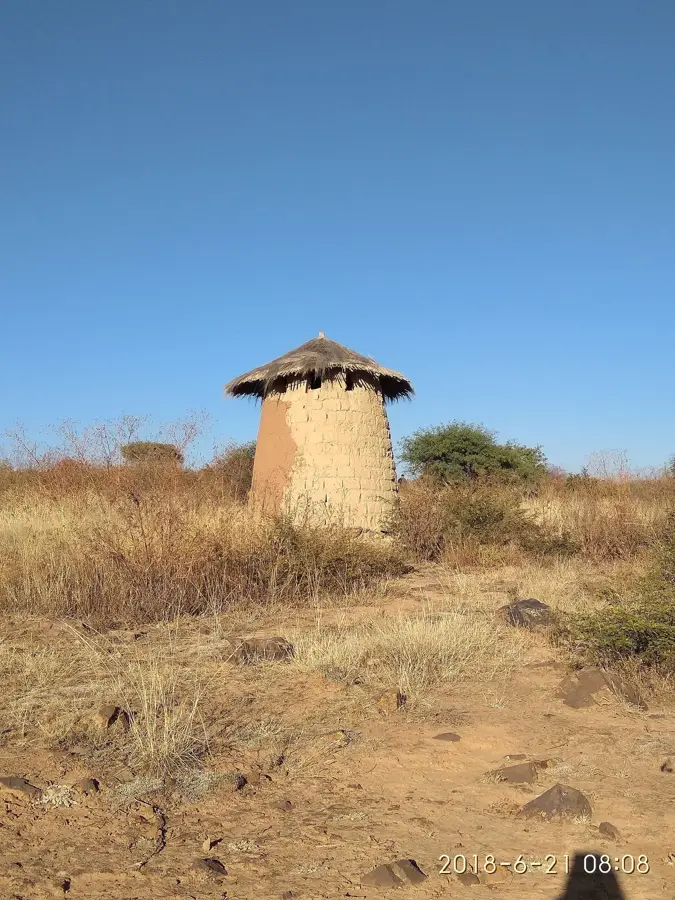
The Kollqas of Cotapachi near Quillacollo formed the largest grain storage complex of the Inca Empire in what is now Bolivia. Under the reign of Huayna Capac in the late 15th century, over 2,500 circular storage units (Kollqas) were constructed here to house the surplus maize from the fertile Cochabamba valley. This massive logistical hub served to supply the Inca army and facilitate redistribution during times of famine, showcasing the Incas' organizational prowess. Each Kollqa was engineered with natural ventilation systems to maximize the shelf life of the grain. Its strategic location allowed for efficient transport via the Qhapaq Ñan road network. While most of the silos are visible today only as circular foundations, several have been reconstructed to demonstrate the impressive scale and functionality of this pre-Columbian agro-industrial center.

Best time to visit & climate

The most pleasant time to visit is Sep–Nov.

JanFebMarAprMayJunJulAugSepOctNovDec
Avg °C141414131211111213151615
Rain mm1049755206445812253686

📋 Practical info

🚪
Visiting
The Kollqas of Cotapachi are an open archaeological site that can be visited for free. You can view the massive Inca storage buildings up close and walk around them.
🕒
Typical hours
As an open-air site, it is accessible during daylight hours, typically 8 AM to 6 PM. There is no ticket office, so you can come anytime while it's light.
📷
Photography
Photography is allowed without restrictions; the round stone buildings offer unique shots. Avoid climbing on the walls to preserve the historical fabric.
⏱️
Time needed
Visiting the site takes about 30 to 45 minutes, depending on how closely you study the architecture. With time for photos, plan for an hour.
Combine with
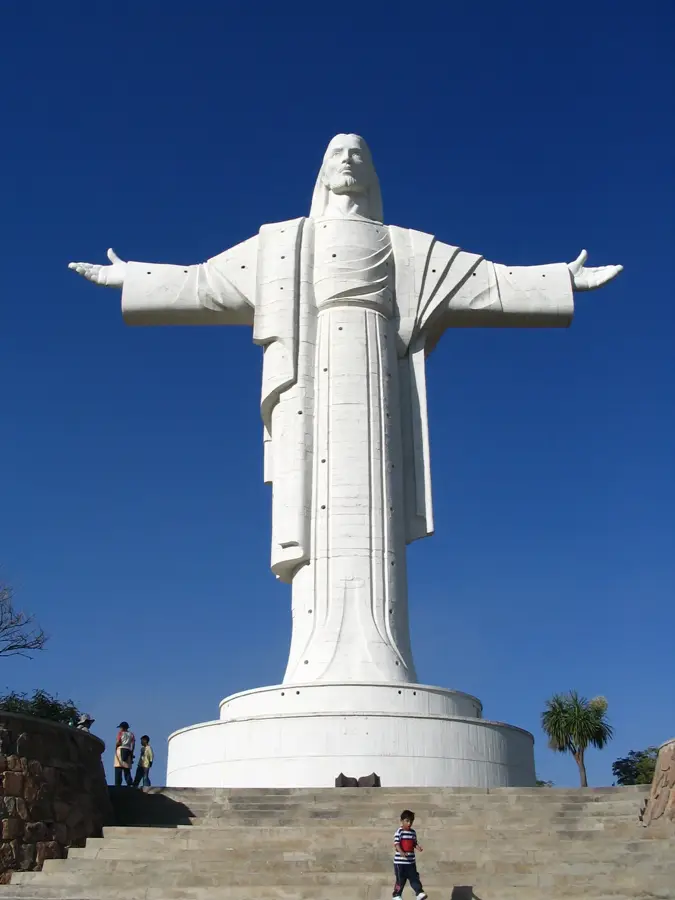
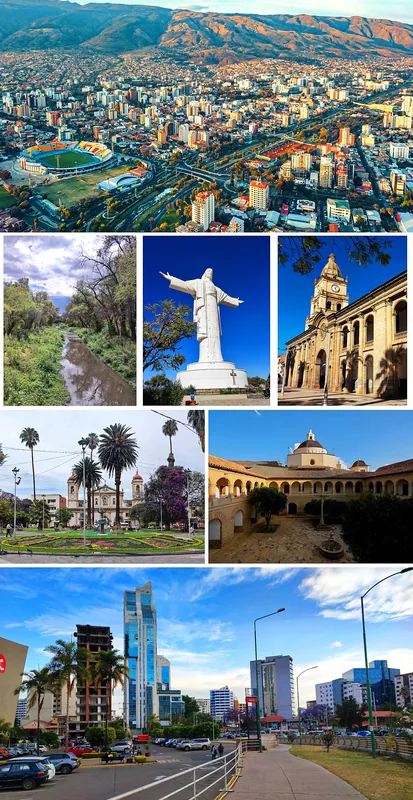
The Kollqas are near Quillacollo; combine your visit with the pilgrimage festival of the Virgen de Urkupiña if traveling in August. The city of Cochabamba with its Cristo de la Concordia is also close.
🧭
Getting there
From Quillacollo, you can reach the site by taxi or on foot in about 20 minutes. There is no direct public transport; a taxi is the most convenient option.
💡
Insider tip
Go early in the morning to avoid the midday heat and enjoy the peace. Bring a hat and sunscreen, as there is little shade on the open site.

Geography

Coordinates
-17.43260, -66.27960

Facts

  • There were originally over 2,500 individual storage buildings in Cotapachi.
  • The complex was commissioned in the 15th century by Huayna Capac.
  • The circular Kollqas have a diameter of approximately 3 meters.
  • Maize was the primary grain stored within these facilities.
  • The storage units are located on the hills south of Quillacollo.
  • Reconstructed Kollqas demonstrate the use of reed and clay construction.

Explore nearby

Notable places around
Route planner — Car & Motorhome

Where do you start? We build the route here, with stops and country notes along the way.

Vehicle
Only stops with (optional):

© OpenStreetMap contributors · OpenRouteService

Sights in the town Kollqas of Cotapachi (12)

Gruta Virgen Urkupiña📍 landmark

This notable shrine in bo-cotapachi-history-v2 is dedicated to the famous Virgen de Urkupiña, an important local religious figure.

Carruaje Landau📍 landmark

This attraction in bo-cotapachi-history-v2 features a historic landau, a type of horse-drawn luxury carriage.

Monumento El Cristo🏺 historical

This prominent monumental statue of Christ stands as a noticeable religious landmark in bo-cotapachi-history-v2.

Sitio Arqueológico Sipe Sipe 3🏺 historical

Documented on August 8, 2016, this archaeological site in bo-cotapachi-history-v2 contains excavated historical remains in the ground.

Sitio Arqueológico Qu 117🏺 historical

This archaeological site in bo-cotapachi-history-v2, recorded on August 8, 2016, preserves significant historical terrain features.

Teatro Teófilo Vargas🎭 culture

This local theatre venue in bo-cotapachi-history-v2 features a stage for regional performing arts and shows.

Iglesia de San Ildefonso⛪ religious

This historic place of worship in bo-cotapachi-history-v2 is recognized with level 2 heritage status for its architectural significance.

Centro Biocultural Tierra Verde🎭 culture

This arts centre in bo-cotapachi-history-v2 hosts exhibitions that bridge the region's biological environment and local culture.

Iglesia Alianza Cristiana y Misionera⛪ religious

This specific Christian and Missionary Alliance church in bo-cotapachi-history-v2 serves as a religious meeting place for its congregation.

🕒 Su 10:30-13:00

Capilla del Cementerio⛪ religious

Situated within the burial grounds, this local chapel provides a quiet space for memorial services in bo-cotapachi-history-v2.

Mercado Martín Cárdenas🎭 culture

This commercial marketplace in bo-cotapachi-history-v2 features numerous, tightly packed vendor stalls for everyday provisions.

Quillacollo Sign📍 landmark

This distinctive outdoor sign functions as an eye-catching visual marker for the Quillacollo zone in bo-cotapachi-history-v2.

Sights nearby

Frequently asked questions

What are the Kollqas of Cotapachi?
They are reconstructed circular Inca granaries for storing corn.
How many granaries were there?
Originally, there were over 2,000 Kollqas, indicating massive production.
Where is the site located?
Near Quillacollo, not far from Cochabamba at the base of a hill.
Are the buildings original?
A small portion has been faithfully reconstructed to demonstrate Inca logistics.
When is the best time to visit?
The dry season (May to October) is convenient for hiking in the region.
Kollqas of Cotapachi: where is it located?
Kollqas of Cotapachi is located in Bolivia.
Kollqas of Cotapachi: what is there to see?
Highlights include Gruta Virgen Urkupiña, Carruaje Landau, Monumento El Cristo.
Kollqas of Cotapachi: when is the best time to visit?
The most pleasant time to visit is Sep, Nov.
Kollqas of Cotapachi: why is it worth visiting?
The Kollqas of Cotapachi near Quillacollo formed the largest grain storage complex of the Inca Empire in what is now Bolivia.
View on map → The Top 50 Attractions → OpenStreetMap →
South America
Explore with Plizio Discover more places in South America
More places in Bolivia →

History & landmarks

More places