Plizio Visual Lab

Convent of Santa Teresa (Potosí)
Plizio editorial teamData Sources
Historical site
—°11
Convent of Santa Teresa (Potosí) (Bolivia)

Weather…

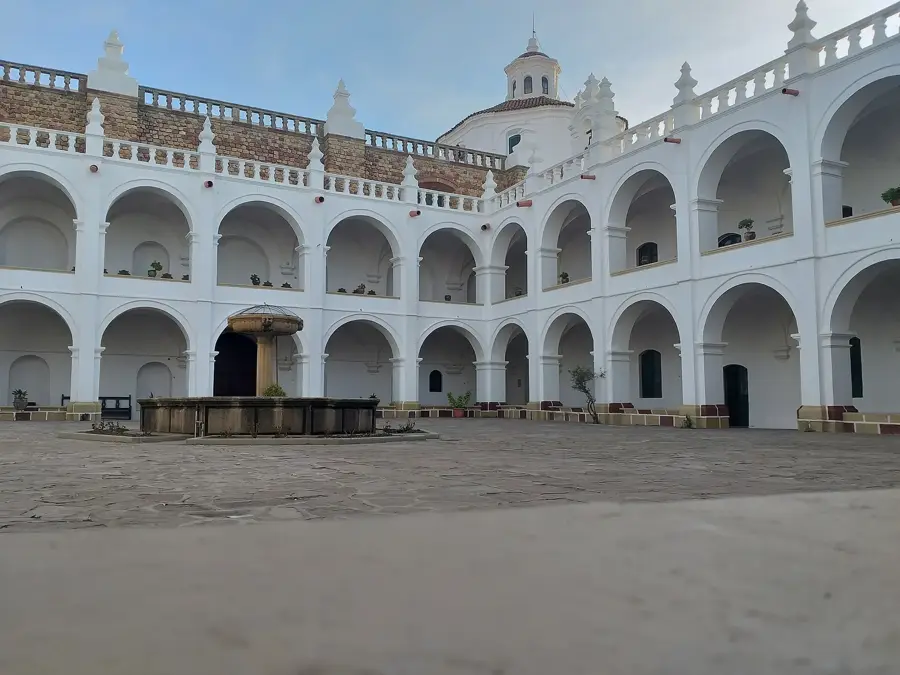
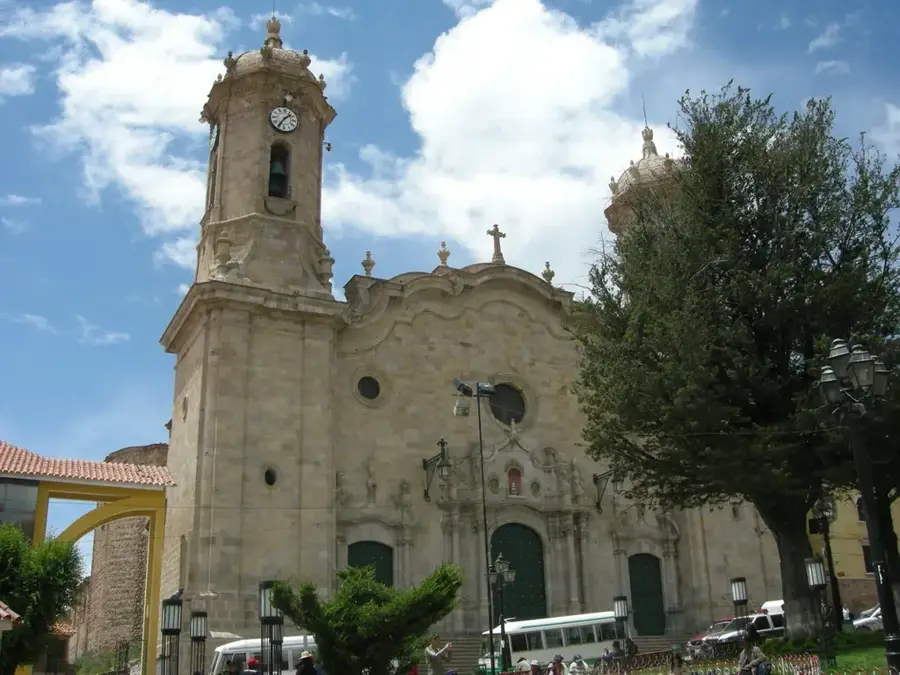
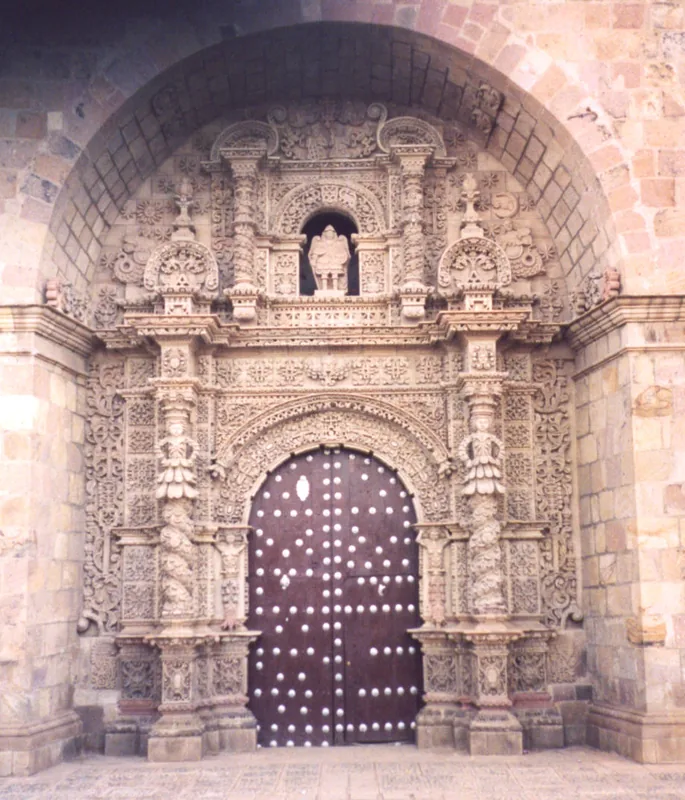
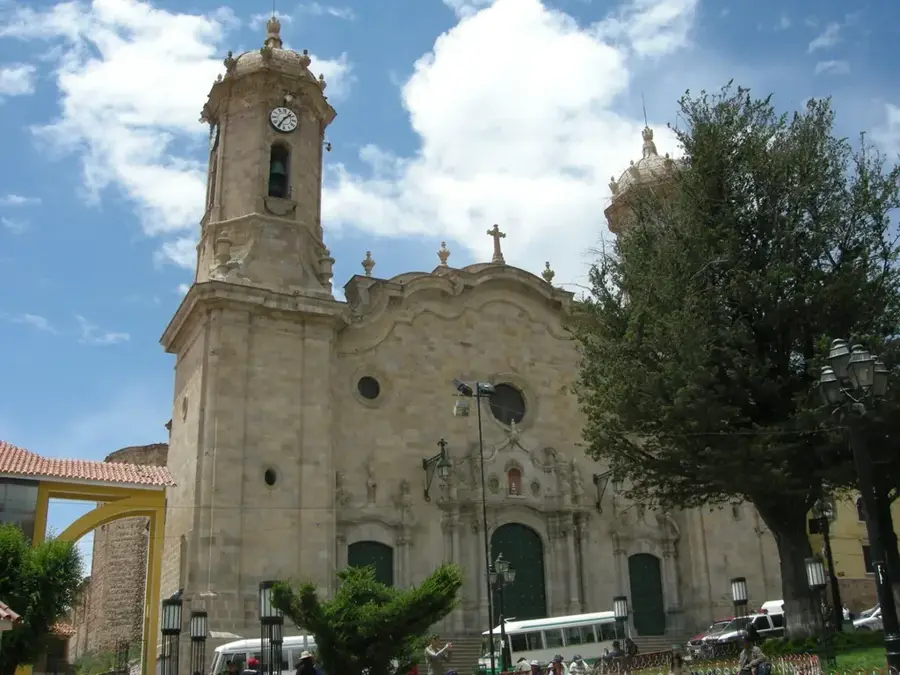
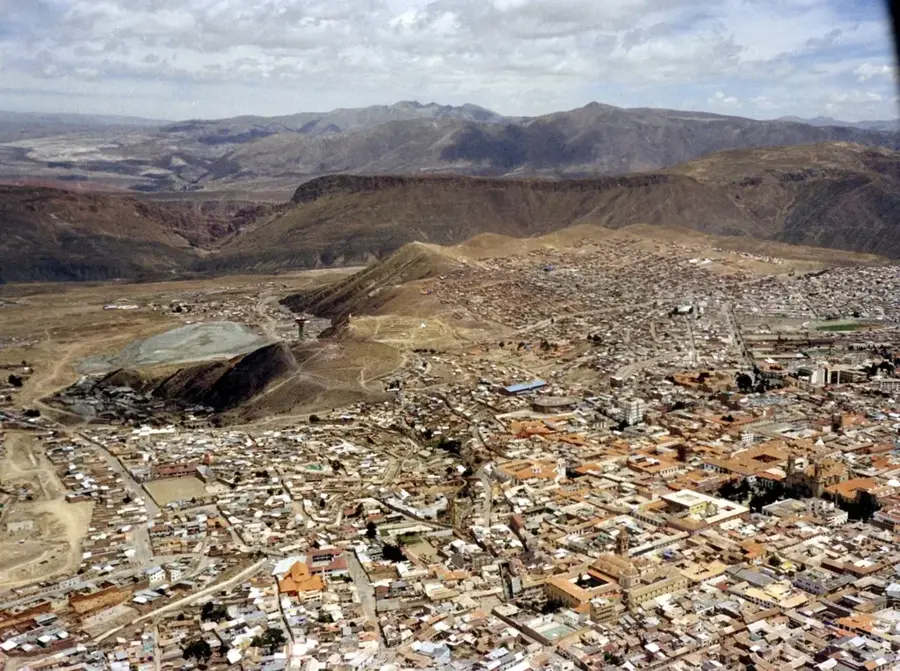
The Convent of Santa Teresa in Potosí was founded in 1685 and stands as an impressive example of Bolivia's colonial religious heritage. It housed the nuns of the Order of Discalced Carmelites, who often hailed from the city's wealthiest families. The convent's architecture reflects the rigor and isolation of cloistered life, featuring massive walls and small windows that strictly separated the inner world from the outside. Particularly noteworthy is the convent's magnificent church, adorned with precious Baroque altarpieces and religious art from the Potosí School. Today, a portion of the convent is open as a museum of sacred art, allowing visitors to observe the nuns' former way of life, their personal cells, and a significant collection of paintings and sculptures. The convent remains a symbol of the spiritual wealth that thrived alongside the city's material silver riches.

Best time to visit & climate

The most pleasant time to visit is Apr, Oct, Nov.

JanFebMarAprMayJunJulAugSepOctNovDec
Avg °C887632135788
Rain mm1039358204173312322982

📋 Practical info

🚪
Visiting
The Santa Teresa Convent in Potosí is now a museum open to visitors. You can tour the strict cloistered areas, the kitchen, and the nuns' cells. Entry is usually charged.
🕒
Typical hours
The museum has typical daytime hours, usually from 9:00 AM to 5:00 PM, with a lunch break. On Sundays it is often closed or has reduced hours. It's best to check ahead.
📷
Photography
Photography is usually allowed without flash in the museum rooms. Some delicate exhibits may have restrictions. Please follow staff instructions. Outdoor shots of the building are permitted anytime.
⏱️
Time needed
A visit takes about one and a half to two hours. The rooms are detailed and depict the strict life of the Carmelite nuns. Audio guides are often available and extend the visit time.
Combine with
Combine your visit with the Casa de la Moneda and Cerro Rico. Potosí has many historic sites within walking distance. The convent is centrally located, great for exploring the city.
🧭
Getting there
The convent is in the historic center of Potosí and easily reached on foot. It's just a few minutes from most hotels. Taxis are cheap and will take you directly.
💡
Insider tip
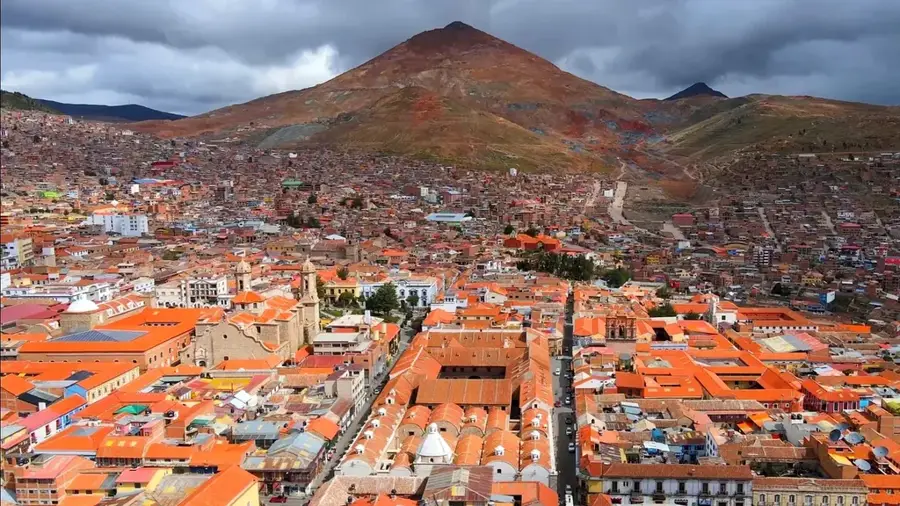
Ask about the rooftop terrace view - it provides a fantastic panorama of the city and Cerro Rico. Wear comfortable shoes as there are many stairs to climb.

Geography

Coordinates
-19.59010, -65.75160

Facts

  • The convent was officially inaugurated on January 10, 1685.
  • The Order of Discalced Carmelites inhabited the facility for centuries.
  • The museum houses a collection of over 300 religious paintings.
  • The church features a magnificent main altarpiece made of gilded wood.
  • Nuns were only permitted to contact the outside world through a grate (locutorio).
  • The cloister contains well-preserved frescoes from the colonial era.

Explore nearby

Notable places around
Route planner — Car & Motorhome

Where do you start? We build the route here, with stops and country notes along the way.

Vehicle
Only stops with (optional):

© OpenStreetMap contributors · OpenRouteService

Sights in the town Convent of Santa Teresa (Potosí) (11)

Mawk'a Tampu🌿 nature

This notable Andean mountain peak in the Potosí region holds historical significance for the highlands.

Kimsa Waylla🌿 nature

The prominent peak of Kimsa Waylla dominates the rugged mountainous landscape around Potosí.

Kimsa Kunturiri🌿 nature

This prominent Andean peak near Potosí is named after the three condors from indigenous legends.

Monumento al Minero🏺 historical

This bronze monument in Potosí honors the countless miners who extracted the region's wealth from the Cerro Rico.

Tourist mine📍 landmark

This tourist mine in Potosí has guided tours into the dark, historic tunnels of the famous Cerro Rico silver mountain.

Gruta de Copacabana🏺 historical

This religious monument in Potosí is a cave-like shrine dedicated to the Virgin of Copacabana.

Caja del Agua🎡 recreation

This historic water infrastructure in Potosí once distributed water from the Andean lakes to the city's silver mills.

🕒 We-Su 08:00-12:00, 15:00-19:00

Molino📍 landmark

This historic mill in Potosí once used water power to process silver ore from the surrounding mines.

Eduardo Avaroa Hidalgo🏺 historical

This monument in Potosí pays tribute to Eduardo Avaroa, a celebrated Bolivian war hero from the War of the Pacific.

Acueducto de la Ribera de los Ingenios📍 landmark

This historic aqueduct in Potosí channeled the Kari Kari lakes' water to power the vast network of colonial silver mills.

Mercado Ballivián🎭 culture

Located in the high-altitude urban grid of Potosí, Mercado Ballivián provides a lively neighborhood setting for local commerce and food stalls.

Sights nearby

Frequently asked questions

Is the convent still active?
A portion is a museum, while a smaller area continues to be inhabited by nuns.
What can you see in the museum?
Religious art, historical prayer rooms, and insights into the strict life of Carmelite nuns.
Are there guided tours?
Yes, tours are often offered in Spanish and English and are very informative.
What are the opening hours?
Usually from 9:00 to 12:30 and 14:30 to 18:00; often closed on Sundays.
Why did the nuns have to live there?
Often daughters of wealthy families entered to pray for the family's salvation.
Convent of Santa Teresa (Potosí): where is it located?
Convent of Santa Teresa (Potosí) is located in Bolivia.
Convent of Santa Teresa (Potosí): what is there to see?
Highlights include Mawk'a Tampu, Kimsa Waylla, Kimsa Kunturiri.
Convent of Santa Teresa (Potosí): when is the best time to visit?
The most pleasant time to visit is Apr, Oct, Nov.
Convent of Santa Teresa (Potosí): why is it worth visiting?
The Convent of Santa Teresa in Potosí was founded in 1685 and stands as an impressive example of Bolivia's colonial religious heritage.
View on map → The Top 50 Attractions → OpenStreetMap →
South America
Explore with Plizio Discover more places in South America
More places in Bolivia →

History & landmarks

Nature

More places