Plizio Visual Lab

Cerro Rico
Plizio editorial teamData Sources
Mountain
—°5
Cerro Rico (Bolivia)

Weather…

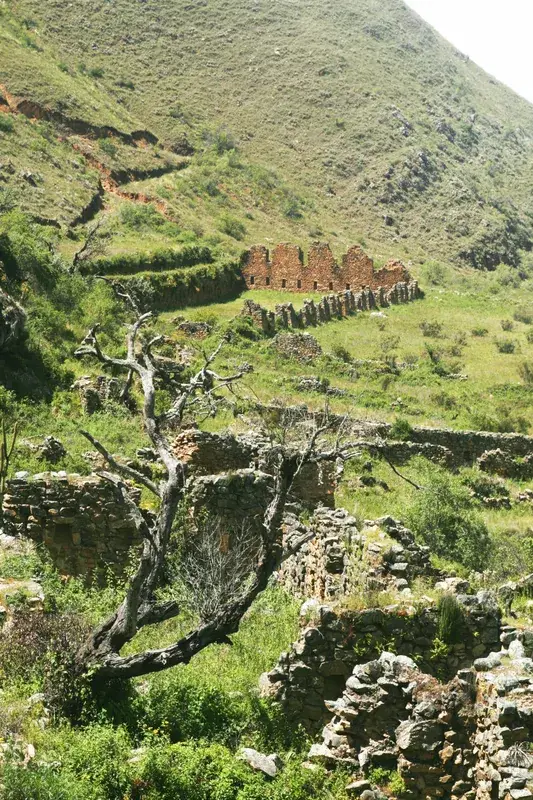
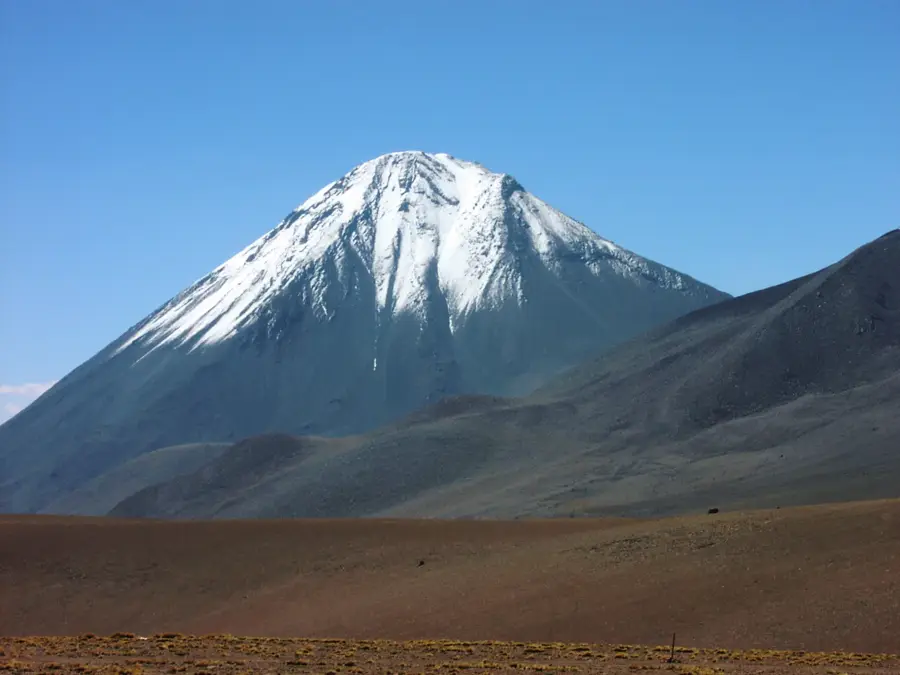
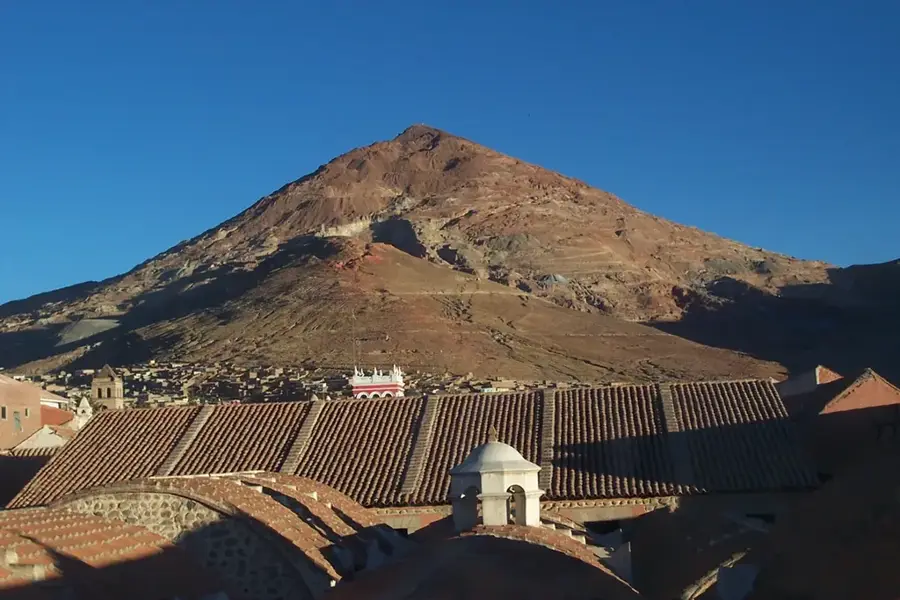
Cerro Rico, or Sumaj Orcko in Quechua, is a mountain overlooking the city of Potosi that has played a central role in world history. Standing at 4,824 meters, it was the largest silver mine in the world during the Spanish colonial era, effectively financing the Spanish Empire for centuries. The intense mining activity turned Potosi into one of the largest and wealthiest cities in the world by the mid-17th century. However, this wealth came at a high cost, as millions of indigenous people and African slaves perished in the mines under brutal conditions. Geologically, the mountain is so riddled with shafts and tunnels that its conical summit is now physically unstable and at risk of collapse. Today, artisanal miners continue to work the mountain's veins for zinc, tin, and silver. A UNESCO World Heritage site since 1987, Cerro Rico remains a powerful symbol of both colonial exploitation and the enduring resilience of the local mining culture.

Best time to visit & climate

The most pleasant time to visit is Apr, Oct, Nov.

JanFebMarAprMayJunJulAugSepOctNovDec
Avg °C887632135788
Rain mm1039358204173312322982

📋 Practical info

🧭
Getting there
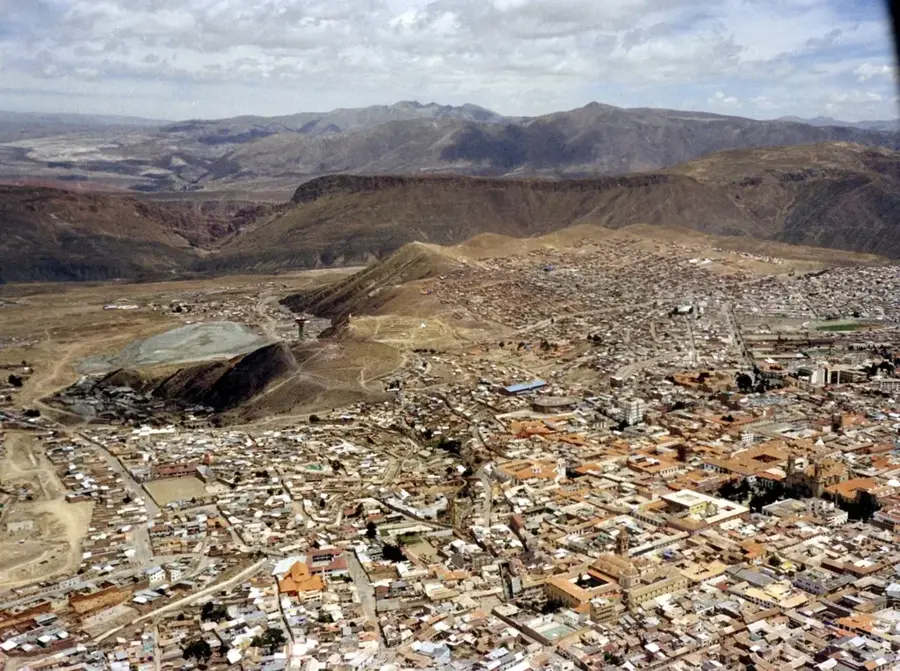
The mountain is located directly adjacent to the city of Potosí, which serves as the immediate starting point. Local tours typically arrange transportation from the city center up to the active mine entrances.
📅
Best season
The mountain can be visited year-round, though the dry winter months between May and October offer clearer skies and less chance of snow or rain disrupting the journey to the higher elevations.
⛰️
Terrain & paths
The terrain consists of barren, dusty, and steep mountain slopes heavily scarred by centuries of continuous mining activity, with a network of rough dirt roads leading up to the various tunnels.
🎒
What to bring
When visiting the exterior areas, sturdy walking shoes, warm layers for the high altitude chill, and dust masks are recommended, while any guided mine tours will supply hard hats and protective gear.
🅿️
Parking
Visitors generally explore the area via organized tours, leaving personal vehicles at their accommodations in Potosí due to the chaotic and unregulated nature of the roads on the mountain itself.
⚠️
Safety
Potosí's extreme elevation of over 4,000 meters requires acclimatization before approaching the mountain. Entering the mines without an official guide is dangerous due to toxic gases and structural instability.
⏱️
Time needed
A typical excursion from Potosí to see the mountain and understand its historical significance usually takes half a day, typically structured around a 3 to 4-hour guided experience.

Geography

Coordinates
-19.61700, -65.75500

Facts

  • The summit reaches an altitude of 4,824 meters (15,827 feet).
  • Silver was discovered in the mountain by Diego Huallpa in 1545.
  • At its peak, Potosi produced 80% of the world's silver.
  • There are still over 400 active mining cooperatives on the mountain.
  • The mountain is nicknamed the 'Mountain that Eats Men' due to its history.
  • It was inscribed on the UNESCO List of World Heritage in Danger in 2014.

Explore nearby

Notable places around
Route planner — Car & Motorhome

Where do you start? We build the route here, with stops and country notes along the way.

Vehicle
Only stops with (optional):

© OpenStreetMap contributors · OpenRouteService

Sights in the town Cerro Rico (5)

T'ula Qullu🌿 nature

T'ula Qullu is an Andean mountain peak rising prominently in the rugged high-altitude terrain of Potosí.

Q'illu Q'asa🌿 nature

This Andean peak features the harsh, rocky slopes characteristic of the Bolivian highlands.

Illimani🌿 nature

Illimani is a notable mountain peak situated in the high-altitude landscape of the Potosí Department.

Cine Teatro Pailaviri🎭 culture

Located in the mining area, this theatre building once provided cinematic entertainment for the local workers.

Cerro Rico📍 landmark

Cerro Rico is a world-famous, heritage-listed mountain renowned for its immense historical silver deposits.

Sights nearby

Frequently asked questions

In which city is Cerro Rico located?
It towers over the city of Potosí.
What is the mountain historically known for?
It was the most important source of silver for the Spanish colonial empire.
Can the mines be visited?
Yes, guided tours into the active mines are offered.
Is visiting the mines safe?
It is physically demanding and dusty; be cautious if you have breathing issues.
What gifts do tourists bring for the miners?
It is common to bring coca leaves, drinks, or dynamite (purchased locally).
Cerro Rico: where is it located?
Cerro Rico is located in Bolivia.
Cerro Rico: what is there to see?
Highlights include T'ula Qullu, Q'illu Q'asa, Illimani.
Cerro Rico: when is the best time to visit?
The most pleasant time to visit is Apr, Oct, Nov.
Cerro Rico: why is it worth visiting?
Cerro Rico, or Sumaj Orcko in Quechua, is a mountain overlooking the city of Potosi that has played a central role in world history.
View on map → The Top 50 Attractions → OpenStreetMap →
South America
Explore with Plizio Discover more places in South America
More places in Bolivia →

History & landmarks

Nature

More places