Plizio Visual Lab

Incallajta
Plizio editorial teamData Sources
Historical site
—°8
Incallajta (Bolivia)

Weather…

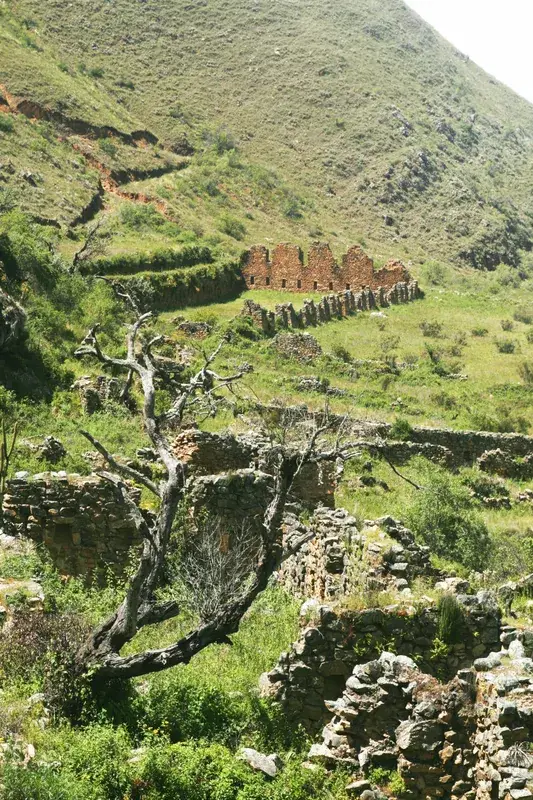
Incallajta, often referred to as the 'Machu Picchu of Bolivia,' was one of the most significant military and administrative fortresses of the Inca Empire in the present-day Cochabamba Department. The complex was constructed around 1460 during the reign of Inca ruler Tupac Yupanqui and later expanded by his successor Huayna Capac to secure the borders against Chiriguano attacks from the lowlands. Spanning over 12 hectares, the site is dominated by the 'Kallanka,' a monumental building measuring 78 meters in length, which was one of the largest roofed structures in the entire Inca Empire. The architecture is characterized by precise stonework and a strategic location on a steep mountain ridge. Beyond its defensive walls, Incallajta contained religious sectors and astronomical observation points such as the 'Torreon.' Today, the ruins serve as a vital witness to Inca imperial expansion and their sophisticated logistical capabilities in challenging terrain.

Best time to visit & climate

The most pleasant time to visit is Apr, Oct, Nov.

JanFebMarAprMayJunJulAugSepOctNovDec
Avg °C131312121099911121313
Rain mm10910659228505810304592

📋 Practical info

🚪
Visiting
Incallajta, a massive Inca fortress and administrative center, is open to visitors. You can explore the well-preserved walls, gates, and terraces in the remote mountain region.
🕒
Typical hours
The site is usually accessible during the day from 8 AM to 5 PM, but getting there requires planning. It's recommended to come early in the morning to cover the journey and visit at leisure.
📷
Photography
Photography is allowed throughout the site; the imposing stone walls and surrounding landscape offer great subjects. Please respect the archaeological structures and do not climb the walls.
⏱️
Time needed
Allow at least two hours for walking through the fortress and surrounding terraces. Including travel and visit, budget half a day.
Combine with
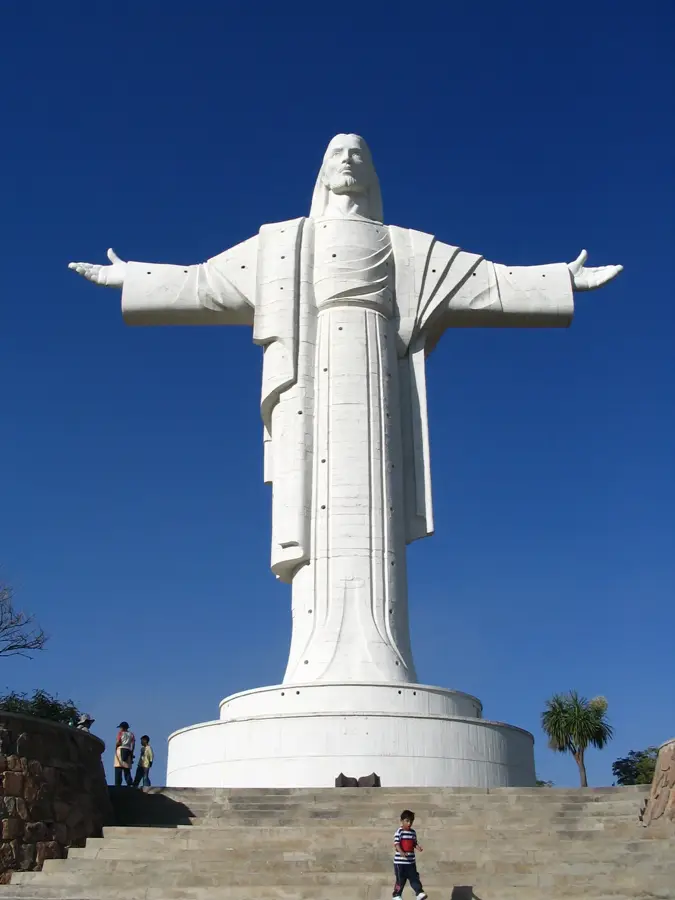
Incallajta is remote but near the city of Cochabamba; combine the trip with a visit to the city and the Cristo de la Concordia. The Kollqas of Cotapachi are also along the way.
🧭
Getting there
The site is about 130 km east of Cochabamba and reachable only by 4WD vehicle or organized tour. The last stretch is an unpaved road; ask locals about its condition.
💡
Insider tip
Bring plenty of supplies and water, as there are no dining facilities in the area. Wear sturdy footwear and long trousers due to vegetation and insects.

Geography

Coordinates
-17.59910, -65.41470

Facts

  • The Kallanka at Incallajta measures 78 meters in length and 25 meters in width.
  • The fortress was established around the year 1460 under Tupac Yupanqui.
  • The archaeological site covers a total area of approximately 12 hectares.
  • Incallajta served as a defensive shield against the warring Chiriguano tribes.
  • The tower known as 'Torreon' was likely used for astronomical observations.
  • The walls of the main buildings reach heights of up to 12 meters.

Explore nearby

Notable places around
Route planner — Car & Motorhome

Where do you start? We build the route here, with stops and country notes along the way.

Vehicle
Only stops with (optional):

© OpenStreetMap contributors · OpenRouteService

Sights in the town Incallajta (8)

Machaqa Marka🌿 nature

A striking Andean peak located in the mountainous terrain of the Cochabamba department.

Qucha Qucha🌿 nature

A prominent mountain peak rising above the rugged landscape of the Bolivian Andes in Cochabamba.

Qutani🌿 nature

This rocky Andean mountain peak dominates the high-altitude surroundings of Cochabamba.

Piedra de Sacrificio📍 landmark

An ancient Incan sacrificial stone altar steeped in the historical mysteries of the Incallajta archaeological site.

Qolqewayrachina🏺 historical

The ancient stone foundations of an Incan wind-draft furnace used for smelting silver ores.

Torreón🏺 historical

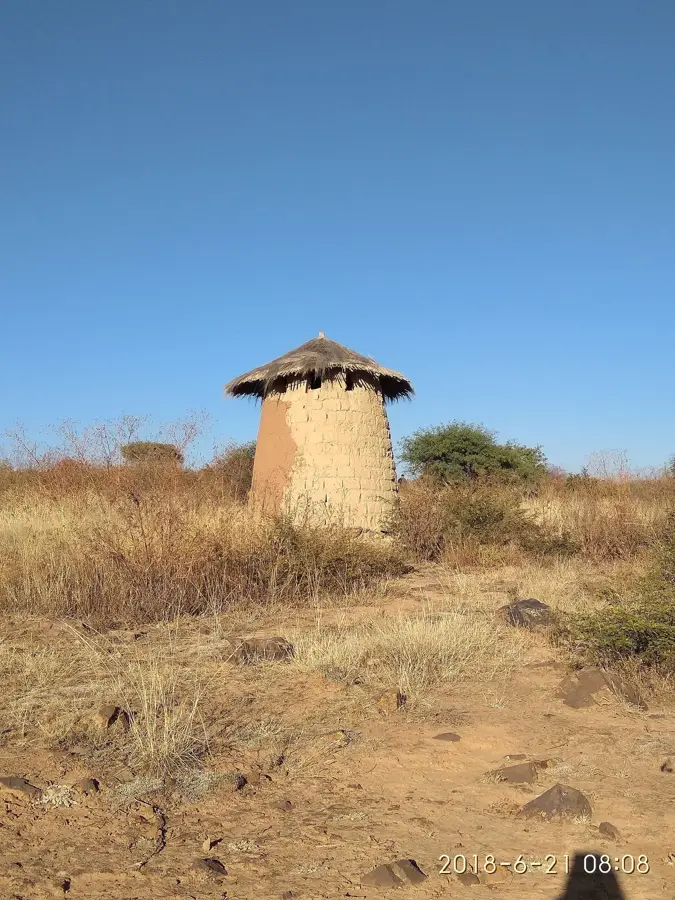
The circular stone ruins of a watchtower that once defended the Incan administrative center.

Incallajta📍 landmark

A monumental Incan fortress and administrative center built by Tupac Inca Yupanqui to secure the empire's eastern borders.

Iglesia San Francisco de Asis de Pocona📍 landmark

A historic colonial-era Catholic church featuring traditional adobe architecture in the heart of Pocona.

Sights nearby

Frequently asked questions

What was Incallajta?
It was a major Inca fortress for defense against the Chiriguanos from the lowlands.
Where is this ruin site located?
In the Cochabamba Department, about 140 km east of the city of Cochabamba.
How large is the main building?
The 'Kallanka' is one of the largest roofed Inca buildings; it is approx. 78 by 25 meters.
Is the way there difficult?
The road is partly unpaved; a 4WD is advisable, especially in the rain.
Is there any tourist infrastructure there?
The infrastructure is very basic; bring your own food and water.
Incallajta: where is it located?
Incallajta is located in Bolivia.
Incallajta: what is there to see?
Highlights include Machaqa Marka, Qucha Qucha, Qutani.
Incallajta: when is the best time to visit?
The most pleasant time to visit is Apr, Oct, Nov.
Incallajta: why is it worth visiting?
Incallajta, often referred to as the 'Machu Picchu of Bolivia,' was one of the most significant military and administrative fortresses of the Inca Empire in the present-day Cochabamba Department.
View on map → The Top 50 Attractions → OpenStreetMap →
South America
Explore with Plizio Discover more places in South America
More places in Bolivia →

History & landmarks

More places